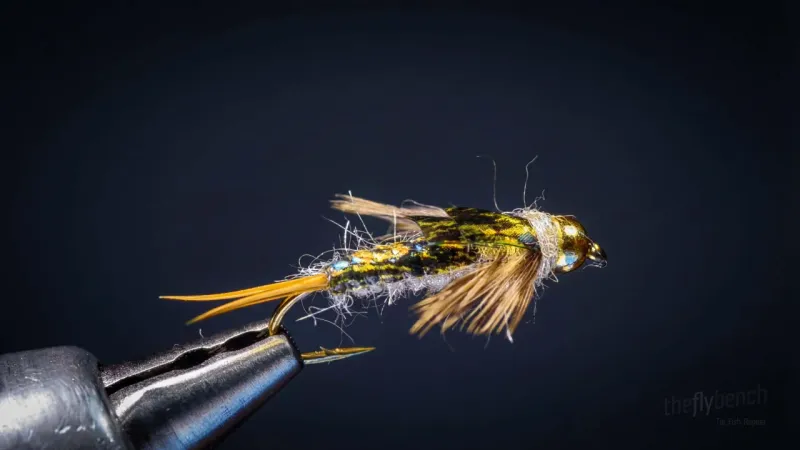
Euro NymphsSexy Walts Worm
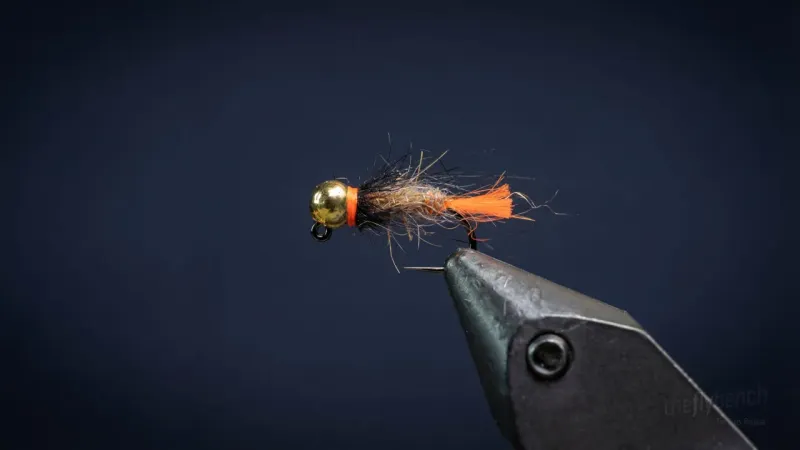
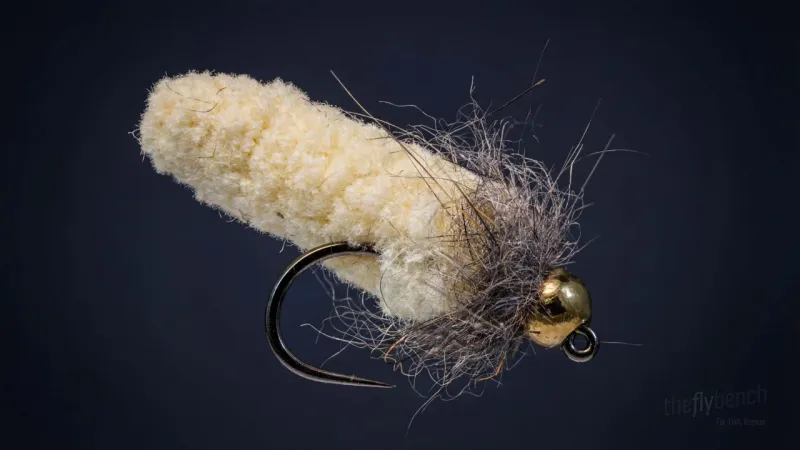
A jig-style evolution of the classic Walt's Worm featuring a CDC puff collar for enhanced movement. The buggy hare's ear body combined with gold ribbing creates a realistic segmented appearance that effectively imitates crane fly larvae and various aquatic worms. This pattern is quick to tie and highly effective in euro-nymphing presentations.
Spring, Summer, Fall
Beginner
Trout
Dec 2025
Overview
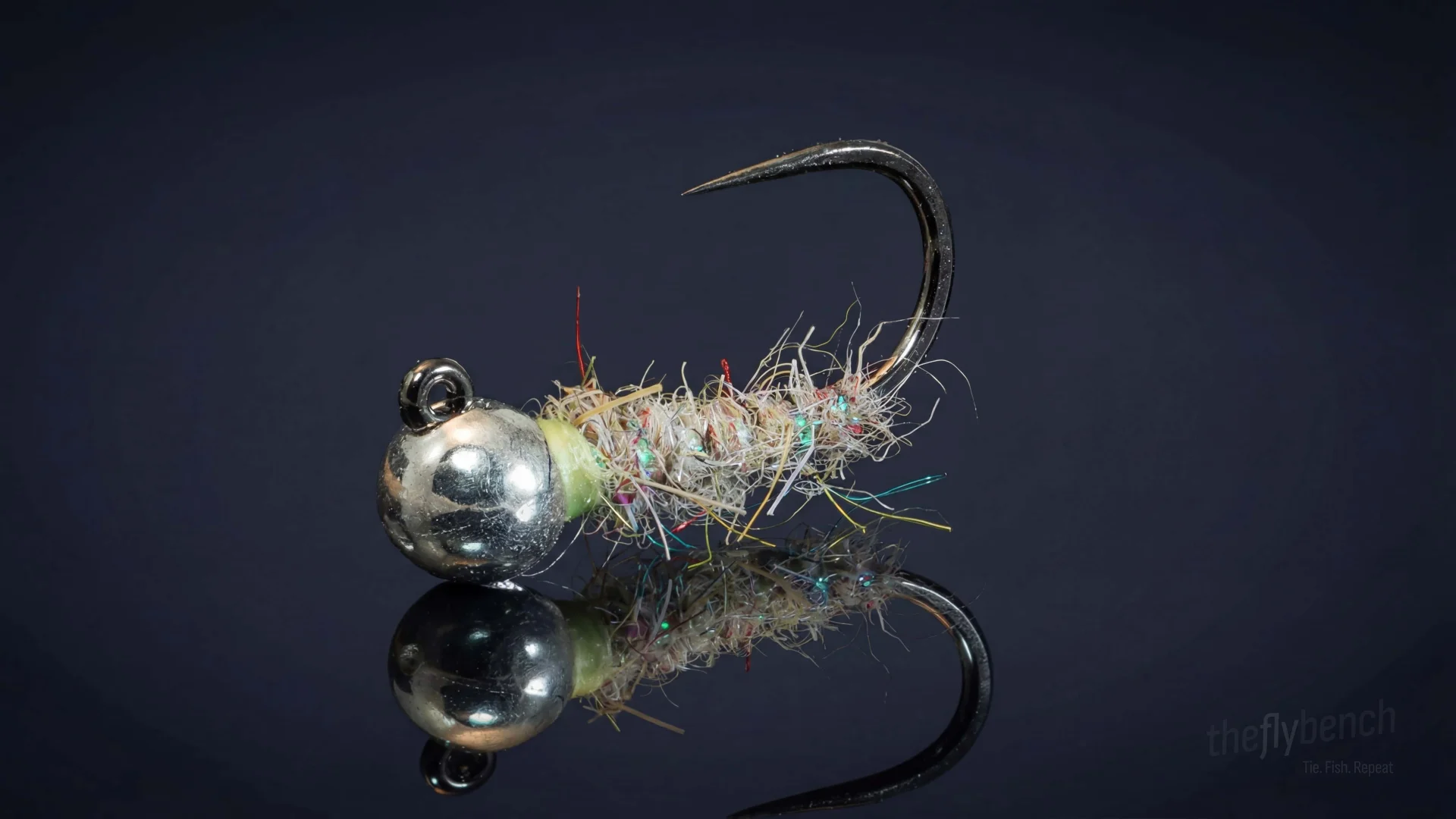
This modern variation of Walt's Worm adds a CDC collar for increased movement and a more lifelike appearance in the water. The jig hook design helps the fly ride hook-point-up, reducing snags on the bottom while maintaining natural drift. The hare's ear dubbing provides a buggy texture that imitates various subsurface food sources. Tie in sizes #10-#16 to match different worm and larvae sizes in your local waters.
Where to Buy This Fly
We only link to fly shops we trust. Some links are referral links, which may earn us a commission at no extra cost to you.
Materials
- Hook:
- Fulling Mill 5045 Jig Force Barbless, size #12
- Bead:
- Hareline Slotted Tungsten bead, gold, 1/8" (3.3mm)
- Thread:
- UTC Ultrathread 70 Denier, tan
- Body:
- Hare's ear dubbing, natural
- Ribbing:
- UTC Ultra Wire, gold, small
- Collar:
- CDC puff, natural
Behavior & Presentation
Natural Behavior: Aquatic worms and larvae tumble along stream bottoms during high flows or when dislodged from substrate pockets. Their segmented bodies flex and stretch as they drift, creating an enticing wiggling action in the current.
Where Trout Eat It: Trout feed on tumbling worms near the bottom in runs, pocket water, and along weed edges.
How to Fish It: Dead drift near the bottom with split shot or indicator, allowing the pattern to tumble naturally through feeding zones.
Best Water: Focus on riffle tail-outs, pocket water, and channel swings where current delivers drifting organisms. Weed edges concentrate feeding activity.
Strike Type: Detect strikes through indicator hesitations or line tightening; set immediately on any unnatural movement.
Fishing Strategy
Rigging Suggestions: Use as a point fly in euro-nymphing rigs with 10-12 foot leaders and 4X-5X fluorocarbon tippet. Can also be fished as a dropper below a larger attractor pattern. The jig hook rides hook-point-up, making it ideal for bouncing along rocky bottoms without excessive snagging. No additional weight typically needed due to tungsten bead.
Seasonal Timing: Effective year-round but particularly productive during runoff when worms and larvae are dislodged and actively moving. Excellent choice during high water conditions when trout are feeding opportunistically on drifting food sources.
Pro Tips: The gold tungsten bead provides fast sink rate, getting the fly into the strike zone quickly. Natural hare's ear coloring is visible to fish without spooking them in clear water. The CDC collar creates subtle movement and breathing action that triggers strikes. Slim profile cuts through current efficiently while the segmented body appears lifelike underwater.
Entomology
Free-living caddis larvae and immature mayfly nymphs undulate through rocky substrate and drift helplessly when dislodged, exhibiting a worming, curved body posture as current carries them downstream. Trout opportunistically consume these larval forms because they drift continuously in European-style nymphing waters, providing subsurface targets that fish encounter while feeding in the prime lies of fast, broken currents.
- Order
- Trichoptera
- Common Name
- Caddisfly
- Organism Type
- insect
- Life Stage
- nymph