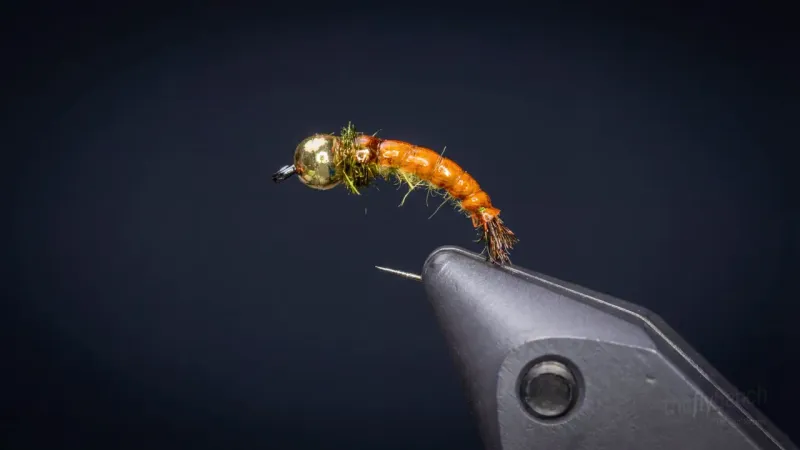
Euro NymphsSlick Willie Caddis
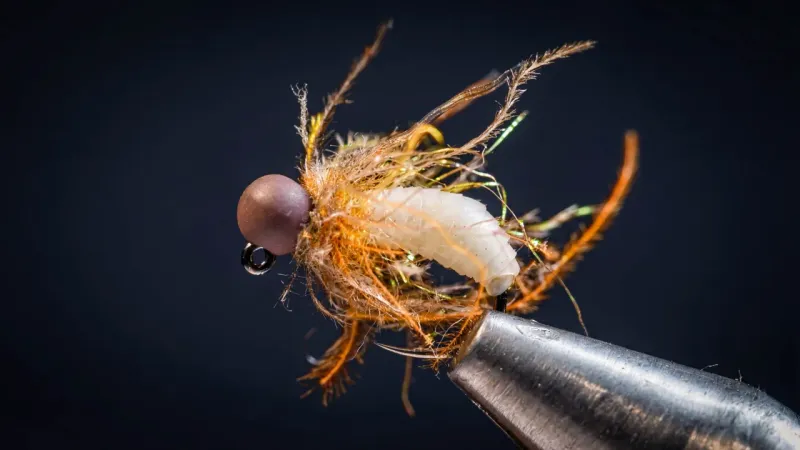
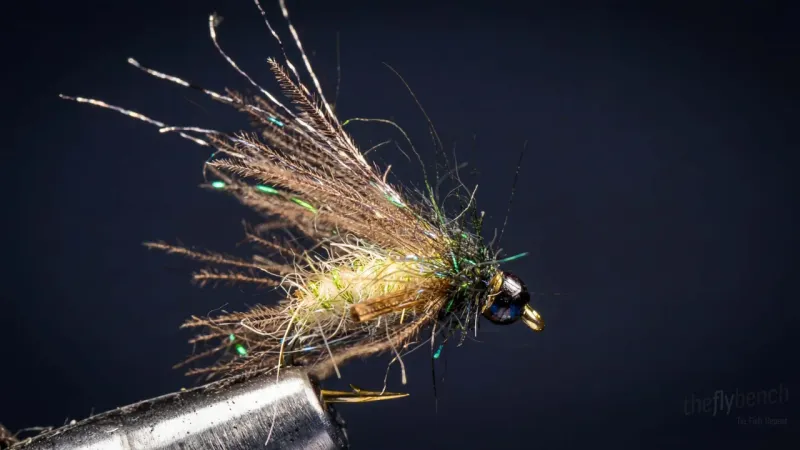
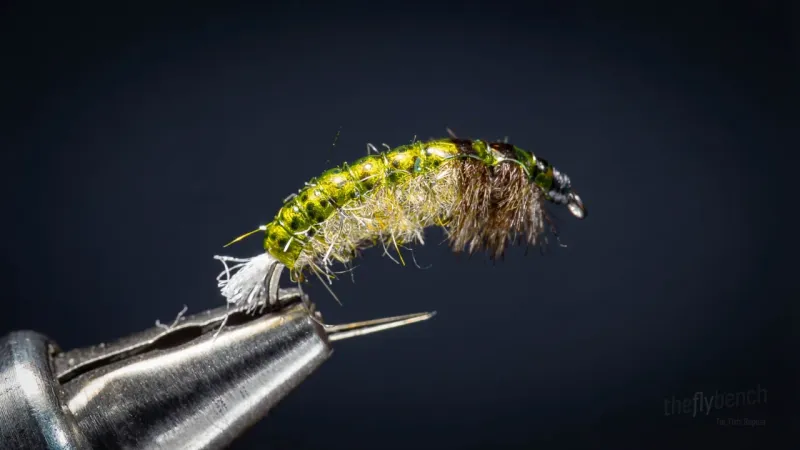
A modern caddis larva imitation designed for euro nymphing with a sleek profile and ice dub body. The partridge legs add realistic movement while the UV coating provides durability and a natural shine. Effective in technical presentations and competition fishing.
Spring, Summer, Fall
Intermediate
Trout
Dec 2025
Overview
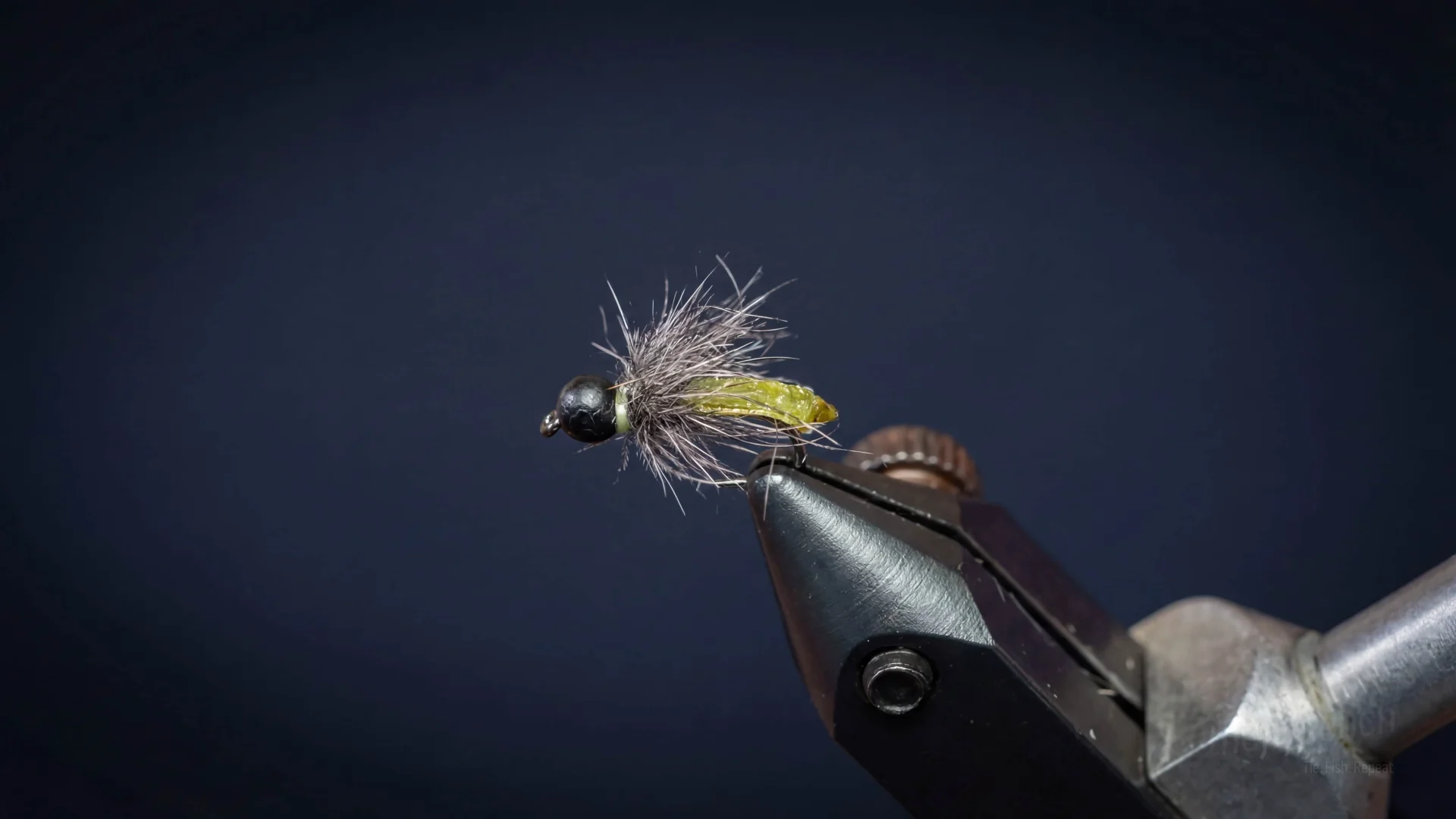
Developed by Fly Fish Food as a competition-style caddis larva pattern. The combination of ice dub and UV coating creates a translucent, segmented body that mimics the natural appearance of caddis larvae. The partridge legs and wing case add realism without bulk, maintaining the slim profile essential for euro nymphing. Tie in various colors to match local caddis species.
Materials
Hook: Fulling Mill 5045 Jig Force Barbless, size #14
Bead: Fulling Mill Slotted Tungsten, copper, 3.0mm
Thread: UTC Ultrathread 70 Denier, olive
Body: Hareline Caddis Green Ice Dub
Ribbing: UTC Ultra Wire, copper, small
Thorax: Peacock Ice Dub
Wing Case: Thin Skin, mottled oak
Legs: Partridge feather fibers
Coating: Loon UV Clear Fly Finish - Flow
Behavior & Presentation
Natural Behavior: Free-living caddis larvae crawl across substrate hunting prey, becoming vulnerable when swept into drift during pupation migrations.
Where Trout Eat It: Fish hold near bottom in feeding lanes 3-5 feet deep, intercepting drifting larvae in pocket water and seams.
How to Fish It: Dead drift with euro techniques. Tungsten bead reaches feeding depth quickly in pocket water while maintaining bottom contact.
Best Water: Target seams along current breaks, pocket water with broken flows, and the heads of pools where larvae concentrate in drift.
Strike Type: Tick or pause in sighter material. Partridge legs create subtle movement triggering visual takes.
Fishing Strategy
Rigging Suggestions: Fish on a 9-12 foot euro nymphing leader with 4X-5X fluorocarbon tippet. Use as a point fly in a two-fly rig with a lighter pattern as dropper.
Seasonal Timing: and summer when caddis larvae are active, typically March through September. Fall can also be productive as larvae prepare for pupation.
Pro Tips: Sinks quickly with the 3.0mm tungsten bead, reaching depths of 3-5 feet effectively. The ice dub body creates subtle flash and translucency that attracts trout without spooking them.
Entomology
Free-living caddis larvae actively crawl across streambed substrates, hunting for smaller invertebrates or scraping algae depending on species-specific feeding guilds. These larvae become exceptionally vulnerable during pupation migrations when they must abandon protective microhabitats to attach to stable substrates, creating predictable feeding lanes that experienced trout patrol systematically.
- Order
- Trichoptera
- Common Name
- Caddisfly
- Organism Type
- insect
- Life Stage
- larva