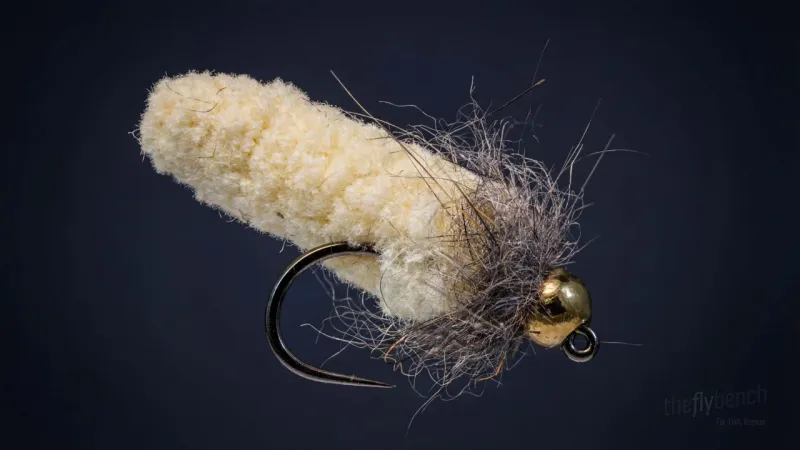
Euro NymphsEgan's GTi Caddis
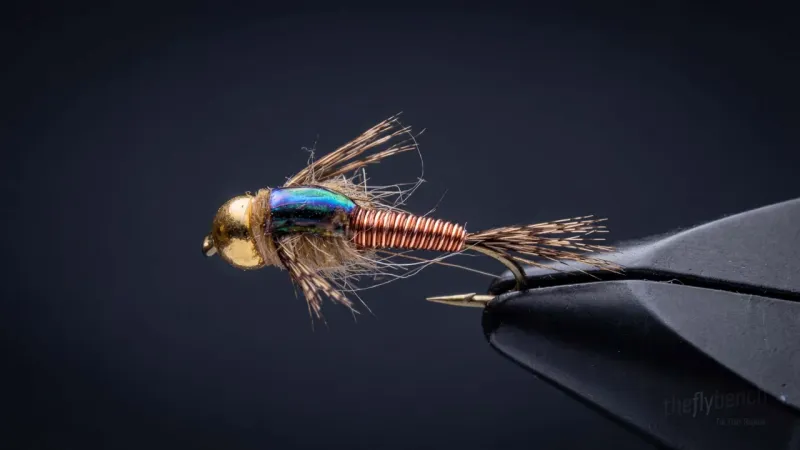
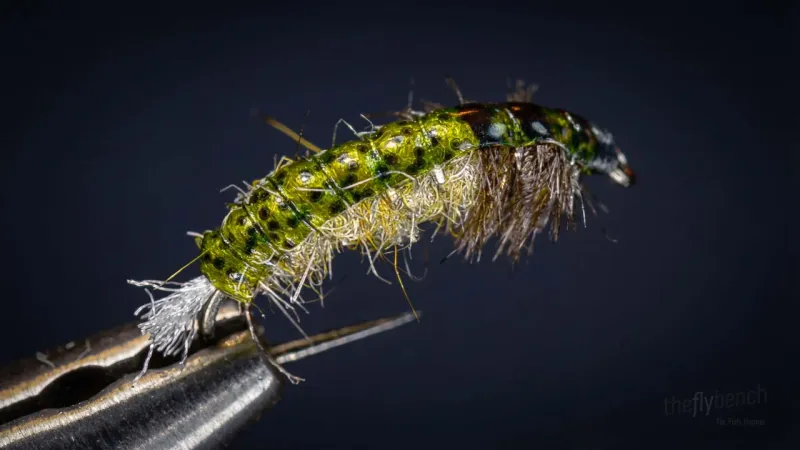
Lance Egan's GTi Caddis is a sleek, fast-sinking caddis larva imitation designed for Euro nymphing. The caddis green Ice Dub body perfectly mimics the translucent appearance of caddis larvae, while the peacock thorax and partridge collar add movement and attraction. Named after the sporty VW Golf GTi for its quick performance in the water.
Spring, Summer, Fall
Intermediate
Trout
Dec 2025
Overview
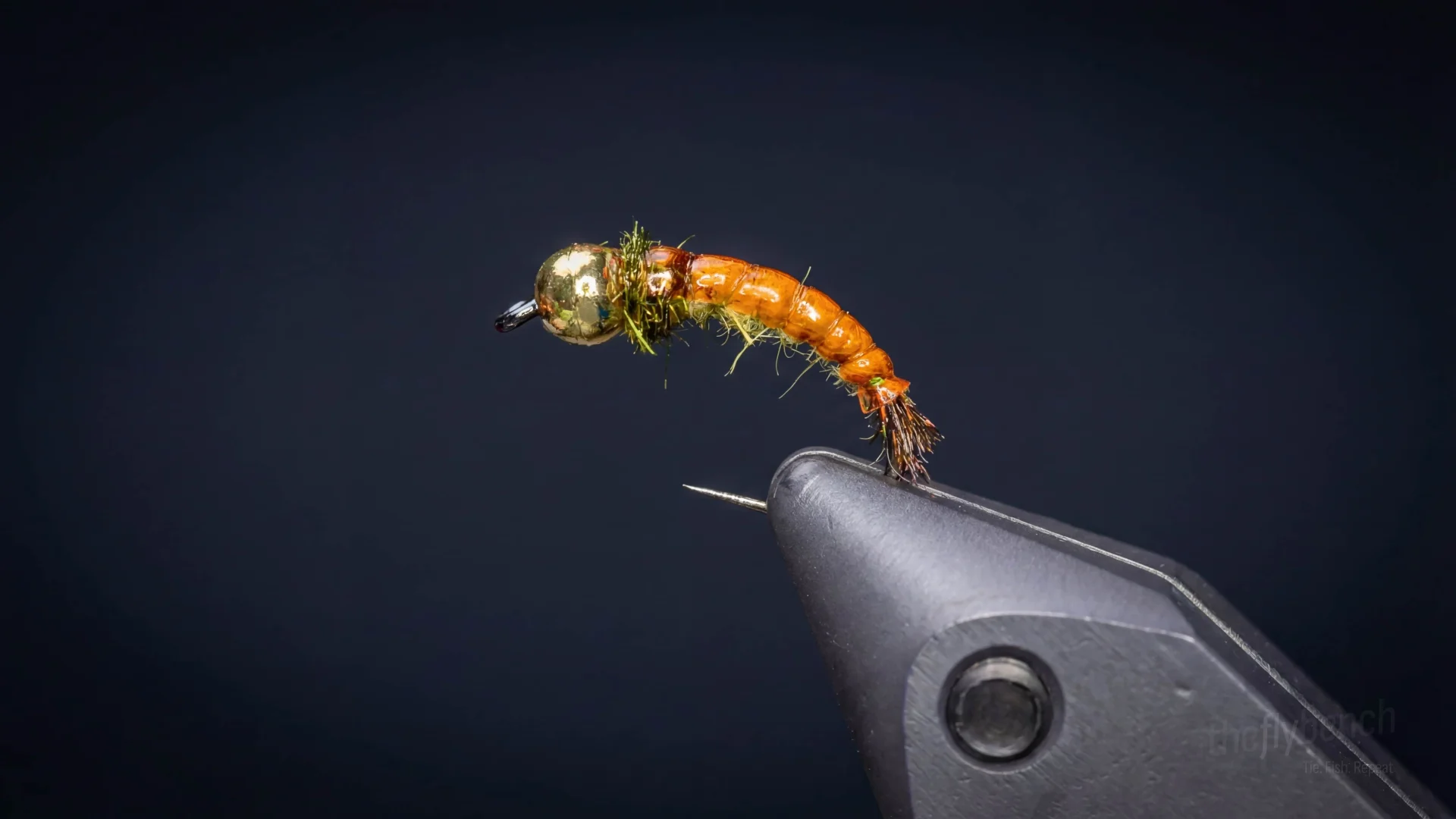
Developed by Lance Egan, a multiple-time USA Fly Fishing Team member, this pattern is designed for speed and effectiveness in competitive Euro nymphing. The name references the Volkswagen Golf GTi, suggesting a fast, sporty approach to fishing. The caddis green Ice Dub creates a realistic, buggy translucence that caddis larvae exhibit. The gold wire rib adds durability and segmentation while the partridge collar provides lifelike movement in current.
Materials
Hook: Hanak H 400 BL Jig Hook - 14
Thread: UTC Ultrathread 70 Denier - Olive
Bead: Hanak Round+ Slotted Tungsten Beads - 3.5mm - Black Nickel
Body: Ice Dub - Caddis Green
Rib: UTC Ultra Wire - Gold - Brassie
Collar: Partridge feather - natural
Thorax: Peacock Ice Dub
Behavior & Presentation
Natural Behavior: Caddis larvae cling to substrate in protective cases, grazing on algae and detritus in moderate to fast currents. Fish target dislodged larvae tumbling helplessly after storms or during increased flow, capitalizing on their year-round availability and high protein content.
Where Trout Eat It: Trout feed near bottom in runs and pocket water, intercepting larvae tumbling through feeding zones.
How to Fish It: Use tight-line euro techniques with high-stick methods, allowing the jig hook to bounce naturally along bottom.
Best Water: Work runs and riffles along rocky bottom structures, targeting pocket water where caddis concentrate.
Strike Type: Feel for subtle ticks or sighter pauses as fish mouth the tumbling larva.
Fishing Strategy
Rigging Suggestions: Fish on 9-12 foot Euro nymphing leader with 4X-5X fluorocarbon tippet. Use as point fly in a two-fly rig with lighter pattern as dropper, or fish alone for maximum depth.
Seasonal Timing: through fall when caddis larvae are active, typically March through October. Best during pre-hatch periods when larvae are dislodged and drifting in the current.
Pro Tips: Sinks quickly due to 3.5mm tungsten bead, reaching depths of 3-5 feet efficiently. The jig hook design causes the fly to bounce and tumble naturally along the bottom.
Entomology
Caddisfly larvae construct protective cases from sand grains, pebbles, and organic debris, clinging to substrate in moderate to fast currents while grazing on algae and detritus. Their high protein content and year-round availability make them a dietary staple for trout, especially in tailwaters where populations reach extraordinary densities. Fish target dislodged larvae tumbling helplessly in the current after storms or during periods of increased flow.
- Order
- Trichoptera
- Common Name
- Caddisfly
- Organism Type
- insect
- Life Stage
- larva