NymphBuckskin
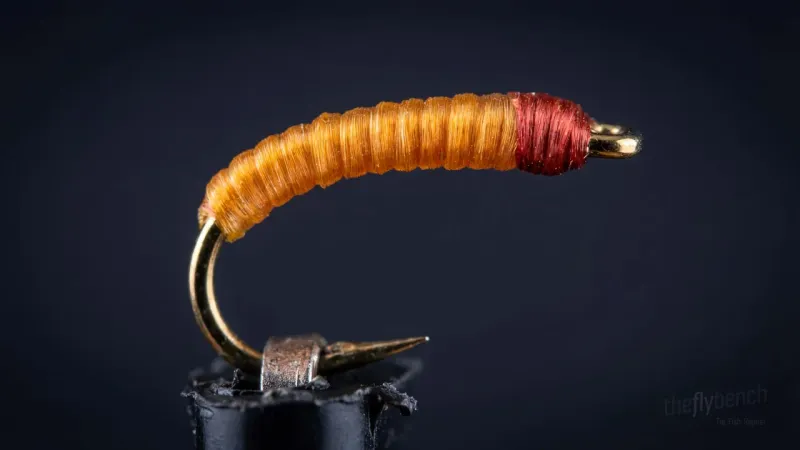
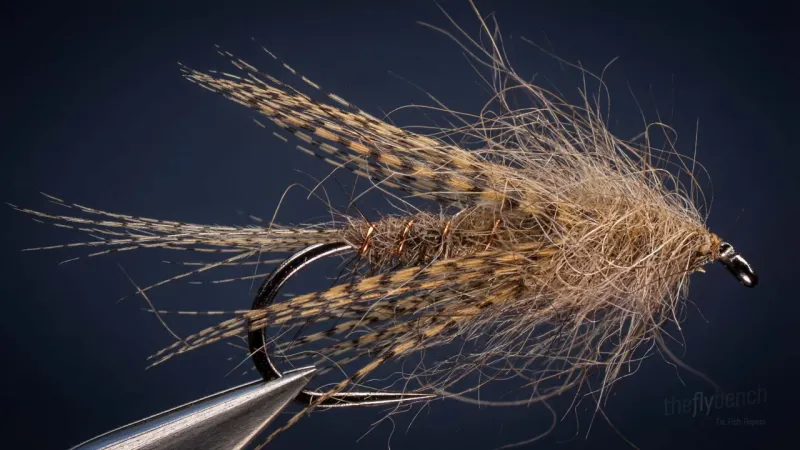
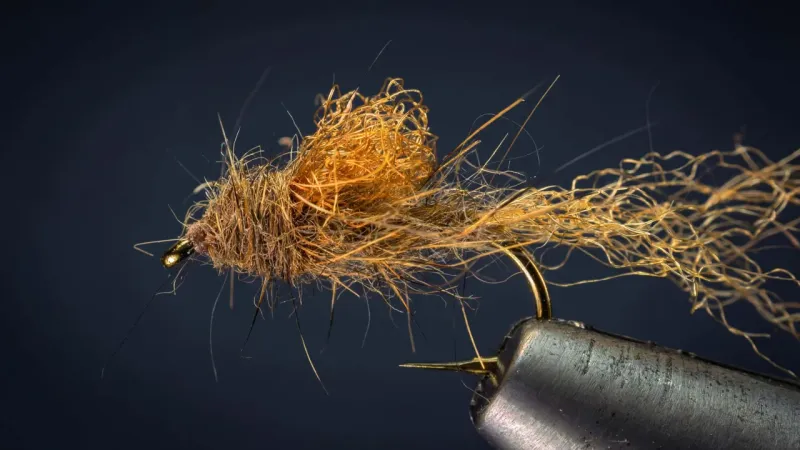
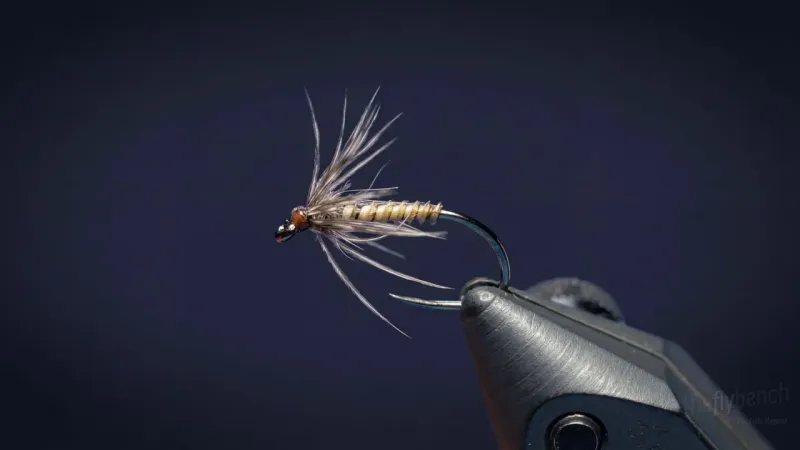
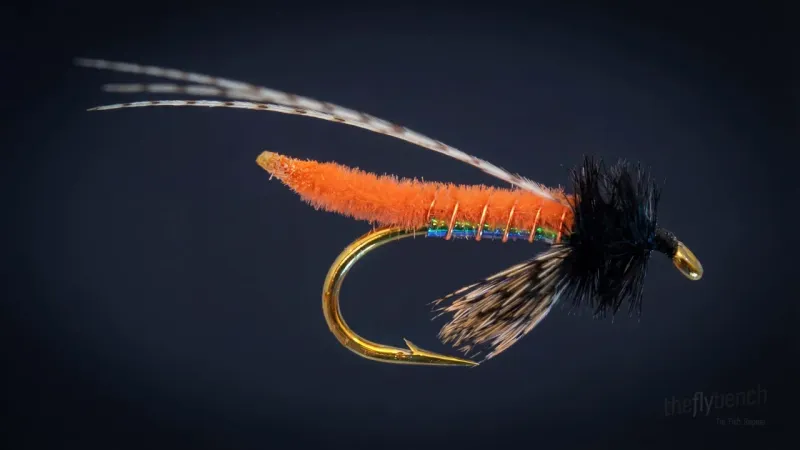
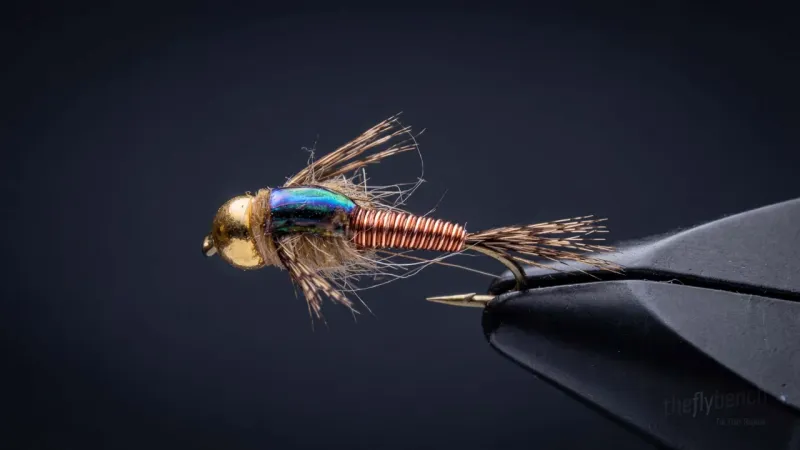
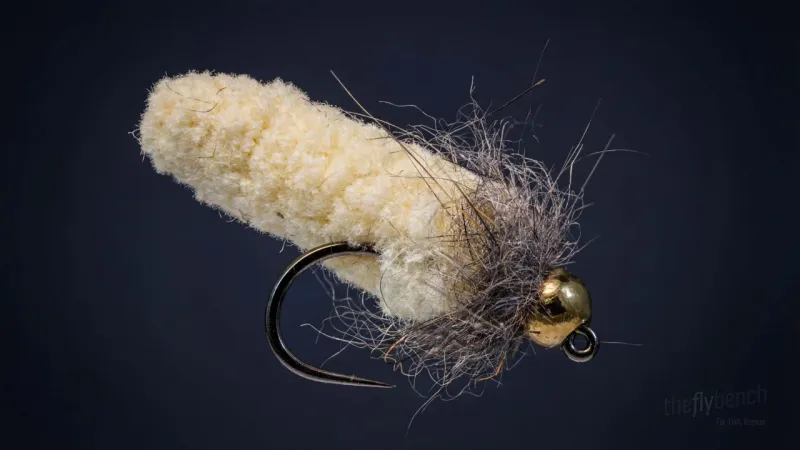
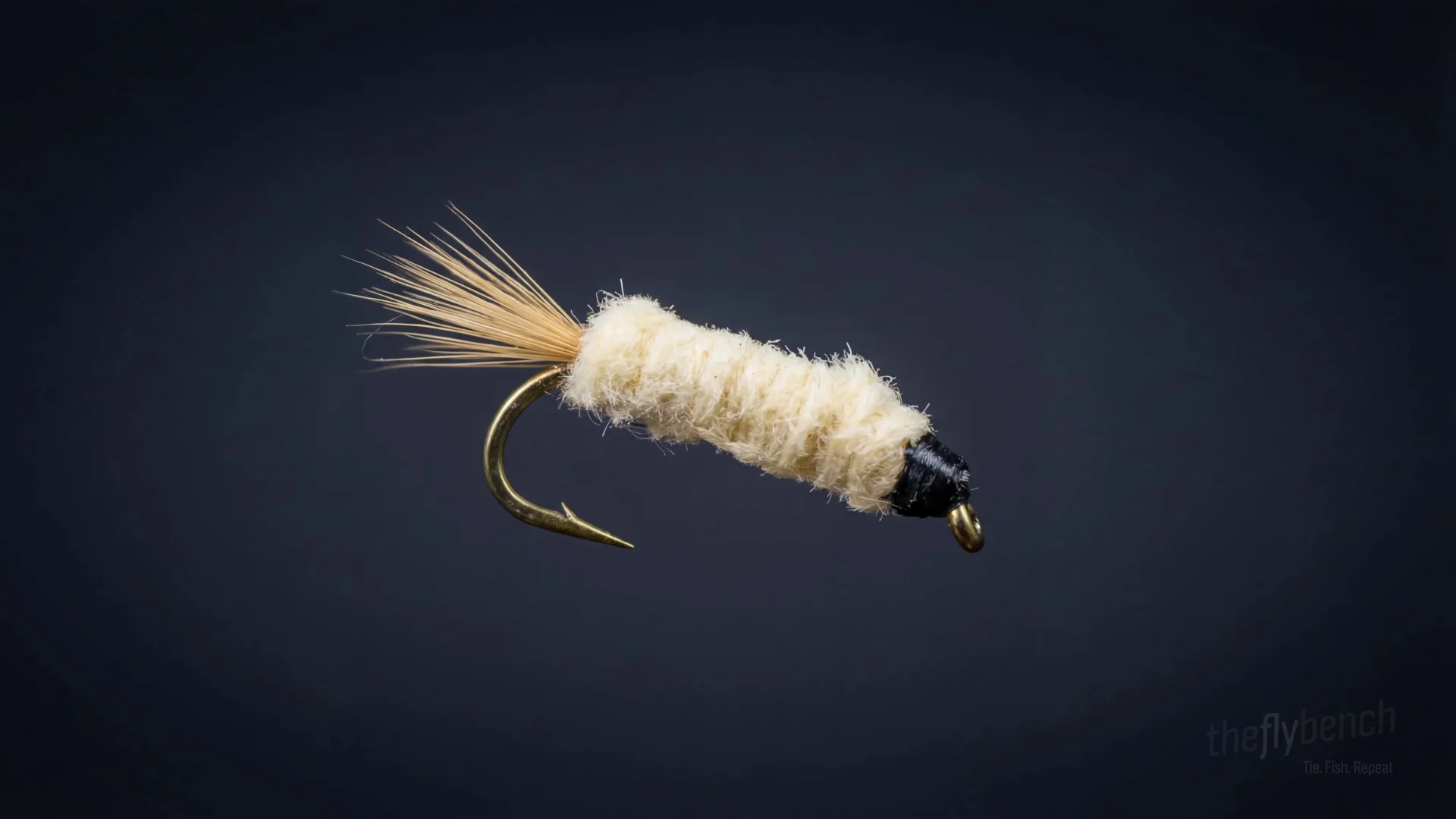
The Buckskin is a simple but effective nymph pattern that imitates a caddis larva. Its tan body made from stripped deer hide is what gives this fly its name and mimics the natural caddis larva coloration.
Year Round
Beginner
Trout
Apr 2025
Overview
The Buckskin is a versatile pattern that can be tied in various sizes to match the local caddis population. It's a great option for beginners due to its simplicity, yet its effectiveness makes it a staple in the box of many seasoned anglers.
Where to Buy This Fly
We only link to fly shops we trust. Some links are referral links, which may earn us a commission at no extra cost to you.
Materials
- Hook:
- #16-22 Tiemco 100
- Thread:
- Black UTC 70 Denier
- Tail:
- Brown Hen Hackle
- Body:
- Thin chamois strip
Behavior & Presentation
Natural Behavior: Cased larvae construct portable shelters from substrate materials, moving deliberately while grazing, extending from their protective cases to feed but retracting when threatened.
Where Trout Eat It: Fish crunch through protective cases to access soft-bodied larvae, particularly in streams with abundant case-building substrate.
How to Fish It: Dead drift along the bottom with occasional tumbling action to imitate dislodged cases rolling in current.
Best Water: Target gravel runs, riffle edges, pocket water, and current breaks where cased caddis concentrate during foraging movements.
Strike Type: Solid takes as fish commit to crunching through cases, often feeling like decisive grabs requiring firm hooksets.
Fishing Strategy
Rigging Suggestions: Can be used as the lead fly in a tandem nymph rig, or as a dropper off a dry fly when fish are feeding near the surface.
Seasonal Timing: year-round When caddis larva are present, which is typically year-round in many fisheries.
Pro Tips: The Buckskin is designed to sink and stay near the bottom, where caddis larvae are commonly found. Its natural coloration makes it blend in, enticing wary trout.
Entomology
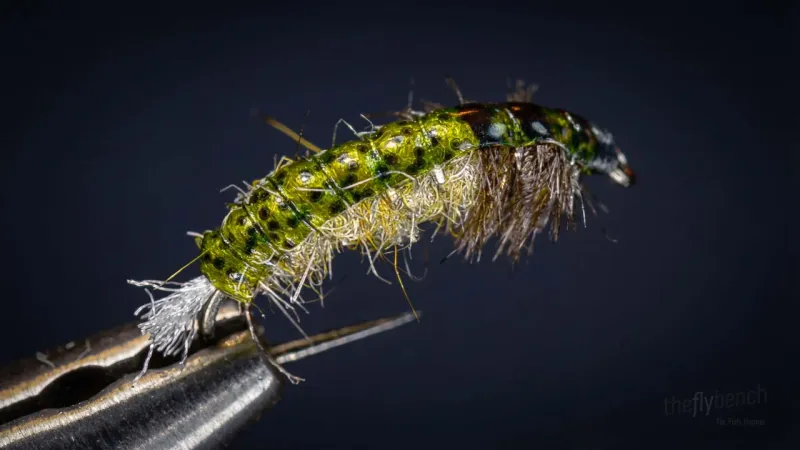
Cased caddis larvae construct portable shelters from sand grains, small pebbles, or organic material, moving deliberately across substrates while grazing on periphyton and detritus. The larvae extend their heads and legs from the case to feed and locomote, but can retract completely when threatened. Trout learn to crunch through these protective cases to access the soft-bodied larvae inside, making cased caddis an important dietary component in streams with abundant substrate material for case construction.
- Order
- Trichoptera
- Common Name
- Caddisfly
- Organism Type
- insect
- Life Stage
- larva