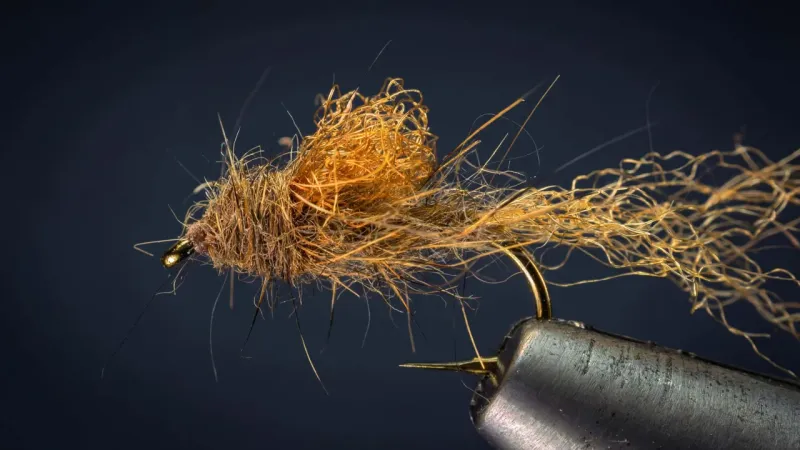
NymphCarabou Caddis
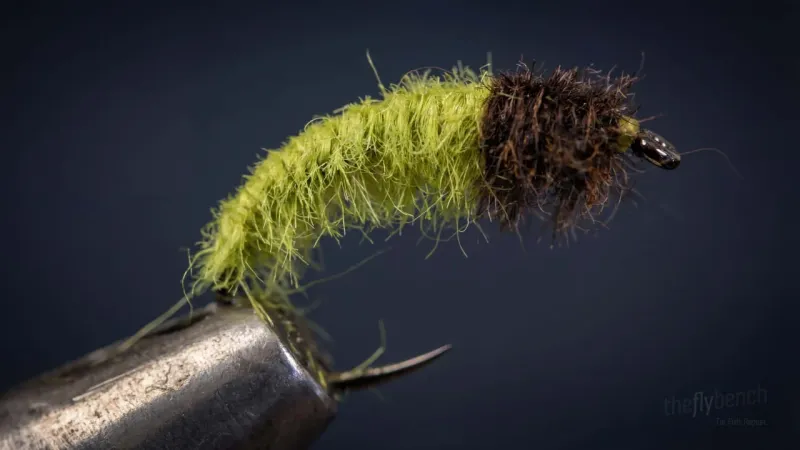
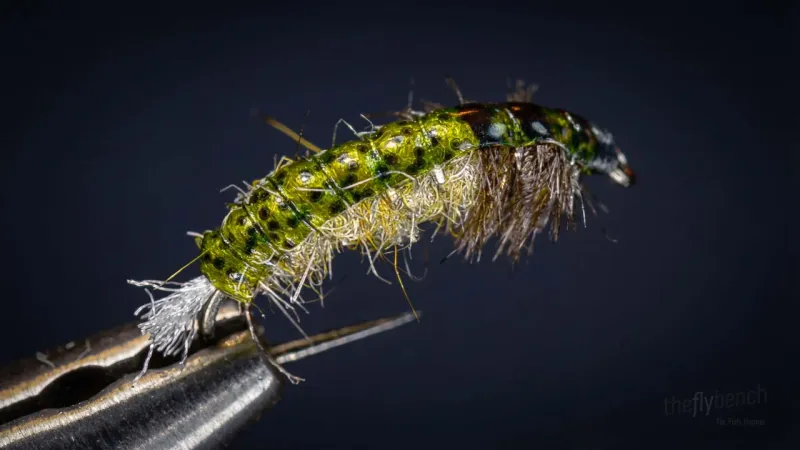
The Carabou Caddis is a versatile and effective caddis larva imitation. Its body is made of caribou hair, which gives a lifelike, translucent look underwater. This pattern can be fished in a variety of ways, making it a valuable addition to any angler's fly box.
Spring, Summer, Fall
Intermediate
Trout
Apr 2025
Overview
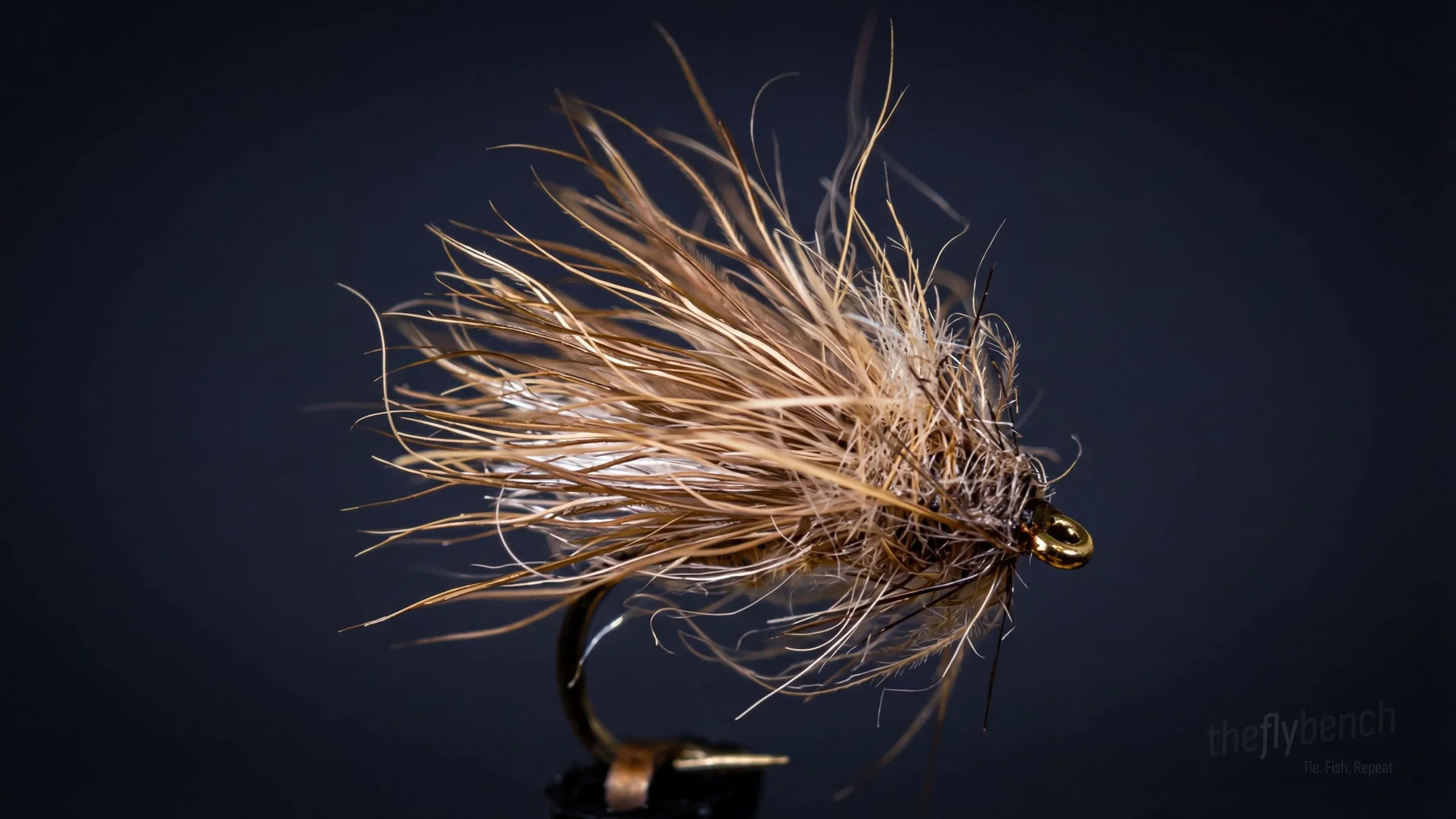
This adult caddis imitation uses carabou hair (a soft variant of marabou or deer) for the wing, giving it a slightly wavy profile with more subtle motion than traditional elk hair. The body is typically dubbed and may include ribbing. Great for low-riding caddis patterns where movement and soft presentation matter.
Where to Buy This Fly
We only link to fly shops we trust. Some links are referral links, which may earn us a commission at no extra cost to you.
Materials
- Hook:
- Tiemco 3769, size #12–#16
- Thread:
- Olive UTC 70 denier
- Body:
- Caribou hair
- Ribbing:
- Small gold wire
- Head:
- Peacock herl
Behavior & Presentation
Natural Behavior: Net-spinning larvae anchor to rocks in current seams, constructing fixed silk nets to filter drifting particles, but become vulnerable when high flows tear away nets or they abandon damaged sites.
Where Trout Eat It: Fish consume these dislodged larvae opportunistically when feeding along the bottom near productive net-building habitat where they're locally abundant.
How to Fish It: Dead drift along the bottom through current seams, imitating larvae tumbling after dislodgement from their anchored positions.
Best Water: Target current seams, riffle edges, pocket water, and structure where net-builders concentrate and become vulnerable during flow changes.
Strike Type: Bottom takes feeling like weight or resistance as fish pick larvae during drift-feeding along substrate.
Fishing Strategy
Rigging Suggestions: Use 5X-6X tippet with a small split shot 8-12 inches above the fly to reach 2-5 foot depths in faster currents. In deeper water, add additional weight or use in a tandem rig.
Seasonal Timing: Most productive from April through October when caddis larvae are active, with peak effectiveness during May-September. Water temperatures of 48-65°F provide optimal conditions for larval activity.
Pro Tips: The caribou hair provides natural buoyancy, causing the fly to sink slowly and hover near the bottom—exactly how dislodged larvae behave. Match local larva colors with olive, tan, or cream variations.
Entomology
Net-spinning caddis larvae anchor themselves to rocks in current seams where they construct fixed silk nets to filter drifting organic particles and microinvertebrates from the flow. These sedentary larvae remain attached to their feeding structures but become vulnerable when high flows tear away their nets or when they abandon damaged sites to relocate. Trout feeding along the bottom consume these larvae opportunistically when they become dislodged, as their sessile lifestyle makes them locally abundant near productive net-building habitat.
- Order
- Trichoptera
- Common Name
- Caddisfly
- Organism Type
- insect
- Life Stage
- larva