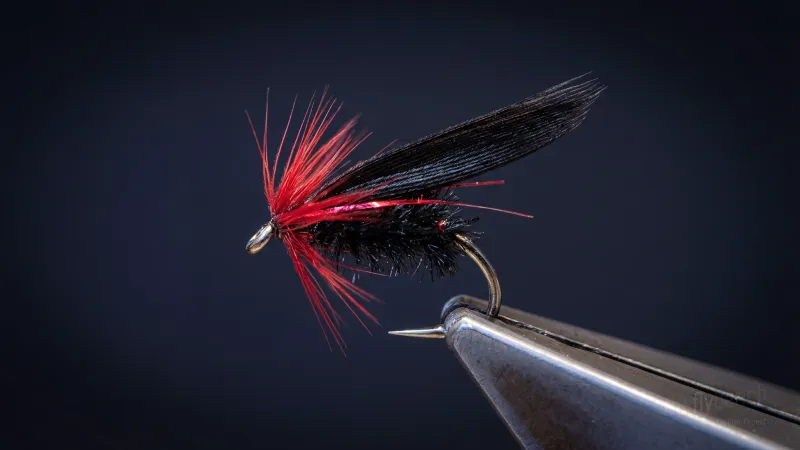
Dry FliesSerendipity Variant
The Serendipity Variant is a dry fly pattern designed by Wally Lutz. This effective pattern combines traditional materials with proven techniques for consistent results in a variety of water conditions.
Spring, Summer, Fall
Beginner
Trout
Feb 2026
Overview
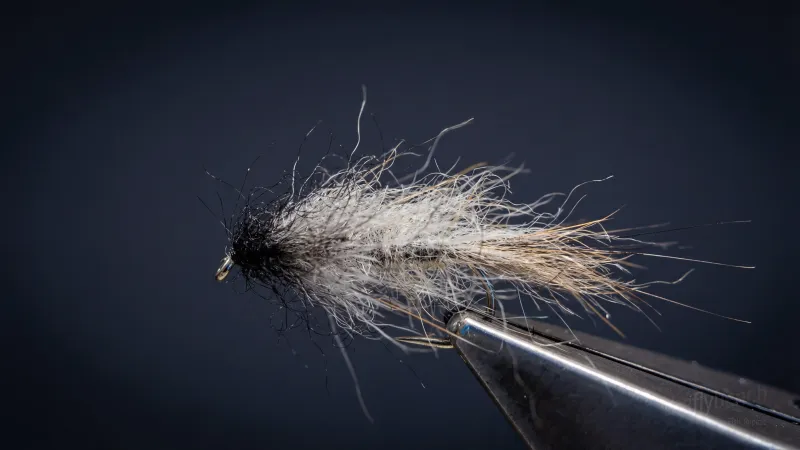
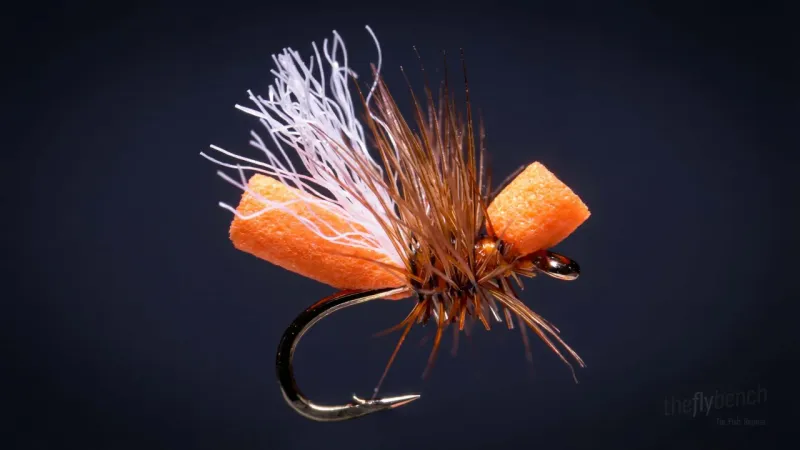
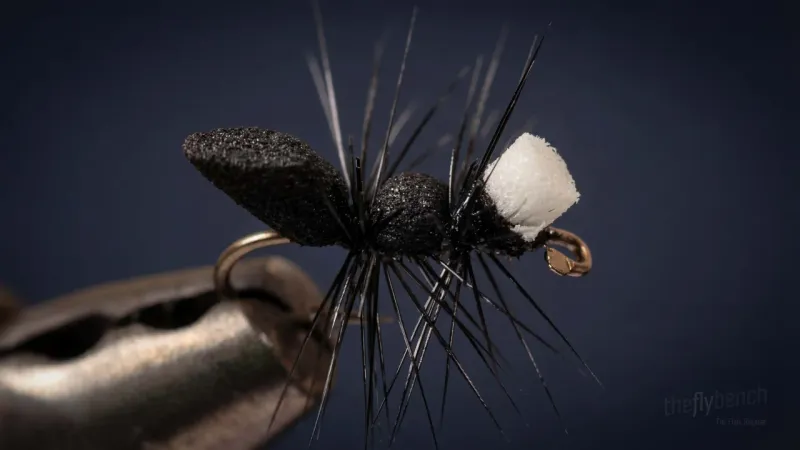
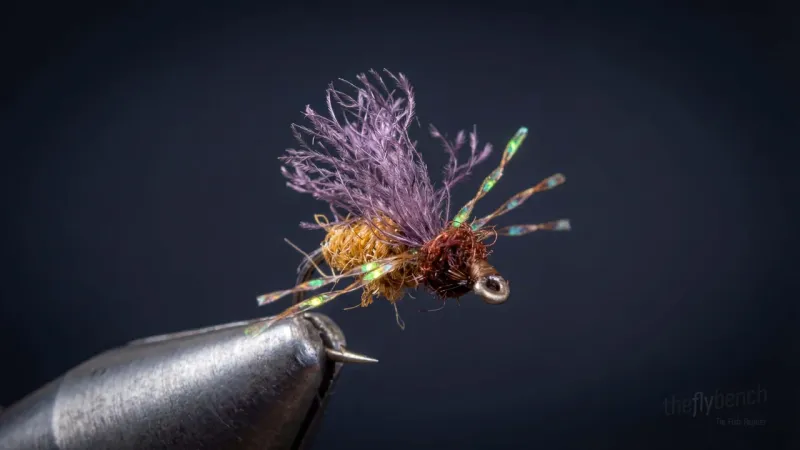
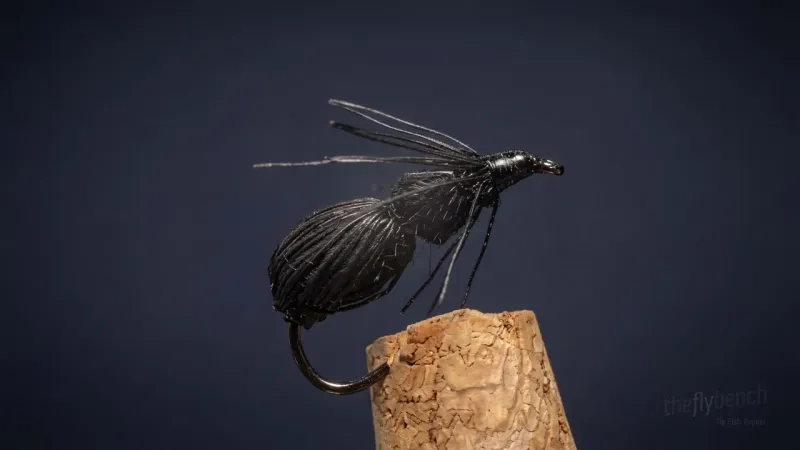
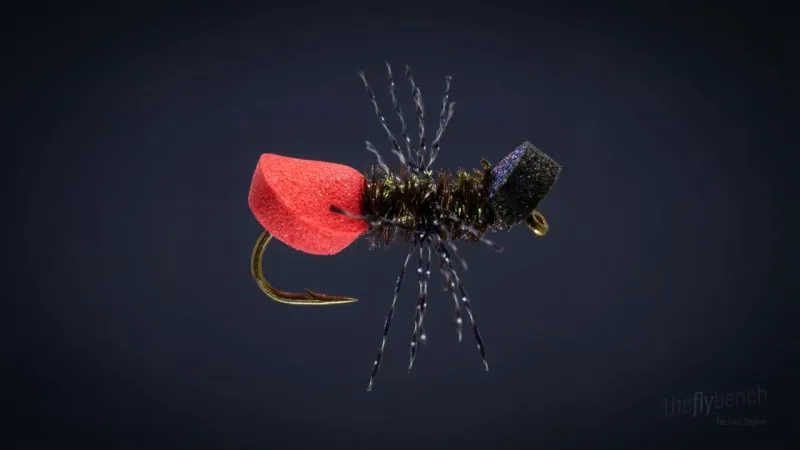
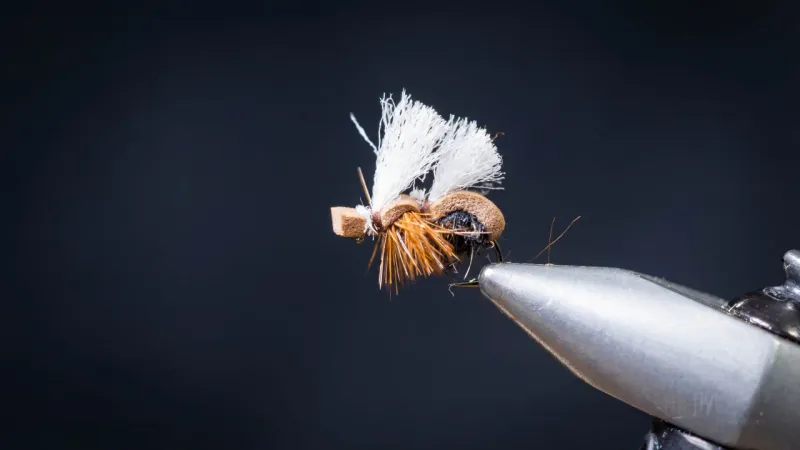
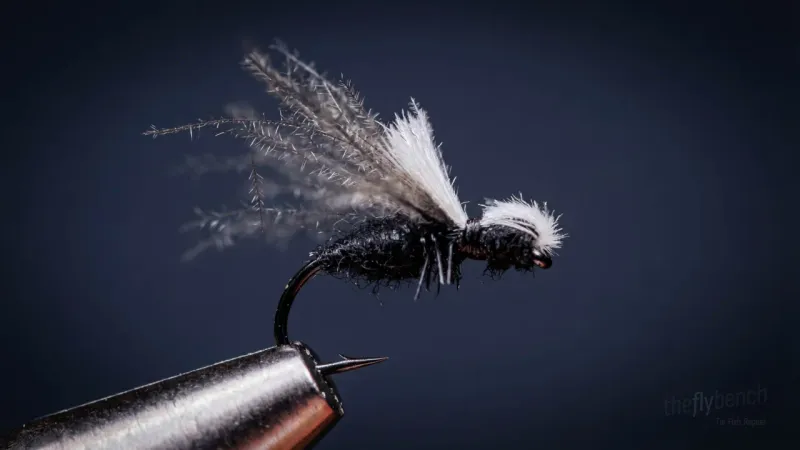
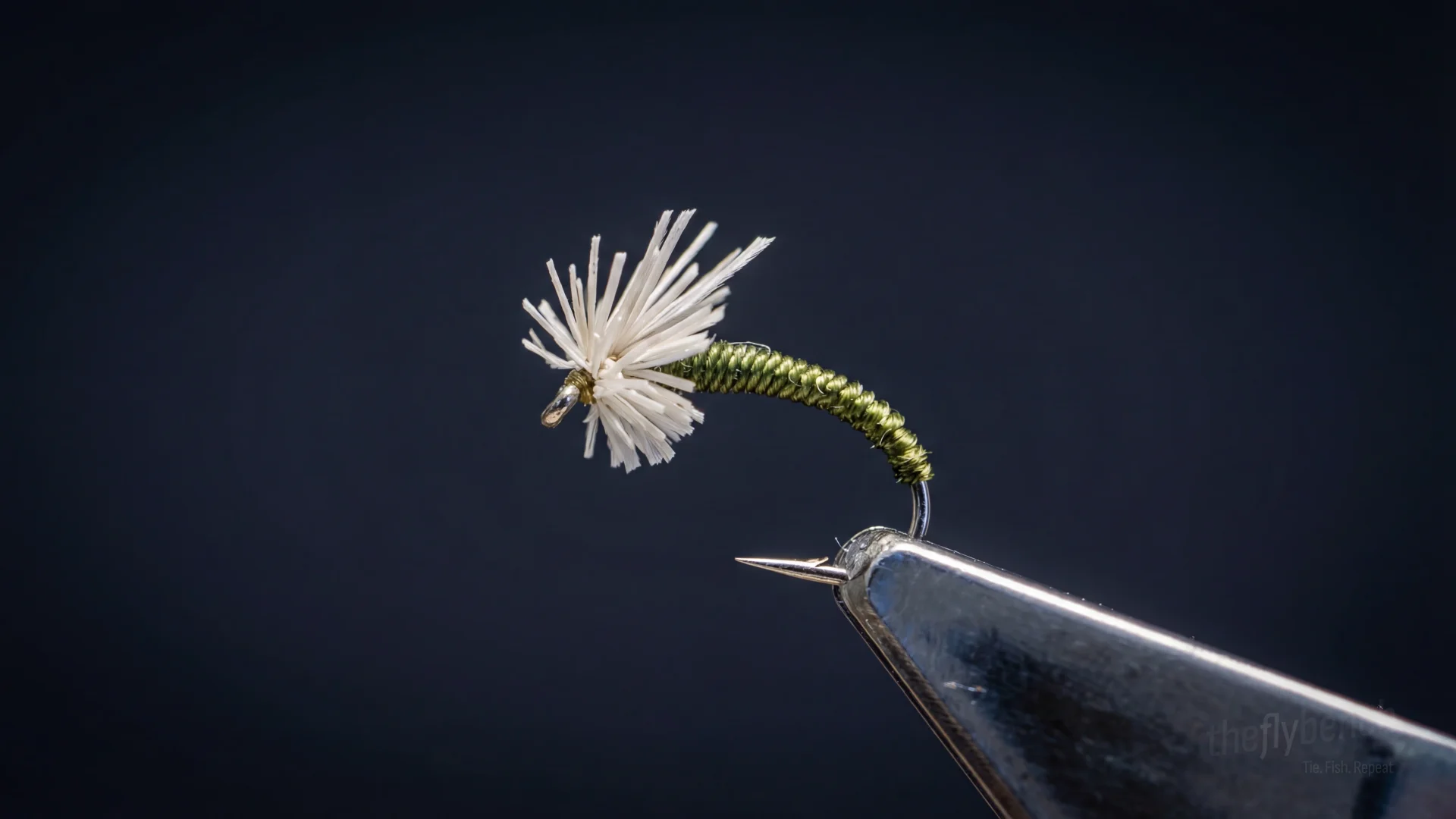
Designed by Wally Lutz, this variant builds on the original Serendipity concept with refined proportions and material choices. The dubbed body creates a buggy profile that works well for small terrestrials and emergers. Deer hair wing provides excellent visibility and flotation while the sparse hackle gives a delicate footprint on the surface. Particularly effective during ant falls and when fish are selective to small profile naturals.
Where to Buy This Fly
We only link to fly shops we trust. Some links are referral links, which may earn us a commission at no extra cost to you.
Materials
- Hook:
- Tiemco 2487 #14-22 (or equivalent light wire scud hook)
- Thread:
- Dun 8/0
- Body:
- Antron yarn, twisted tight
- Head:
- Spun deer hair, clipped to shape
Behavior & Presentation
Natural Behavior: When ants hit the water they often collect in groups, creating easy multi-insect meals for lazy feeders. Anglers fish low-profile ant patterns because trout sip these clusters without expending energy chasing single insects.
Where Trout Eat It: Fish sip clustered ants from the surface film along grassy banks, meadow streams, forested edges, and near shoreline structure in lakes.
How to Fish It: Dead drift with minimal movement, allowing the low-profile design to sit flush in surface film like natural ants. Occasional subtle twitches trigger strikes from selective feeders.
Best Water: Target grassy banks, undercut banks, weed edges, drop-offs near shore, and shoals where ants naturally fall from overhanging vegetation.
Strike Type: Watch for subtle takes and gentle rises as fish feed delicately on low-riding ants with minimal surface disturbance.
Fishing Strategy
Rigging Suggestions: Fish on a 9-12ft 4X-5X tippet (5-6 pound test). Apply minimal floatant to keep the fly riding in or just below the surface film, imitating a drowned or struggling ant.
Seasonal Timing: Most productive late June through October when terrestrial ants are most active and commonly fall into waterways, with peak effectiveness during hot summer months (July-August) and early fall when ant activity is highest along stream banks because this aligns with peak terrestrial season. Most effective during midday when ants are active and during windy conditions that blow terrestrials onto the water.
Pro Tips: The variant design incorporates materials that enhance visibility and buoyancy compared to traditional ant patterns. Size 14-18 covers most natural ant sizes. Fish tight to banks and undercut areas where ants naturally fall from vegetation. Excellent searching pattern when no visible hatch is occurring.
Entomology
Winged ants cluster together on the surface after landing, forming small rafts of multiple individuals that fish can consume in a single rise. These aggregations present concentrated nutrition that makes the feeding efficiency far greater than pursuing scattered single insects.
- Order
- Hymenoptera
- Family
- Formicidae
- Common Name
- Ant
- Organism Type
- terrestrial
- Life Stage
- adult