Dry FliesShimazaki CDC Ant
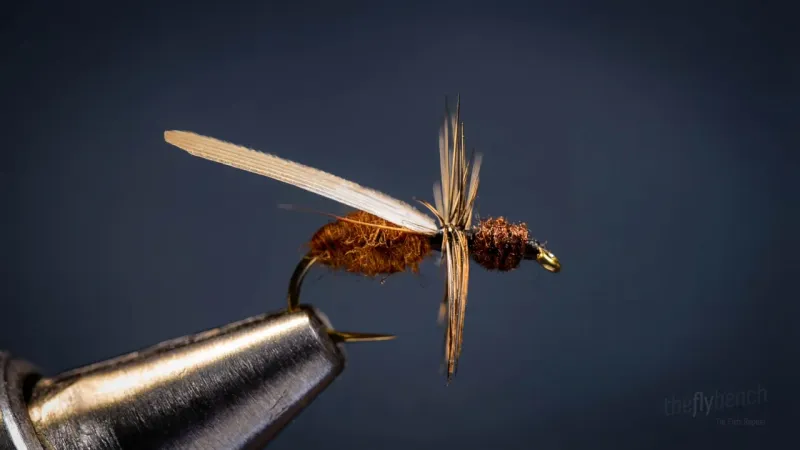
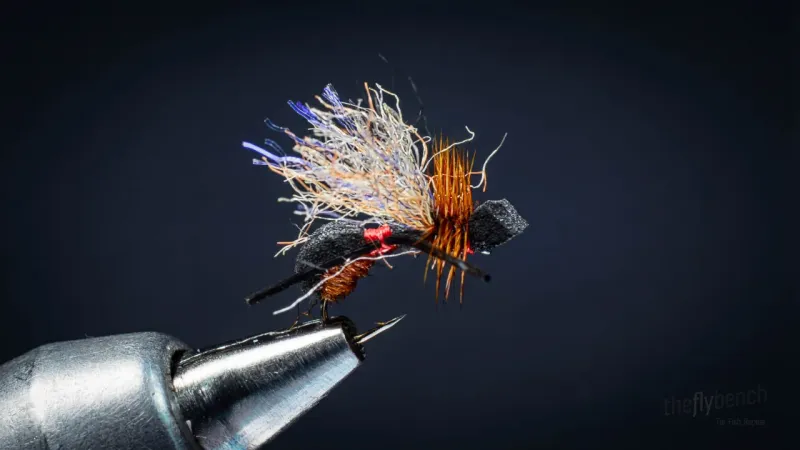
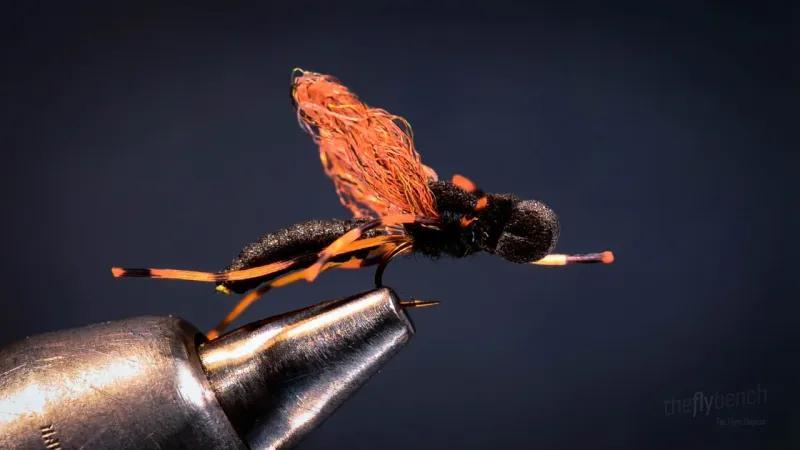
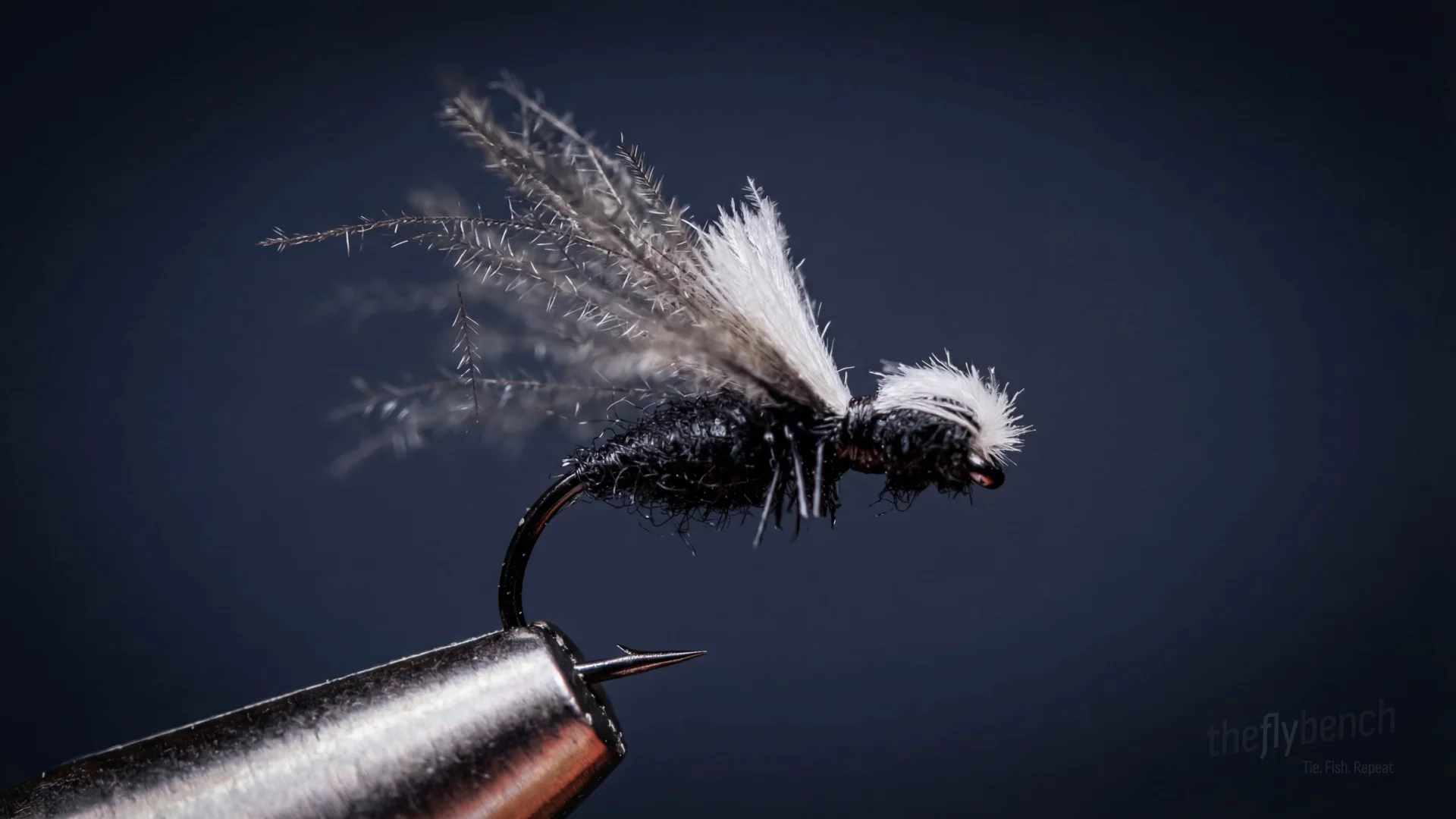
The Shimazaki CDC Ant is an elegant terrestrial pattern that uses CDC feathers to create a realistic, low-riding ant imitation with excellent flotation. This pattern features a black superfine dubbing abdomen and head separated by a sparse black hackle collar that suggests legs, with a wing of mixed dun and white CDC feathers that provides both flotation and the subtle wing impression of a flying ant. The design creates a naturalistic profile that sits properly in the surface film.
Summer, Fall
Intermediate
Trout
Dec 2025
Overview
This Shimazaki pattern from Charlie's Fly Box represents a sophisticated approach to ant imitation that emphasizes the natural properties of CDC. The pattern is named after legendary Japanese tier Masami Shimazaki, known for innovative CDC techniques. The construction creates the distinctive segmented body shape of natural ants - a bulbous abdomen, narrow waist (created by the hackle), and rounded head. The mixed dun and white CDC creates a subtle, natural-looking wing that also provides flotation without the bulk of traditional wing materials. The black hackle is wrapped sparsely and then trimmed on top and bottom, leaving fibers extending horizontally to suggest the splayed legs of a struggling ant. This trimming technique is key to achieving the proper low-riding profile.
Materials
Hook: Tiemco 100, #14-16
Thread: UNI 6/0, black
Abdomen: Superfine Dubbing, black
Thorax/Legs: Rooster Neck Hackle, black
Wing: CDC, dun and white
Head: Superfine Dubbing, black
Behavior & Presentation
Natural Behavior: Terrestrial ants tumble from overhanging branches and grasses, becoming trapped in surface tension with their segmented bodies visible from below. Fish recognize these protein-rich windfalls as consistent warm-weather food sources worth patrolling banks to intercept.
Where Trout Eat It: Fish take ants along grassy banks, beneath overhanging trees, and in foam lines where currents concentrate these terrestrials. Lakes and streams near vegetation both produce.
How to Fish It: Cast tight to banks and let the fly sit motionless for 10-20 seconds before subtle twitches. Dead drift through foam lines and eddies where wind collects terrestrials.
Best Water: Target foam lines where wind gathers insects, undercut banks with overhanging grass, calm eddies at tail-outs, and bank edges near terrestrial cover.
Strike Type: Expect confident rises or gentle sips as fish inspect the low-riding profile before committing.
Fishing Strategy
Rigging Suggestions: Fish on a 12-foot leader tapering to 5X-6X fluorocarbon tippet. The CDC provides natural flotation - avoid paste floatants that can mat the CDC fibers. Use a desiccant powder if needed to restore flotation.
Seasonal Timing: Most effective during when ants are active and frequently end up on the water. Particularly productive during windy conditions that blow terrestrials onto the surface.
Pro Tips: The white CDC mixed with dun provides visibility for the angler while the overall CDC wing keeps the fly floating in the film. The pattern rides low like a natural ant, making it highly effective on selective fish.
Entomology
Ants float helplessly in the surface tension after falling from overhanging vegetation, their segmented bodies creating a distinctive profile. Fish feed opportunistically on terrestrial ants because summer winds and rainstorms deliver concentrated numbers of these nutritious insects directly into feeding lanes.
- Order
- Hymenoptera
- Family
- Formicidae
- Common Name
- Ant
- Organism Type
- terrestrial
- Life Stage
- adult