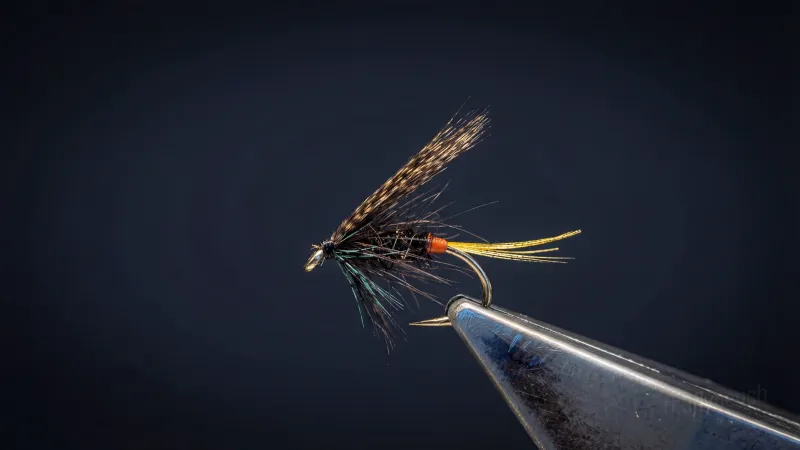
NymphSawyer Pheasant Tail Nymph
The Sawyer Pheasant Tail Nymph is a nymph pattern designed by Paul Slaney. This effective pattern combines traditional materials with proven techniques for consistent results in a variety of water conditions.
Spring, Summer, Fall
Intermediate
Trout
Feb 2026
Overview
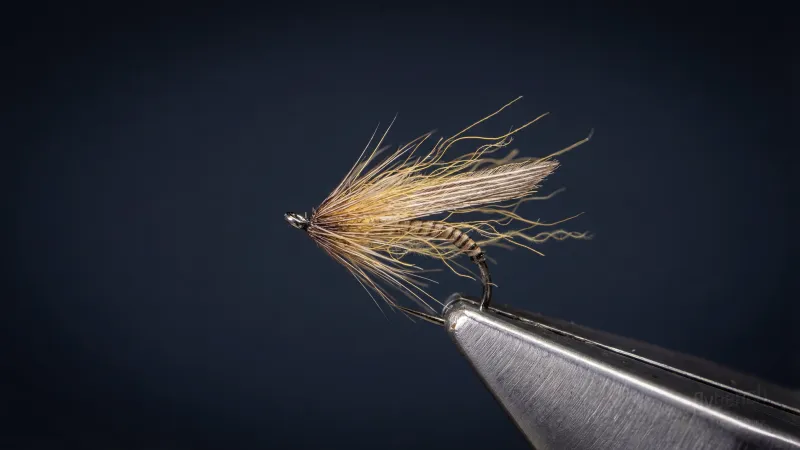
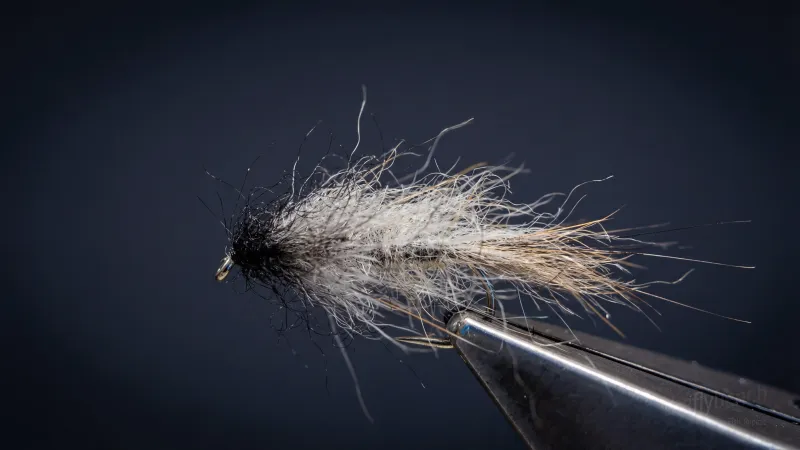
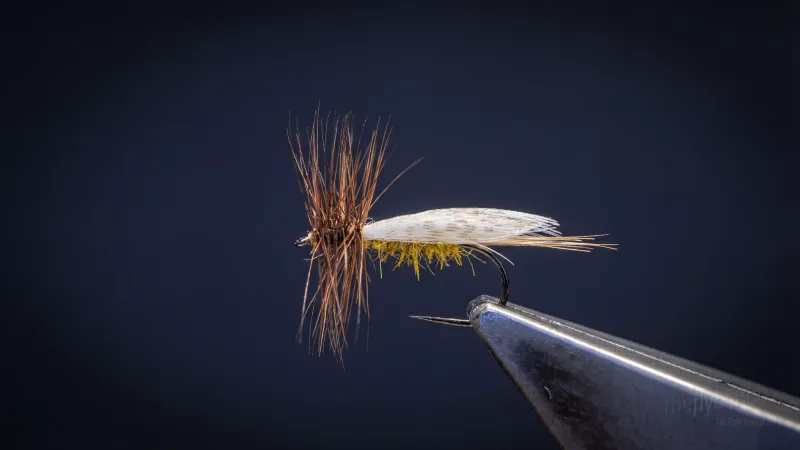
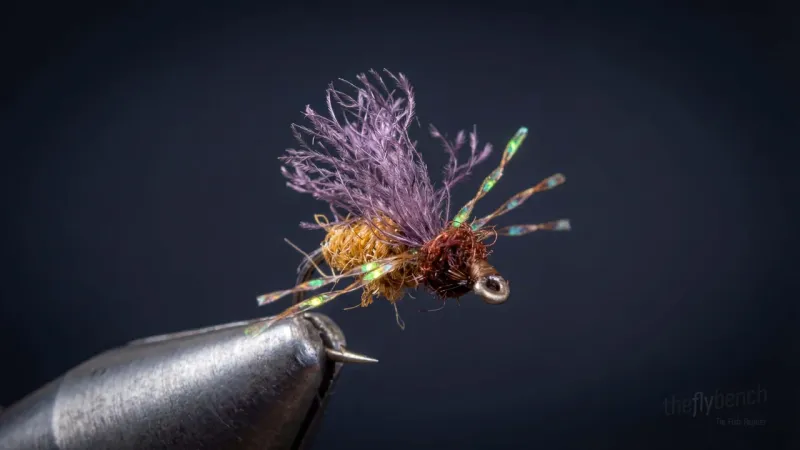
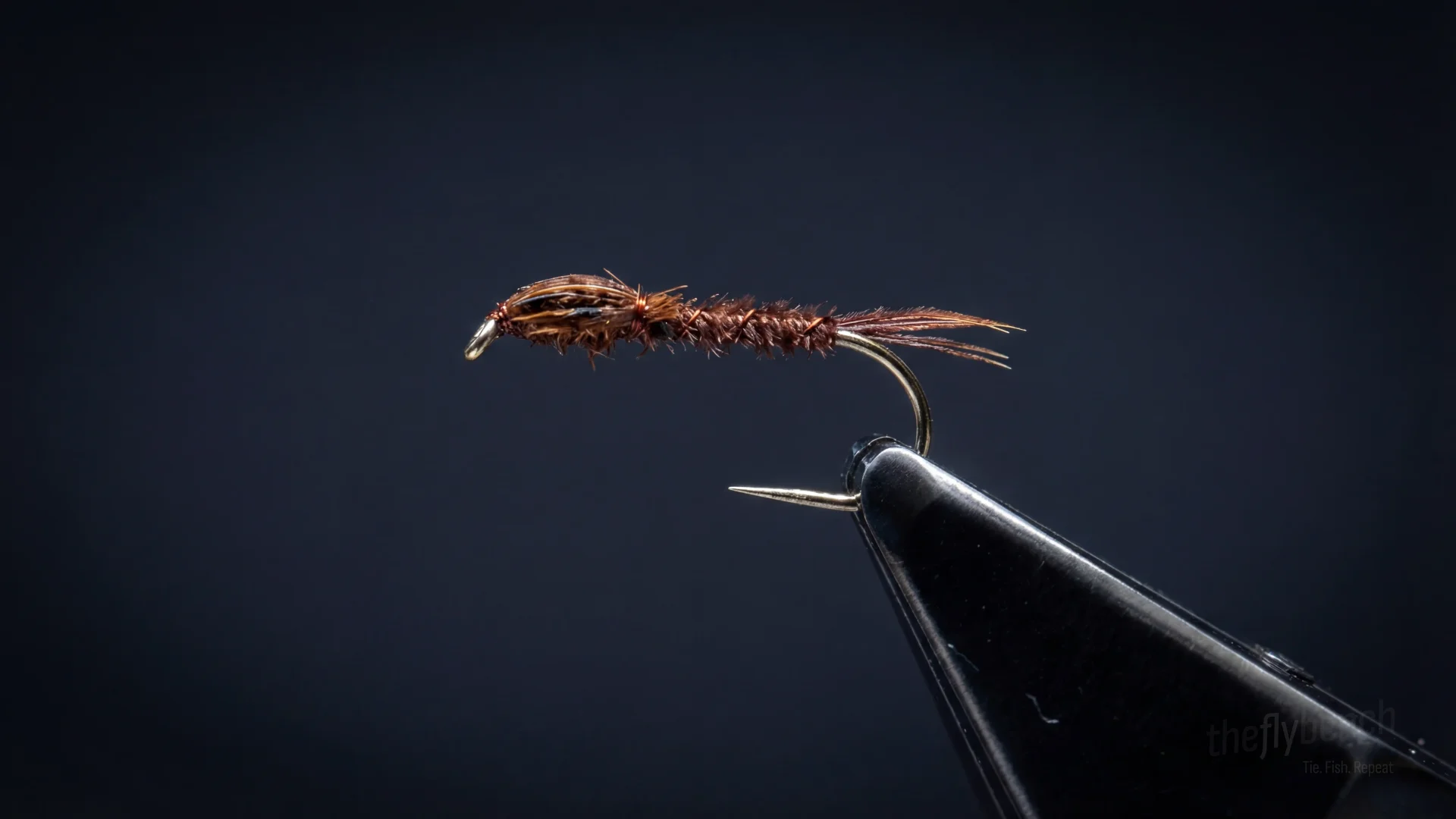
Paul Slaney's interpretation of the Frank Sawyer classic maintains the original's elegant simplicity while adding personal refinements. The pattern uses only copper wire and pheasant tail fibers, creating a slim profile that sinks quickly. The wire ribbing provides weight, segmentation, and durability. Natural pheasant tail coloration matches a wide range of mayfly nymphs. This minimalist approach produces a highly effective pattern for euro nymphing and tight-line techniques in clear water.
Where to Buy This Fly
We only link to fly shops we trust. Some links are referral links, which may earn us a commission at no extra cost to you.
Materials
- Hook:
- Mustad 96720
- Thread:
- Brown
- Tail:
- pheasant tail fibers
- Rib (optional):
- copper wire
- Body:
- pheasant tail fibers
- Wingcase:
- textured strip cut from a zip lock bag
- Thorax:
- peacock herl
Behavior & Presentation
Natural Behavior: Trout watch for the darting, jerky motion of nymphs swimming between rocks during feeding activity. Anglers fish slim, weighted nymphs because this quick movement triggers strikes from fish looking for easy calories.
Where Trout Eat It: Fish intercept swimming nymphs at mid-depth in freestone streams, tailwaters, spring creeks, and near drop-offs and weed beds in lakes.
How to Fish It: Dead drift at appropriate depth using high-stick or euro techniques. The wire body sinks quickly without added weight. Maintain tight contact to detect subtle takes.
Best Water: Target rocky substrates in moderate to fast current, gravel-bottom runs, pool tail-outs, and structure transitions where mayfly nymphs are abundant.
Strike Type: Watch for indicator dips, subtle line tightening, or brief hesitation in drift. Takes often feel like momentary resistance.
Fishing Strategy
Rigging Suggestions: Use a 9-12 foot leader with 4X-5X tippet. The copper wire body provides sufficient weight in many situations. Add micro shot if needed to reach deeper runs. Use strike indicators or tight-line techniques depending on water depth.
Seasonal Timing: Productive year-round with peak effectiveness from March through November. Particularly effective during mayfly emergences (April-June) and feeding periods (September-October) when trout feed heavily on nymphs.
Pro Tips: Frank Sawyer's original design uses no thread, only copper wire to build weight and shape. The sparse profile is highly effective on pressured fish. Sizes 12-18 cover most mayfly nymphs. This pattern's simplicity and effectiveness make it essential in any nymph box.
Entomology
Despite imitating ants in this entry, the Sawyer nymph represents swimming mayfly nymphs that pulse through midwater with undulating abdominal movements. Fish target these active swimmers because their motion stands out against static backgrounds and indicates healthy, protein-rich prey.
- Order
- Hymenoptera
- Family
- Formicidae
- Common Name
- Ant
- Organism Type
- terrestrial
- Life Stage
- general