Dry FliesHatching Olive Variant
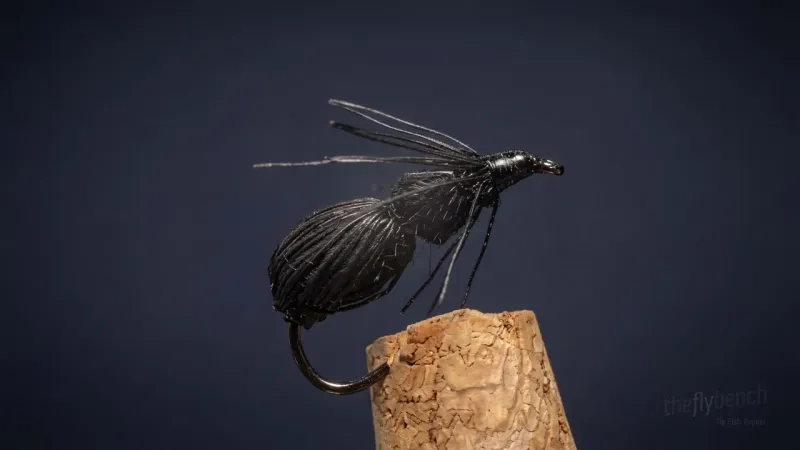
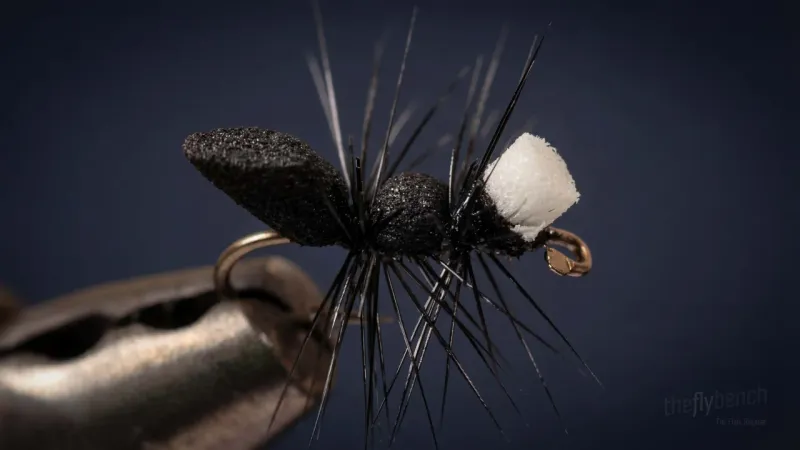
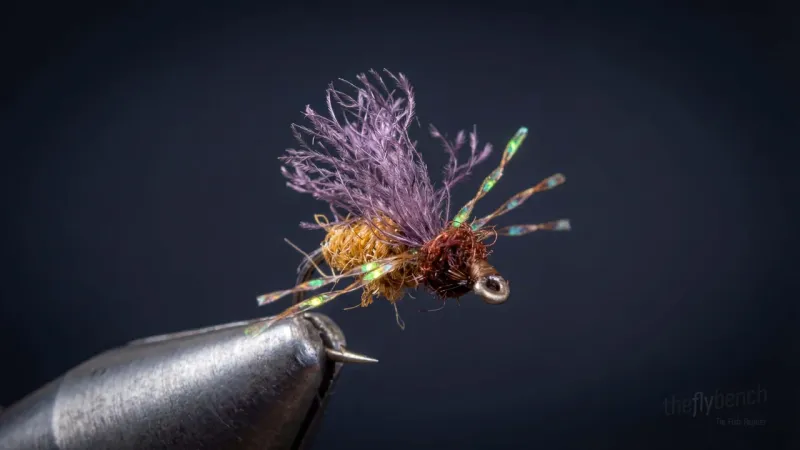
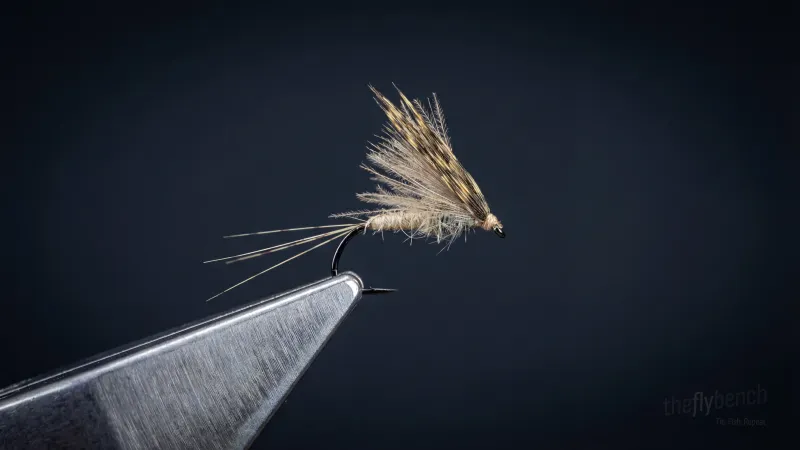
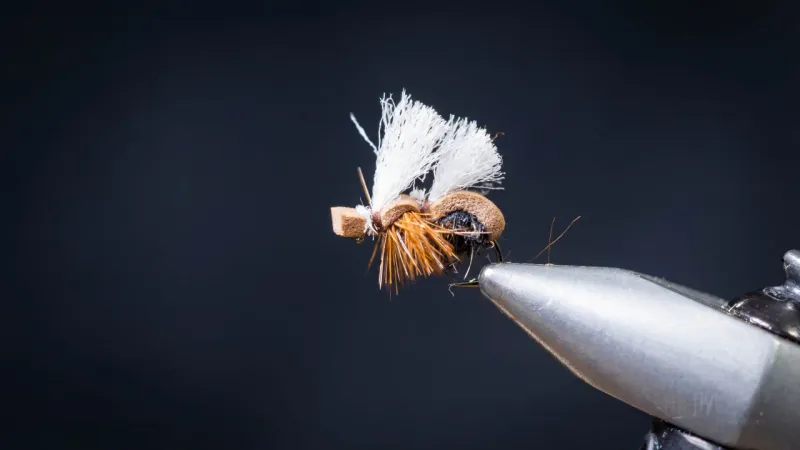
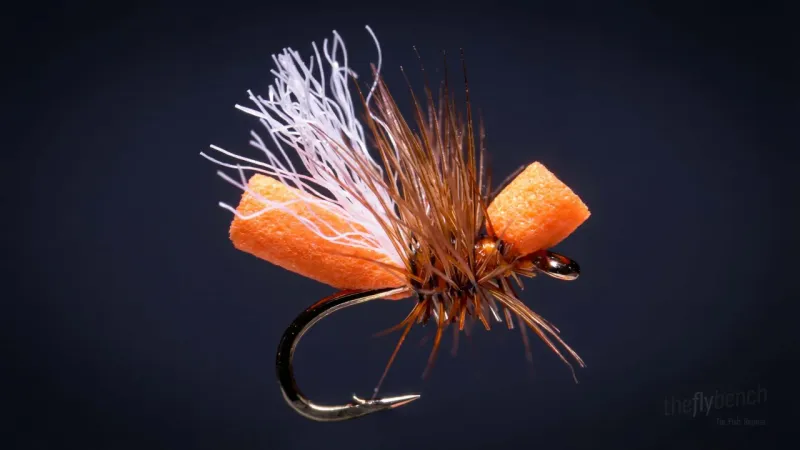
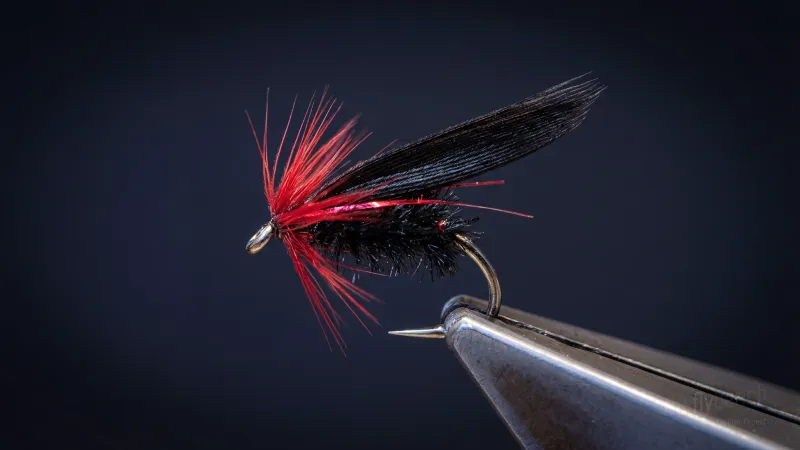
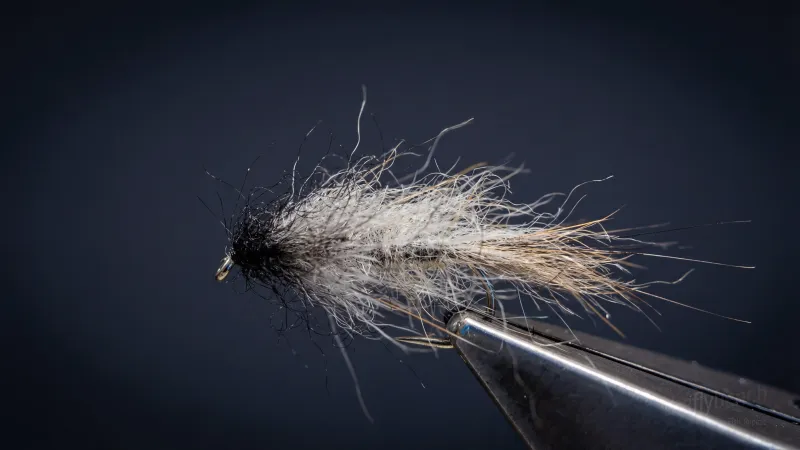
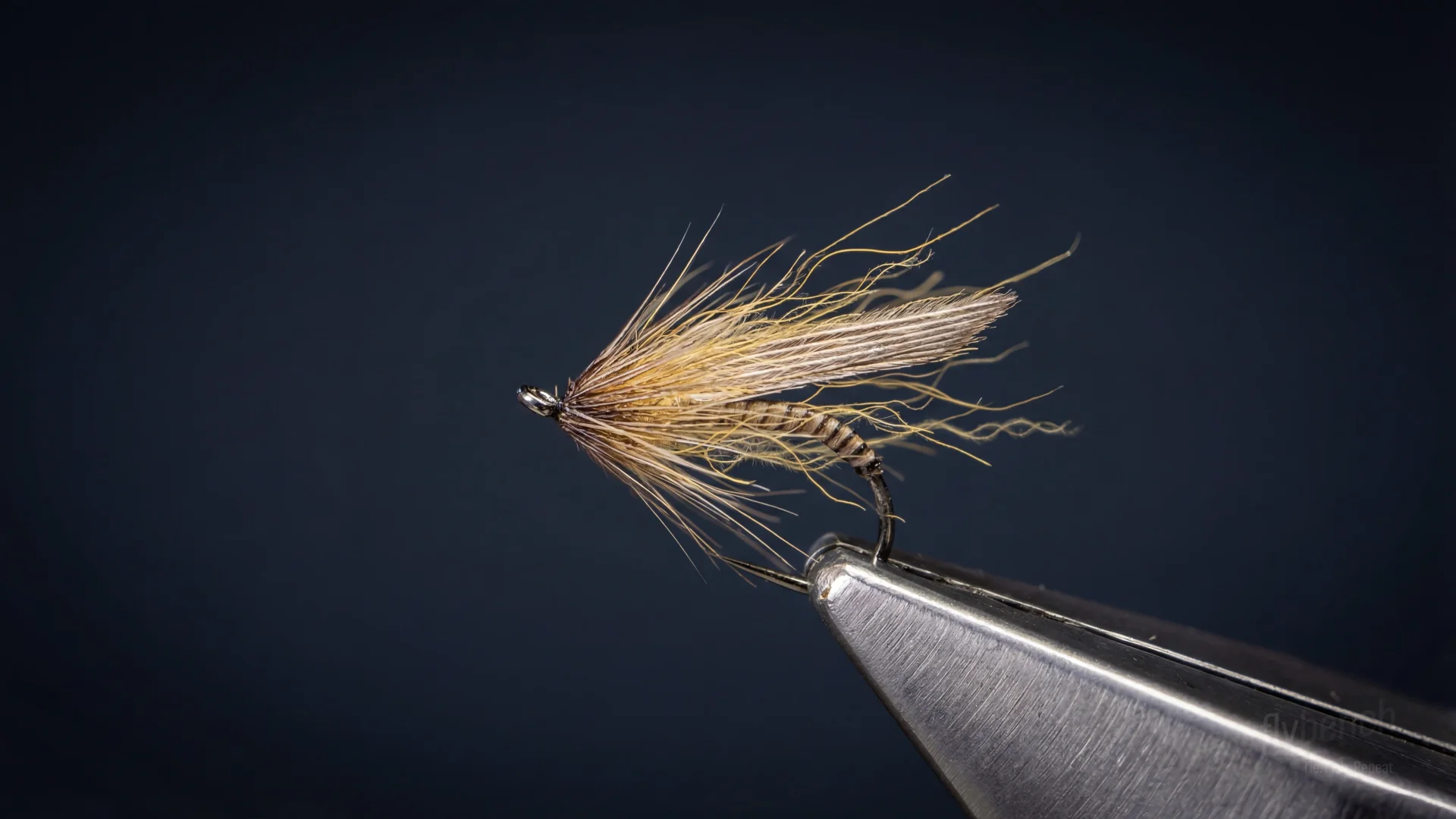
The Hatching Olive Variant is a dry fly pattern designed by Mary Dette. This effective pattern combines traditional materials with proven techniques for consistent results in a variety of water conditions.
Spring, Summer, Fall
Intermediate
Trout
Feb 2026
Overview
Mary Dette's design comes from the legendary Dette family of Catskills tyers, featuring the delicate proportions and quality materials characteristic of their work. The olive coloration and sparse hackle suggest emerging mayflies struggling in the surface film. The pattern's traditional Catskills construction emphasizes proper balance and floatation, making it effective on the technical tailwaters where the style originated.
Where to Buy This Fly
We only link to fly shops we trust. Some links are referral links, which may earn us a commission at no extra cost to you.
Materials
- Hook:
- 16
- Thread:
- Grey
- Tail:
- Brown hackle fibers
- Ribbing:
- Light olive silk
- Body:
- Green silk
- Wing:
- Grey mallard quill slips
- Hackle:
- Brown cock
Behavior & Presentation
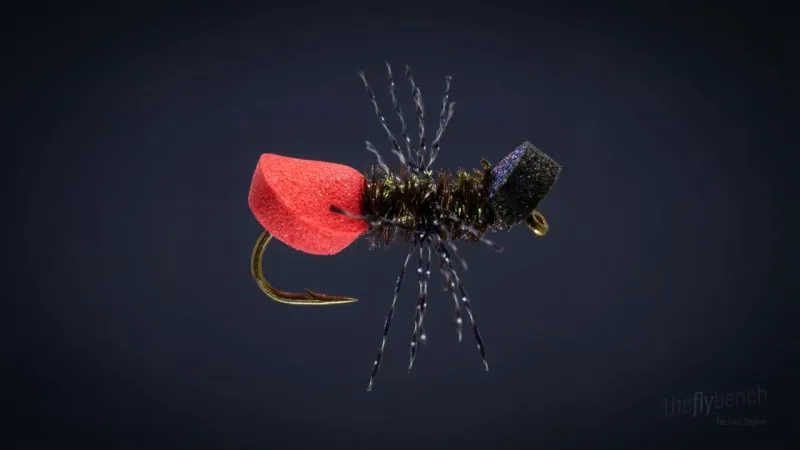
Natural Behavior: Ants march in organized columns near water's edge, occasionally tumbling into the current where they struggle helplessly while trapped by surface tension, their legs creating tiny disturbances. Fish target these terrestrial insects during warm-weather falloffs because ants provide concentrated protein sources that float motionless for extended periods, making them easy pickings for selective feeders.
Where Trout Eat It: Trout selectively sip small dark mayflies in Catskills tailwater eddies during cold-weather hatches when duns float extended distances.
How to Fish It: Extended drag-free drifts using Catskills technique with fine 5X tippet, allowing sparse olive pattern to float naturally.
Best Water: Target back eddies with circular drift patterns, slack water below undercuts, and foam lines near weed bed margins.
Strike Type: During extended Catskills-style drag-free drifts with fine 5X tippet, fish take with quiet sipping rises. Expect subtle surface dimples in back eddies and slack water below undercuts, rather than confident splashy takes.
Fishing Strategy
Rigging Suggestions: Use a 9-12 foot leader tapering to 5X tippet for delicate presentations. Apply floatant to the body and hackle.
Seasonal Timing: Most effective during peak feeding periods at dawn and dusk. Water temperatures between 45-65°F typically produce best results.
Pro Tips: The olive coloration matches Baetis species across different regions, making this a go-to pattern for technical spring and fall fishing. Fish it in tandem with a Baetis nymph as a dropper for covering multiple feeding zones simultaneously.
Entomology
Ants march in organized columns near water's edge, occasionally tumbling into the current where they struggle helplessly while trapped by surface tension, their legs creating tiny disturbances. Fish target these terrestrial insects during warm-weather falloffs because ants provide concentrated protein sources that float motionless for extended periods, making them easy pickings for selective feeders.
- Order
- Hymenoptera
- Family
- Formicidae
- Common Name
- Ant
- Organism Type
- terrestrial
- Life Stage
- adult