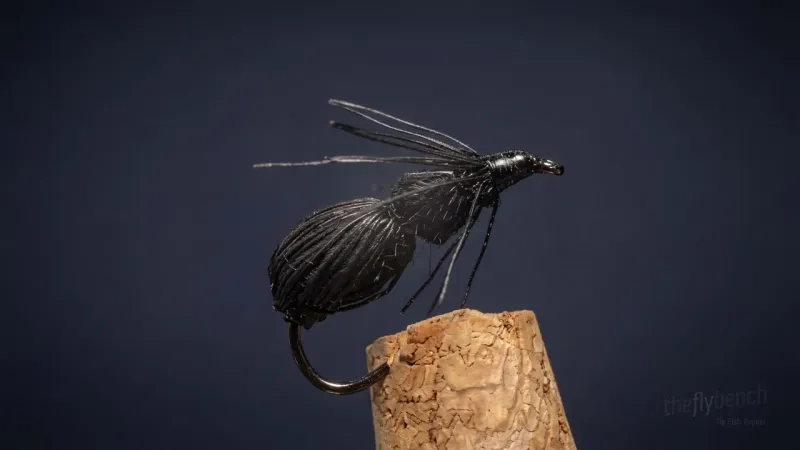
Dry FliesKate McLaren Variant
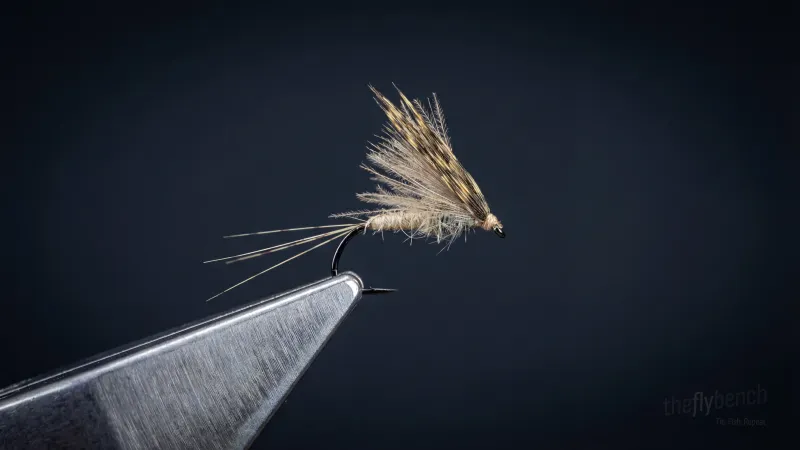
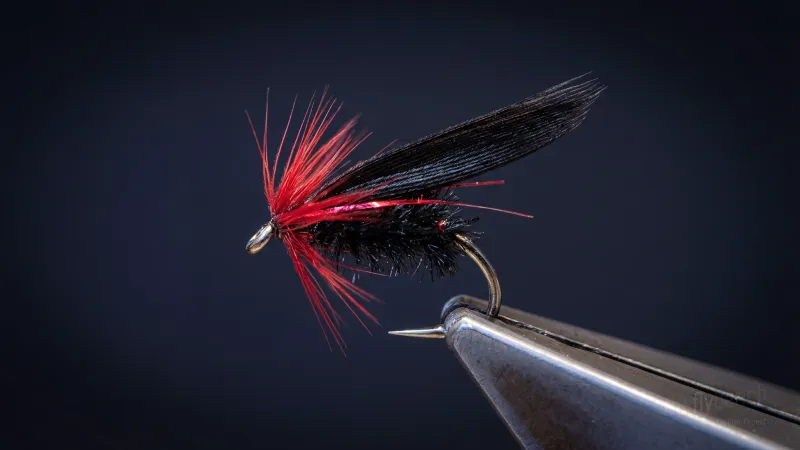
The Kate McLaren Variant is a dry fly pattern designed by Jax Murray. This effective pattern combines traditional materials with proven techniques for consistent results in a variety of water conditions.
Spring, Summer, Fall
Intermediate
Trout
Feb 2026
Overview
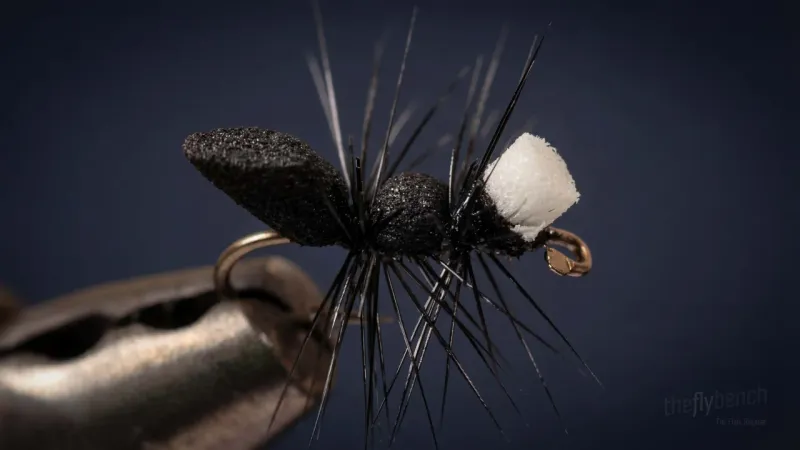
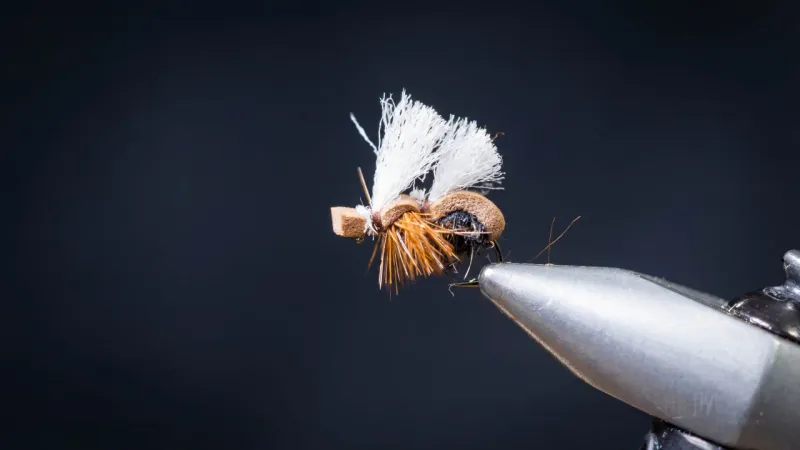
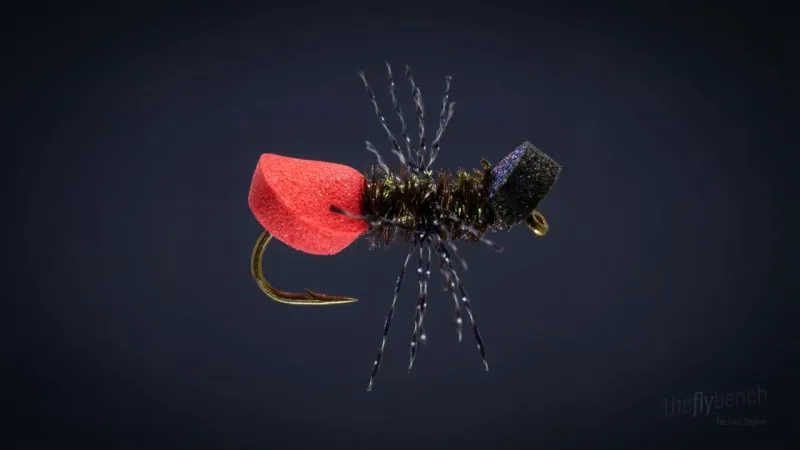
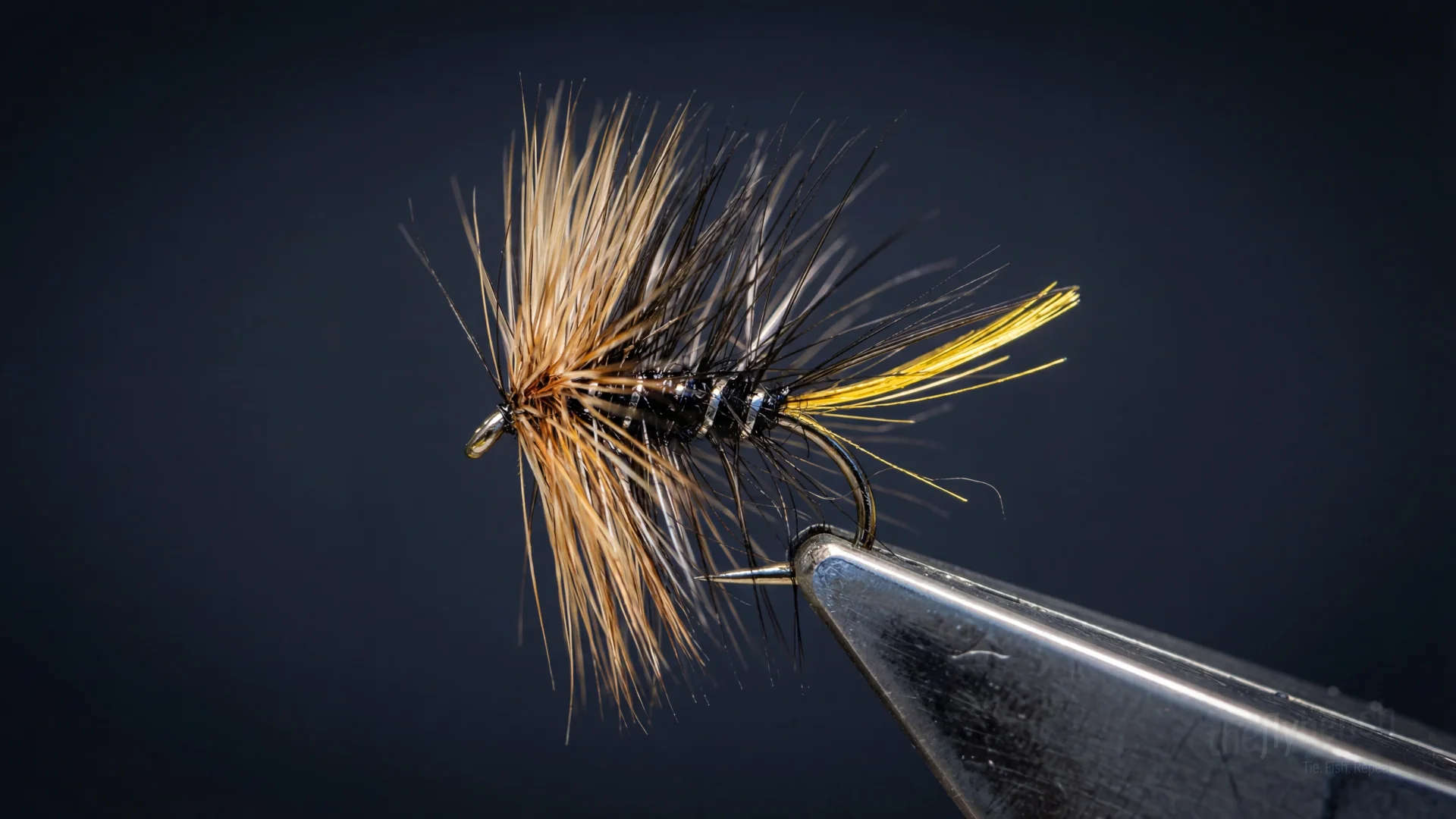
Jax Murray's modern take on a Scottish loch pattern, adapted here as an ant imitation. The variant style features oversize hackle for enhanced flotation and profile recognition. The pattern's contrasting body segments and careful proportioning create an accurate terrestrial silhouette. Particularly useful during summer and early fall when ants become important food sources near shoreline vegetation and streamside banks.
Where to Buy This Fly
We only link to fly shops we trust. Some links are referral links, which may earn us a commission at no extra cost to you.
Materials
- Hook:
- Kamasan 175B #12-14
- Thread:
- Black
- Tail:
- Golden pheasant crest
- Rib:
- Silver flat tinsel, fine
- Body hackle:
- Black cock
- Body:
- Seal's fur, black (or substitute)
- Hackle:
- Red-brown hen
Behavior & Presentation
Natural Behavior: Chironomid pupae emerge en masse during concentrated hatches, hanging vertically in the film as gas-filled shucks provide flotation. Their translucent bodies reveal internal structures that fish may key on during selective feeding.
Where Trout Eat It: Trout strike explosively at this skated across loch surfaces during Scottish loch-style fishing.
How to Fish It: Fish as top dropper in three-fly team. Lift rod to skate fly across wave tops imitating struggling insects.
Best Water: Wind-driven drift lines and foam lines where surface disturbance concentrates feeding activity.
Strike Type: Surface dimples and quiet sips indicate trout targeting emergers—strike on subtle takes, not splashes.
Fishing Strategy
Rigging Suggestions: Use a 9-12 foot leader tapering to 5X tippet for delicate presentations. Apply floatant to the body and hackle.
Seasonal Timing: Most effective during peak feeding periods at dawn and dusk. Water temperatures between 45-65°F typically produce best results.
Pro Tips: This Scottish loch pattern translates well to terrestrial fishing on streams. The palmered hackle provides excellent flotation and visibility.
Entomology
Ants fall from streamside vegetation during afternoon thermals, landing on the water where they struggle with their legs spread wide, creating star-like disturbances on glassy surfaces. Fish selectively target these terrestrial insects during summer months because ant falls represent bonus meals outside typical aquatic insect cycles, and their abundance during warm days provides reliable feeding opportunities.
- Order
- Hymenoptera
- Family
- Formicidae
- Common Name
- Ant
- Organism Type
- terrestrial
- Life Stage
- adult