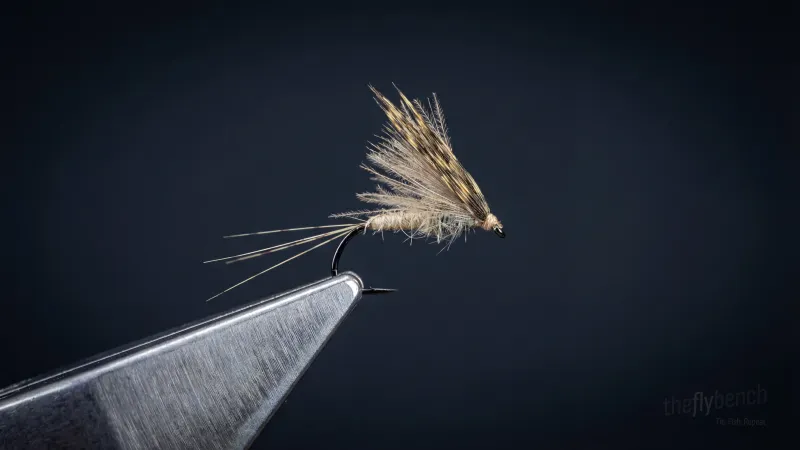
Euro NymphsEurope 12 Variant
The Europe 12 Variant is a euro nymph pattern designed by Josko Pegan. This effective pattern works well in a variety of water conditions and is tied with traditional materials for a proven presentation.
Spring, Summer, Fall
Intermediate
Trout
Feb 2026
Overview
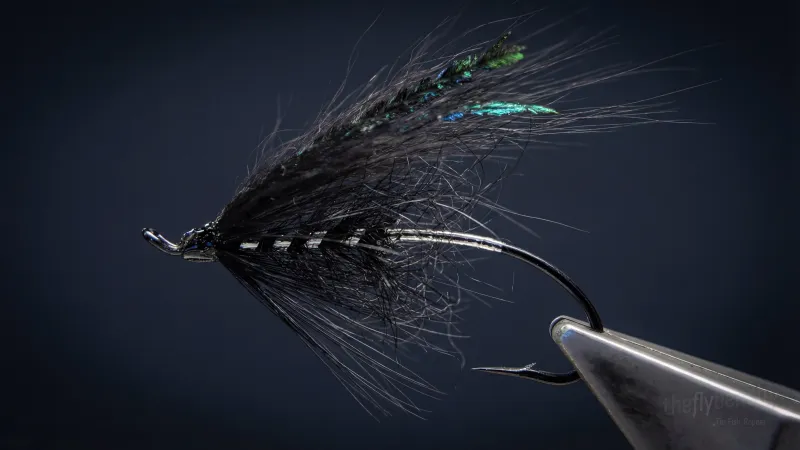
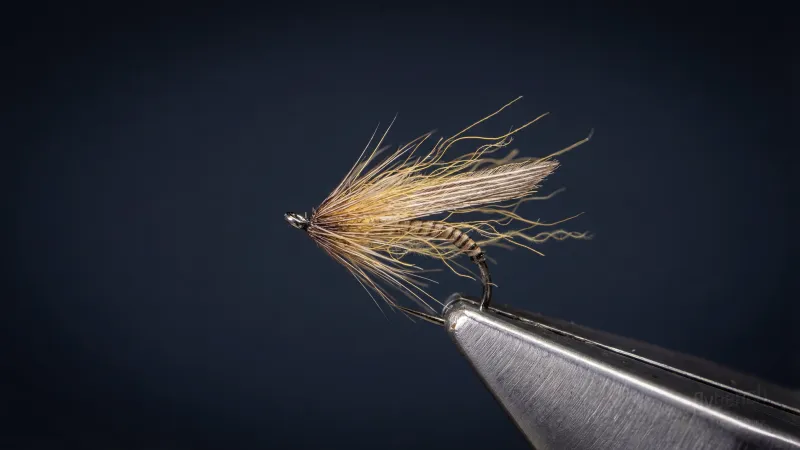
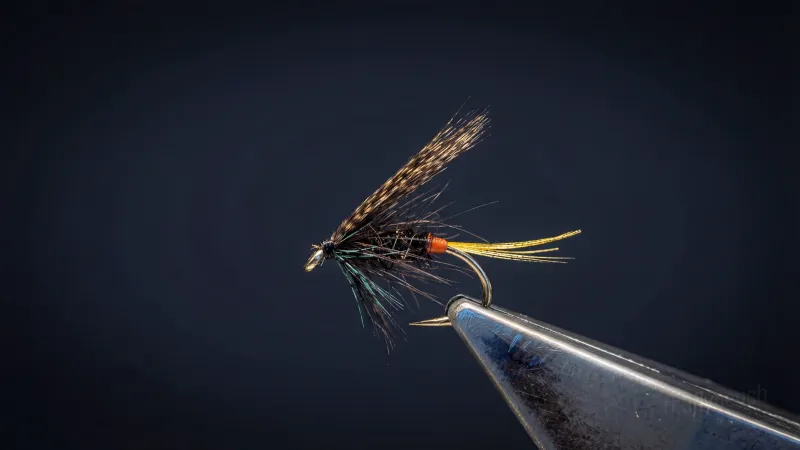
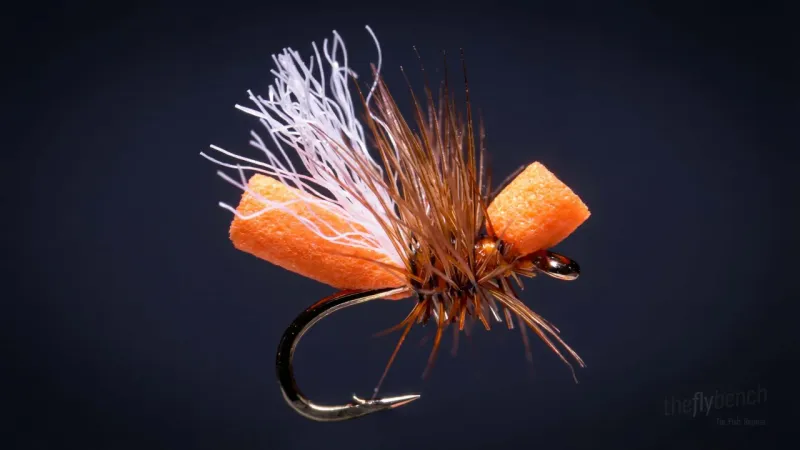
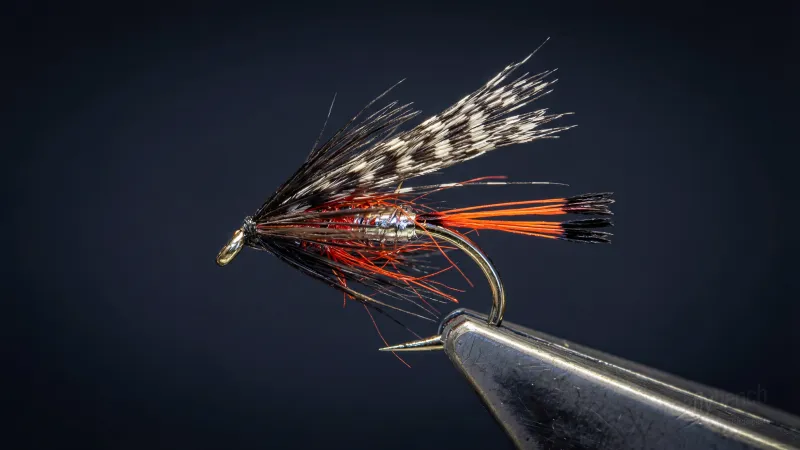
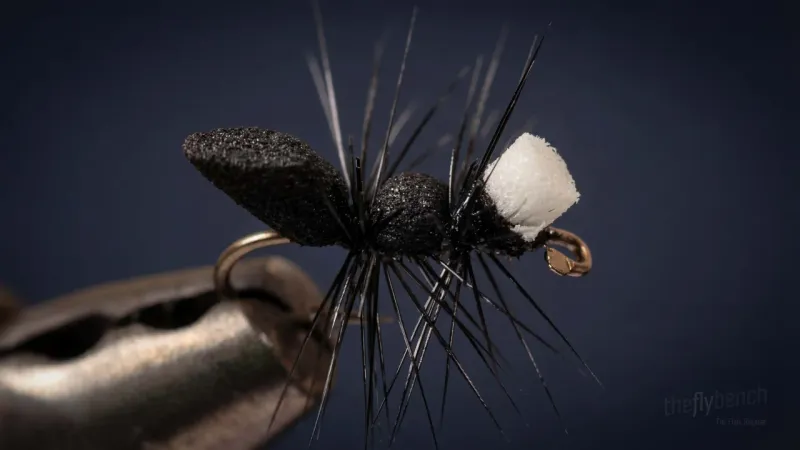
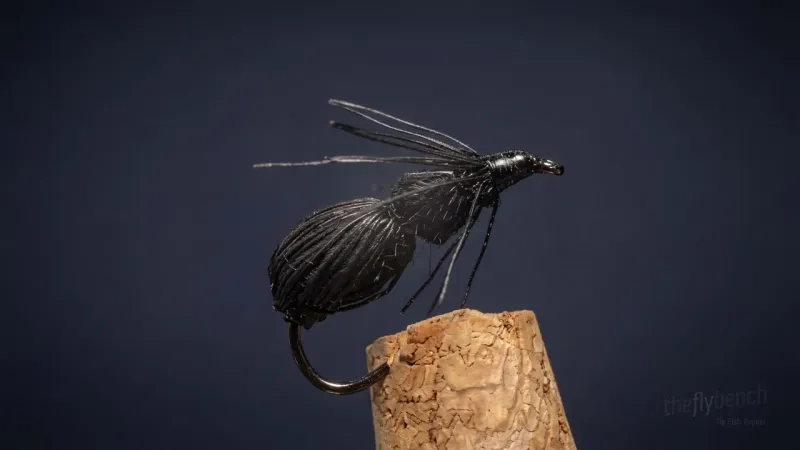
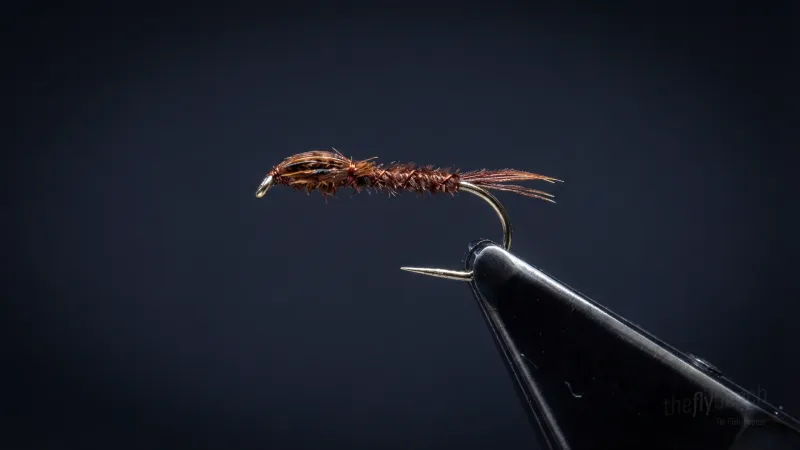
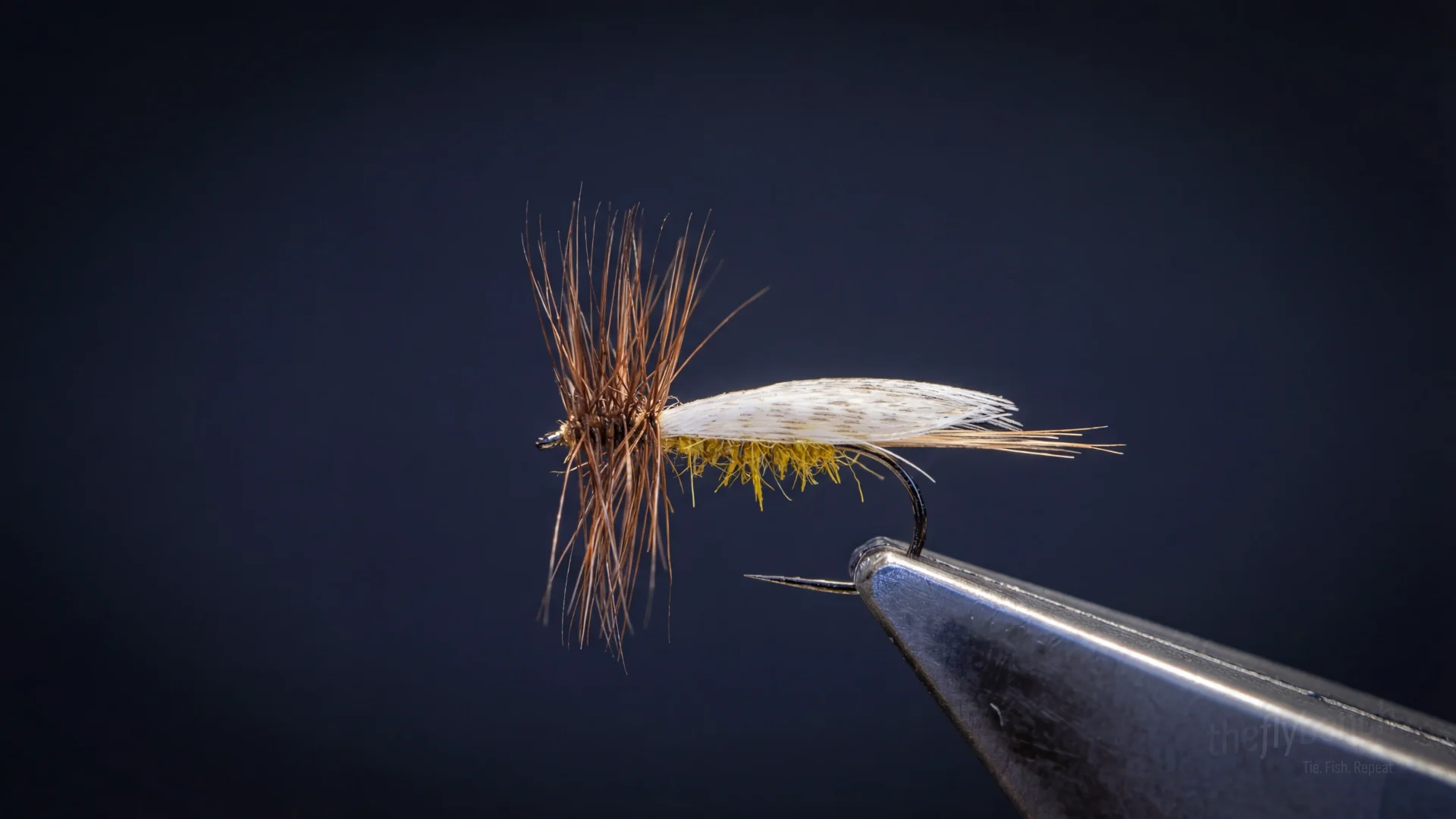
Josko Pegan's Euro nymph variation adapts competition techniques for general fishing applications. The pattern features a slim profile with strategic weight placement that achieves quick depth while maintaining natural drift characteristics. The segmented body with subtle ribbing creates realistic appearance while the sparse hackle suggests legs without adding bulk. Though designed for ant imitation, the generic profile works for various subsurface foods in European-style nymphing presentations.
Where to Buy This Fly
We only link to fly shops we trust. Some links are referral links, which may earn us a commission at no extra cost to you.
Materials
- Hook:
- Partridge Sure Hold Upwing Dry, size 12
- Thread:
- Benetti 12/0, tan
- Tail:
- Dyed Coq de Leon (short)
- Body:
- Dyed olive hare's ear dubbing
- Rib:
- Thread (spiraled back toward eye)
- Wing:
- Mallard duck body feather
- Hackle:
- Brown hackle
Behavior & Presentation
Natural Behavior: Terrestrial ants fall from vegetation throughout the day and sink slowly through the water column, concentrating along current seams and foam lines. Fish intercept these subsurface targets as they drift helplessly downstream, recognizing ants as consistent protein sources during warm-weather periods.
Where Trout Eat It: Trout intercept subsurface ants sinking through mid-column, targeting terrestrials in foam lines and current seams.
How to Fish It: Use tight-line euro technique with constant bottom contact, leading drift with vertical rod for instant strike detection.
Best Water: Fish foam lines collecting terrestrial falloff, current seams where surface drift concentrates, and bank-side lanes under overhangs.
Strike Type: Feel rod tip ticks or line hesitations transmitted through the tight-line rig as trout mouth the ant subsurface. Strikes require immediate response as fish quickly reject unnatural resistance.
Fishing Strategy
Rigging Suggestions: Use a 10-15 foot leader with 4X-5X tippet and a sighter section. Weight the rig to maintain bottom contact.
Seasonal Timing: Most effective during peak feeding periods at dawn and dusk. Water temperatures between 45-65°F typically produce best results.
Pro Tips: Sinks at a moderate rate depending on hook weight. The natural materials blend well with the aquatic environment.
Entomology
Terrestrial ants fall from streamside grass and bushes throughout the day, concentrating in eddies and foam lines where they collect in groups while struggling to stay afloat. Fish patrol these accumulation zones subsurface, rising through the water column to inhale clustered ants that represent concentrated foraging efficiency.
- Order
- Hymenoptera
- Family
- Formicidae
- Common Name
- Ant
- Organism Type
- terrestrial
- Life Stage
- general