Dry FliesPeter Ross Variant
The Peter Ross Variant is a dry fly pattern designed by Jim LaFevers. This effective pattern combines traditional materials with proven techniques for consistent results in a variety of water conditions.
Spring, Summer, Fall
Intermediate
Trout
Feb 2026
Overview
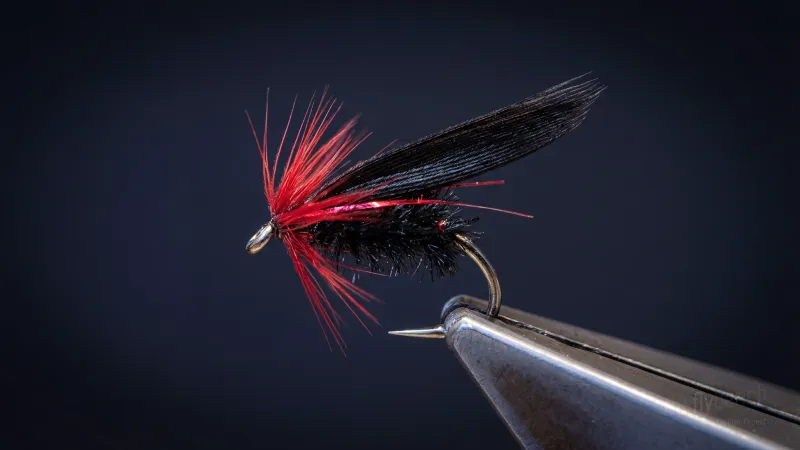
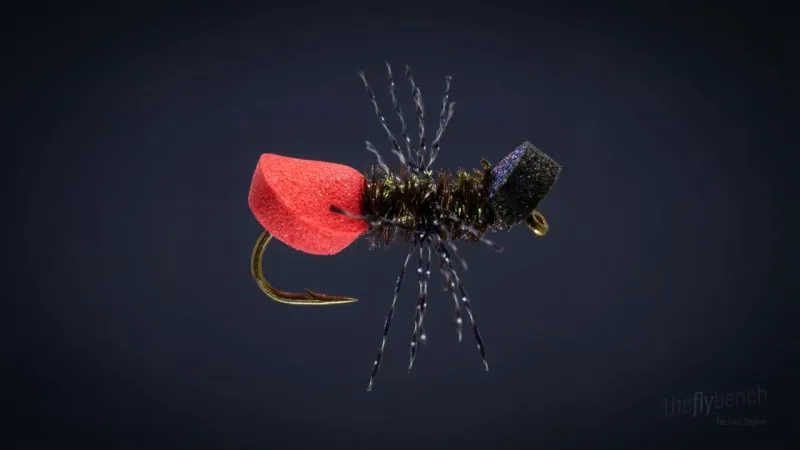
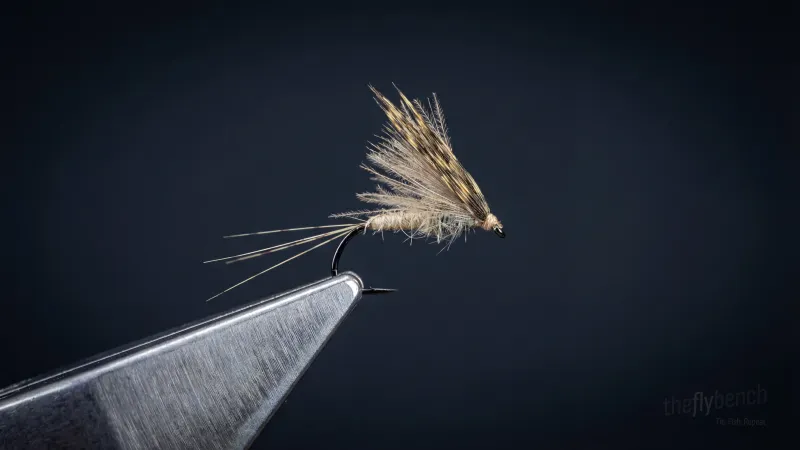
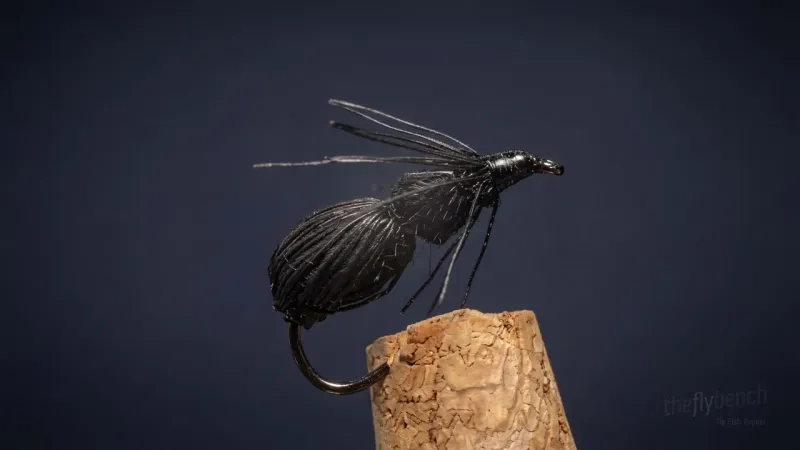
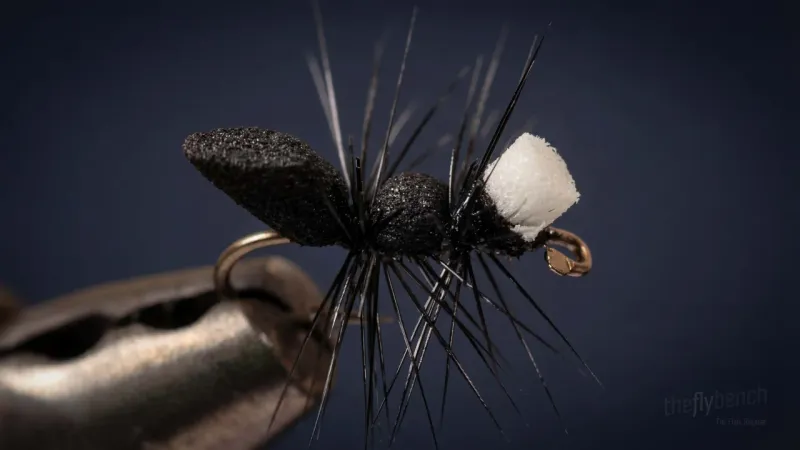
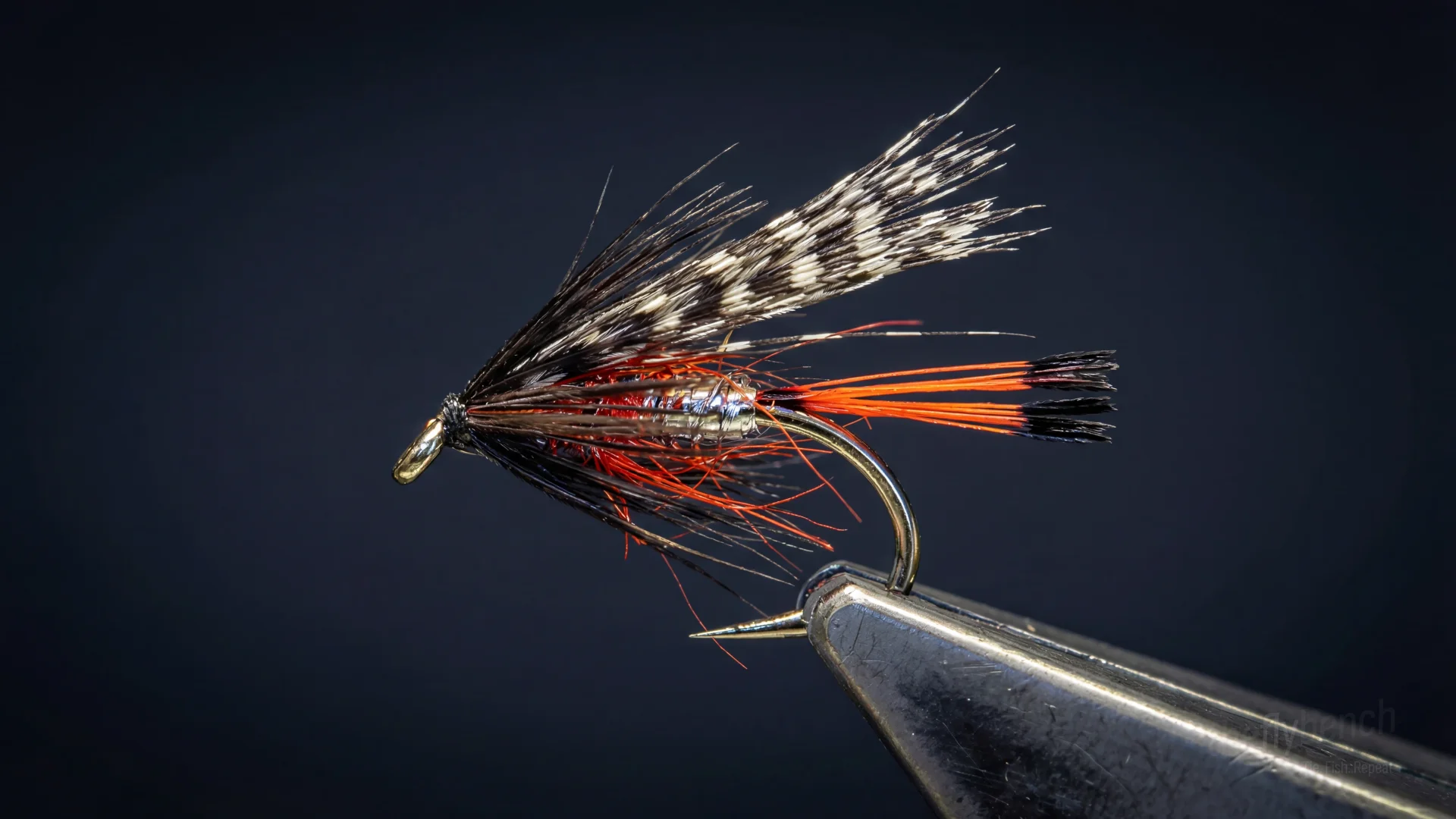
Jim LaFevers' Peter Ross Variant adapts the classic Scottish wet fly pattern into a terrestrial imitation. The traditional red tail and silver body are retained but modified proportions create an ant-like silhouette. The pattern bridges historical fly design with modern terrestrial fishing, offering a unique profile that trout haven't seen repeatedly. The metallic body provides flash and visibility while maintaining the low profile critical for convincing ant presentations during summer terrestrial activity.
Where to Buy This Fly
We only link to fly shops we trust. Some links are referral links, which may earn us a commission at no extra cost to you.
Materials
- Hook:
- Dry fly, 14-22
- Thread:
- Black 6/0
- Tail:
- Two strands of pearl flashabou.
- Body:
- Peacock herl.
- Hackle:
- Short fibred black cock hackle.
Behavior & Presentation
Natural Behavior: Flying ants land on water during massive nuptial flights, their wings quickly becoming waterlogged and useless. Fish gorge during these sporadic but predictable events because the insects arrive in overwhelming numbers and are completely defenseless once grounded.
Where Trout Eat It: Surface near banks, grassy edges, overhanging vegetation, pocket water, slow pools, current seams near banks, and lake near grassy shorelines.
How to Fish It: Cast with a delicate presentation near banks, grassy edges, and overhanging vegetation. Allow a drag-free dead drift to imitate a natural ant that has fallen into the water because ants drift helplessly once waterlogged. Occasional subtle twitches can suggest a struggling insect. Keep casts accurate and close to structure.
Best Water: Grassy banks of freestone streams, spring creek edges with overhanging vegetation, tailwater runs near terrestrial habitat, pocket water, slow pools, current seams near banks, and lake near grassy shorelines.
Strike Type: Subtle take or gentle rise as trout selectively feed on ants. Watch for minimal surface disturbance and delicate rises during ant falls.
Fishing Strategy
Rigging Suggestions: Use a 9-12ft 5X or 6X tippet for delicate presentations to selective fish. In windy conditions or pocket water, drop to 4X for easier turnover. Apply minimal floatant to maintain a low profile in the surface film.
Seasonal Timing: Prime fishing late June through September when terrestrial insects including ants are most abundant, with peak effectiveness during July and August on warm, sunny days because this aligns with peak ant activity. Continues producing through early fall. Fish during mid-morning through late afternoon when ants are most active along banks. Most effective during warm, calm days when terrestrial insects are active along streambanks with water temperatures above 60°F. Particularly productive after thunderstorms when ants and other terrestrials are washed into the water.
Pro Tips: Ants are available to trout throughout the summer, making this a reliable pattern when hatches are absent. Focus presentations within 12 inches of the bank where trout expect terrestrials.
Entomology
Flying ants land on water during massive nuptial flights, their wings quickly becoming waterlogged and useless. Fish gorge during these sporadic but predictable events because the insects arrive in overwhelming numbers and are completely defenseless once grounded.
- Order
- Hymenoptera
- Family
- Formicidae
- Common Name
- Ant
- Organism Type
- terrestrial
- Life Stage
- adult