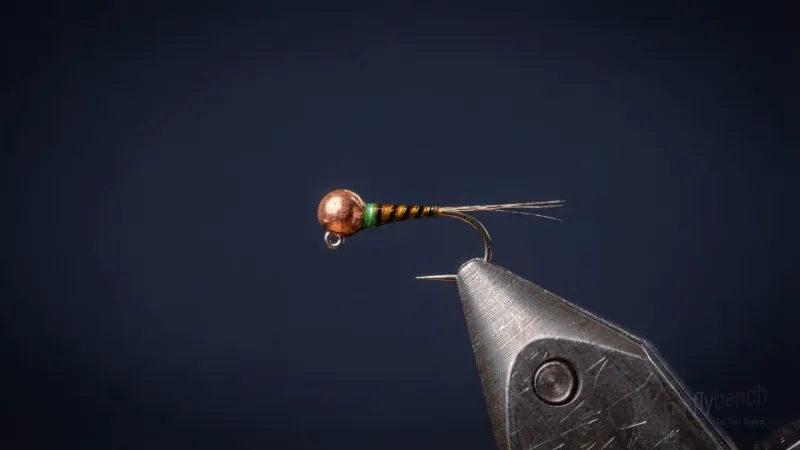
Euro NymphsRoza's Violet Tailed Jig
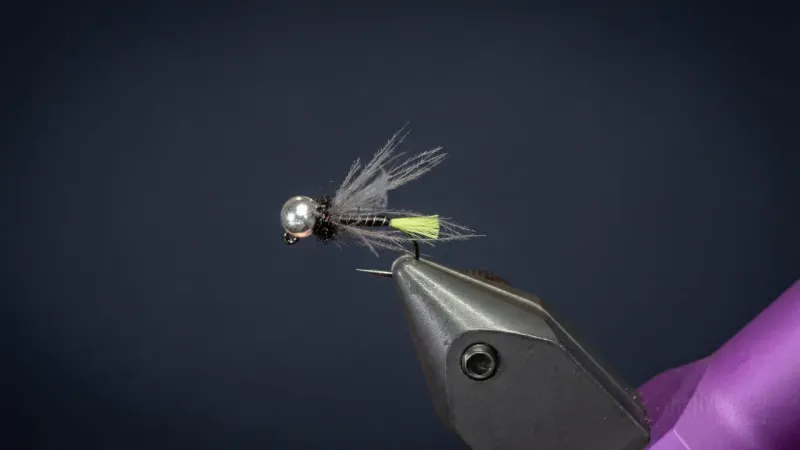
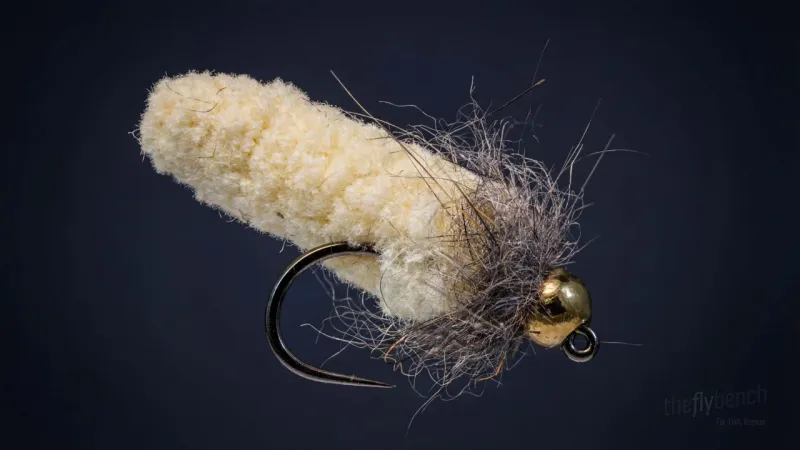
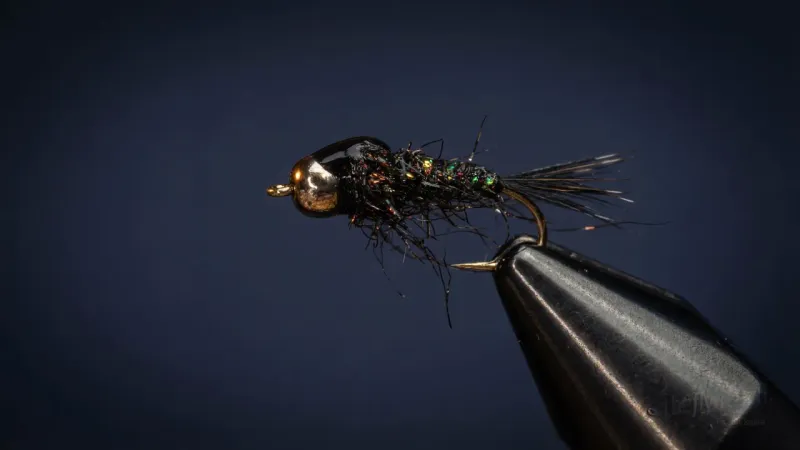
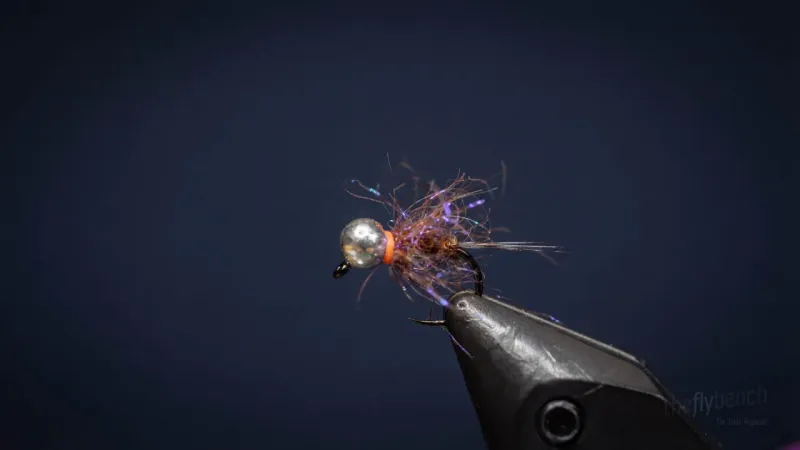
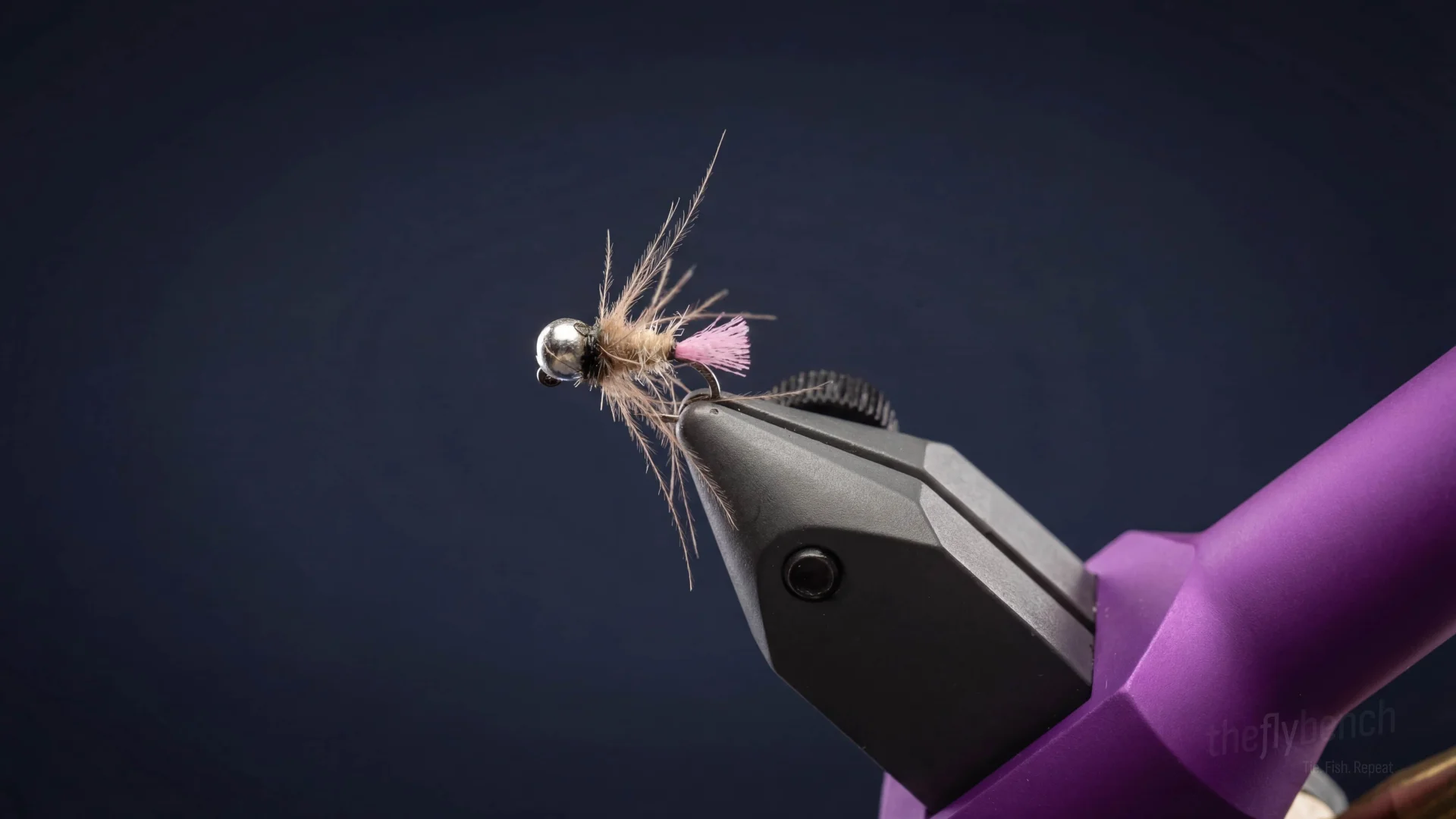
Roza's Violet Tailed Jig is a purple-accented Euro nymph featuring a distinctive violet Coq de Leon tail combined with a peacock Ice Dub body. The dark nickel bead and purple wire rib create an attractive pattern with subtle flash that fish find irresistible. A versatile searching pattern that works effectively throughout the season.
Year Round
Beginner
Trout
Dec 2025
Overview
Designed by Roza for European competition fishing, this pattern combines the durability and natural movement of Coq de Leon with the attractive flash of peacock Ice Dub. The purple accents throughout the fly create a cohesive color scheme that triggers strikes in various water conditions. The gray squirrel collar adds subtle movement and a natural profile. This pattern can be tied in various sizes to match different water conditions and insect populations.
Materials
Hook: Hanak H 400 BL Jig Hook, #14
Thread: UTC Ultrathread 70 Denier, purple
Bead: Hanak Round+ Slotted Tungsten Beads, 3.5mm, black nickel
Tail: Whiting Coq De Leon Euro Nymph Tailing Pack, purple
Body: Peacock Ice Dub
Rib: UTC Ultra Wire, purple, brassie
Collar: Natural Furs Dubbing, gray squirrel
Behavior & Presentation
Natural Behavior: Aquatic insects with distinctive tail or shuck coloration create high-contrast profiles during emergence phases. The violet trigger point mimics natural color patterns in certain mayfly and stonefly species.
Where Trout Eat It: Trout intercept this purple-accented pattern tight to the bottom in European rivers and slightly off-color tailwaters where the purple coloration provides contrast. The peacock Ice Dub body suggests mayfly nymphs and caddis larvae tumbling through feeding lanes.
How to Fish It: Use tight-line euro nymphing with high-stick presentation on 3X-5X fluorocarbon. The jig hook design rides hook-point up, reducing snags—cast upstream and maintain contact throughout the drift for immediate hook sets on subtle takes.
Best Water: Work pockets, seams, and channel swings of the Vltava River in slightly off-color water where purple provides visual contrast. The 3.5mm tungsten bead excels in 2-5 foot runs with gravel bottoms during spring runoff or after rainfall.
Strike Type: Sighter pauses or subtle bounces indicate soft takes—maintain contact and set firmly.
Fishing Strategy
Rigging Suggestions: Fish as point fly in euro rig with 3X-5X fluorocarbon depending on water clarity and fish size. Pair with lighter pattern as dropper 12-18 inches above for two-fly setup. 3.5mm tungsten bead typically sufficient weight, but split shot can be added 18-24 inches above for deeper runs.
Seasonal Timing: Effective year-round as versatile searching pattern, with particular success during spring and fall mayfly activity when trout actively feed subsurface. Most productive when fish feed on subsurface mayfly nymphs and caddis larvae before or after visible hatches. Purple coloration particularly effective in slightly off-color water because it provides contrast.
Pro Tips: 3.5mm tungsten jig bead sinks quickly, reaching strike zone rapidly in fast currents. Peacock Ice Dub body provides natural flash and movement without overwhelming fish in clear water. Purple wire ribbing adds segmentation and durability while creating subtle attraction. Jig hook design keeps fly riding hook-point up, reducing snags and improving hook-up rates.
Entomology
Caddis larvae dwell in protected microhabitats on stream bottoms, either free-living among cobbles or constructing portable cases from sand grains and organic debris. Trout feed on these larvae opportunistically when floods dislodge cases or when larvae venture into open water to relocate, presenting concentrated protein sources that justify the effort of crushing through protective casings.
- Order
- Trichoptera
- Common Name
- Caddisfly
- Organism Type
- insect
- Life Stage
- nymph