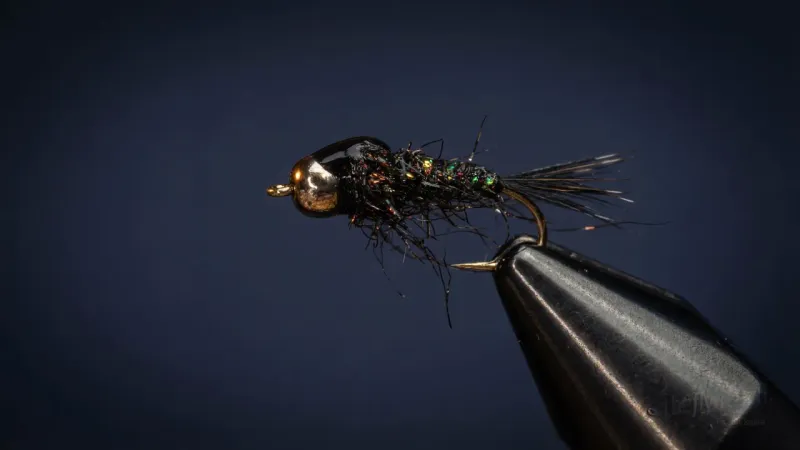
Euro NymphsDread Tag Jig
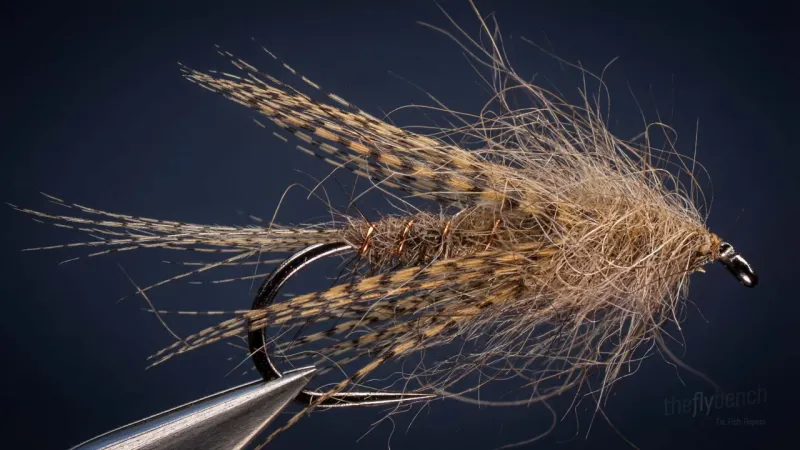
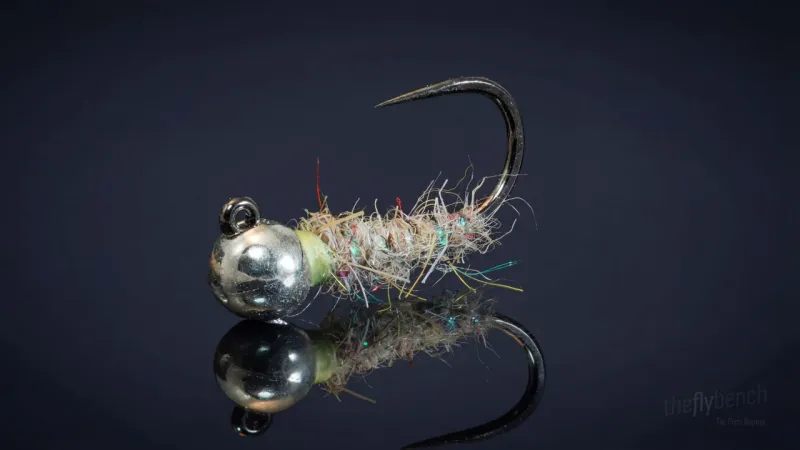
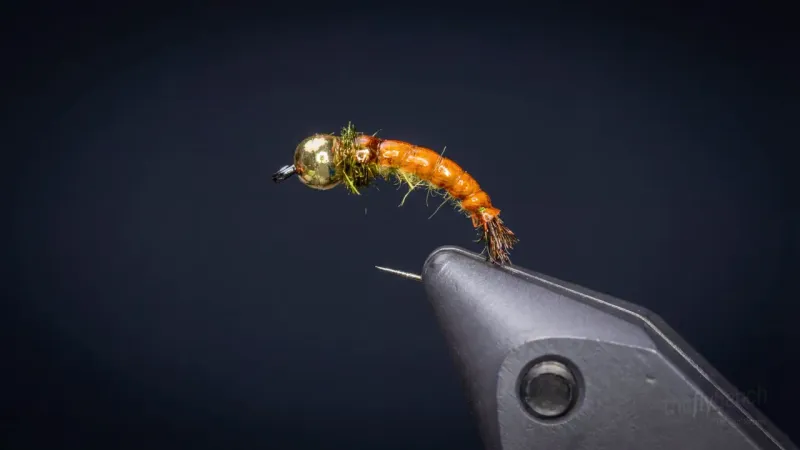
The Dread Tag Jig is a highly effective euro nymph that can be tied very quickly using pre-tied rabbit dread material. This pattern demonstrates cool techniques including creating a hare's ear rope body and a tag that matches your whip finish color, making it both practical and productive on the water.
Spring, Summer, Fall
Beginner
Trout
Dec 2025
Overview
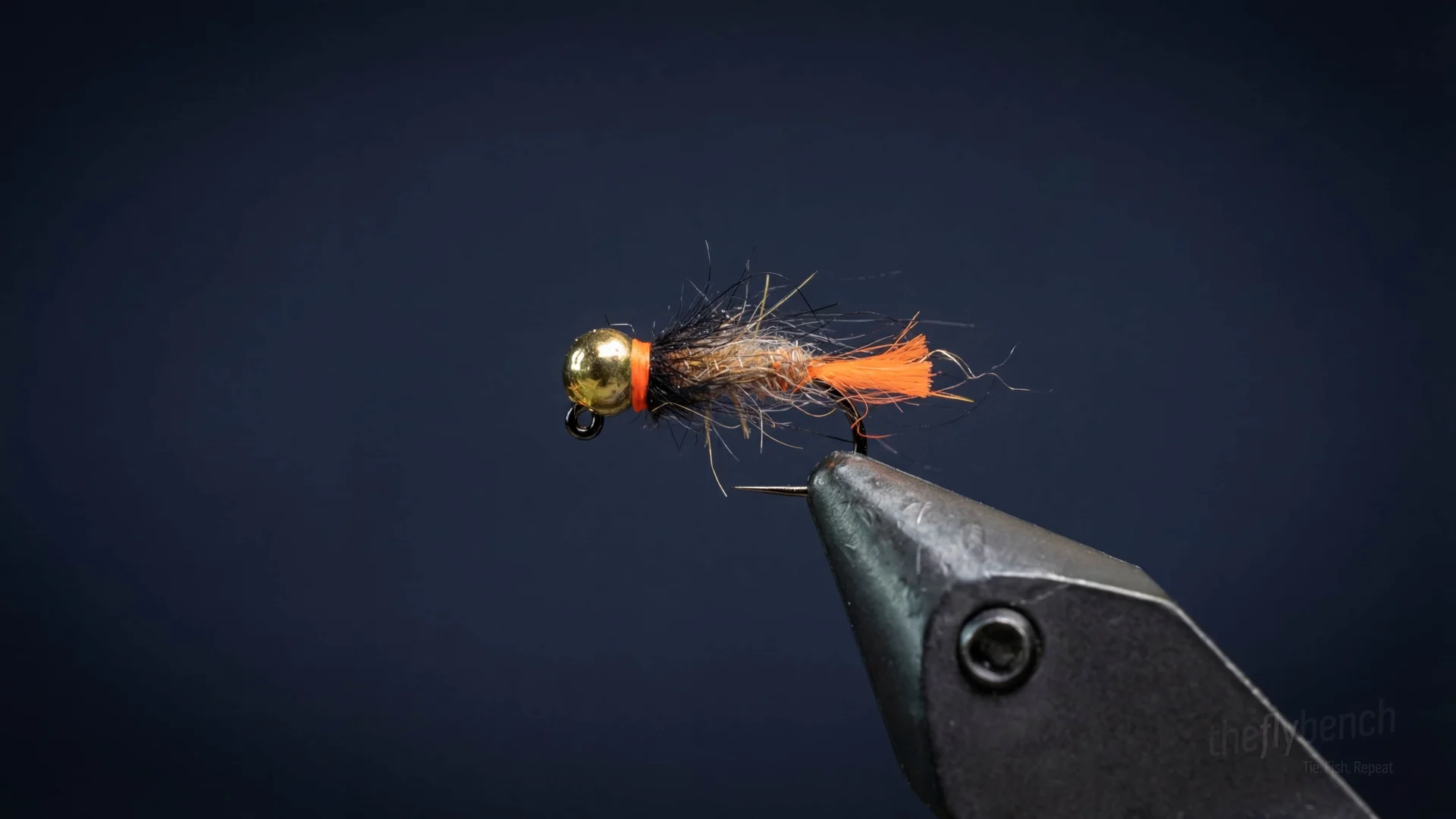
Designed by Fly Fish Food, the Dread Tag Jig is a really effective fly that also serves as an excellent teaching pattern for several useful euro nymphing techniques. The pre-tied rabbit dread material makes the body construction quick and easy, while the fluorescent orange tag provides both a trigger point and matches the whip finish for a clean look. The combination of the dubbed collar and segmented body creates a buggy profile that trout find hard to resist. This style of fly exemplifies modern euro nymphing efficiency - simple materials, quick to tie, and highly effective.
Materials
Hook: Umpqua XC400BL-BN, size 12
Thread: Veevus Power Thread 70 Denier - Fluorescent Orange #137
Bead: Hareline Slotted Tungsten Beads - Copper - 1/8" (3.3mm)
Body: Rabbit Dreads - Hare's Ear
Rib: Semperfli Tying Wire - 0.2 - Copper
Collar: Hareline Squirrel Hair Dubbing - Black
Behavior & Presentation
Natural Behavior: Net-spinning caddis larvae anchor to rocks with silk attachments, but periodically abandon nets to construct new feeding stations downstream. Trout intercept these relocating larvae during their vulnerable transit phases, recognizing the distinct wriggling motion of displaced case-free caddis tumbling through drift corridors.
Where Trout Eat It: Trout take this in deeper runs and pocket water where caddis larvae and mayfly nymphs tumble through feeding zones.
How to Fish It: Fish on tight-line euro rig with minimal leader weight. The copper bead provides sink rate and hot-spot triggers strikes.
Best Water: Boulder pockets and riffle seams where fast current requires quick sink to feeding depth.
Strike Type: Trout intercept the jig with takes that show as abrupt sighter movement, line tick, or weight change during high-stick nymphing; set with short vertical lift to capitalize on the inverted jig hook design.
Fishing Strategy
Rigging Suggestions: Works well as a point fly or middle fly in a multi-fly euro rig setup.
Seasonal Timing: Effective year-round with peak activity during warmer months (May-September) when water temperatures reach 50-65°F and insect activity increases.
Pro Tips: The copper tungsten bead gets the fly down quickly while the fluorescent orange tag provides a hot spot that triggers strikes and helps track the fly's position.
Entomology
Net-spinning caddis larvae anchor to rocks with silk attachments, but periodically abandon nets to construct new feeding stations downstream. Trout intercept these relocating larvae during their vulnerable transit phases, recognizing the distinct wriggling motion of displaced case-free caddis tumbling through drift corridors.
- Order
- Trichoptera
- Common Name
- Caddisfly
- Organism Type
- insect
- Life Stage
- nymph