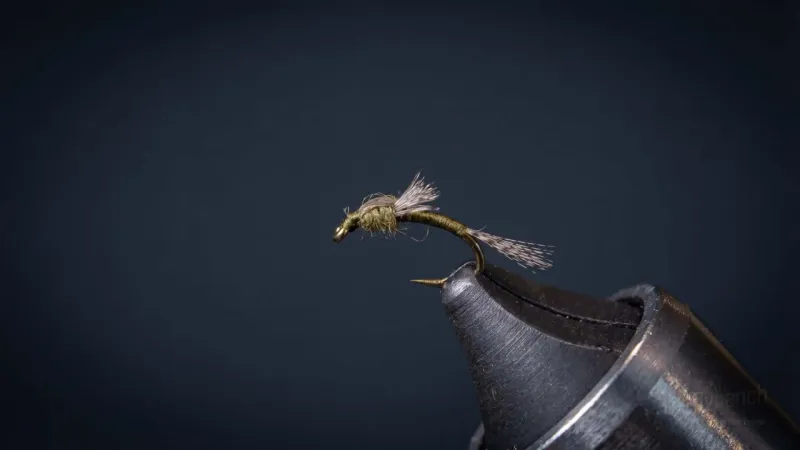
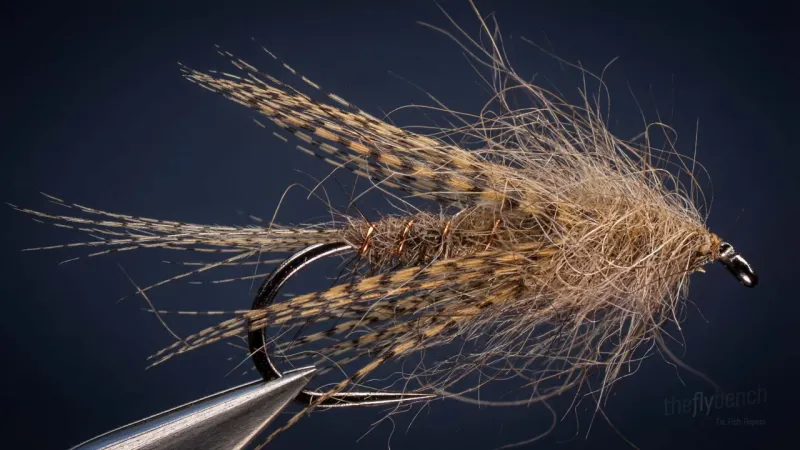
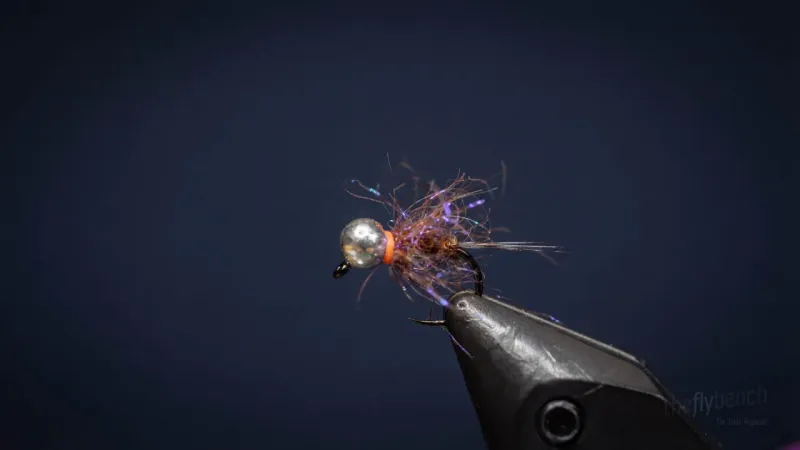
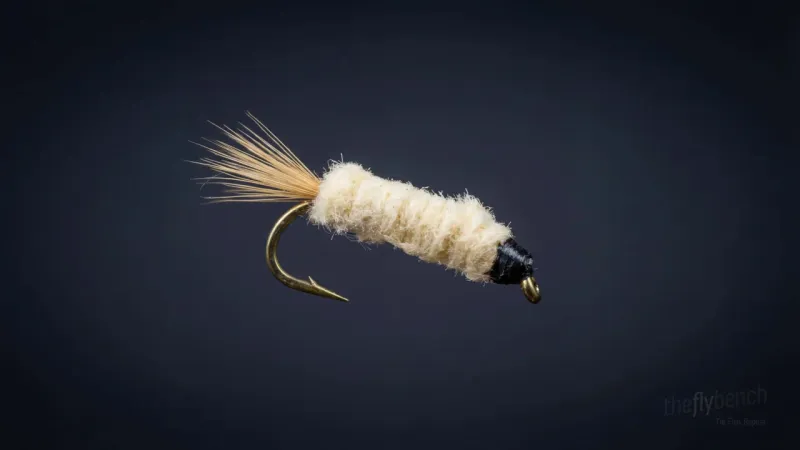
Euro NymphsRibby Pellet
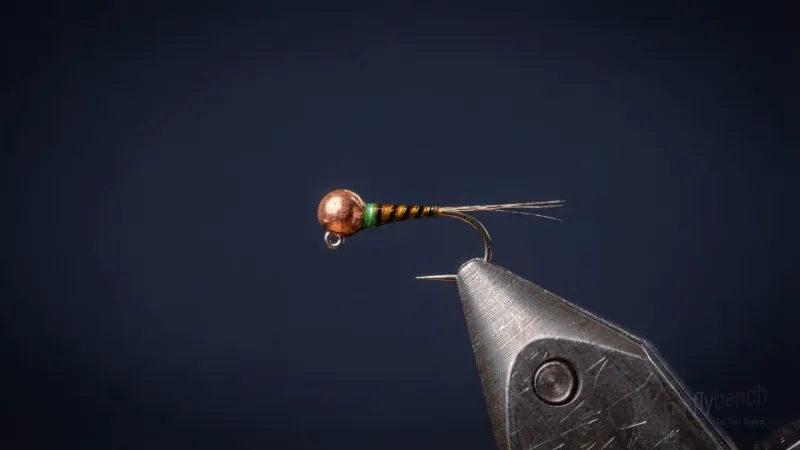
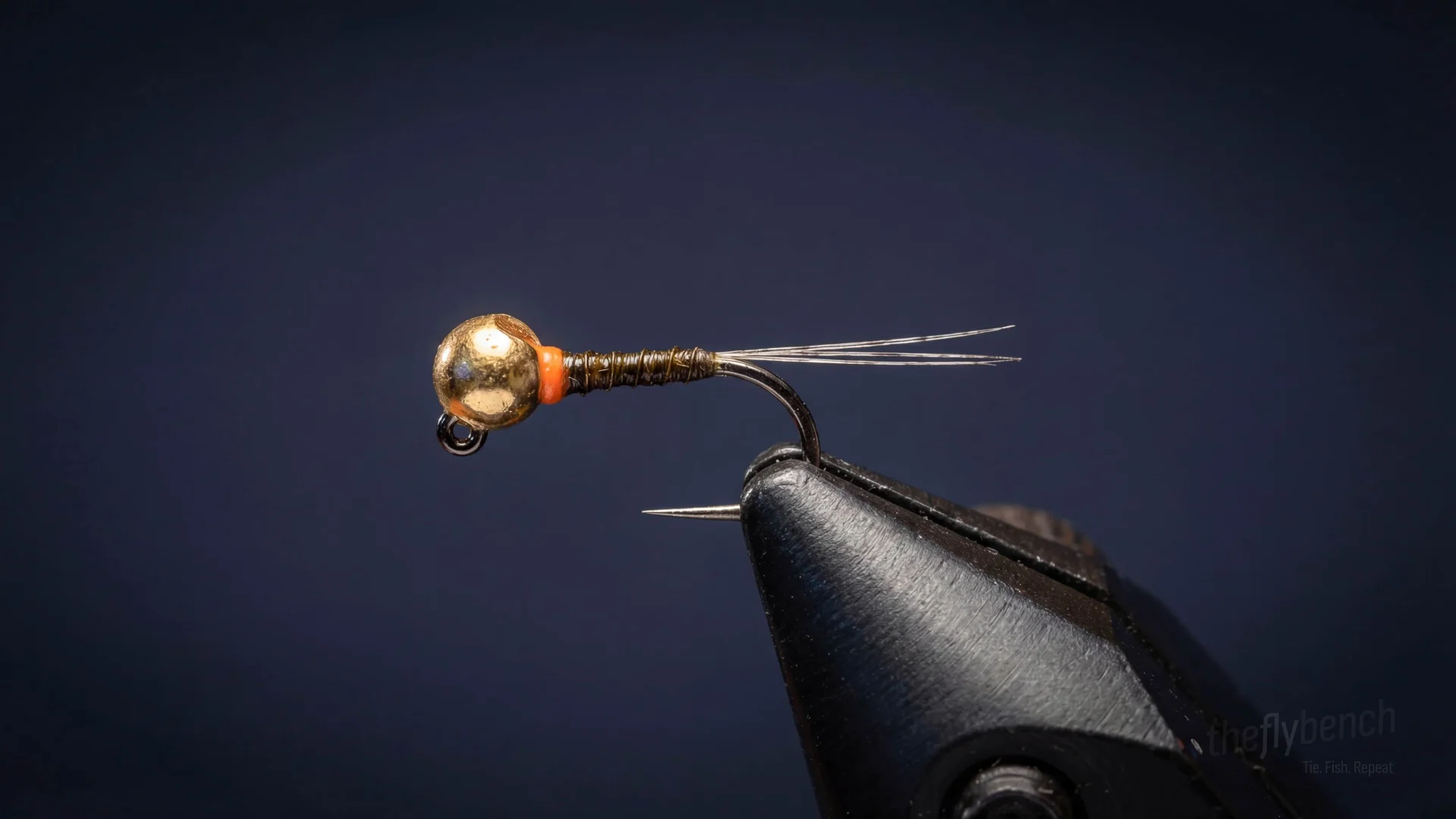
The Ribby Pellet is a thread-only perdigon variation that achieves an effective buggy appearance through simple ribbing techniques. Designed by Cheech at Fly Fish Food, this pattern uses twisted thread to create segmentation that imitates various aquatic insects while maintaining the fast-sinking profile that makes perdigons so effective. Quick to tie and highly productive across diverse water conditions.
Year Round
Beginner
Trout
Dec 2025
Overview
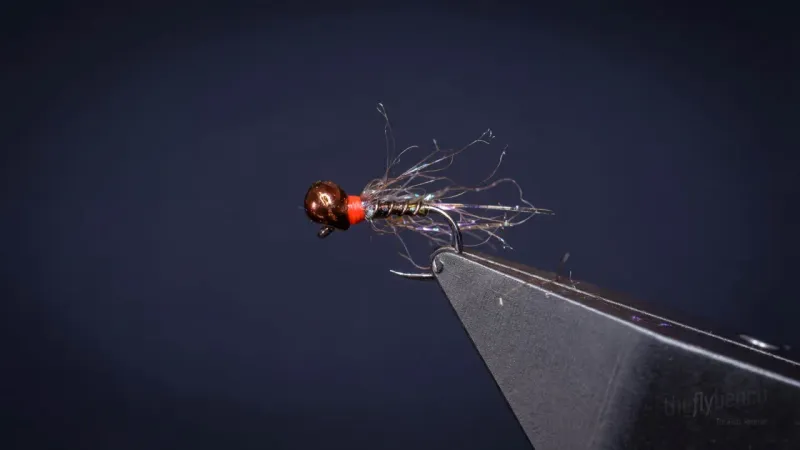
The name Ribby Pellet comes from the Spanish word "perdigon" meaning pellet, highlighting this pattern's origins in European competition fishing. The ribbed thread body creates texture and segmentation without additional materials, making it economical and fast to tie. Color variations in olive, tan, pink, and black allow anglers to match different aquatic insects. The UV resin coating provides durability while maintaining the slim profile essential for quick sink rates.
Materials
Hook: Hanak H 400 BL Jig Hook, size #14 (or Fulling Mill 35045 Jig Hook, size #14, or Firehole Sticks 516 Jig Hook, size #14)
Thread: UTC Ultrathread 140 Denier, olive
Bead: Hanak Round+ Slotted Tungsten Beads, gold, 3.5mm (or Firehole Stones Plated Slotted Tungsten Beads, gold, 3.5mm)
Tail: Whiting Coq De Leon Tailing Packs, Dark Pardo
Hot Spot: UTC Ultrathread 70 Denier, fluorescent orange
Body Coating: Solarez UV Cure Resin, Bone Dry 0.5 Oz
Behavior & Presentation
Natural Behavior: Aquatic invertebrates and emerging insects create segmented, ribbed body profiles as they drift near bottom. The pattern's attractor qualities trigger curiosity strikes from opportunistic feeders.
Where Trout Eat It: Trout target this fast-sinking perdigon tight to the bottom in runs, pockets, and riffle edges of tailwaters and freestones. The ribbed thread body creates texture that suggests segmented mayfly nymphs and caddis larvae tumbling in the drift.
How to Fish It: Use tight-line euro nymphing with high-stick presentation on 5X-6X fluorocarbon. Cast upstream and maintain contact throughout the drift—the slim profile and tungsten bead reach depths of 3-5 feet rapidly in moving water with minimal resistance.
Best Water: Work pockets, seams, and riffle edges of the South Fork Snake and Henry's Fork where current concentrates food along the bottom. The UV resin coating and tungsten bead excel in 2-5 foot runs with moderate to fast current.
Strike Type: Sharp ticks or sudden stops in the sighter reveal strikes—instant hook-set prevents rejection.
Fishing Strategy
Rigging Suggestions: Fish on 5X-6X fluorocarbon tippet. Use as the point fly in euro nymphing setups or as a dropper below a heavier anchor fly.
Seasonal Timing: as a versatile searching pattern. Particularly productive during spring and fall mayfly hatches, and throughout summer in high-altitude streams with consistent insect activity.
Pro Tips: Sinks rapidly due to tungsten bead and minimal material bulk. The ribbed thread body creates subtle flash and movement underwater.
Entomology
Caddisfly larvae living in sandy substrate areas create U-shaped burrows and tubes that they defend from conspecifics, emerging periodically to graze nearby surfaces before retreating. Their compact, segmented bodies maximize surface area for respiration while minimizing drag in current, allowing them to occupy faster water than their body shape might suggest. When larvae abandon their protective structures due to disturbance, poor water quality, or pre-pupal migration, they become concentrated in the drift during specific behavioral windows that experienced trout learn to anticipate.
- Order
- Trichoptera
- Common Name
- Caddisfly
- Organism Type
- insect
- Life Stage
- nymph