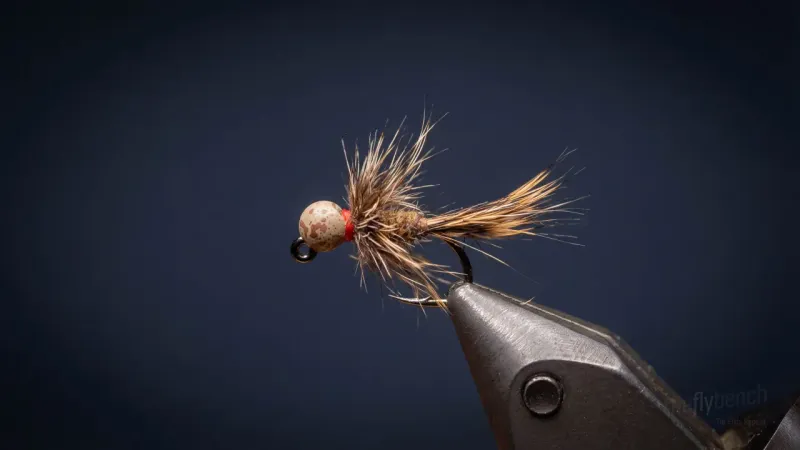
Euro NymphsOlive Spanish Bullet Perdigon
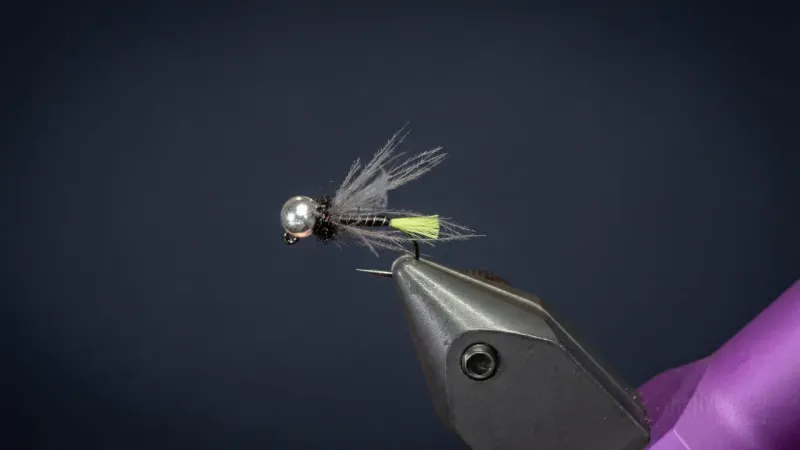
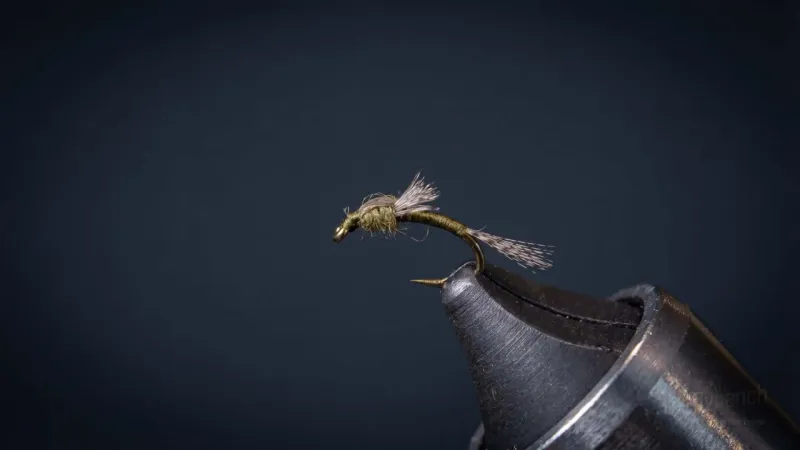
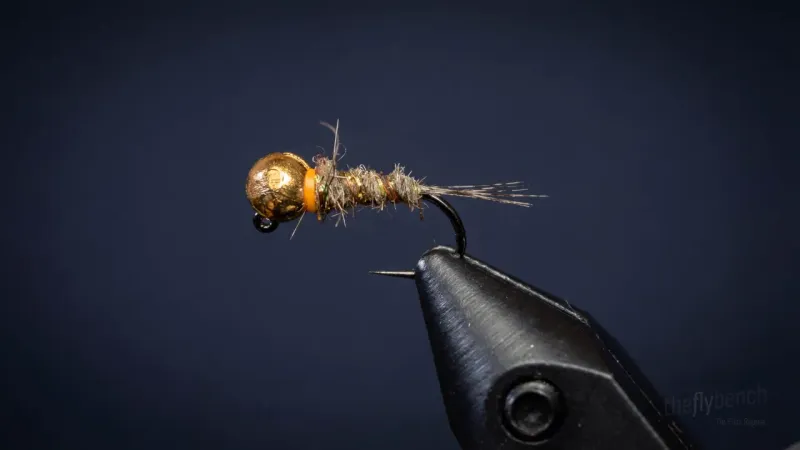
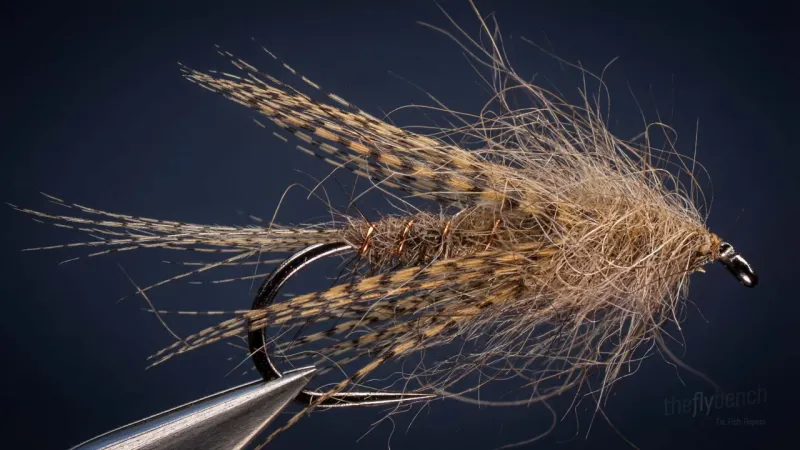
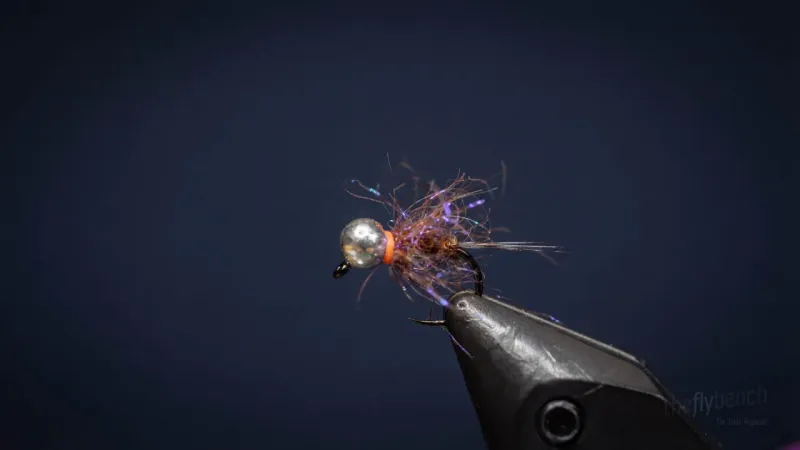
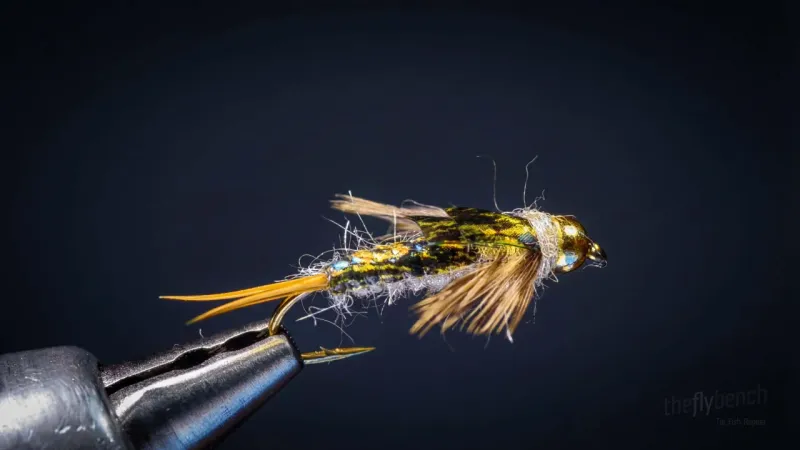
The Olive Spanish Bullet Perdigon is one of the most versatile euro nymphs that works equally well as a dedicated tight-line pattern or as a dropper beneath a hopper. This olive version of the Spanish Bullet from Fulling Mill bridges the gap between euro nymphing and traditional dry-dropper fishing. Created by Cheech at Fly Fish Food, this pattern proves that if you're fishing it under a hopper, you're euro nymphing too.
Year Round
Beginner
Trout
Dec 2025
Overview
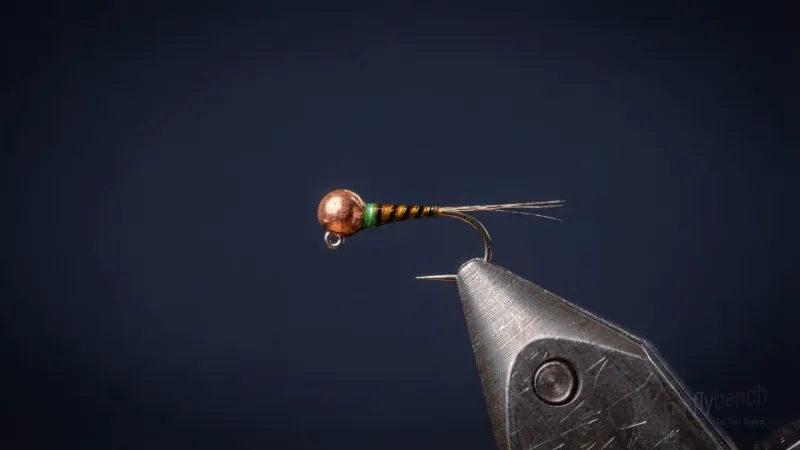
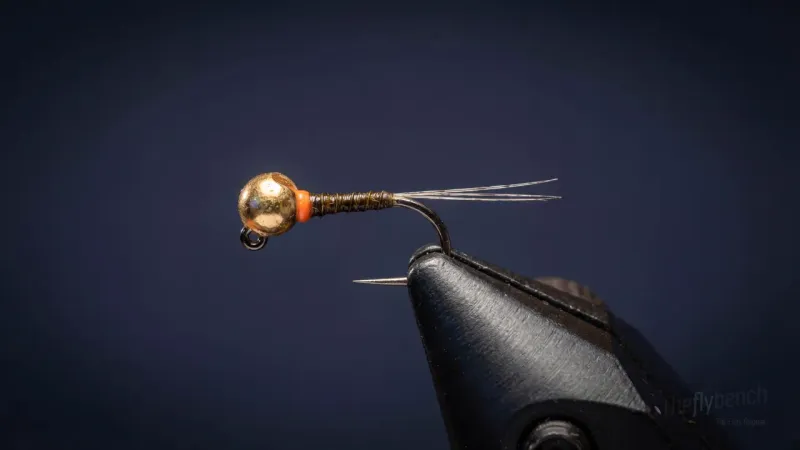
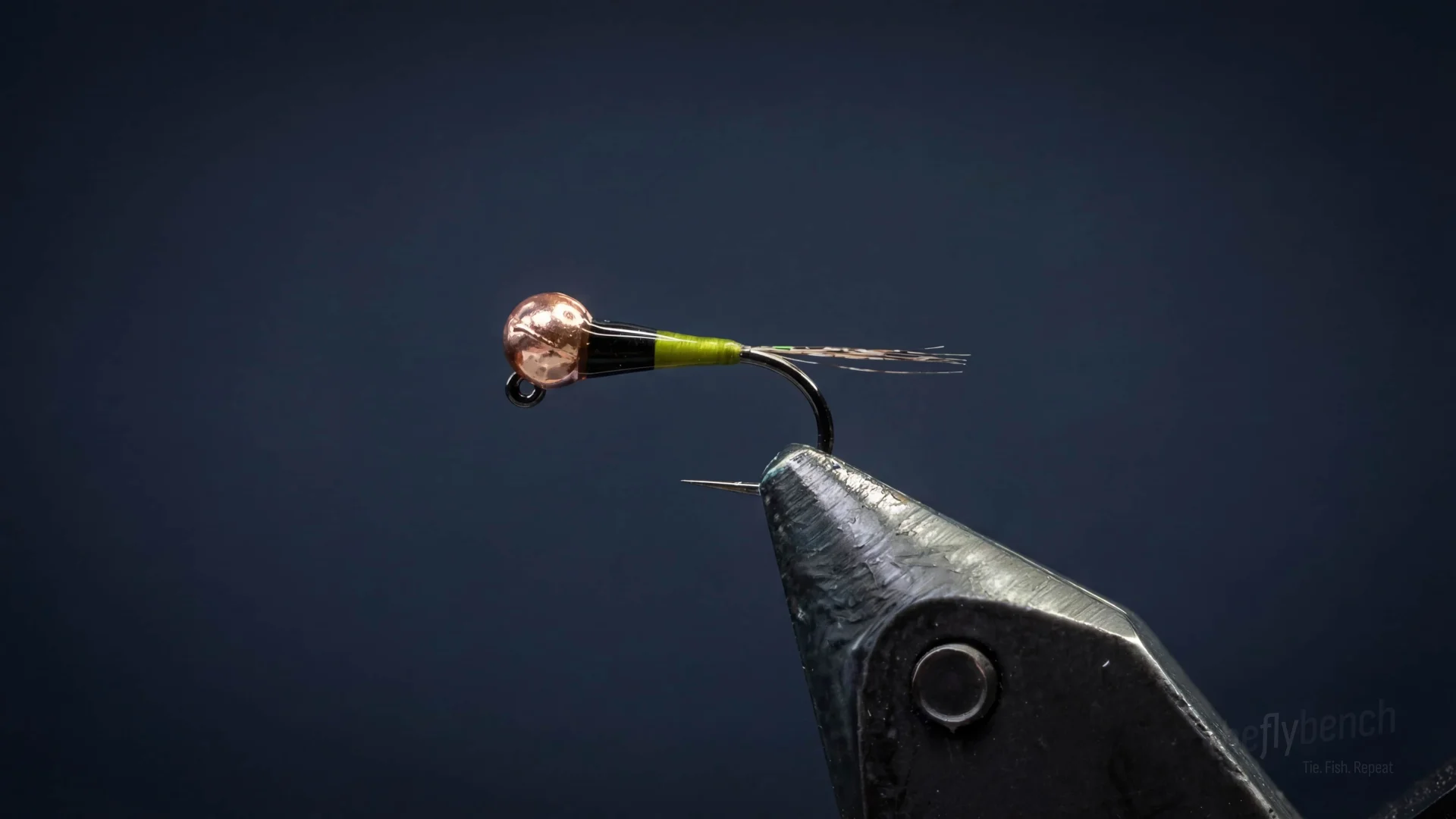
The Spanish Bullet Perdigon excels because of its simplicity and versatility. The pale olive thread body creates a slim, realistic profile while the UV resin coating provides the signature perdigon durability and sink rate. Keep multiple sizes and bead weights in your box—the ability to quickly adjust to different water depths makes this pattern invaluable. The copper bead and olive body combination imitates a wide range of subsurface food sources.
Where to Buy This Fly
We only link to fly shops we trust. Some links are referral links, which may earn us a commission at no extra cost to you.
Materials
- Hook:
- Hanak H 400 BL Jig Hook, size #14 (or Fulling Mill 5045 Jig Force Barbless)
- Thread/Body:
- Semperfli Classic Waxed Thread 12/0, pale olive (or chartreuse)
- Bead:
- Fulling Mill Slotted Tungsten, copper, 3.2mm (or Firehole Stones 3.5mm copper)
- Tail:
- Spanish Coq De Leon, pardo (or Hareline Coq De Leon medium speckled pardo)
- Flash:
- Veevus Pearl Tinsel, medium (or Mirage Tinsel opal medium)
- Finish:
- Solarez UV Cure Resin, thin hard
Behavior & Presentation
Natural Behavior: Caddis larvae in vegetated areas graze on algae while using protective cover from predators through camouflage. Their olive and brown colorations match stream substrates but movement against stationary backgrounds makes them detectable, especially when abandoning cases.
Where Trout Eat It: Trout feed on olive-bodied nymphs bouncing along bottom in turbulent riffles where perdigons sink rapidly through fast currents.
How to Fish It: French leader setup with tight line for instant detection, leading drift with rod to keep flies ahead for natural bottom-bouncing.
Best Water: Work pool heads and riffle edges where water accelerates over shelves and bounces nymphs along rocky structure.
Strike Type: Watch for sag in sighter, tick, or pause in drift.
Fishing Strategy
Rigging Suggestions: Fish on 5X-6X fluorocarbon tippet. Keep multiple bead sizes (2.4mm to 3.8mm) available to match water depth and current speed.
Seasonal Timing: as a searching pattern. Particularly productive during mayfly and caddis activity when olive-colored nymphs are prevalent in the drift.
Pro Tips: The tungsten bead provides rapid sink while the UV resin shell adds durability and a subtle sheen. The flash strip along the body catches light without overwhelming.
Entomology
Caddisfly larvae in vegetated areas graze on algae growing on aquatic plants while simultaneously providing themselves protective cover from predators through camouflage and concealment. Their olive and brown colorations match common stream substrates and vegetation, yet their movement against stationary backgrounds makes them detectable to visually-oriented trout. During periods of increased current or while abandoning deteriorating cases, these larvae enter the drift column where they become easy targets.
- Order
- Trichoptera
- Common Name
- Caddisfly
- Organism Type
- insect
- Life Stage
- nymph