Midge / EmergersRoy's Special Emerger
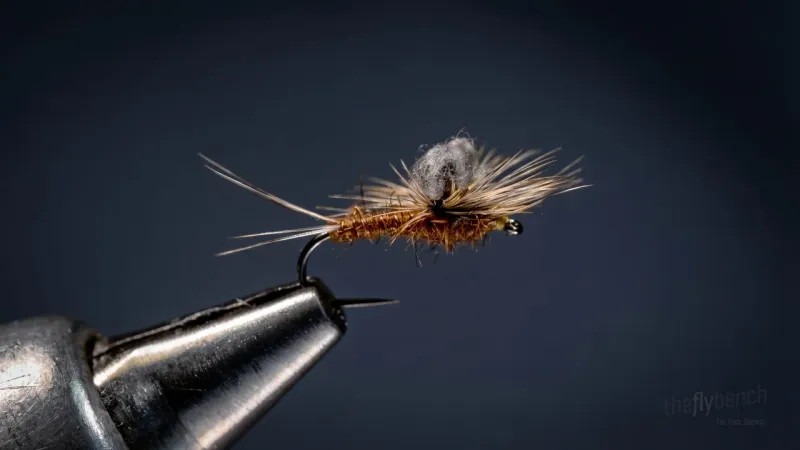
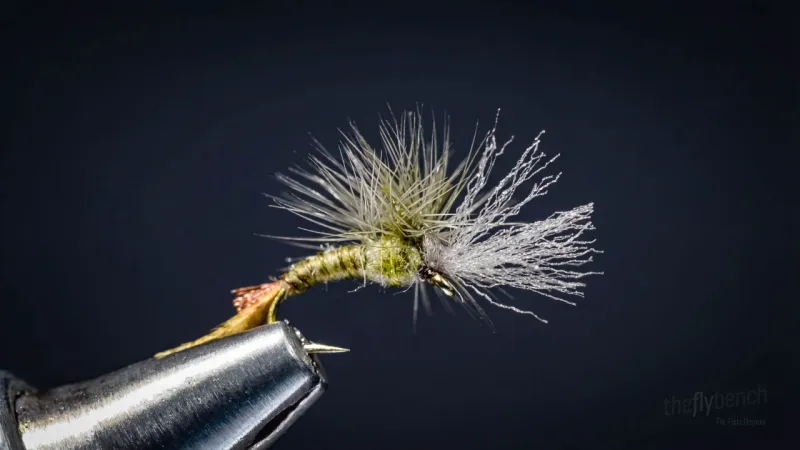
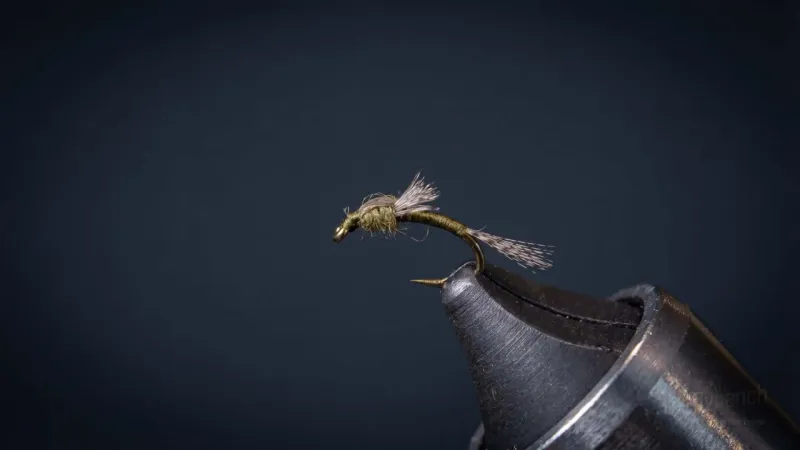
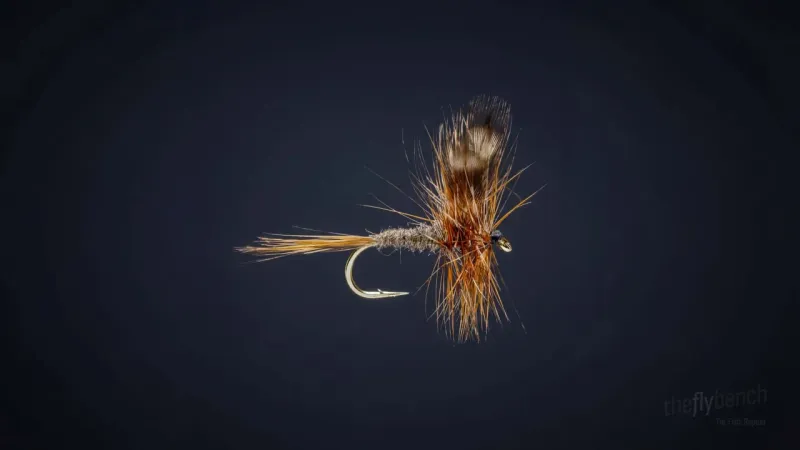
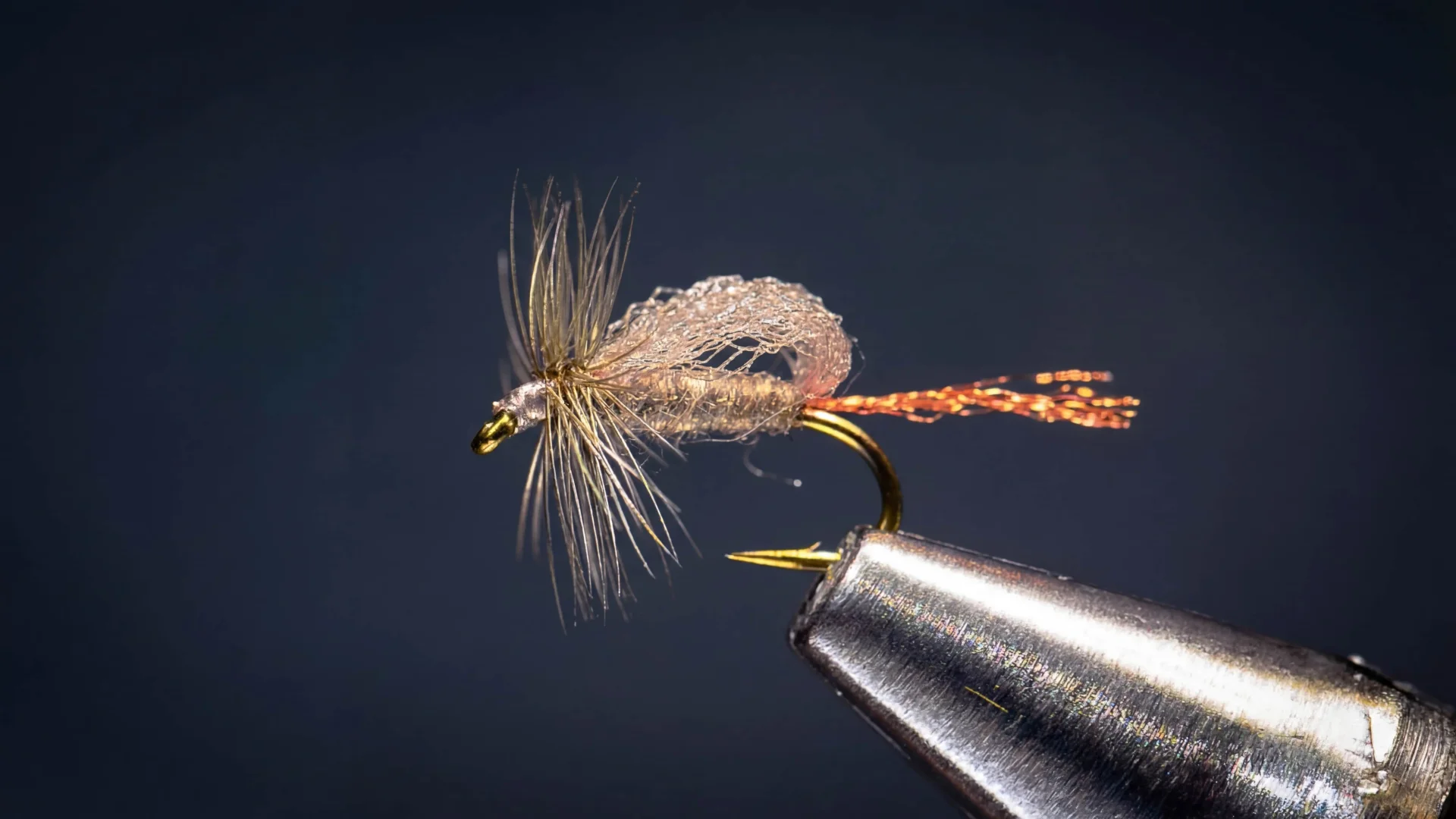
Roy's Special Emerger is a simple yet effective mayfly emerger pattern that represents insects transitioning from nymph to adult in the surface film. This pattern features a rust or orange antron trailing shuck to suggest the discarded nymphal case, a slender gray superfine dubbing body, a gray poly yarn wing post, and sparse dun hackle wound parachute-style. The minimalist design creates an accurate emerger profile that selective trout find irresistible.
Spring, Summer, Fall
Beginner
Trout
Dec 2025
Overview
This Charlie Craven pattern from Charlie's Fly Box represents a straightforward approach to emerger fishing that works across multiple mayfly species. The pattern's simplicity is its strength - the gray body suggests a wide range of mayfly emergers while the rust or orange trailing shuck provides the key trigger that tells trout this insect is vulnerable. The antron or darlon shuck material has a translucent quality that mimics the appearance of a cast nymphal skin still attached to the emerging adult. The parachute hackle design allows the fly to sit properly in the surface film with the body penetrating the surface while the wing and hackle remain visible. This is an excellent pattern for beginners to learn parachute-style tying while producing a highly effective fly.
Where to Buy This Fly
We only link to fly shops we trust. Some links are referral links, which may earn us a commission at no extra cost to you.
Materials
- Hook:
- Tiemco 100, #16-20
- Thread:
- Nanosilk 30D (Semperfli), gray
- Tail:
- Antron Yarn or Darlon, rust or orange
- Body:
- Superfine Dubbing, gray
- Wing:
- Poly Yarn, gray
- Hackle:
- Rooster Cape or Saddle, dun
Behavior & Presentation
Natural Behavior: Mayfly emergers hang suspended beneath the surface film with nymphal shucks trailing as they complete metamorphosis in vulnerable positions. Trout focus on this transitional stage because emergers cannot escape and concentrate in consistent seams during peak hatches.
Where Trout Eat It: Fish sip emergers hanging in the surface film of slower pools, eddies, and flat water where educated trout demand accurate presentations. Spring creeks and tailwaters concentrate selective emerger feeding.
How to Fish It: Dead drift in the surface film focuses on slower water where emergers accumulate and trout inspect carefully. Apply floatant only to wing and hackle for proper body penetration below the film.
Best Water: Prioritize eddies where emergers collect, pools with inspection time for selective feeding, and slicks allowing detailed examination of suspended insects.
Strike Type: Subtle sips or barely visible film disturbances require patient observation and gentle hook sets.
Fishing Strategy
Rigging Suggestions: Fish on a 12-15 foot leader tapering to 6X-7X fluorocarbon tippet for delicate presentations. Apply floatant sparingly to the wing and hackle only - the body and trailing shuck should penetrate the surface film.
Seasonal Timing: Most effective during, and mayfly emergences. Particularly productive during PMD, BWO, and other gray-bodied mayfly hatches when trout are focused on emergers in the film.
Pro Tips: The gray poly yarn wing provides visibility for the angler while the dun hackle supports the fly in the film. The trailing shuck hangs below the surface, creating the emerger profile that triggers selective trout.
Entomology
Mayfly emergers hang suspended just beneath the surface film, their nymphal shucks trailing as they complete metamorphosis in a vulnerable hanging position. Trout focus on this transitional stage because emergers cannot escape and concentrate in consistent current seams during peak hatch activity.
- Order
- Ephemeroptera
- Common Name
- Mayfly
- Organism Type
- insect
- Life Stage
- emerger