NymphAero Baetis 2.0
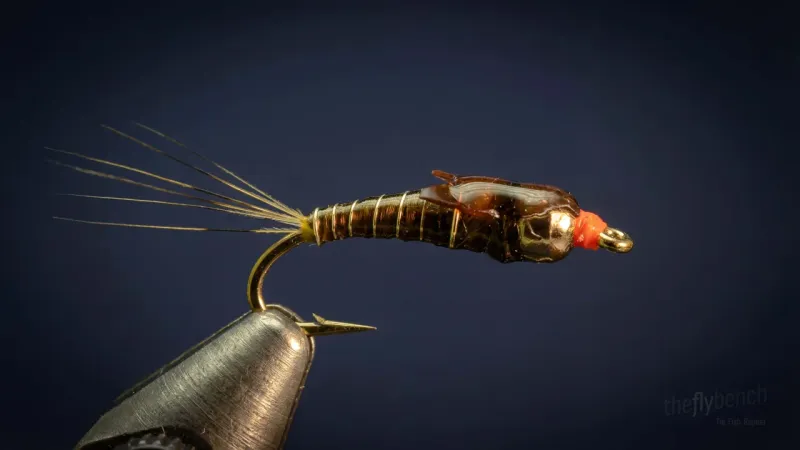
A refined Baetis nymph imitation with a streamlined profile and subtle coloring that excels in technical spring creeks and tailwaters. The aero design features a slender abdomen and sparse hackle that mimics emerging mayflies without spooking selective trout in gin-clear conditions.
Spring, Fall
Intermediate
Trout
Feb 2026
Overview
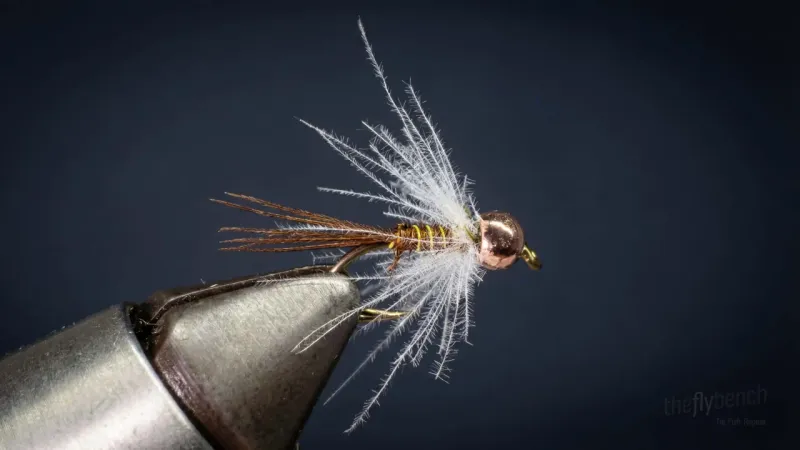
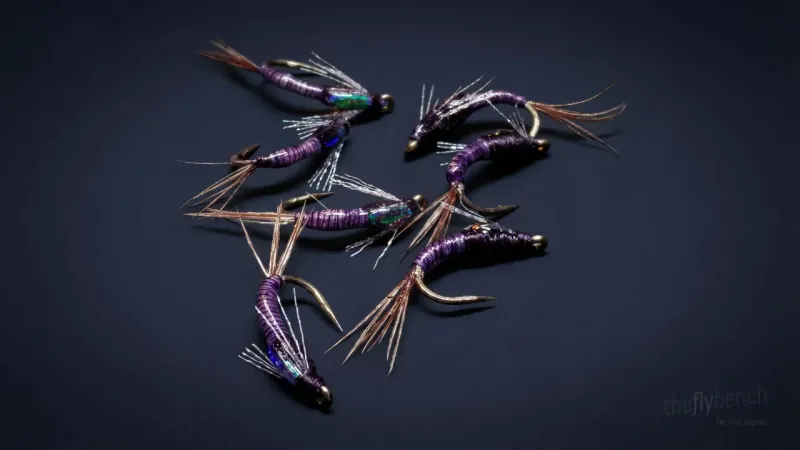
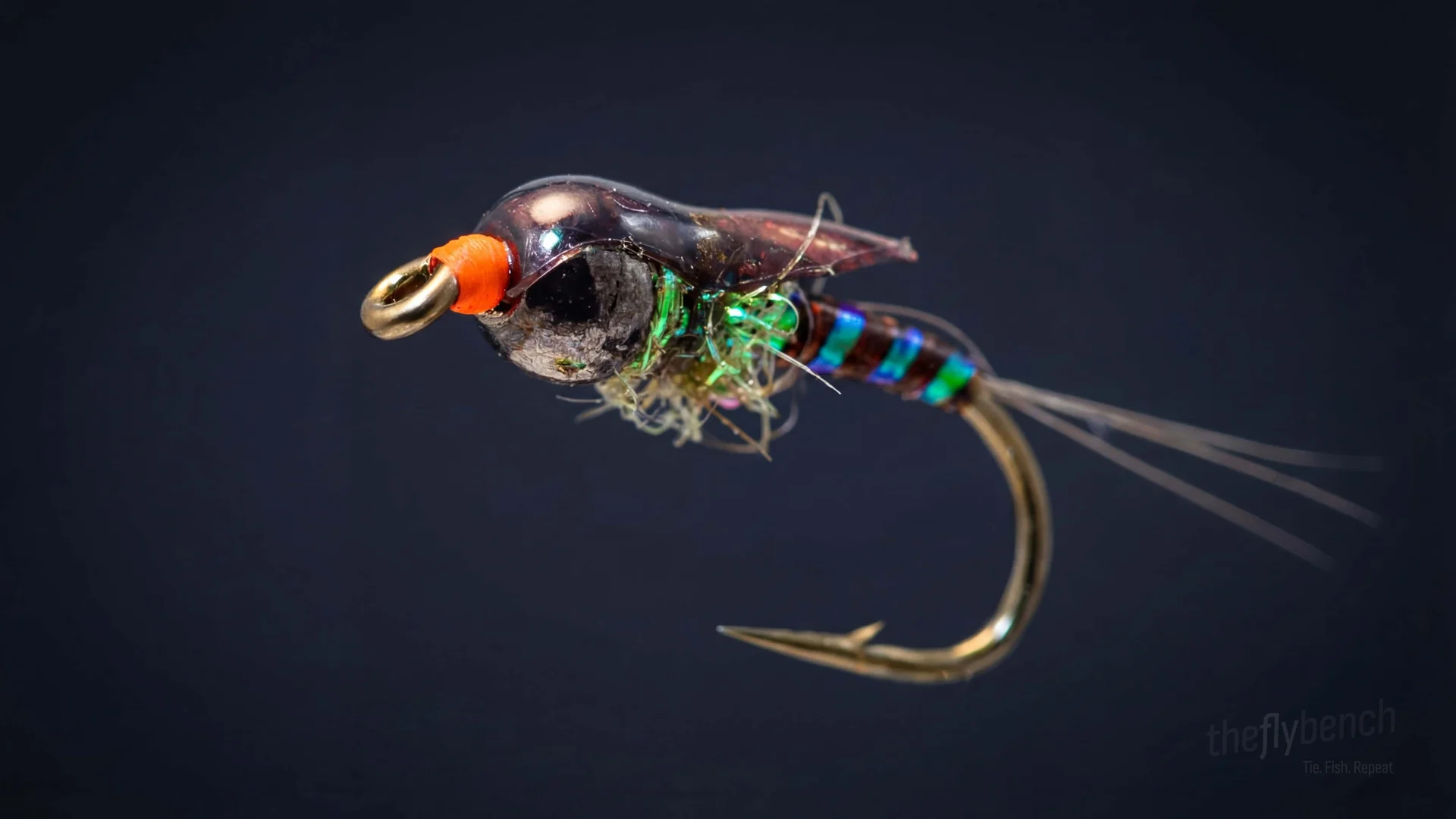
A modern take on the classic Baetis nymph, the Aero Baetis v2.0 uses a slim, tapered body of synthetic or natural dubbing, often in olive or brown, with a contrasting hot spot behind the bead. The fly typically includes fine wire ribbing for segmentation, a small wingcase (sometimes Flashback), and a sparse tail of Coq de Leon. It's built on a barbless jig hook and finished with a tungsten bead to get down quickly, making it perfect for Euro-style nymphing setups.
Where to Buy This Fly
We only link to fly shops we trust. Some links are referral links, which may earn us a commission at no extra cost to you.
Materials
- Hook:
- Daiichi 1550 - Standard Wet Fly Hook - 18
- Thread:
- Danville Flat Waxed Nylon Thread - 70 Denier - Olive, Fl. Orange
- Bead:
- Plummeting Tungsten Beads - Metallic Olive - 5/64" (2.0mm)
- Tail:
- Whiting Coq De Leon Euro Nymph Tailing Pack - Dark Pardo
- Body:
- Veevus Holographic Tinsel - Brown - Medium
- Ribbing:
- Dyed Pearl Flashabou - 6969 - Olive
- Thorax:
- Hare'e Ice Dub - Olive Brown
- Wing Case:
- Thin Skin - Gator, Brown/Black
- Resin:
- Loon Fluorescing UV Clear Fly Finish
Behavior & Presentation
Natural Behavior: Baetis nymphs dart between rocks using rapid tail-flicking motions, releasing into drift multiple times daily during behavioral drift periods. Their distinctive three-tailed profile and peak drift activity during low-light conditions make them highly vulnerable to feeding trout.
Where Trout Eat It: Clear runs, riffles, and tail-outs in 1-4 feet with moderate current and rocky substrates.
How to Fish It: Use delicate, drag-free drifts along river bottoms with high-stick nymphing or Euro techniques.
Best Water: Target tail-outs, runs, and riffle edges where baetis nymphs thrive on rocky substrate.
Strike Type: Trout take this small tungsten nymph with a quick tick or momentary weight-change felt in the rod tip during tight-line contact, demanding immediate reaction.
Fishing Strategy
Rigging Suggestions: Use 5X-6X fluorocarbon tippet with 9-12 foot leaders for stealth. The metallic bead provides adequate weight for most presentations. Fish solo or as a point fly in Euro setups.
Seasonal Timing: Prime time during (March-May) and (September-November) when baetis hatches are most prolific. Cooler, overcast days with temperatures between 45-60°F trigger the most consistent emergences.
Pro Tips: The aerodynamic wingcase and segmented body create realistic baetis anatomy. The metallic bead adds subtle flash without overpowering the natural silhouette in clear water conditions.
Entomology
Baetis nymphs are highly active swimmers that dart between rocks and vegetation using rapid tail-flicking motions, often releasing into the drift multiple times per day during behavioral drift periods. These small mayfly nymphs (size 16-20) have a distinctive three-tailed profile and exhibit peak drift activity during low-light conditions at dawn and dusk. Their predictable drift patterns and high vulnerability when tumbling in the current make them a primary food source for trout in tailwaters and freestone streams year-round.
- Order
- Ephemeroptera
- Family
- Baetidae
- Common Name
- Baetis
- Organism Type
- insect
- Life Stage
- nymph