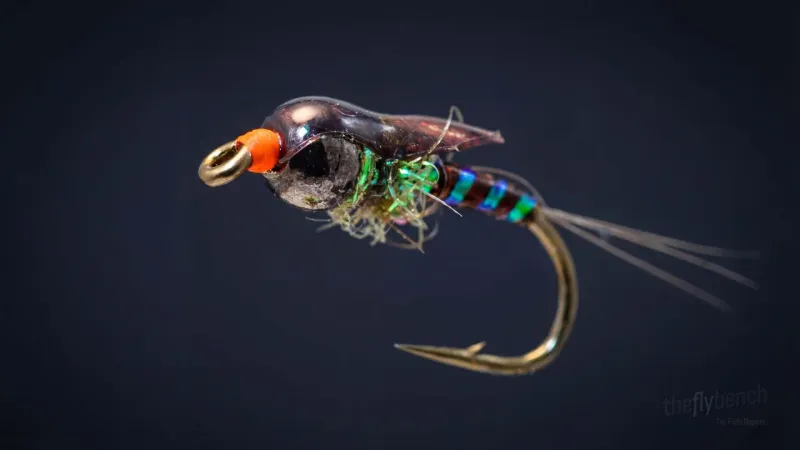
Midge / EmergersQuigley's Film Critic
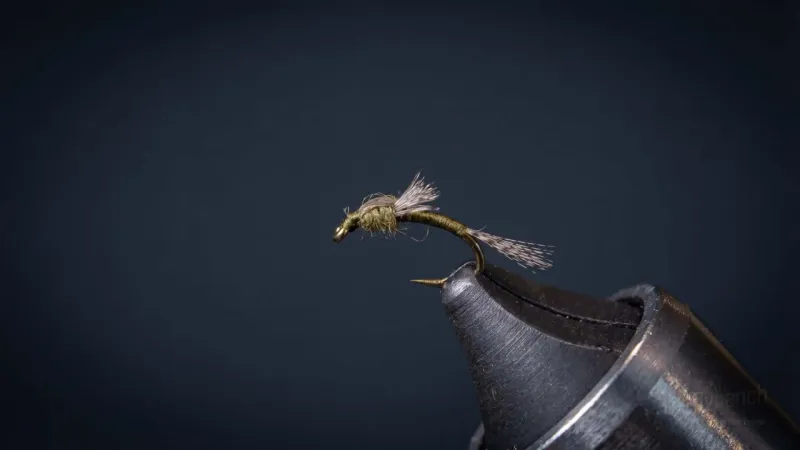
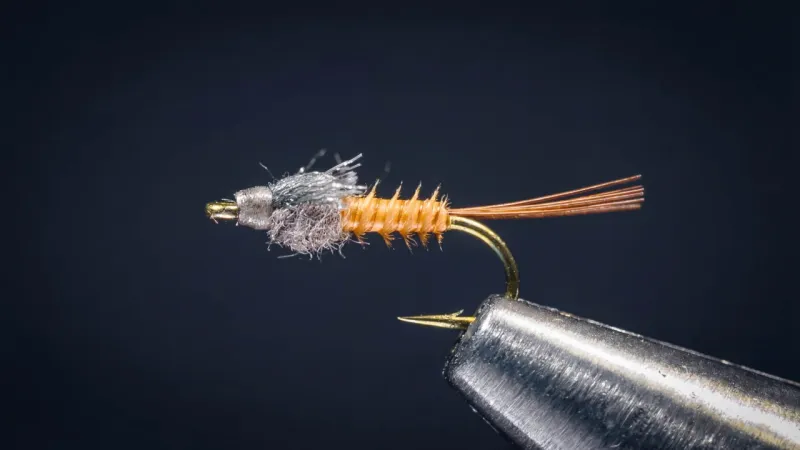
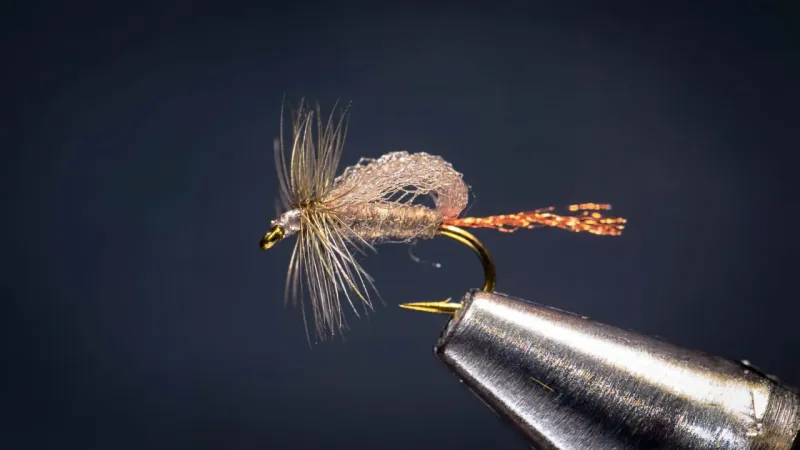
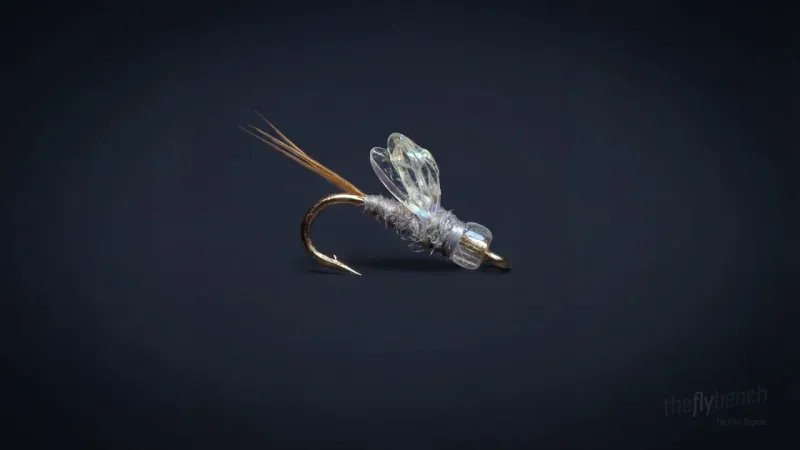
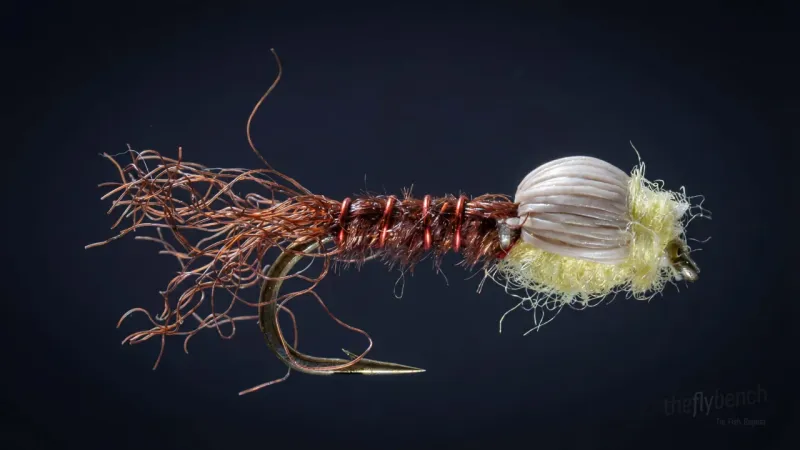
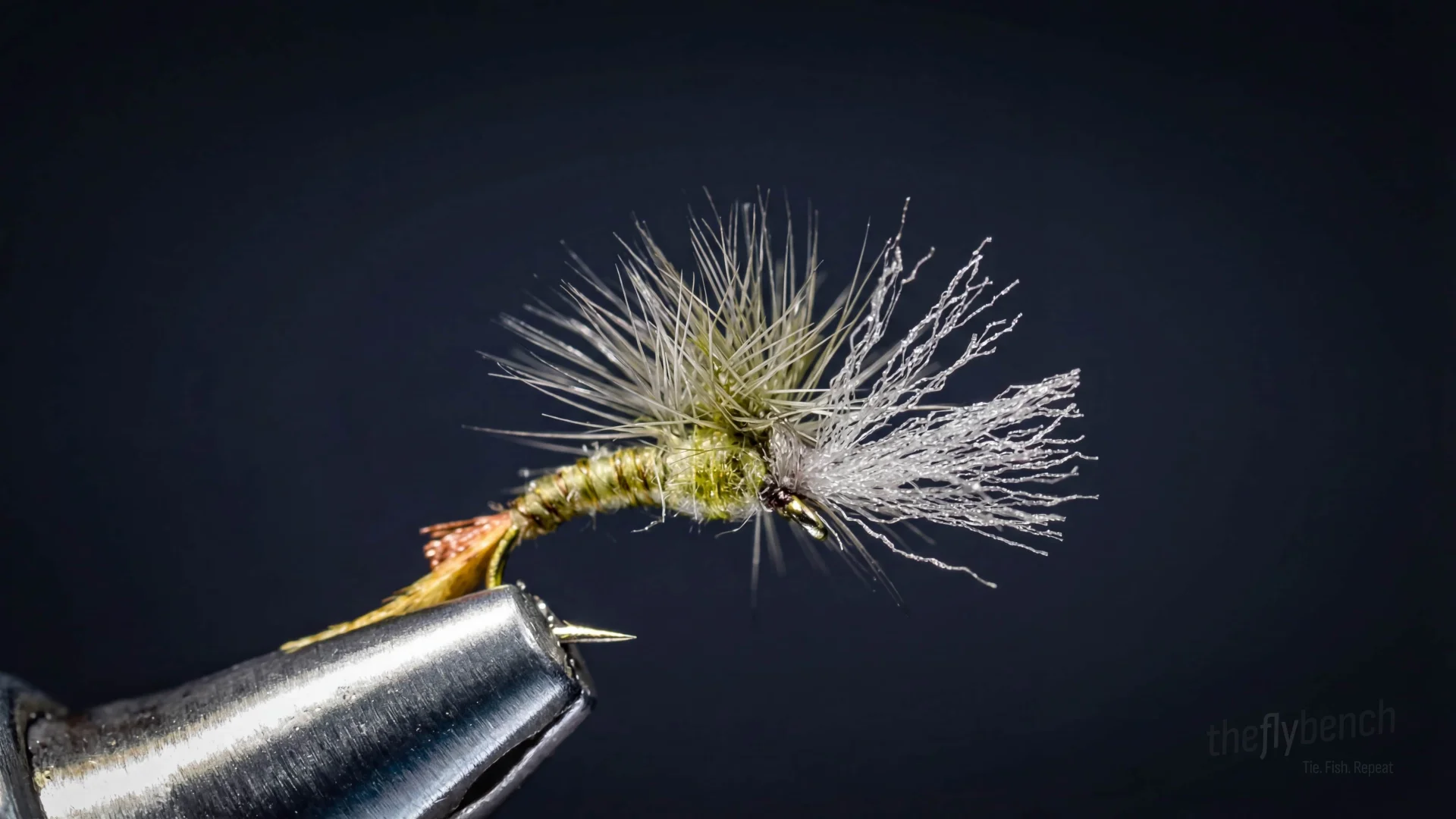
Quigley's Film Critic is a sophisticated emerger pattern designed by legendary tier Bob Quigley to imitate mayflies trapped in the surface film during emergence. This pattern features a curved hook to suggest the emerging nymph's profile, a dual-material tail combining woodduck mallard flank with antron yarn for a trailing shuck effect, a grey olive dubbed body with copper wire ribbing, a dun poly yarn wing, and sparse blue dun hackle clipped on the bottom to sit the fly properly in the film.
Spring, Summer, Fall
Intermediate
Trout
Dec 2025
Overview
This Bob Quigley pattern tied by Charlie Craven from Charlie's Fly Box represents one of the most effective emerger designs for selective trout. The pattern's name reflects its purpose - imitating mayflies critically positioned in the surface film where they're most vulnerable. The dual tail materials serve different purposes: the woodduck mallard fibers suggest natural tailing fibers while the antron yarn creates a trailing shuck suggesting the nymphal case the emerger is escaping. The curved Tiemco 2487 hook is essential to the pattern's profile, placing the body at the correct angle in the surface film. The hackle is typically clipped flat on the bottom to ensure the fly rides properly with the body penetrating the film while the wing and hackle remain above.
Where to Buy This Fly
We only link to fly shops we trust. Some links are referral links, which may earn us a commission at no extra cost to you.
Materials
- Hook:
- Tiemco 2487, #14-18
- Thread:
- Nanosilk 18/0 (Semperfli), dark brown
- Tail:
- Mallard Flank, woodduck gold
- Shuck:
- Antron Yarn, copper or brown
- Rib:
- Wire (UTC), copper fine
- Body:
- Superfine Dubbing, grey olive
- Wing:
- Poly Yarn, dun
- Hackle:
- Rooster Cape or Saddle, blue dun
- Thorax:
- Superfine Dubbing, grey olive
Behavior & Presentation
Natural Behavior: Emerging mayflies struggle in surface tension during nymph-to-adult transformation, partially submerged with trailing shucks still attached. Fish fixate on these defenseless emergers concentrated in specific feeding lanes during peak hatch activity.
Where Trout Eat It: Trout sip emergers hanging in the surface film of slower pools, eddies, and flat runs where educated fish focus on vulnerable transitional stages. Spring creeks and tailwaters concentrate selective feeding.
How to Fish It: Dead drift in the surface film positions the body below and wing above water, matching the critical emerger profile. Apply floatant only to wing and hackle for proper film penetration.
Best Water: Target eddies where emergers accumulate, pools with inspection time for selective feeding, and slicks allowing detailed surface examination.
Strike Type: Subtle film disturbances or barely visible sips require patient observation before gentle hook sets.
Fishing Strategy
Rigging Suggestions: Fish on a 12-15 foot leader tapering to 6X-7X fluorocarbon tippet for delicate presentations. Apply floatant sparingly to the wing and hackle only - the body should penetrate the surface film.
Seasonal Timing: Most effective during, and mayfly emergences. Particularly productive during PMD, BWO, and other mayfly hatches when trout are keyed on emergers in the film.
Pro Tips: The dun poly yarn wing provides visibility for the angler while the blue dun hackle supports the fly in the film. The body hangs below the surface, creating the critical emerger profile that selective trout key.
Entomology
Emerging mayflies struggle in the surface tension as they transition from nymph to adult, partially submerged with their shucks still attached. Fish become fixated on these emergers because the insects are completely defenseless during this transformation and concentrated in specific feeding lanes.
- Order
- Ephemeroptera
- Common Name
- Mayfly
- Organism Type
- insect
- Life Stage
- emerger