Midge / EmergersParachute Floating Nymph
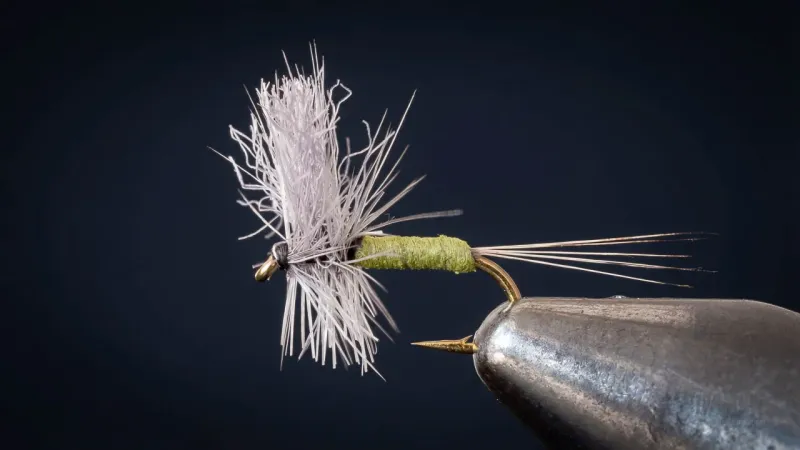
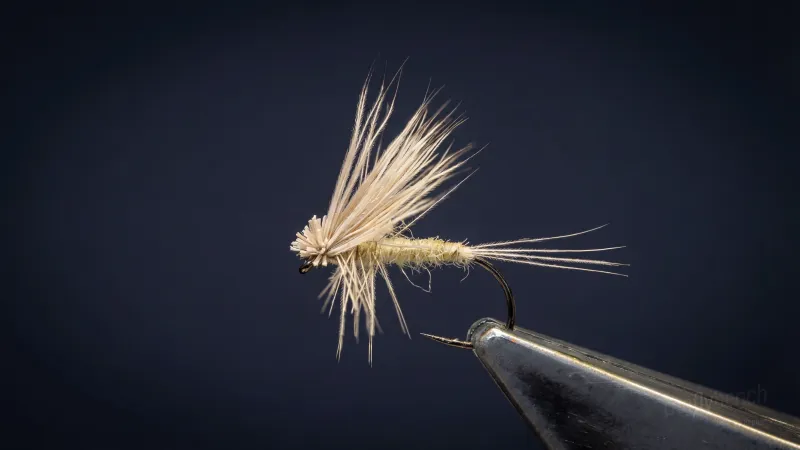
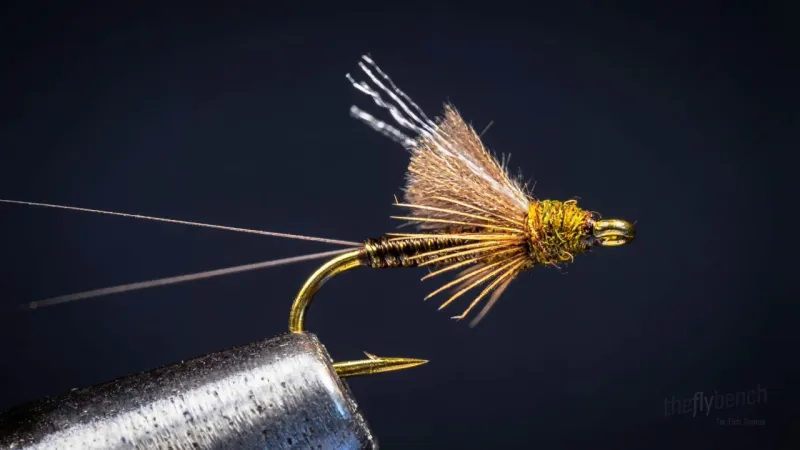
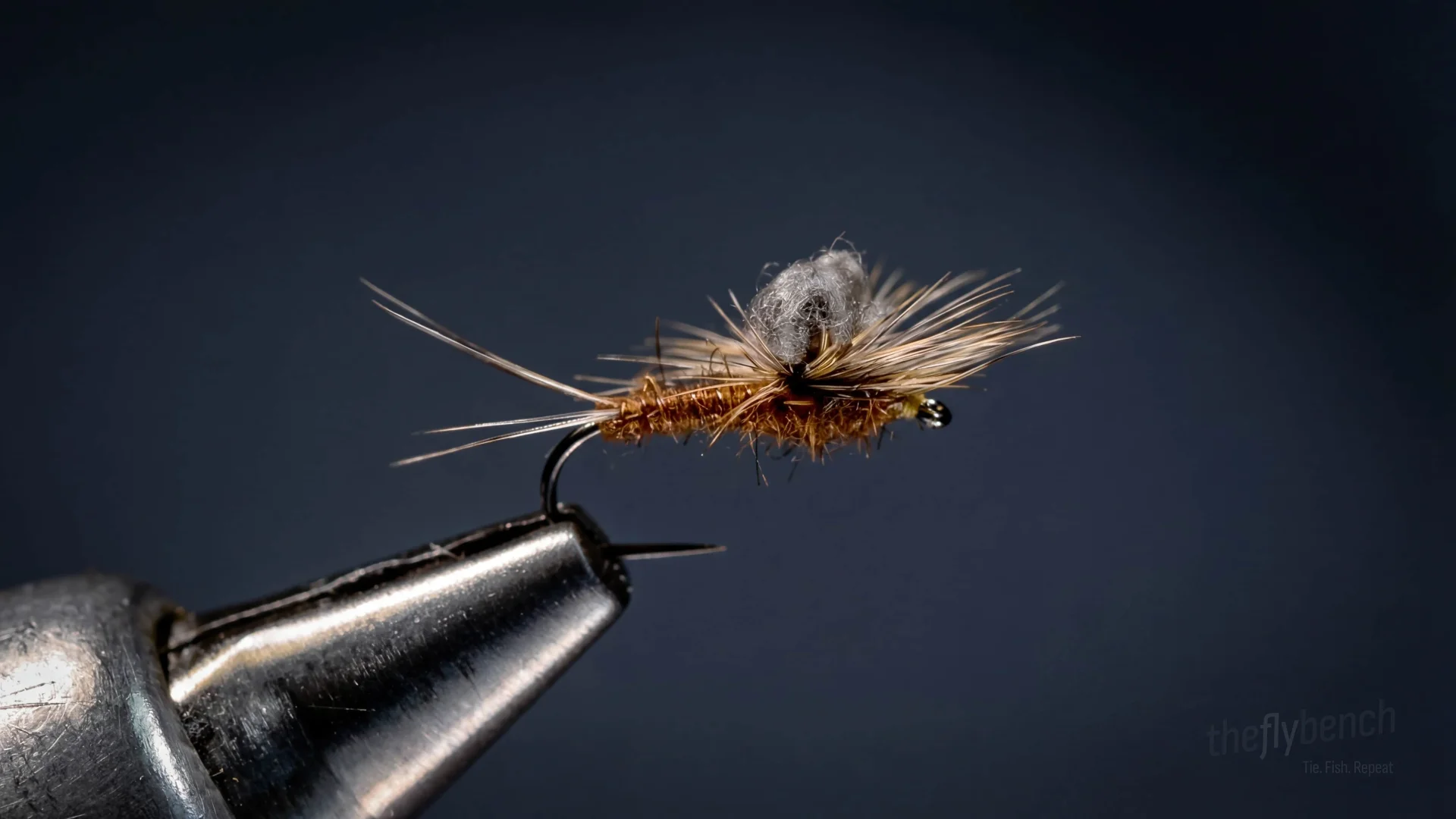
The Parachute Floating Nymph is an emerger pattern that suspends the fly body in the surface film while keeping the parachute hackle visible above the water. This design imitates mayfly nymphs trapped in the surface tension during emergence. The pattern features a hare's mask dubbing body with copper wire ribbing for a buggy nymphal appearance, splayed hackle fiber tails, and a dubbed wing post around which barred ginger hackle is wound parachute-style.
Spring, Summer, Fall
Intermediate
Trout
Dec 2025
Overview
This Charlie Craven pattern from Charlie's Fly Box represents a versatile emerger design that bridges the gap between traditional dry flies and nymphs. The dubbing post is an innovative feature that eliminates the need for post materials like calf tail or polypropylene, creating a soft, buggy appearance that suggests the emerging wingcase of natural mayflies. The barred ginger hackle adds realistic mottling while providing the buoyancy needed to suspend the fly properly in the film. The hare's mask dubbing creates a natural, buggy texture that mimics the appearance of emerging mayfly nymphs. The Tiemco XC110BL-BN hook provides the curved shank profile ideal for emerger patterns.
Materials
Hook: Tiemco XC110BL-BN (or Umpqua X Series), #14-18
Thread: Veevus 14/0, tan
Tail: Rooster Cape or Saddle, dark barred ginger or dun
Body: Hare's Mask Dubbing (Nature's Spirit), brown
Rib: Wire (UTC), copper x-small
Post: Superfine Dubbing, gray
Hackle: Rooster Cape or Saddle, dark barred ginger
Thorax: Hare's Mask Dubbing (Nature's Spirit), brown
Behavior & Presentation
Natural Behavior: Mayfly nymphs swim upward through the water column with undulating body movements, pausing just beneath the surface film as their thorax begins to split. The curved shank and hackle placement positions the fly precisely at this transition zone where emergers are most vulnerable.
Where Trout Eat It: Trout intercept late-stage mayfly emergers in the surface film where the parachute post represents emerging wing and body. Fish sip deliberately on emergers just below or in the film during baetis and PMD hatches in Rocky Mountain waters.
How to Fish It: Dead drift with 5X-6X fluorocarbon, applying floatant sparingly to hackle and post only so body penetrates film. Occasional lift or swing at drift end triggers strikes. The gray dubbing post and barred hackle provide visibility while sitting properly in the film.
Best Water: Slow tail-outs, eddies, and slicks where mayfly emergers concentrate during ascent, targeting foam lines and current breaks on freestone and spring creek systems.
Strike Type: Fish take emergers in the film with delicate sipping motions; the indicator dips slightly or hesitates rather than diving, requiring a gentle hookset to avoid breaking fine tippet.
Fishing Strategy
Rigging Suggestions: Fish on a 9-12 foot leader tapering to 5X-6X fluorocarbon tippet for delicate presentations. The parachute design lands softly and provides excellent visibility for the angler. Apply floatant sparingly to the hackle and post only.
Seasonal Timing: Most effective during, and mayfly hatches. Particularly productive when fish are sipping emergers just below or in the surface film.
Pro Tips: The gray dubbing post and barred hackle provide excellent visibility while the pattern sits properly in the film. The body should penetrate the surface tension while the hackle keeps the fly from sinking.
Entomology
Mayfly nymphs ascend through the water column in a vulnerable swimming motion just before breaking through the surface to emerge. Fish focus intensely on emergers during hatches because these transitioning insects are defenseless and concentrated, offering easy pickings during predictable windows.
- Order
- Ephemeroptera
- Common Name
- Mayfly
- Organism Type
- insect
- Life Stage
- emerger