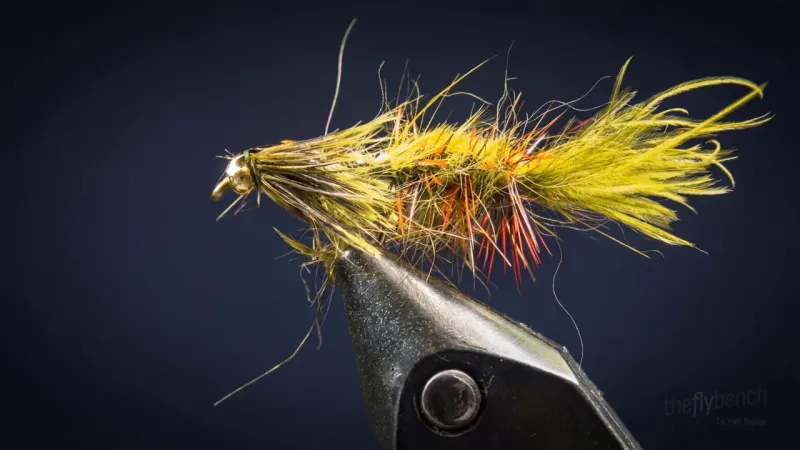
NymphThe Stillwater Nymph
A versatile nymph designed for stillwater conditions, this fly mimics natural aquatic insects with subtle colors and delicate movement to entice cautious trout.
Year Round
Intermediate
Trout
Apr 2025
Overview
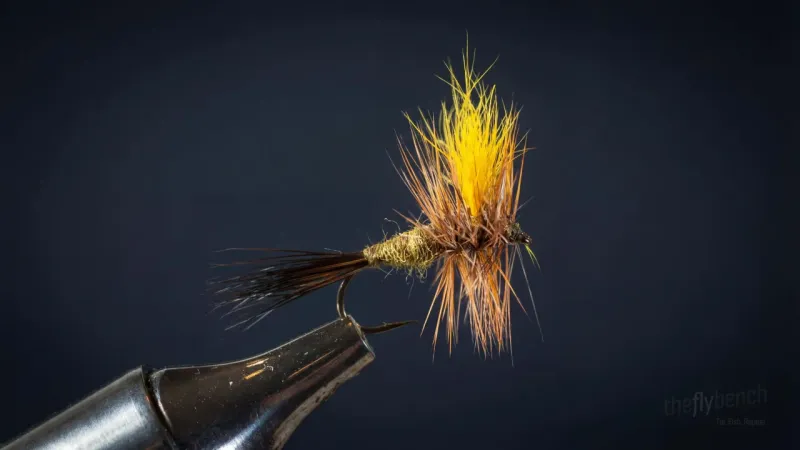
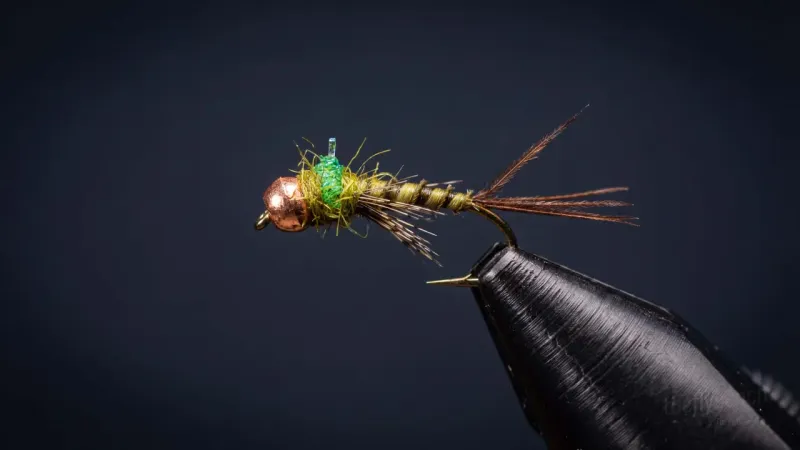
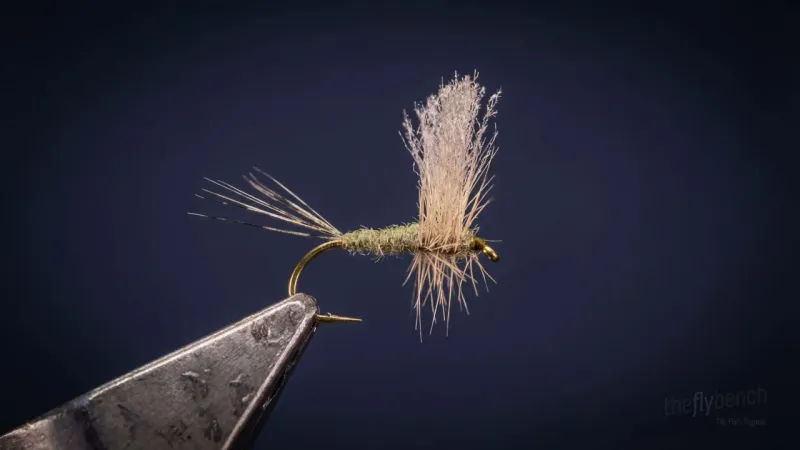
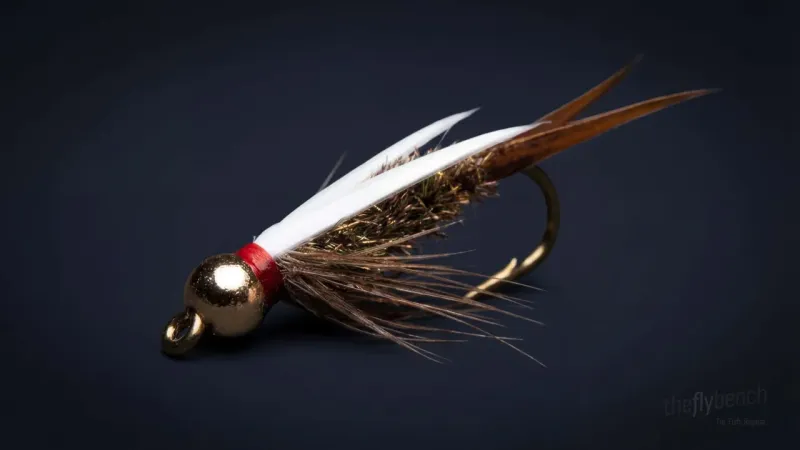
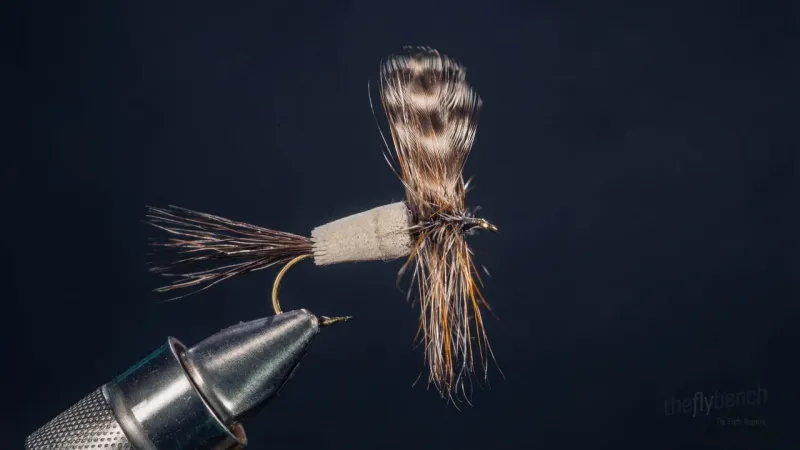
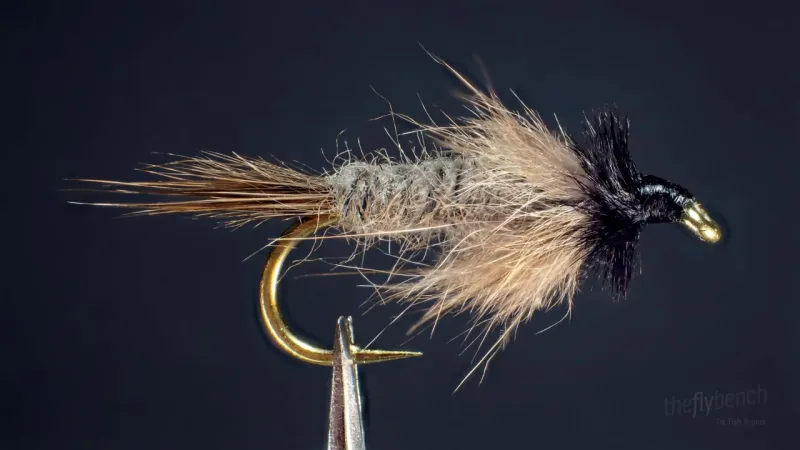
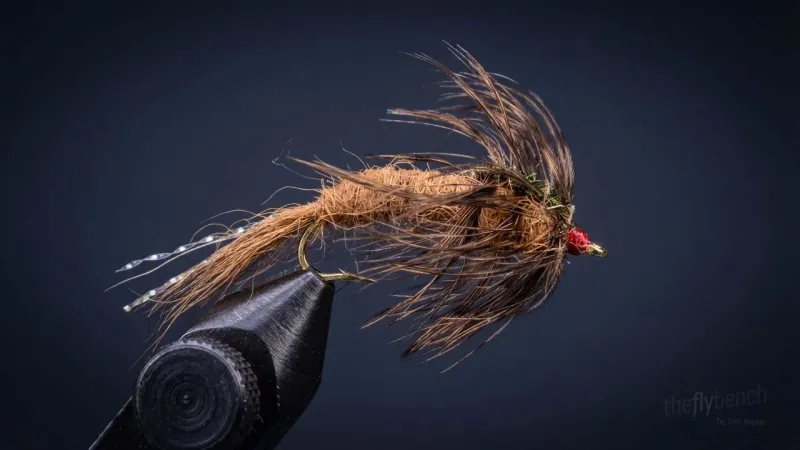
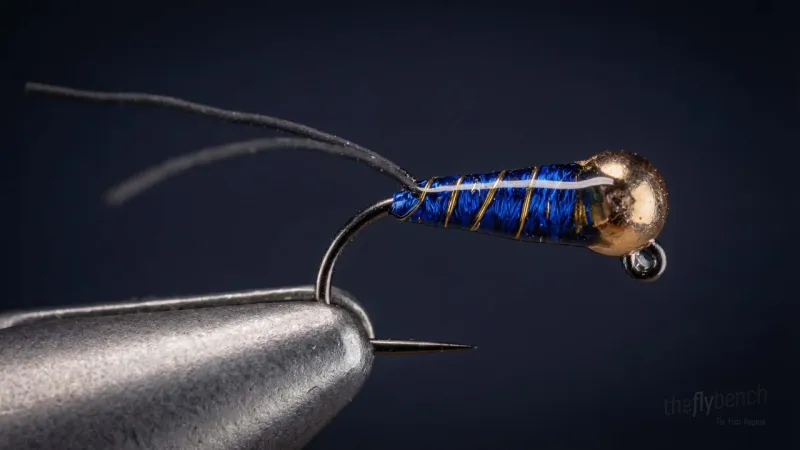
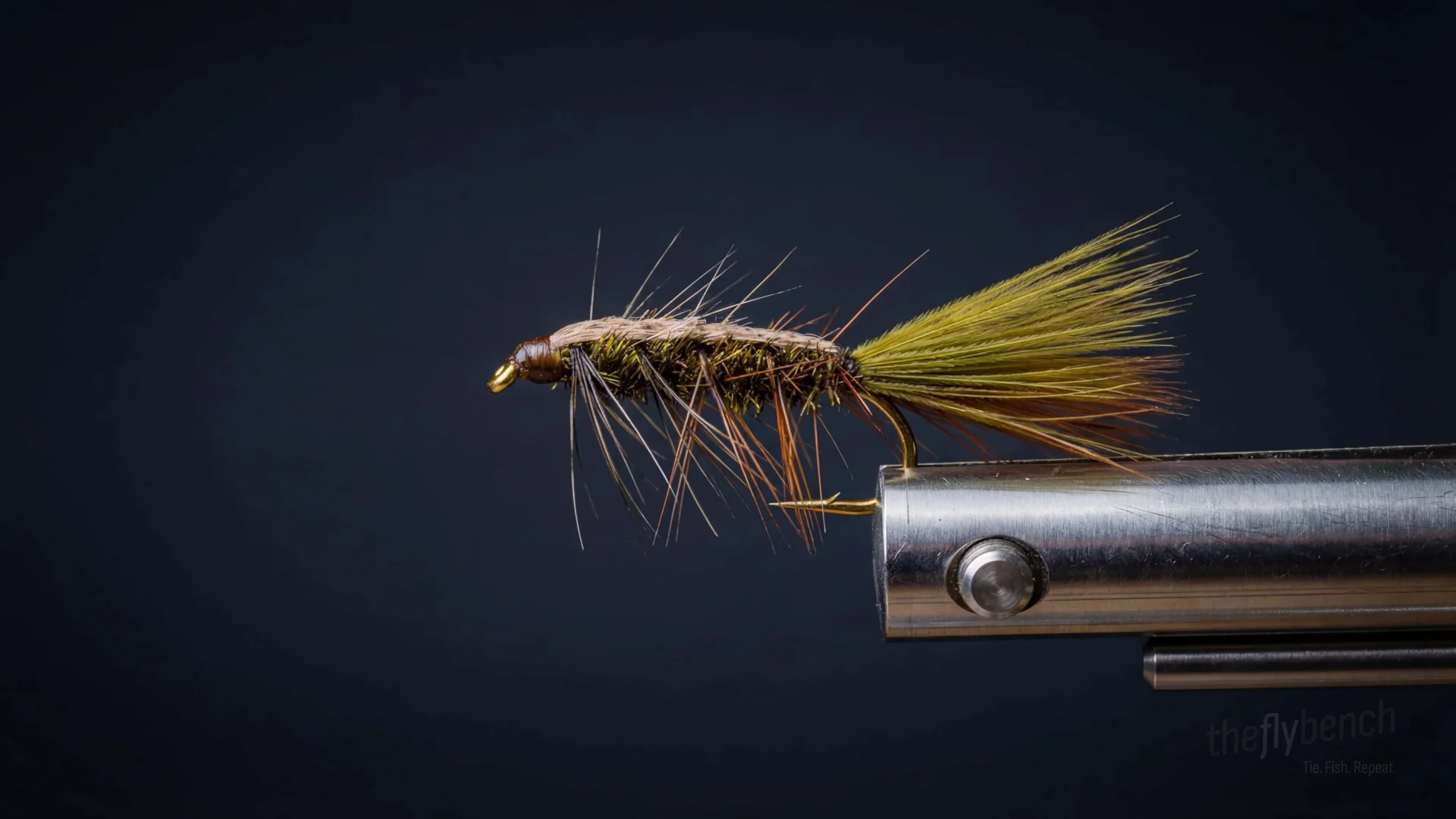
The Stillwater Nymph is a general-purpose subsurface pattern designed for lake and pond fishing. It typically features a slender, lightly dubbed body in natural shades like olive or brown, a soft tail of marabou or pheasant tail, and may include a subtle ribbing of wire or flash. Often tied unweighted or with a slim bead, it's meant to imitate a range of aquatic insects like damselfly nymphs, midges, or small mayflies. Its simplicity makes it ideal for covering slow water columns with a steady, slow retrieve or suspended under an indicator.
Where to Buy This Fly
We only link to fly shops we trust. Some links are referral links, which may earn us a commission at no extra cost to you.
Materials
- Hook:
- Fulling Mill Nymph Special FM17, #8-#14
- Thread:
- UTC Ultra Thread – Brown
- Tail:
- Marabou – Olive and Brown
- Body:
- Peacock Hearl – Alternate
- Ribbing:
- French Tinsel – Small Gold
- Hackle:
- Brown Saddle Hackle (Fiery Brown / Brown)
- Backing:
- Mallard Flank (Wood Duck / Natural)
Behavior & Presentation
Natural Behavior: Lake nymphs migrate deliberately between vegetation zones, swimming actively in open water when moving between feeding areas. This exposure makes them visible targets for cruising fish patrolling predictable routes.
Where Trout Eat It: Most productive over drop-offs, along weed edges, and across shoals where nymphs transition between structure zones.
How to Fish It: Count down to feeding depth, then use minimal retrieve or static suspension under indicator.
Best Water: Target drop-offs, weed edges, shoals, and shelf transitions in 6-20 foot depths.
Strike Type: Watch for indicator dips, subtle line tightening, or hesitation during retrieve.
Fishing Strategy
Rigging Suggestions: Use 5X-6X fluorocarbon tippet with 12-15 foot leaders. Add split shot 12-18 inches above the fly for depth control, or fish under a strike indicator with adjustable depth settings.
Seasonal Timing: Productive year-round in lake environments, with peak effectiveness during (April-May) and (September-October) when chironomid hatches and damselfly activity overlap. Remains consistent through .
Pro Tips: The fine ribbing adds subtle sparkle without overpowering the natural silhouette. The understated profile works well on pressured waters where trout have seen flashier patterns.
Entomology
Stillwater nymphs crawl deliberately through aquatic vegetation and along muddy lake bottoms, using slow, methodical movements to forage on detritus and smaller invertebrates. Unlike their river counterparts, lake-dwelling nymphs must swim actively between weed beds and structure, making them visible to cruising fish in open water. Their periodic migrations to shallow water during pre-emergence phases concentrate them in feeding lanes where trout patrol predictable routes.
- Organism Type
- insect
- Life Stage
- nymph