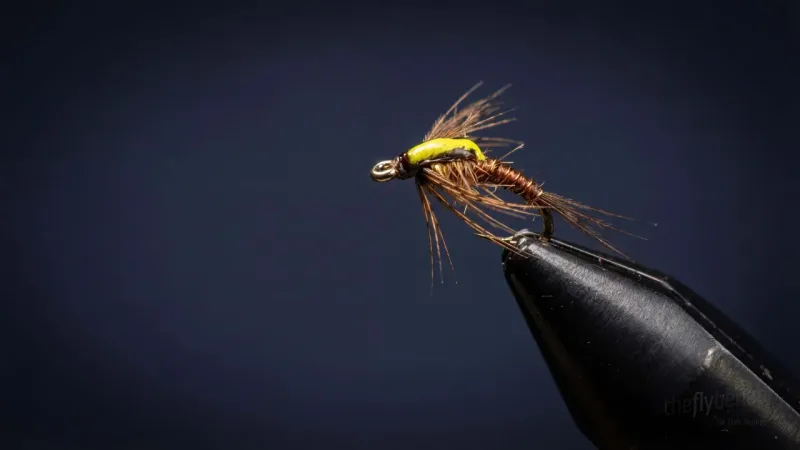
Midge / EmergersRS2
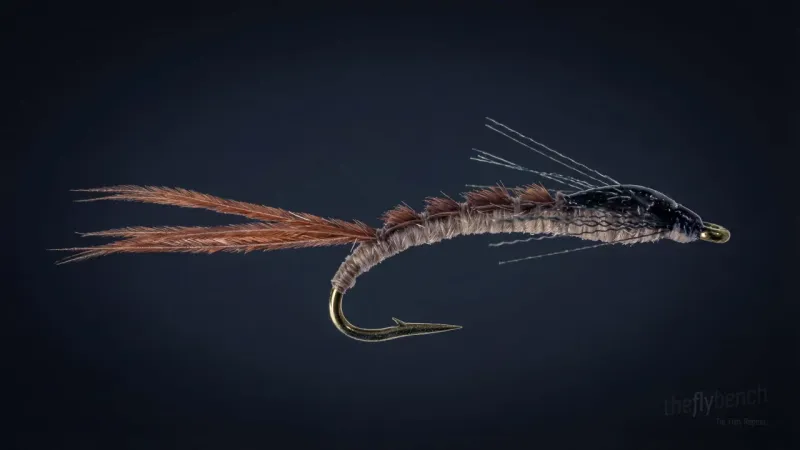
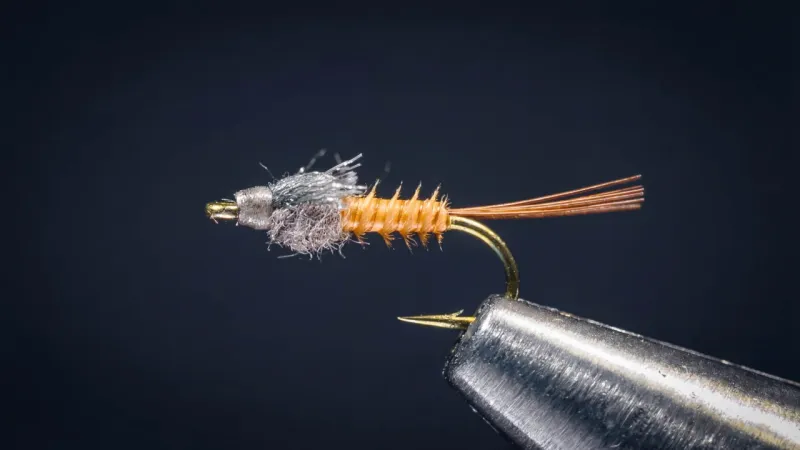
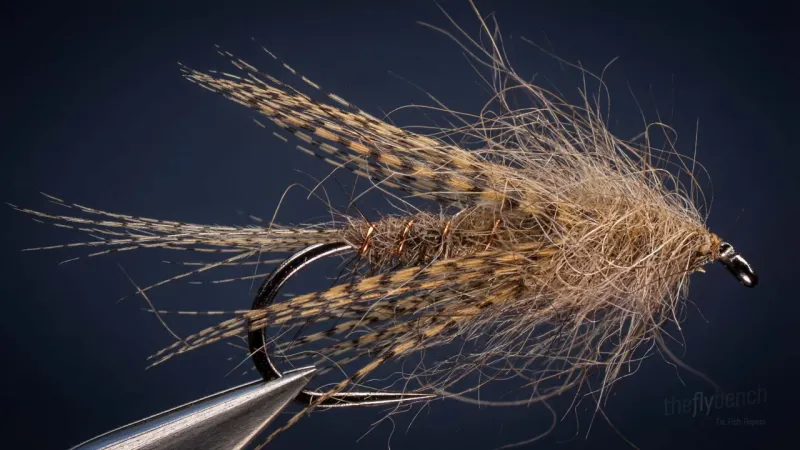
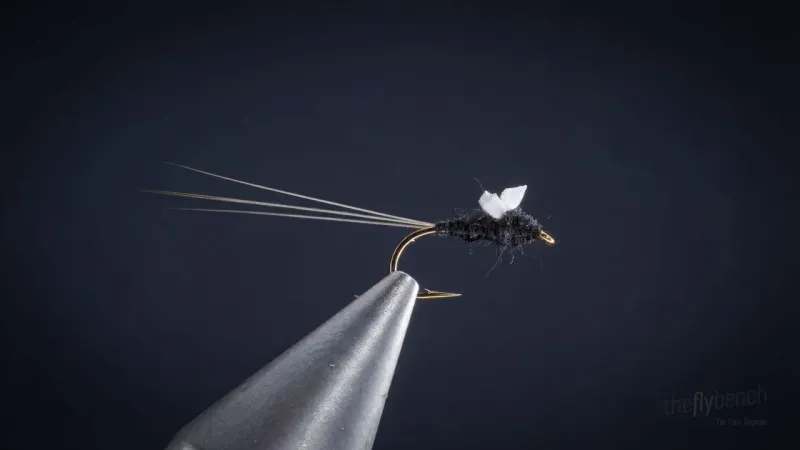
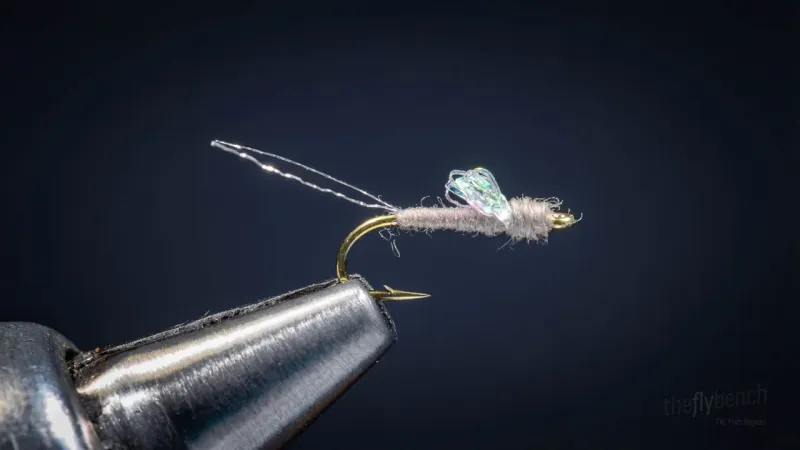
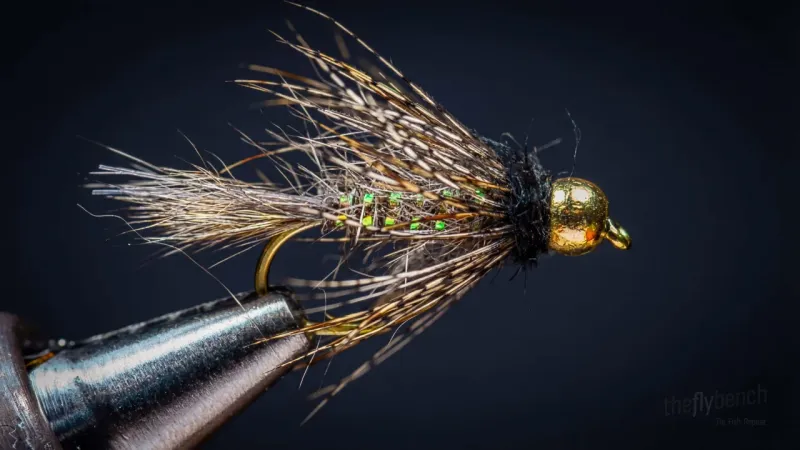
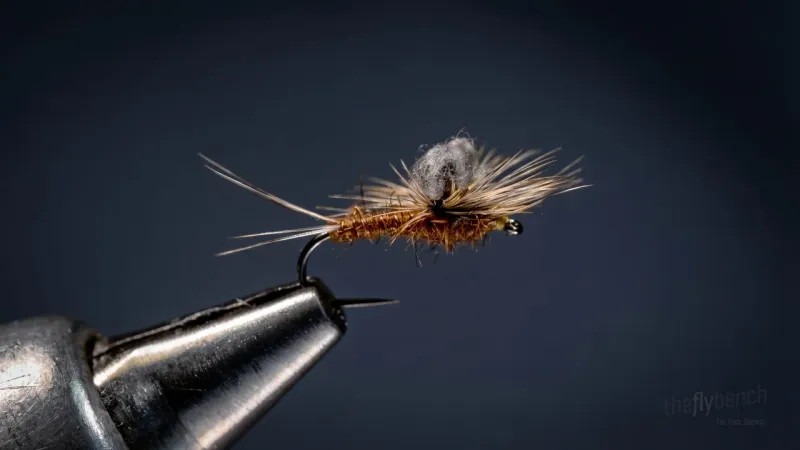
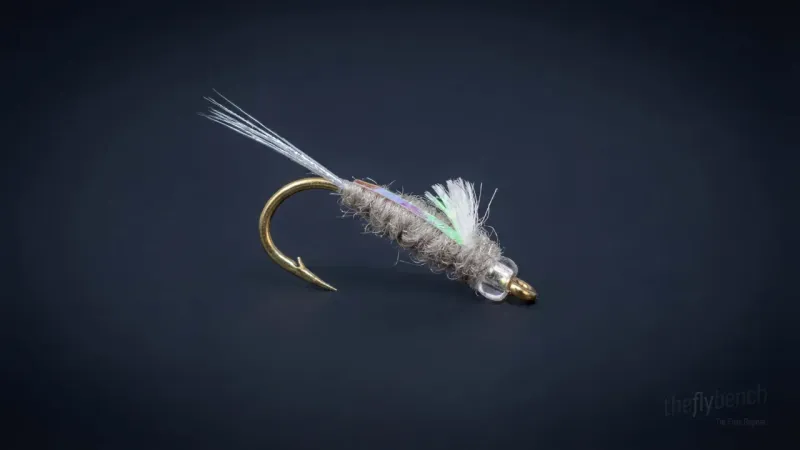
Versatile and effective fly imitates a range of small aquatic insects. The slim body and CDC wing make it an excellent imitation of a hatching midge or mayfly. Simple design is key to its success, particularly in pressured waters where fish see many patterns.
Spring, Summer, Fall
Intermediate
Trout
Apr 2025
Overview
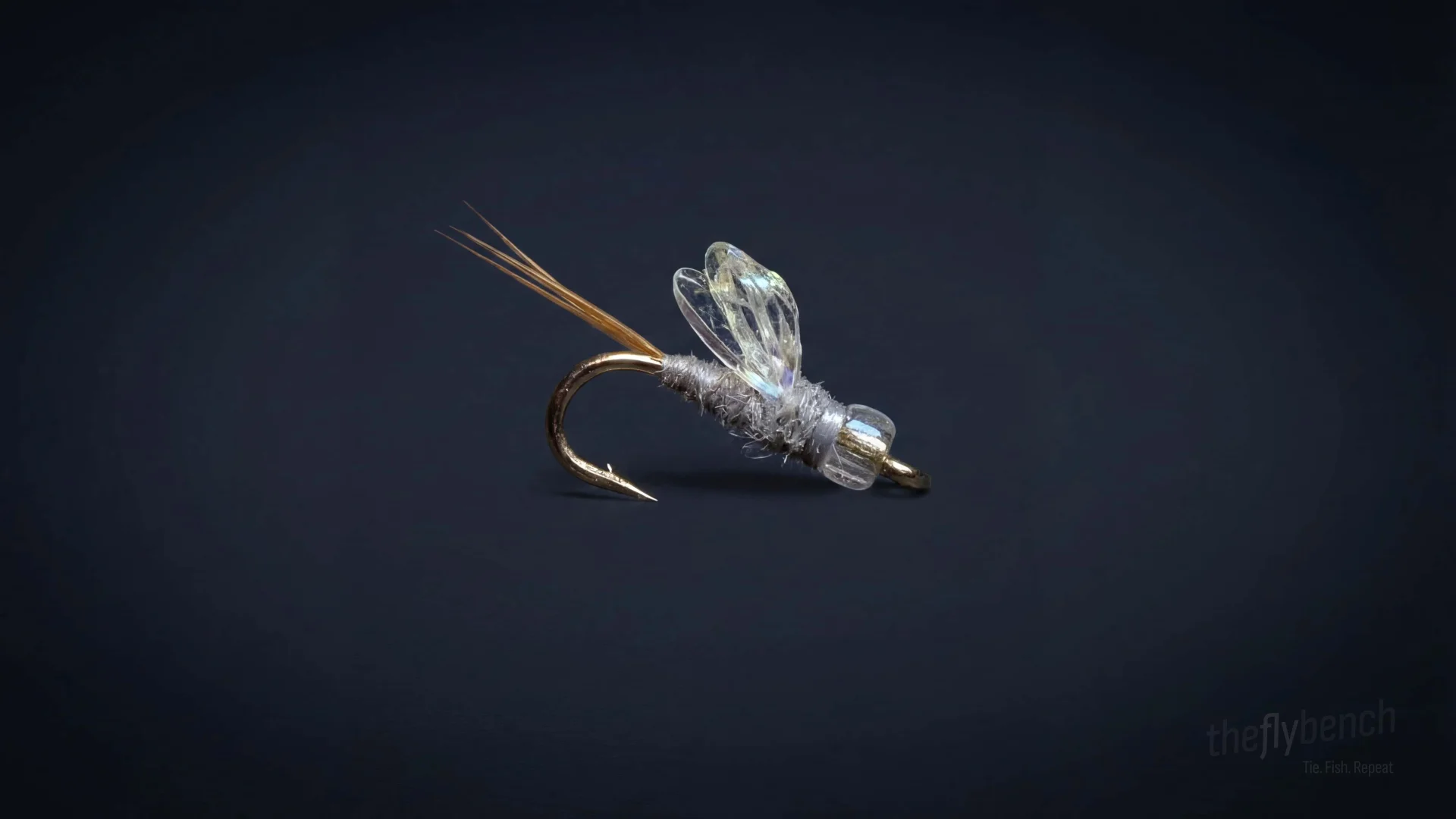
Slim emerger pattern developed by Rim Chung in the late 1970s, typically tied with a gray or olive thread/dubbed body, sparse microfibbet tail, and a small CDC or Antron wing. Its simplicity is key to its success in fooling selective trout. Often used in smaller sizes (#18-24) during BWO or midge hatches on tailwaters and spring creeks. The minimal materials create a delicate profile that sits naturally in the surface film.
Where to Buy This Fly
We only link to fly shops we trust. Some links are referral links, which may earn us a commission at no extra cost to you.
Materials
- Hook:
- Tiemco 101, sizes #16–#22
- Thread:
- Olive Brown UTC 70 Denier
- Tail:
- Brown saddle hackle or elk hair
- Abdomen:
- Olive Brown Superfine
- Wing:
- CDC oiler puff
- Thorax:
- Olive Brown Superfine
Behavior & Presentation
Natural Behavior: During emergence transitions, small mayflies and midges hang suspended just beneath the surface film as their bodies transform, wings partially unfolded and vulnerable. This transitional zone creates easy feeding opportunities for selective trout.
Where Trout Eat It: Fish suspend just below the film in smooth water, slicks, and tail-outs at depths of 6-18 inches during hatch activity.
How to Fish It: Dead drift in or just below the film, maintaining natural speed without drag or unnatural movement.
Best Water: Target slicks, tail-outs, back eddies, and seams at spring creek margins and tailwater runs where emergers concentrate.
Strike Type: Watch for subtle sips, indicator hesitations, or barely perceptible film movements as fish take gently.
Fishing Strategy
Rigging Suggestions: Try it as the top fly in a tandem nymph rig or on a dropper 18-24 inches off a dry fly. Use 5X-6X fluorocarbon tippet for delicate presentation.
Seasonal Timing: Most productive March-May and September-November during periods when midges and small mayflies are hatching. Water temperatures between 45-65°F are ideal.
Pro Tips: This fly is designed to sink to imitate an emerging insect. The CDC wing adds some movement and visibility, but it is a subtle pattern designed to fool wary fish in clear water.
Entomology
Small mayflies and midges drift in the transitional zone just below the water's surface as they prepare for emergence, their wing cases darkening and bodies beginning to shed their nymphal shucks. Fish position themselves in feeding lanes to intercept these ascending insects, which represent an easy target during the vulnerable transformation from aquatic to terrestrial life stage.
- Order
- Ephemeroptera
- Common Name
- Mayfly
- Organism Type
- insect
- Life Stage
- general