Midge / EmergersBarr's Emerger
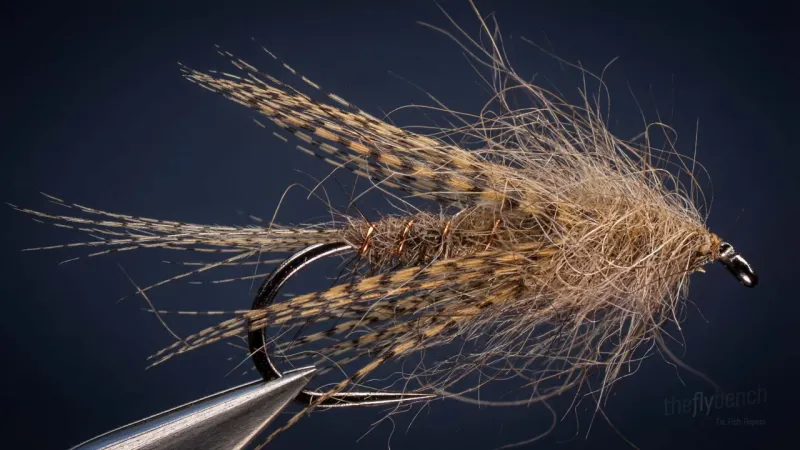
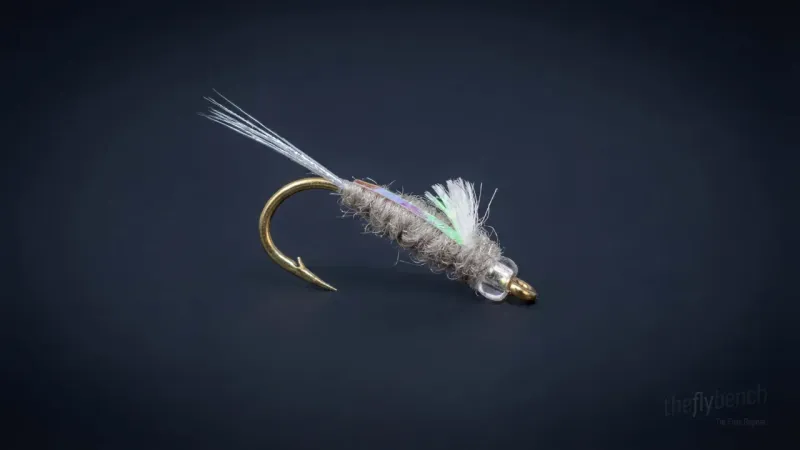
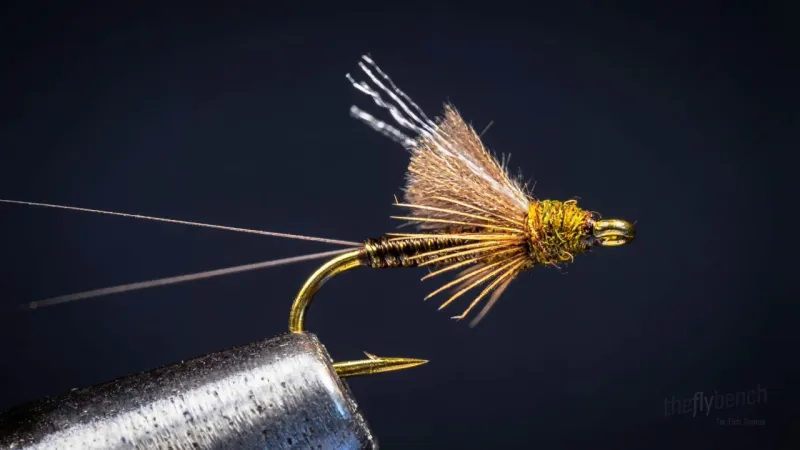
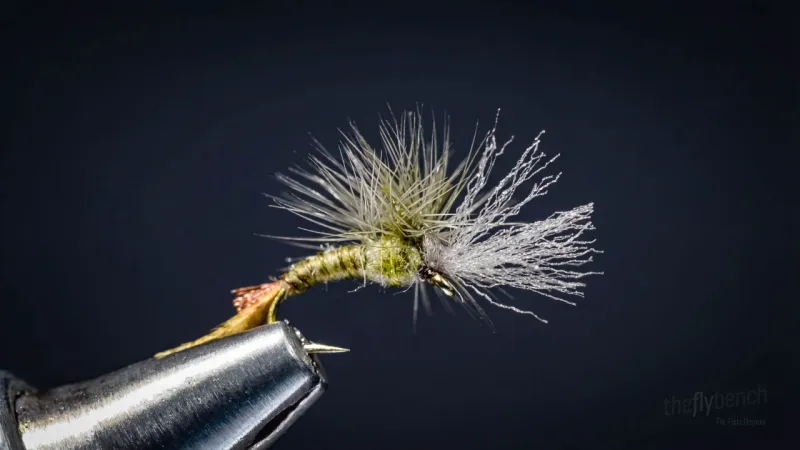
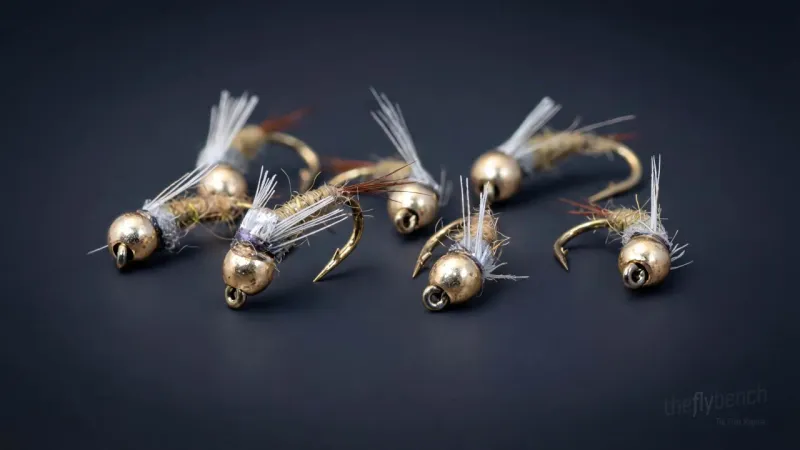
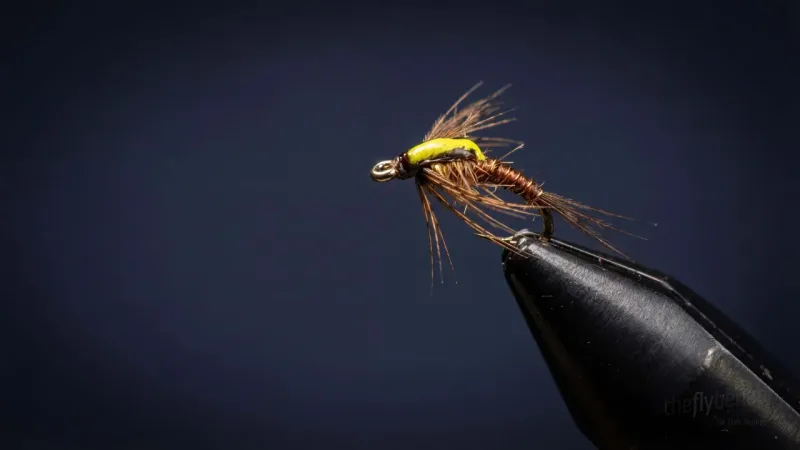
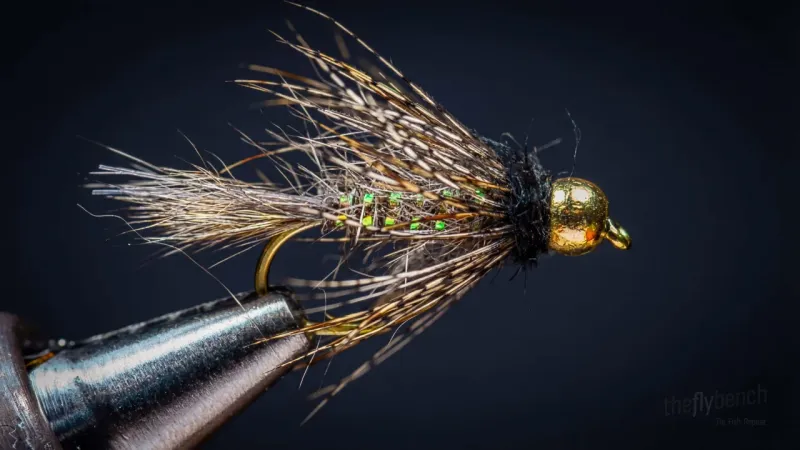
The Barrs Emerger is a versatile and effective pattern designed by John Barr. It is intended to imitate the emerging stage of mayflies, making it an effective choice during a hatch.
Spring, Summer, Fall
Intermediate
Trout
Apr 2025
Overview
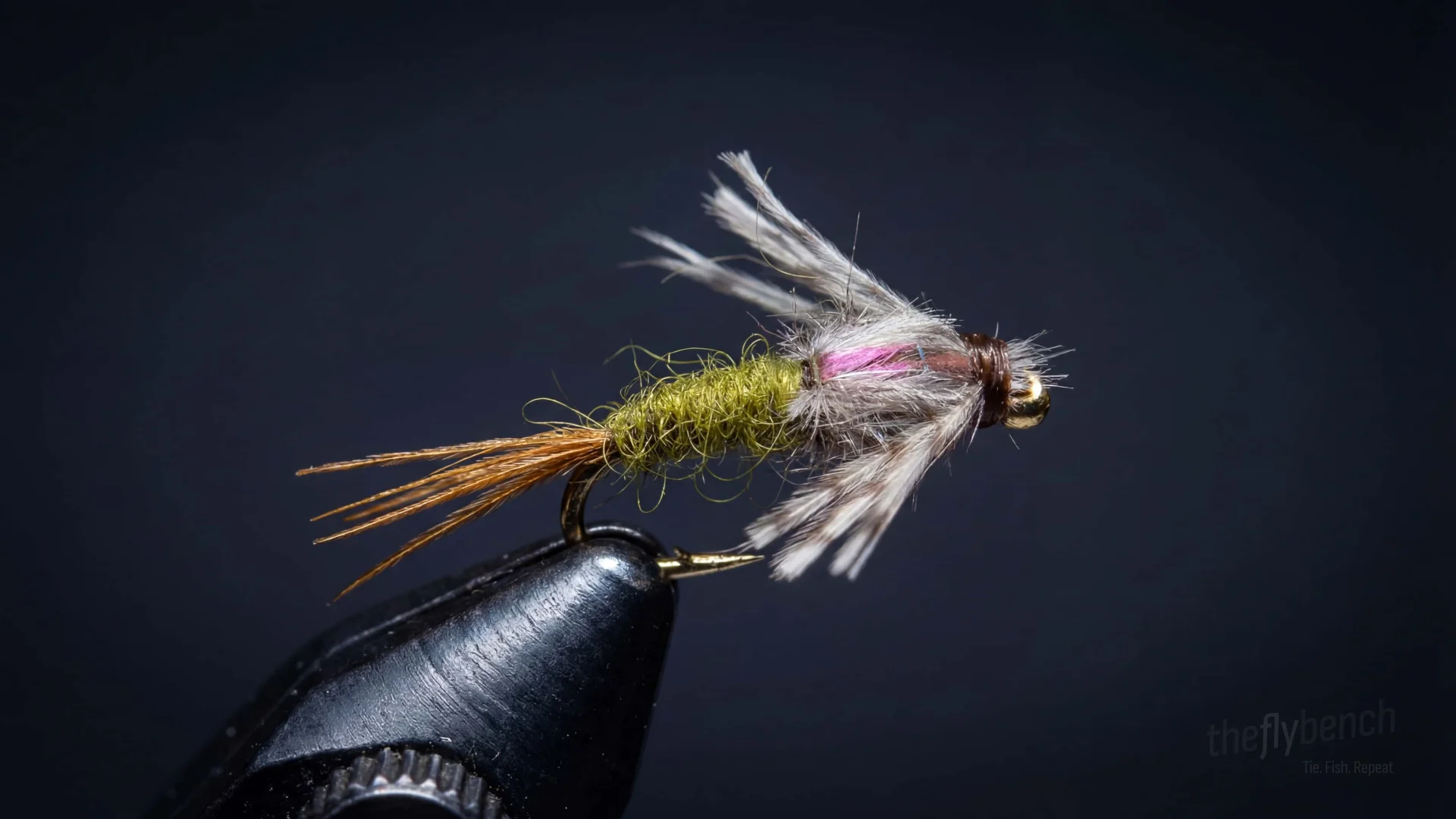
Barr's Emerger is a renowned mayfly emerger pattern developed by John Barr, designed to ride just below or in the surface film during a hatch. It comes in multiple color variations to match different mayfly species and is especially effective during the transitional stage when trout target vulnerable emerging insects.
Where to Buy This Fly
We only link to fly shops we trust. Some links are referral links, which may earn us a commission at no extra cost to you.
Materials
- Hook:
- Tiemco 2487, size #16–#20
- Thread:
- Olive Dun 8/0
- Tail:
- Brown Z-lon or similar synthetic material
- Abdomen:
- Light olive dubbing
- Wing case:
- Brown Swiss straw, cut to a point
- Thorax:
- Olive dubbing
- Legs:
- Brown Z-lon or similar synthetic material
Behavior & Presentation
Natural Behavior: Mayfly emergers transition from nymph to adult while suspended in the surface film, shedding their nymphal shuck as wings unfurl. This vulnerable emergence can last several minutes, during which the insects cannot dive or fly away, creating a predictable feeding opportunity as they hang trapped half-in, half-out of the water.
Where Trout Eat It: Trout feed just beneath the surface film in runs, riffles, and tailouts where emergers collect in current seams.
How to Fish It: Fish with drag-free drifts in the surface film, focusing on seams and eddies where emergers naturally accumulate.
Best Water: Most effective in tail-outs, seams, and eddies where surface currents concentrate struggling emergers.
Strike Type: Fishing drag-free drifts in seams and eddies where emergers accumulate, watch for quiet dimples or subtle nose-breaks in the film. Strikes often appear as barely visible surface disturbances rather than splashy rises.
Fishing Strategy
Rigging Suggestions: Use a 9-foot leader with 5X or 6X tippet for delicate presentation. Can be fished alone or as a dropper behind a visible dry fly attractor.
Seasonal Timing: Most effective from May through October during mayfly hatches, particularly Blue-Winged Olive and Pale Morning Dun emergences.
Pro Tips: This fly sits in the surface film creating a realistic silhouette against the surface that trout key on. The synthetic materials in the tail and legs add lifelike movement.
Entomology
Mayfly emergers transition from nymph to adult in the surface film, shedding their nymphal shuck while unfurling wings in a process that leaves them trapped and vulnerable for critical minutes. During this emergence phase, the insects cannot dive back to safety or fly away, creating a predictable feeding opportunity as they hang suspended half-in, half-out of the water. Fish often key exclusively on emergers during hatches, refusing both nymphs and fully emerged adults in favor of these struggling, defenseless targets.
- Order
- Ephemeroptera
- Common Name
- Mayfly
- Organism Type
- insect
- Life Stage
- general