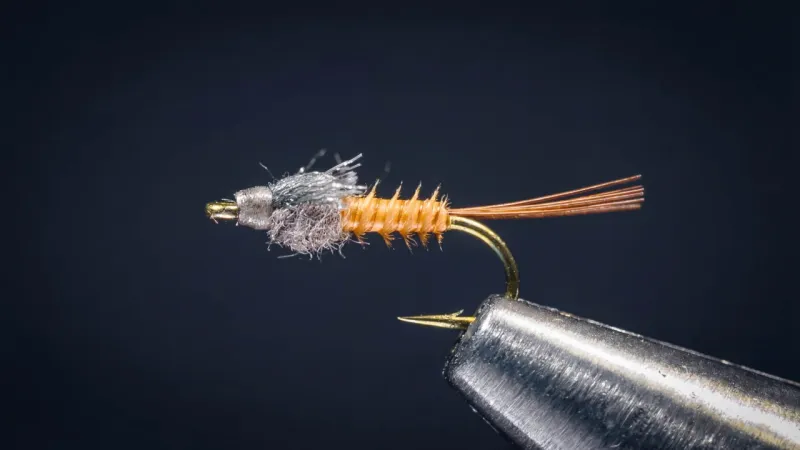
Midge / EmergersBatwing Emerger
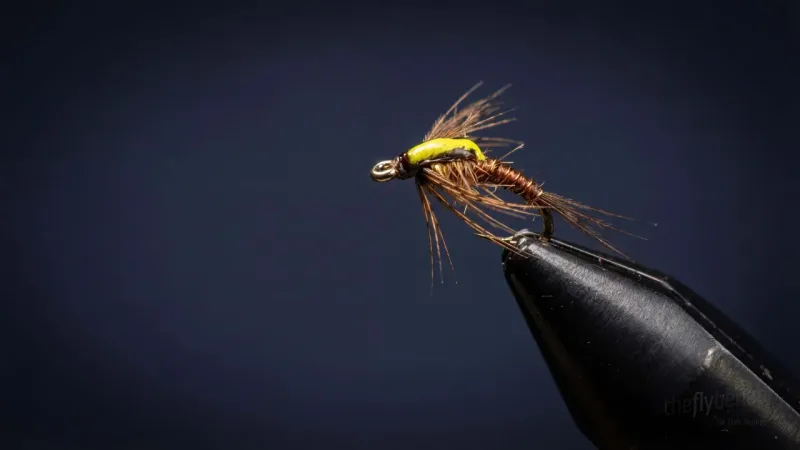
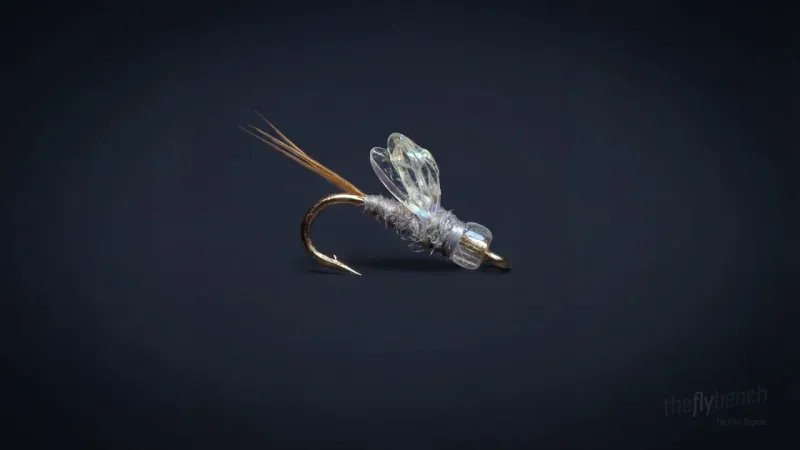
The Batwing Emerger is a highly effective pattern that is designed to imitate the stage of an insect's life when it transitions from nymph to adult. It's realistic appearance and buoyant properties make it a go-to choice for many fly fishers.
Spring, Summer, Fall
Intermediate
Trout
Apr 2025
Overview
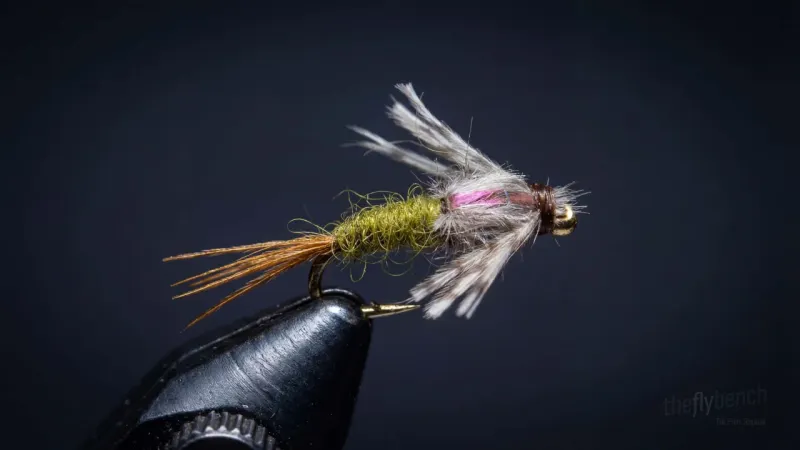
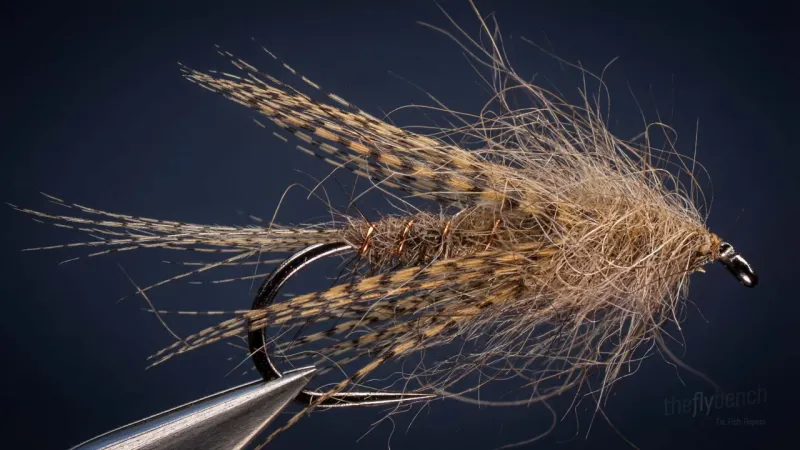
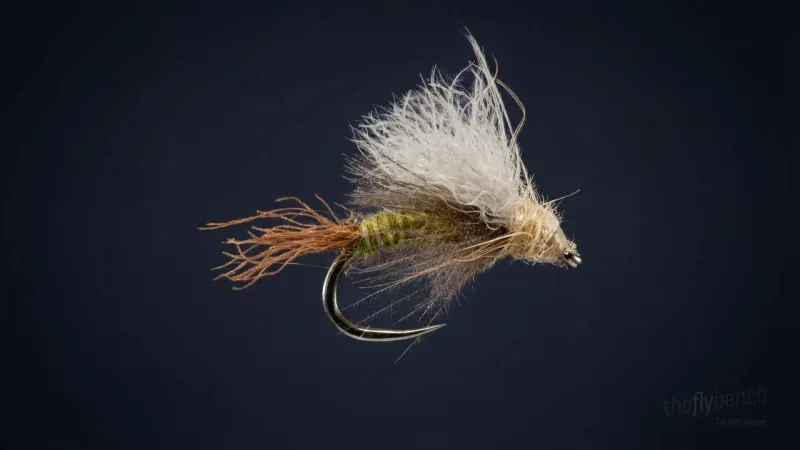
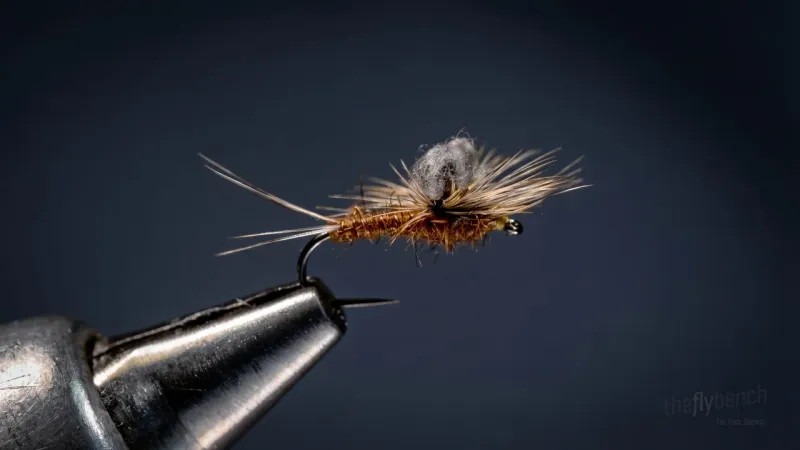
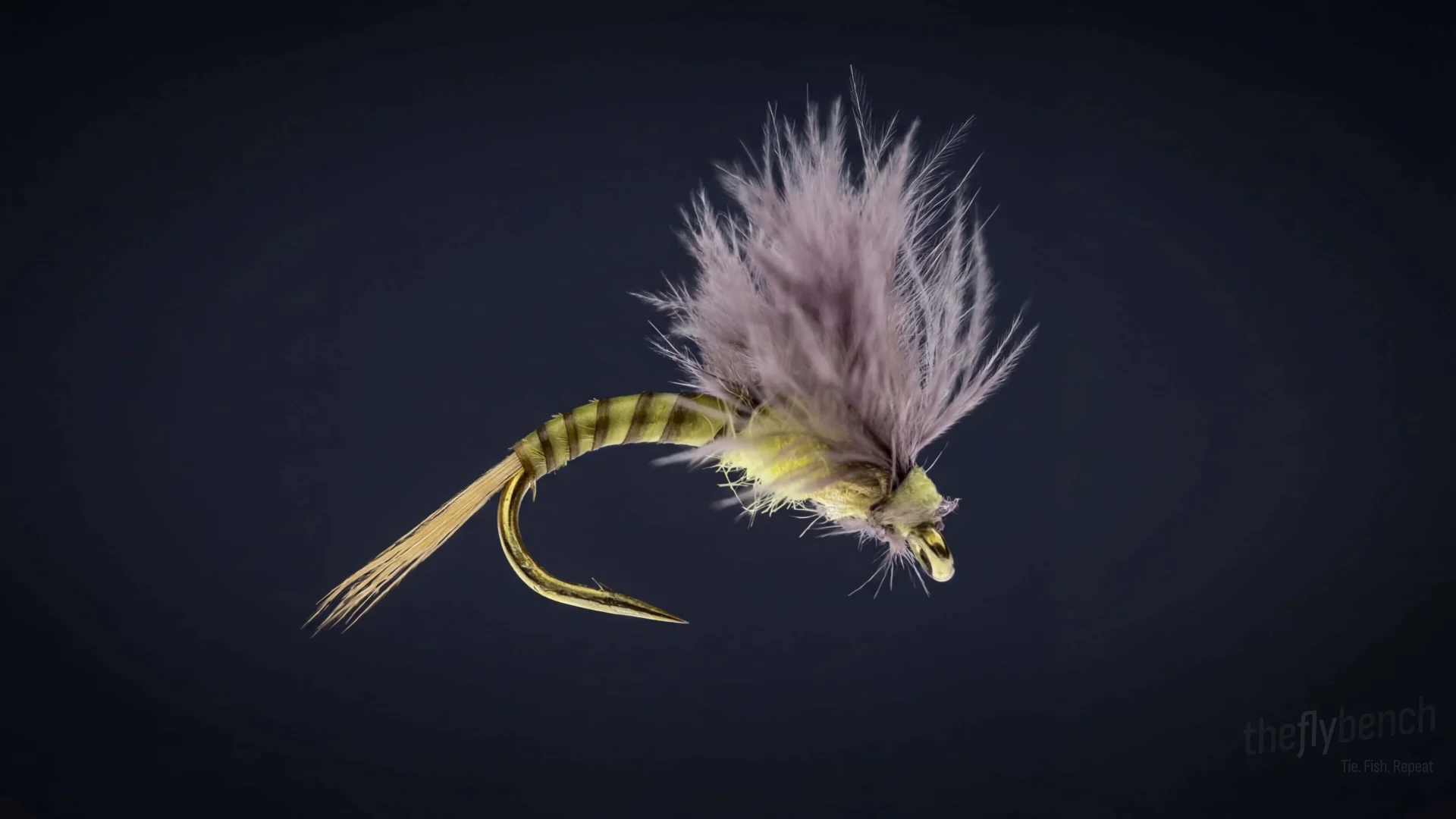
This emerger features a “batwing” of CDC folded over the top of the thorax to imitate a trapped dun. The body is slender and dubbed, with sparse tails and sometimes a trailing shuck. Tie the CDC wing in forward, then fold it back over the top and secure behind the hook eye. Use a fine thread and keep proportions delicate.
Where to Buy This Fly
We only link to fly shops we trust. Some links are referral links, which may earn us a commission at no extra cost to you.
Materials
- Hook:
- Tiemco 2487, size #16–#20, 2X short curved shank for midges
- Thread:
- Tan Veevus 14/0
- Body:
- Superfine dubbing in olive
- Ribbing:
- Fine gold wire
- Wing:
- CDC feathers
- Shell:
- Solarez Bone Dry UV resin
Behavior & Presentation
Natural Behavior: Baetis emergers hang vertically in the film, wings partially unfurled while bodies remain trapped in nymphal shucks. This transitional silhouette persists for 30-90 seconds as they complete their vulnerable molt.
Where Trout Eat It: Trout intercept this CDC emerger hanging in the surface film during Blue-Winged Olive hatches on pressured freestone rivers like the Madison and Yellowstone. The folded CDC 'batwing' creates a realistic halfway profile that selective fish key on during cloudy afternoon hatches.
How to Fish It: Fish in the film with drag-free drifts, either alone or behind a small parachute dry for tracking. The CDC wing provides natural buoyancy—grease your leader but not the fly, presenting it with upstream casts on freestone waters for optimal drift.
Best Water: Most effective in tail-outs, back eddies, and soft seams of the Madison and Yellowstone Rivers during BWO hatches. Target slicks and foam lines in slow runs where trout refuse traditional dries in favor of emergers on pressured water.
Strike Type: Trout inhale the fly with barely visible sips—watch for the slightest surface disturbance near your drift line.
Fishing Strategy
Rigging Suggestions: Can be fished alone on 5X-6X tippet or in combination with a buoyant dry fly as the point fly. Position the emerger 18-24 inches below the dry.
Seasonal Timing: Most productive from April through October during mayfly emergences, with peak effectiveness during consistent hatch periods. Best used during a mayfly hatch when fish are focused on emergers rather than fully emerged duns.
Pro Tips: The CDC feathers give this fly excellent buoyancy in the surface film, while the Solarez Bone Dry UV resin creates a realistic and visible translucent shell that mimics the emerging nymph's shuck.
Entomology
Mayfly emergers hang suspended in the surface film with partially emerged wings and bodies still encased in nymphal shucks, creating a distinctive dual-profile visible to trout. This transitional stage can last several seconds to minutes as the insect struggles to break free. Trout become intensely focused on this specific emergence profile during hatches, refusing other stages in favor of the vulnerable, easy-to-intercept emergers.
- Order
- Ephemeroptera
- Common Name
- Mayfly
- Organism Type
- insect
- Life Stage
- general