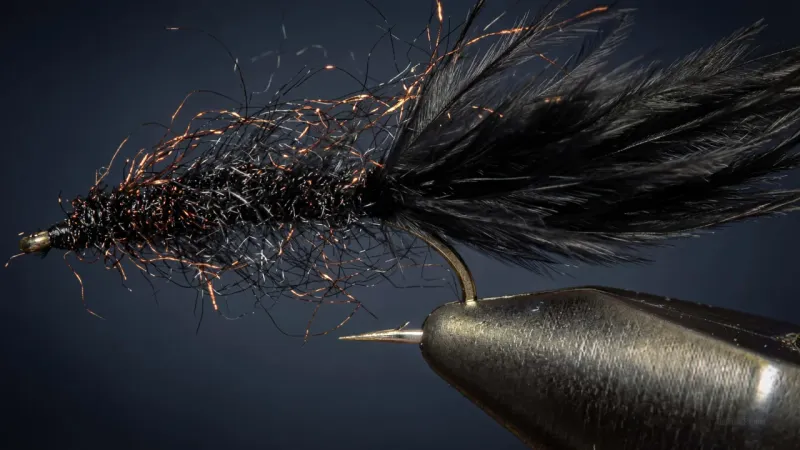
StreamersRolled Muddler Variant
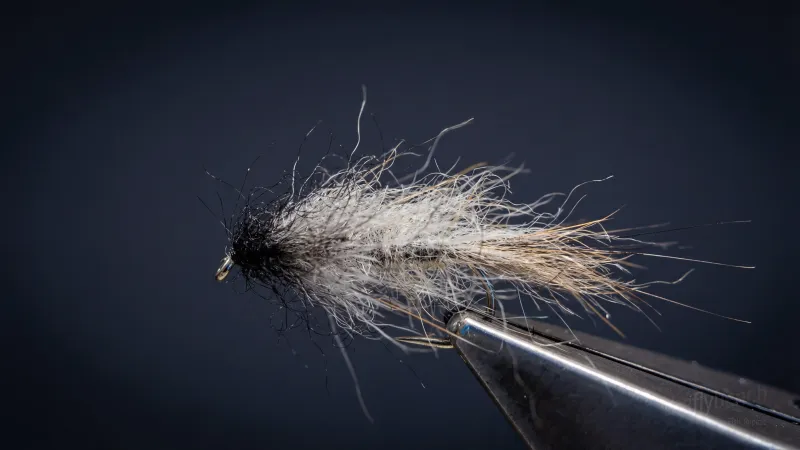
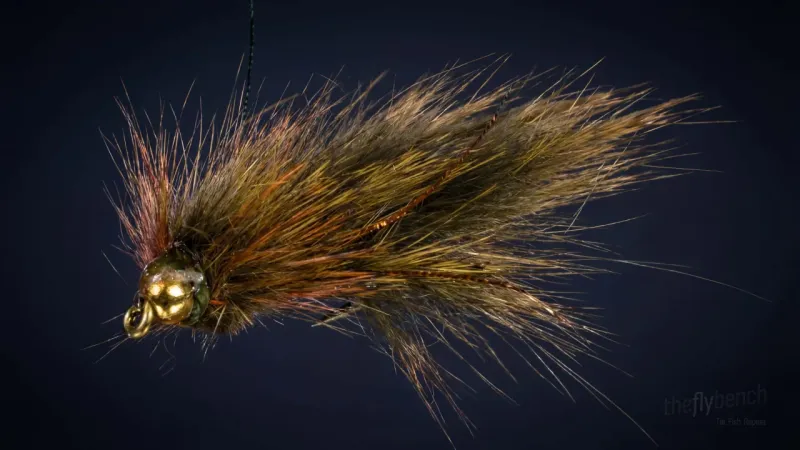
The Rolled Muddler Variant is a streamer pattern designed by Jason Freund. This effective pattern combines traditional materials with proven techniques for consistent results in a variety of water conditions.
Spring, Summer, Fall
Beginner
Trout
Feb 2026
Overview
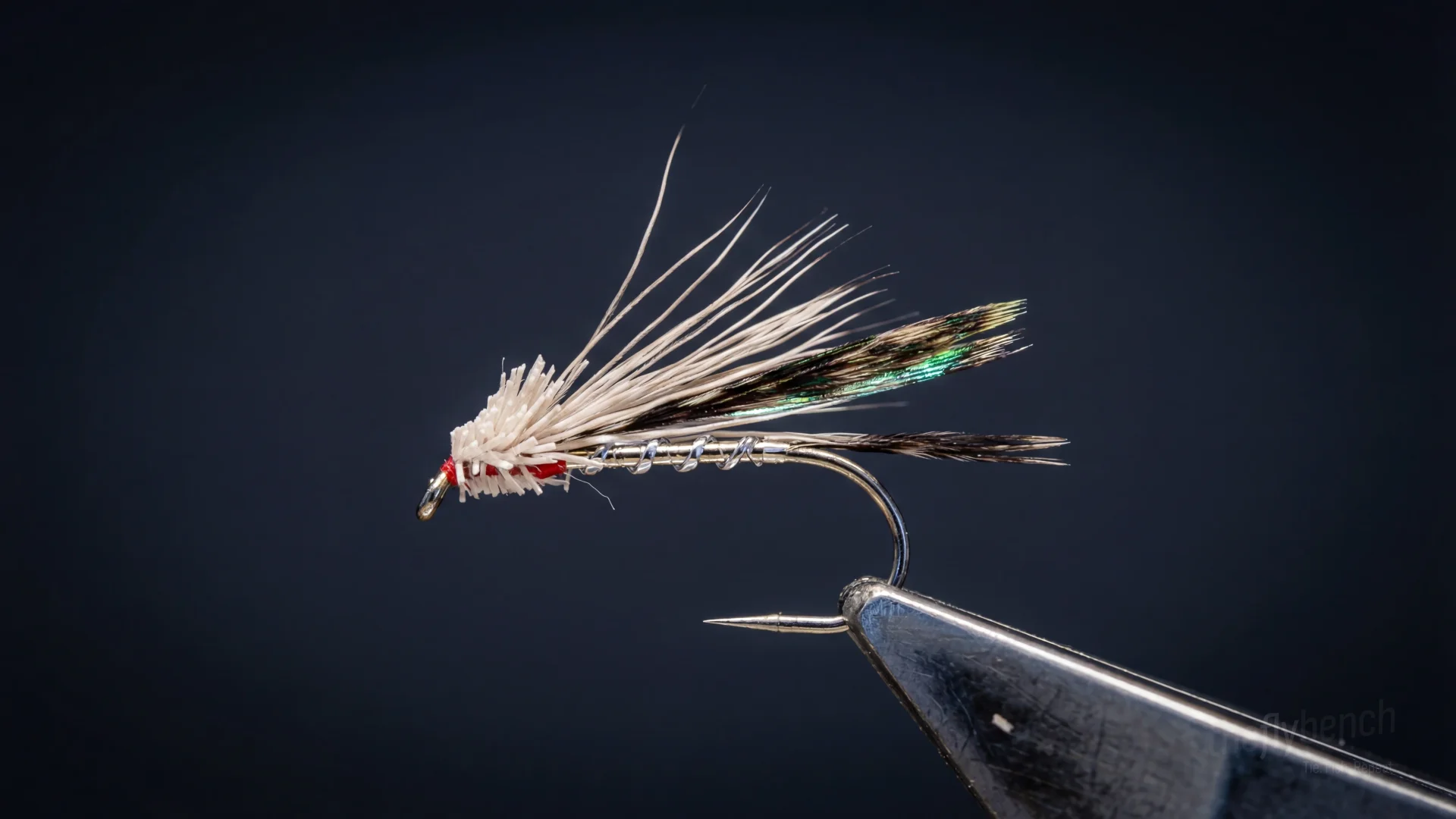
Jason Freund's innovative take on the muddler concept uses rolled deer hair to create a dense, cylindrical body with exceptional durability. Unlike clipped muddler heads, the rolled technique maintains the natural hair tips for movement while creating a compact profile. This design sinks quickly and pushes water effectively, making it productive for trout, bass, and panfish. The streamlined shape casts easily and works well in both stillwater and current.
Where to Buy This Fly
We only link to fly shops we trust. Some links are referral links, which may earn us a commission at no extra cost to you.
Materials
- Hook:
- Hayabusa model 27571 size 2
- Thread:
- Danville's flat waxed nylon size 3/0
- Tail:
- 6 saddles , krystal flash
- Head and wing:
- deer tied without spun the upper side trimmed on one side
Behavior & Presentation
Natural Behavior: Large terrestrials hit the water during accidents or weather events, then struggle to swim toward banks using visible rowing motions. Anglers fish these imitations because the substantial size and desperate movement trigger aggressive strikes from fish seeking big meals.
Where Trout Eat It: Fish intercept struggling ants at or just below the surface along grassy banks, meadow creeks, forested edges, and near shoreline vegetation in lakes.
How to Fish It: Dead drift on or just subsurface with occasional subtle strips. The muddler head creates small surface disturbance matching natural ant struggle.
Best Water: Target grassy banks, undercut banks, weed edges near shore, and shoreline structure where ants naturally fall from vegetation.
Strike Type: Visible surface eat or confident subsurface grab. Watch for sips, surface rings, or subtle takes when fished wet.
Fishing Strategy
Rigging Suggestions: 9-12ft 4X-5X leader. Fish dry with floatant on head or subsurface by allowing natural sink.
Seasonal Timing: Most productive late summer through fall (July-October) when ants most active. Peak during windy conditions and after rain because these concentrate ant activity.
Pro Tips: Muddler head adds bulk creating more pronounced silhouette than traditional ants. Size 12-16 covers most natural sizes. Fish tight to banks where ants naturally fall.
Entomology
Carpenter ants and other large terrestrials fall into water during colony relocation or foraging mishaps, then swim desperately toward shore using rowing motions. Their size and determined but futile swimming movements provoke aggressive takes from predatory fish seeking substantial meals.
- Order
- Hymenoptera
- Family
- Formicidae
- Common Name
- Ant
- Organism Type
- terrestrial
- Life Stage
- general