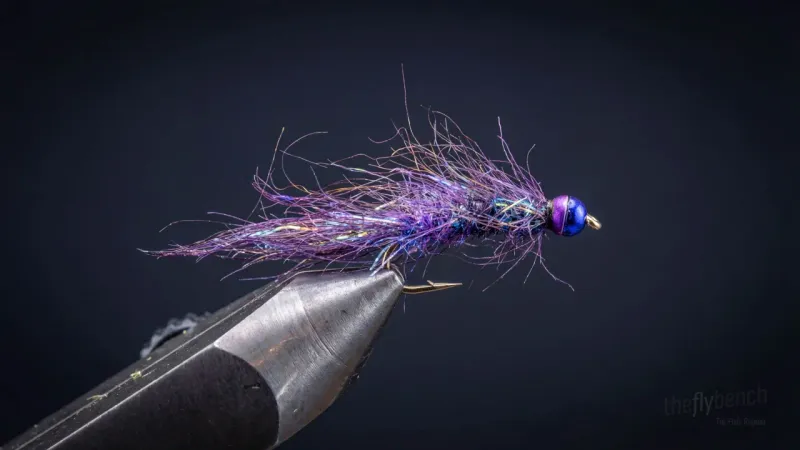
LeechHerman's Leech
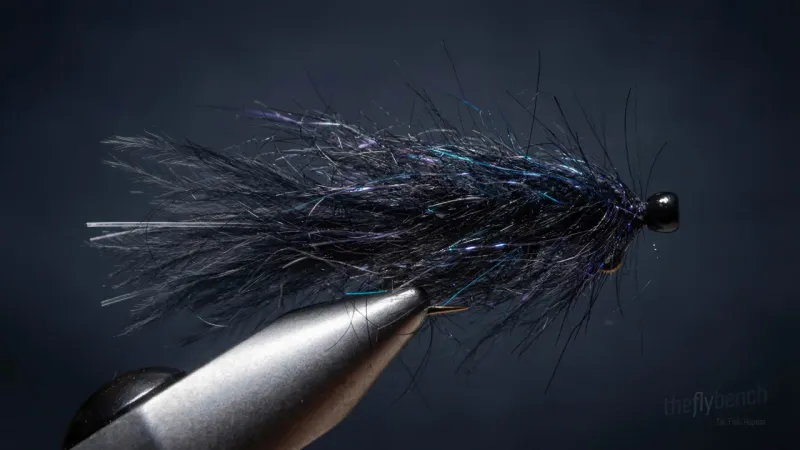
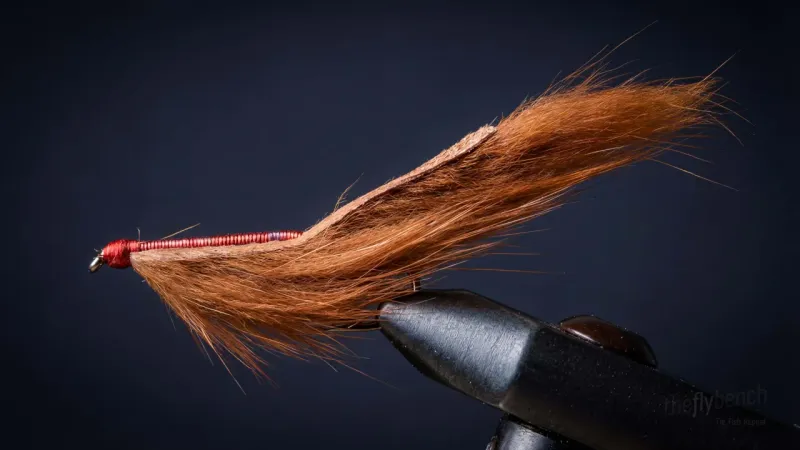
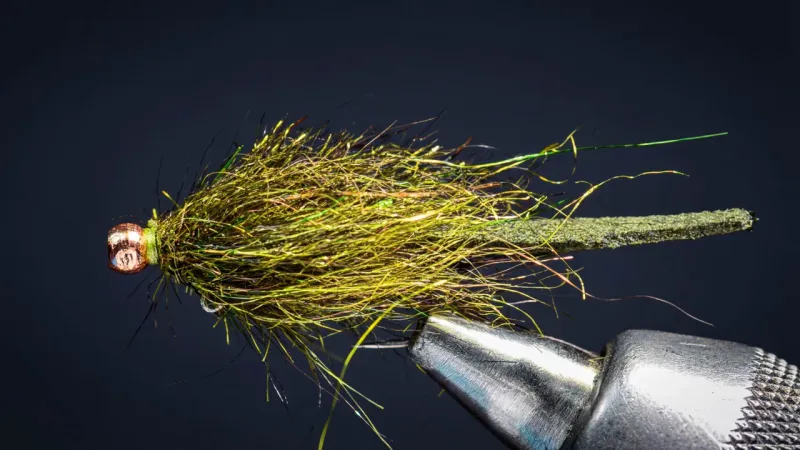
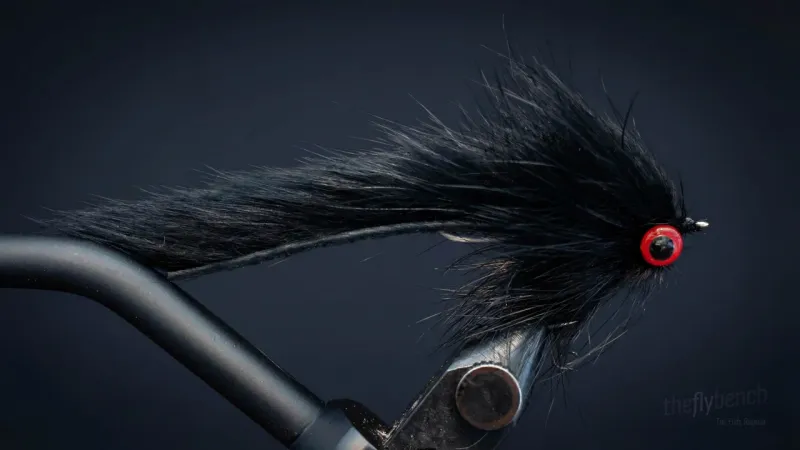
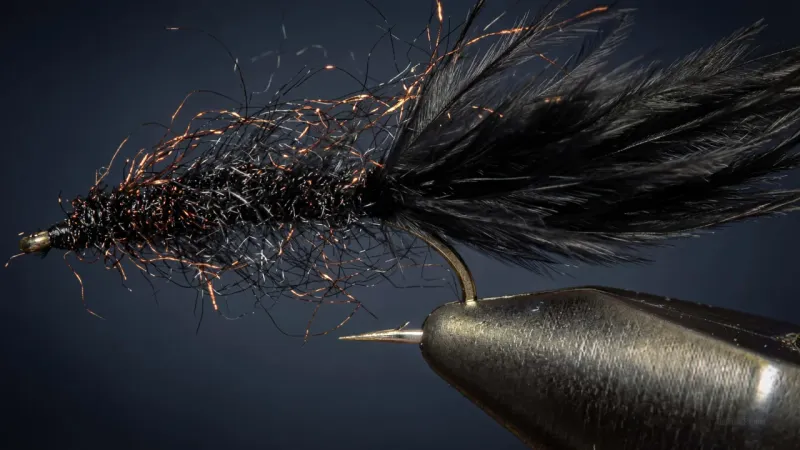
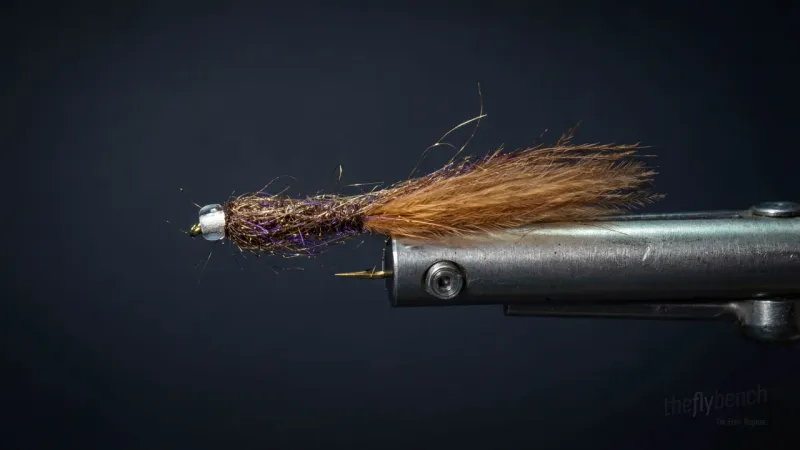
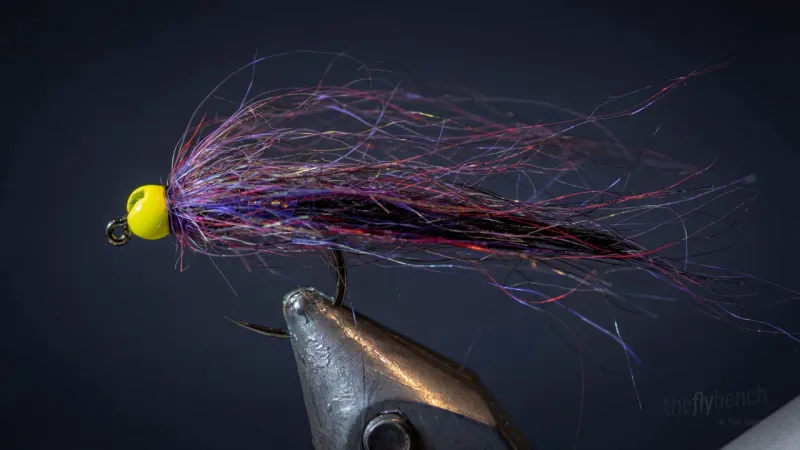
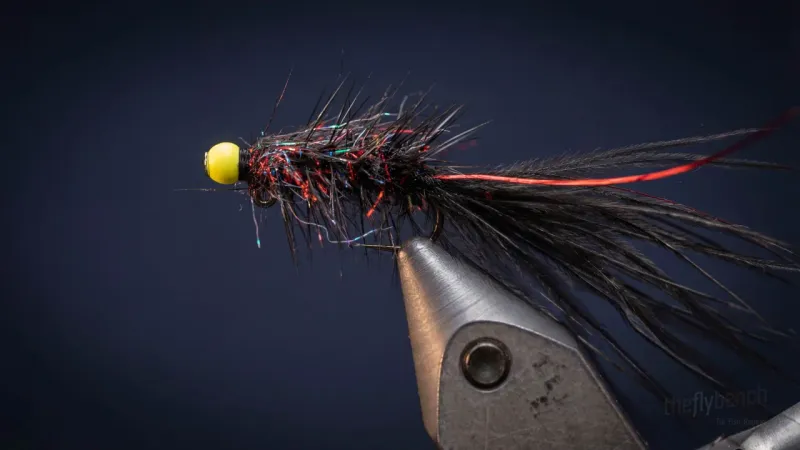
Herman's Leech is a highly effective streamer pattern known for its ability to attract big fish. It has a long, slim profile that accurately mimics a leech in the water, with the addition of a flashy body to attract attention.
Spring, Summer, Fall
Intermediate
Trout, Carp
Apr 2025
Overview
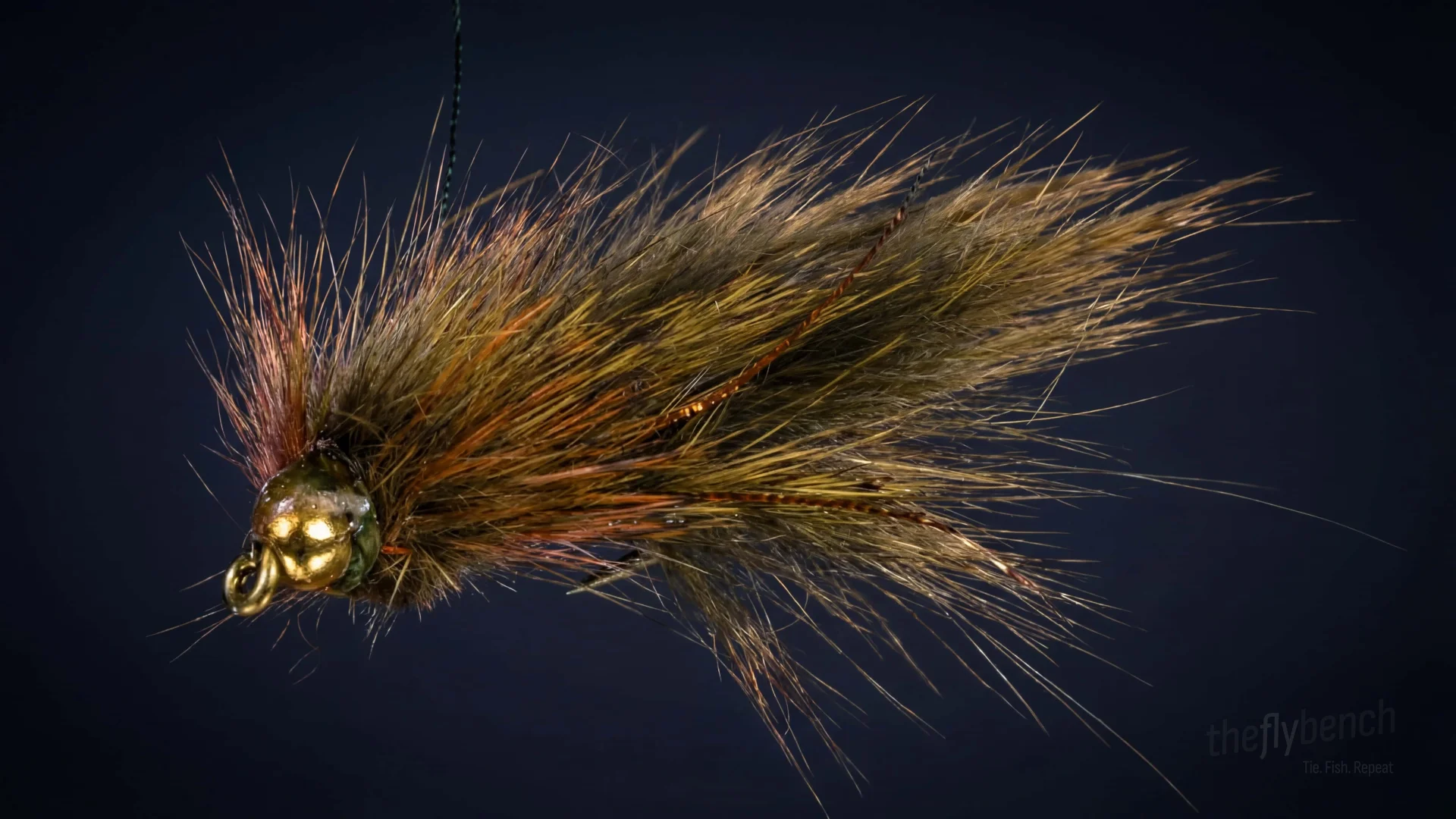
This weighted streamer uses black or burgundy rabbit fur and a simple dubbed body for max movement and durability. Fished with a strip retrieve, it's especially effective in lakes and slow rivers when leeches are active along weed lines or bottoms.
Where to Buy This Fly
We only link to fly shops we trust. Some links are referral links, which may earn us a commission at no extra cost to you.
Materials
- Hook:
- Tiemco 5263, size #2–#6
- Bead:
- Brass or Tungsten, Sized to Hook
- Thread:
- UTC 70 Denier, Olive
- Body 1:
- Medium Ultra Wire, Red
- Body 2:
- Pine Squirrel Zonker, Olive
- Flash:
- Flashabou, Copper
- Glue:
- Loon UV Fly Finish
Behavior & Presentation
Natural Behavior: Leeches swim through still or slow-rivers with distinctive sinuous undulations, alternating between active swimming and resting on bottom structures. They become particularly active during warm water periods and low-light conditions, often swimming near weed beds and drop-offs.
Where Trout Eat It: Effective in both lake environments (lakes, ponds, reservoirs) and rivers where leeches are present. Focus on drop-offs, weed edges, and muddy bottoms where leeches are abundant and trout hunt.
How to Fish It: Cast and retrieve with slow, steady strips that mimic swimming leeches. Vary retrieve speed based on fish response—slower in cold water, faster as temperatures rise. Pause occasionally to let the fly sink and flutter, triggering follows into strikes.
Best Water: Effective in both lake environments (lakes, ponds, reservoirs) and rivers where leeches are present. Focus on drop-offs, weed edges, and muddy bottoms where leeches are abundant and trout hunt.
Strike Type: Notice steady pull-downs or line draw as fish take confidently. Strikes are typically deliberate, not aggressive.
Fishing Strategy
Rigging Suggestions: Fish on sinking tip or full-sinking lines to get the fly down to the bottom where leeches naturally occur. Use 6-9 foot leaders tapered to 2X-3X tippet. The weighted body helps reach depth quickly.
Seasonal Timing: Most productive during (April-May), (June-July), and (September-October) when leeches are active and water temperatures range from 50-68°F. Early and post-rain periods trigger exceptional leech movement and feeding activity.
Pro Tips: The rabbit fur body creates lifelike undulating movement that perfectly mimics swimming leeches—a key trigger for trout and carp. Strip it along bottom structure with pauses to imitate resting leeches. In clear water, watch for follows and adjust retrieve speed to convert lookers into takers.
Entomology
Leeches swim through still or slow-moving water with distinctive sinuous undulations, alternating between active swimming and resting on bottom structures. They become particularly active during warm water periods and low-light conditions, often swimming near weed beds and drop-offs. Fish consume them readily because their soft bodies are easy to digest, they're available year-round in stillwater environments, and their swimming motion creates visible underwater disturbances.
- Organism Type
- leech
- Life Stage
- general