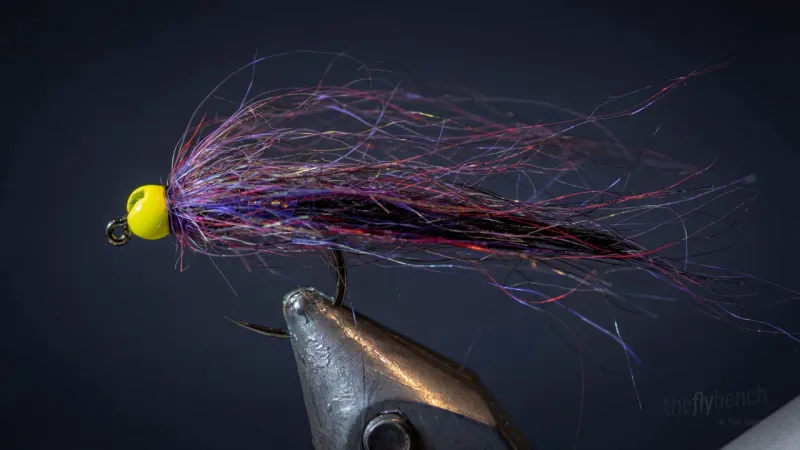
LeechBloody Black Leech
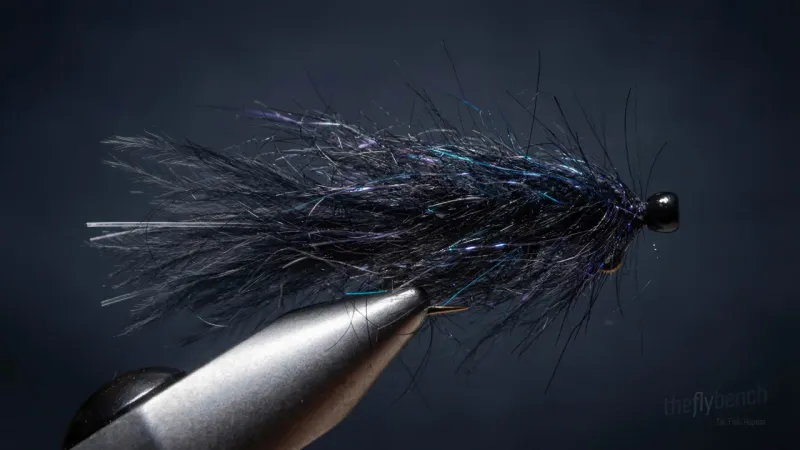
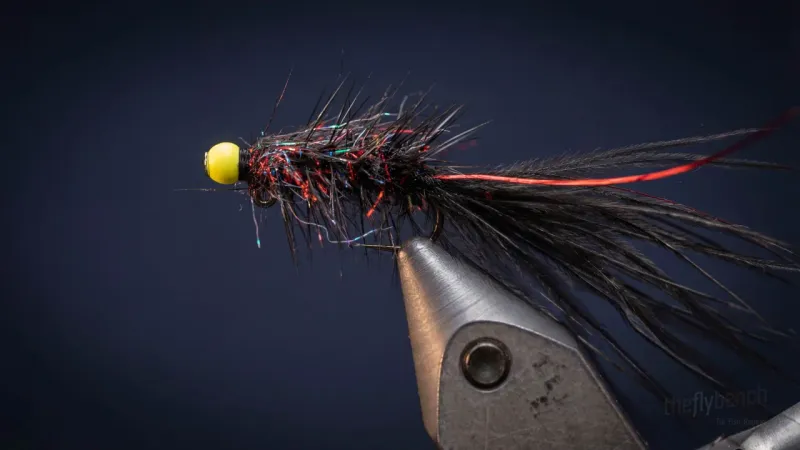
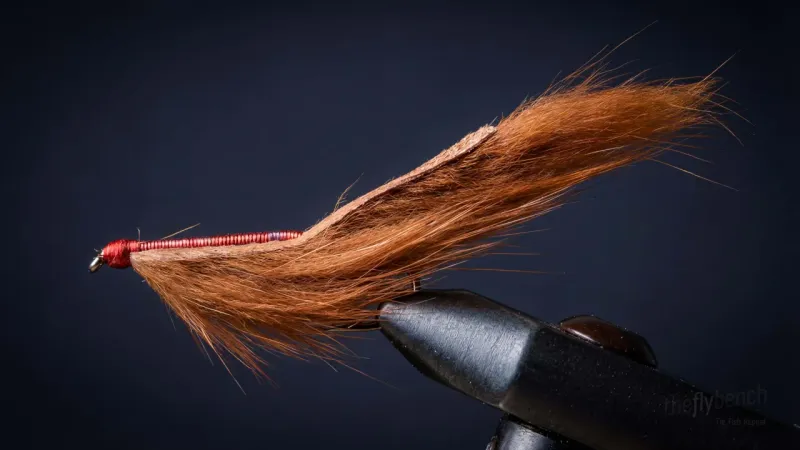
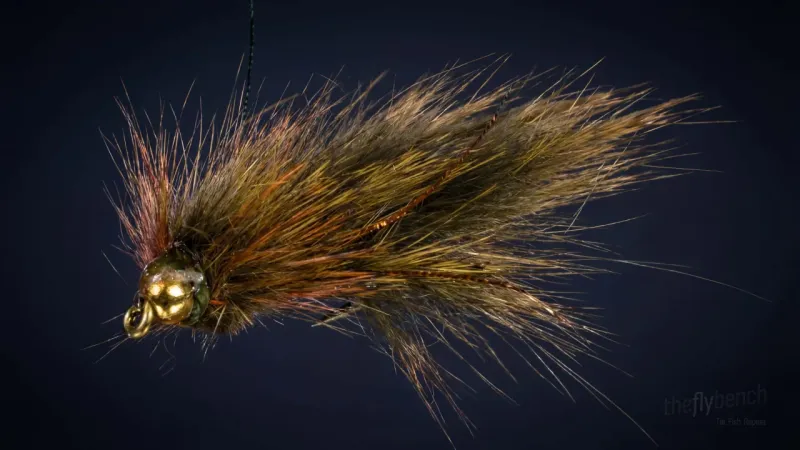
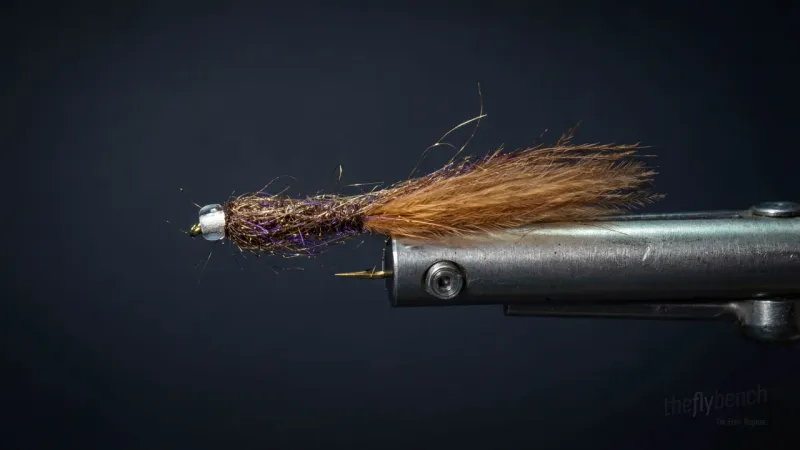
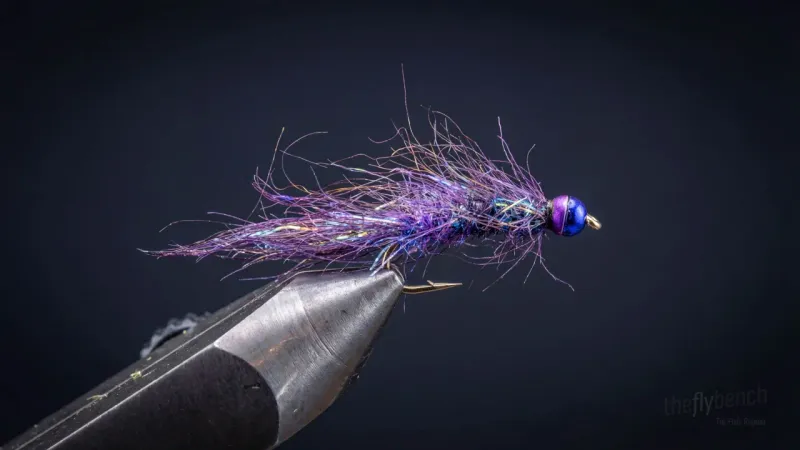
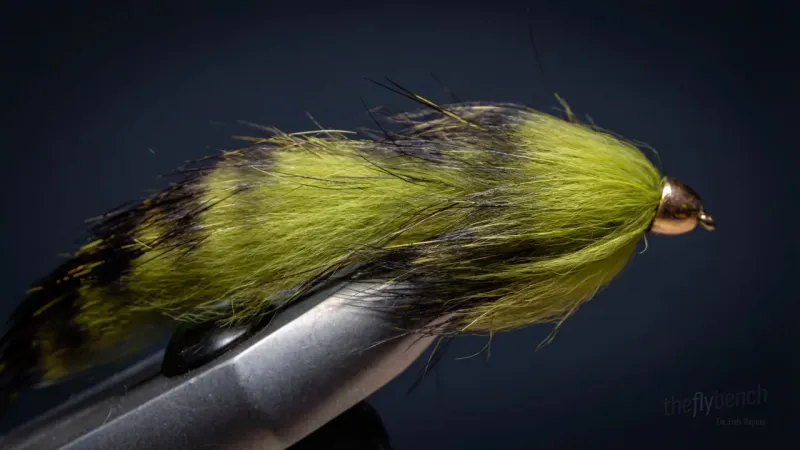
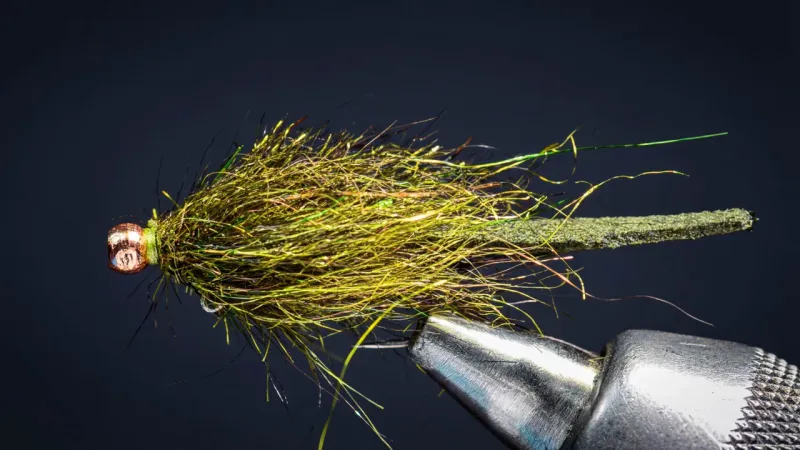
The Bloody Black Leech is a large, weighted streamer pattern that's designed to imitate a leech. The combination of black and red can trigger aggressive strikes from predatory fish.
Fall, Spring
Advanced
Trout, Bass
Apr 2025
Overview
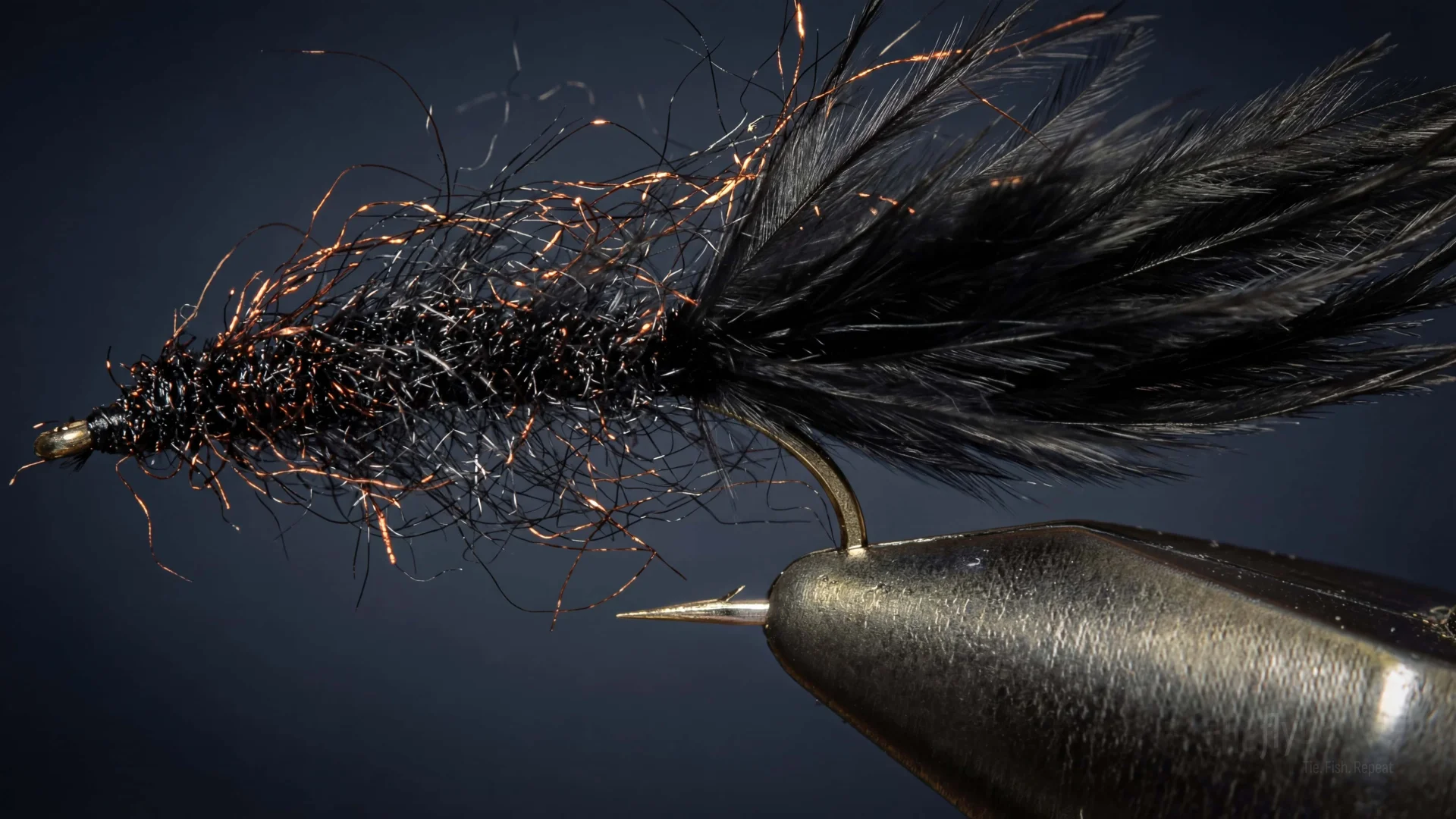
Tied with a black marabou tail and a body of black dubbing or chenille, this leech imitation adds a hot red or blood-colored collar to grab attention. Use a heavy nymph or streamer hook and optional bead or conehead for depth. The movement of marabou and the contrast from the hotspot make it effective in stillwater or off-color conditions.
Where to Buy This Fly
We only link to fly shops we trust. Some links are referral links, which may earn us a commission at no extra cost to you.
Materials
- Hook:
- Tiemco 5263, size #8-#10
- Thread:
- Black UTC 140
- Tail:
- Black marabou
- Body:
- Black chenille
- Ribbing:
- Red wire
- Hackle:
- Black saddle hackle
- Head:
- Copper Bead
Behavior & Presentation
Natural Behavior: Leeches undulate through the water with ribbon-like swimming motions, alternating between resting on bottom structure and resuming nocturnal hunting patterns across open water.
Where Trout Eat It: Fish strike opportunistically during active swimming phases, recognizing these substantial biomass targets as high-calorie meals worth pursuing.
How to Fish It: Slow strips with pauses to imitate the distinctive undulating motion, allowing the pattern to glide and settle between movements.
Best Water: Target weed edges, drop-offs, structure zones, and channel swings in lakes where leeches cross open areas during hunting movements.
Strike Type: Aggressive strikes during retrieves as fish commit to the substantial target, often feeling like solid thumps or pulls.
Fishing Strategy
Rigging Suggestions: This fly can be used on a sinking line or with a floating line and a long leader to get it down deep.
Seasonal Timing: Effective during peak feeding periods when water temperatures and conditions support active feeding behavior.
Pro Tips: The Bloody Black Leech is a sinking pattern, the bead head helps get it down to the depth where fish are feeding.
Entomology
Leeches undulate through stillwater with a distinctive ribbon-like swimming motion, often resting on bottom structure or vegetation before resuming nocturnal hunting patterns. Their substantial biomass and vulnerability during active swimming phases trigger opportunistic feeding responses from trout, who recognize them as high-calorie targets worth the energy expenditure to pursue.
- Organism Type
- leech
- Life Stage
- general