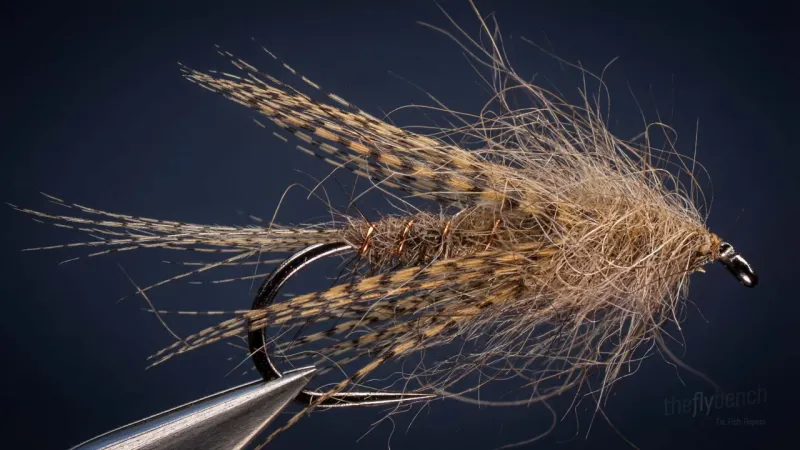
Euro NymphsJelly Jig
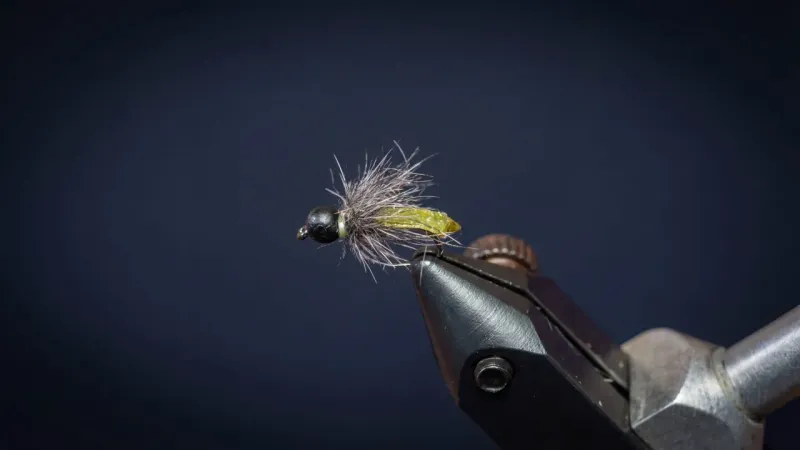
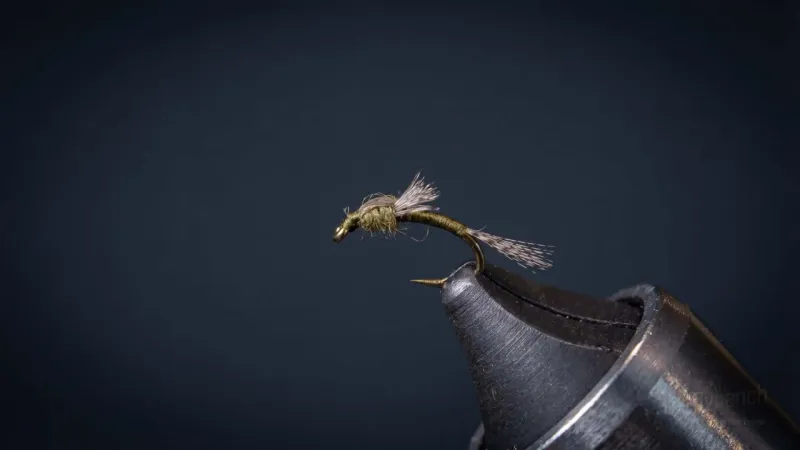
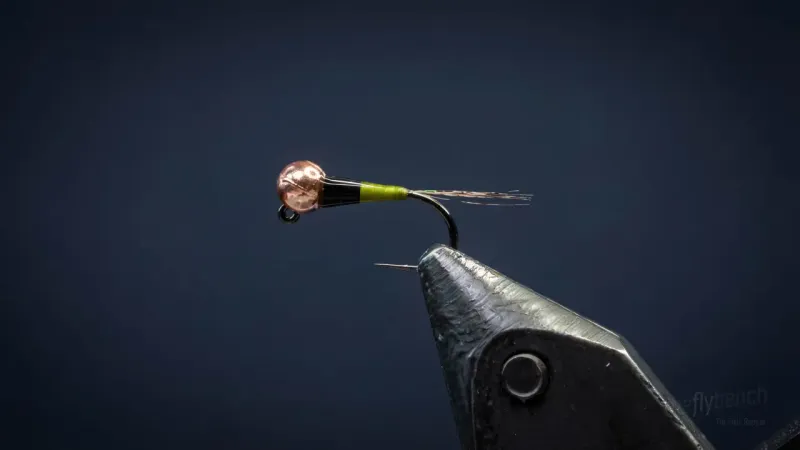
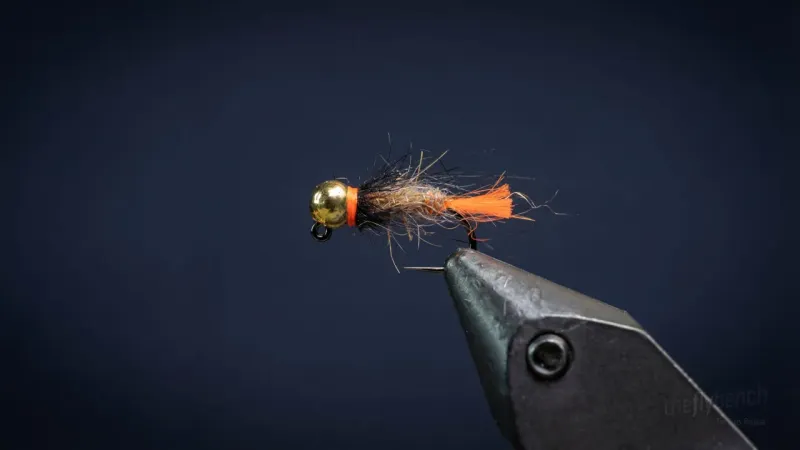
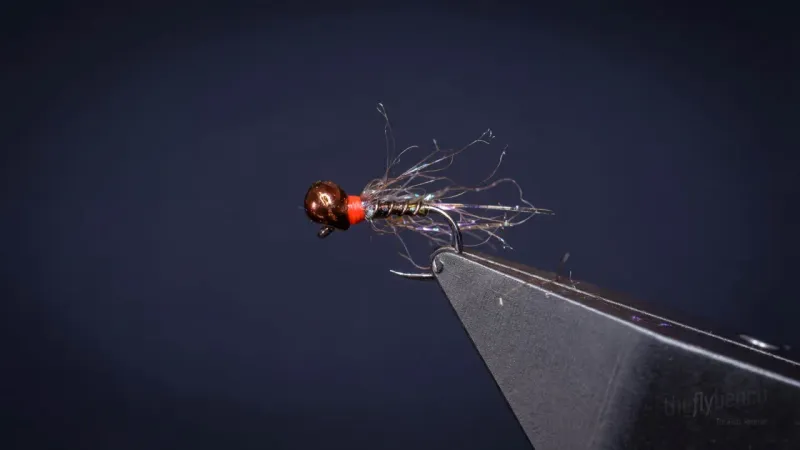
The Jelly Jig is a simple, quick tie that features the Semperfli Gel Core Body material, giving the fly excellent movement and translucency in the water. The gel core construction creates lifelike segmentation and a soft, mobile body that undulates naturally in current. This versatile attractor pattern is effective across seasons and water types.
Year Round
Beginner
Trout
Dec 2025
Overview
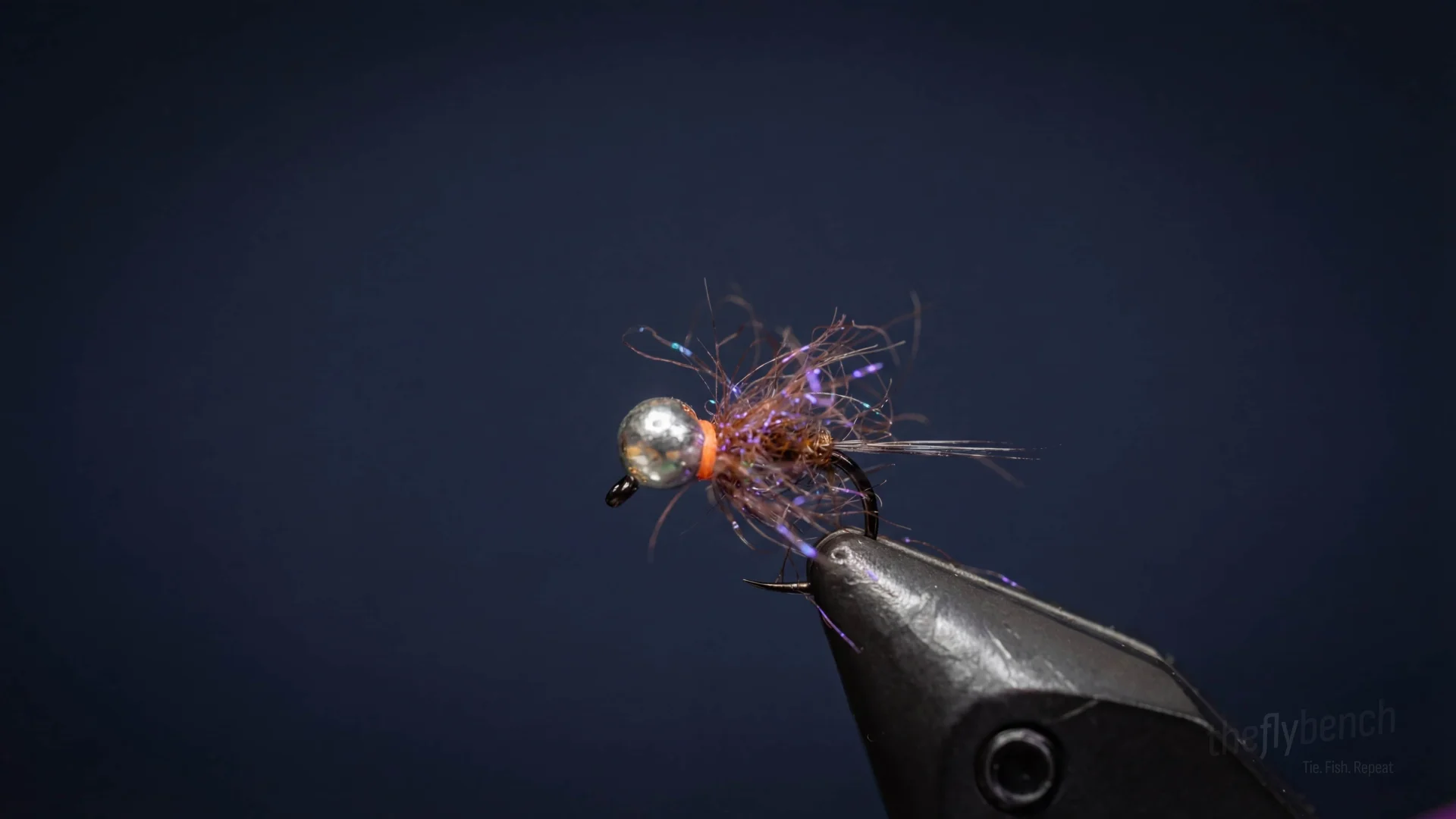
Designed by Cheech of Fly Fish Food in August 2022, the Jelly Jig showcases the innovative Semperfli Gel Core Body material that provides exceptional translucency and movement in the water. The gel core construction allows the body to compress and expand with current, creating a lifelike pulsing action. This pattern ties quickly and is an excellent choice for both competition euro nymphing and general trout fishing.
Materials
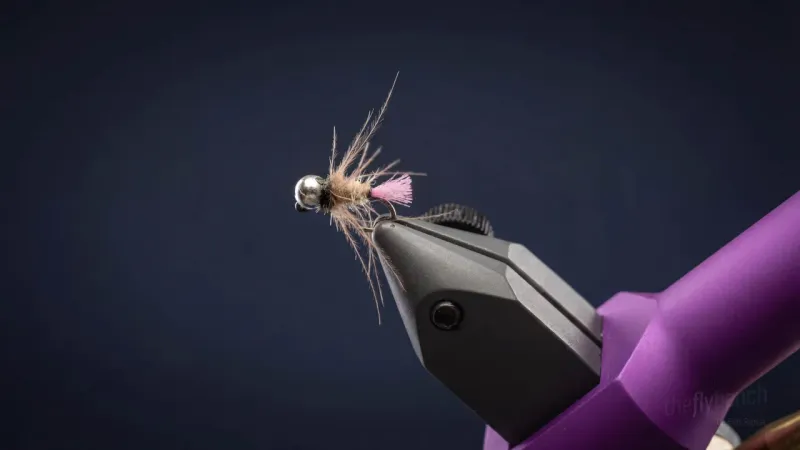
Hook: Umpqua XC210BL-BN Perdi-Jig Hook, size #18
Bead: Hanak Round+ Slotted Tungsten Beads, 3.5mm, silver
Thread: Semperfli Classic Waxed Thread, 12/0, fl. orange
Tail: Spanish Coq De Leon, pardo
Body: Semperfli Gel Core Body Micro Fritz, dark brown
Veil: Ice Dub, UV brown
Behavior & Presentation
Natural Behavior: Net-spinning caddis larvae construct silk nets to capture suspended particles, remaining stationary until nets clog or damage. When abandoning structures, larvae drift downstream to find new attachment sites, creating predictable vulnerability windows.
Where Trout Eat It: Trout intercept drifting caddis larvae mid-column when net-spinning species abandon clogged structures in tailwater feeding lanes.
How to Fish It: Euro-nymph dead drift using point fly with lighter dropper. Watch sighter for subtle ticks or sags during natural tumbling presentation.
Best Water: Target pocket water and current breaks in moderate tailwater runs where caddis colonies establish on clean gravel.
Strike Type: Detect takes through sag in sighter, tick, or subtle pause in drift.
Fishing Strategy
Rigging Suggestions: Fish on a 9-12 foot leader with 5X-6X tippet; works well as a point fly with a lighter pattern as a dropper in Euro nymphing setups; the tungsten bead provides quick sink rate without additional weight.
Seasonal Timing: Year round effectiveness makes it a reliable pattern in all conditions; particularly productive during spring and fall when aquatic insects are most active.
Pro Tips: Sinks rapidly due to tungsten bead and slim profile; the gel core body provides exceptional translucency that allows light to pass through, creating realistic segmentation and natural appearance underwater.
Entomology
Caddisfly larvae in net-spinning families construct intricate silk nets to capture suspended organic particles and microorganisms from the flowing water column, remaining relatively stationary once established. When their nets become clogged or damaged, larvae must abandon their structures and drift downstream to find new attachment sites, creating predictable vulnerability windows. Trout learn the locations of high-density caddis colonies and patrol these areas expecting regular availability of dislodged and drifting larvae.
- Order
- Trichoptera
- Common Name
- Caddisfly
- Organism Type
- insect
- Life Stage
- nymph