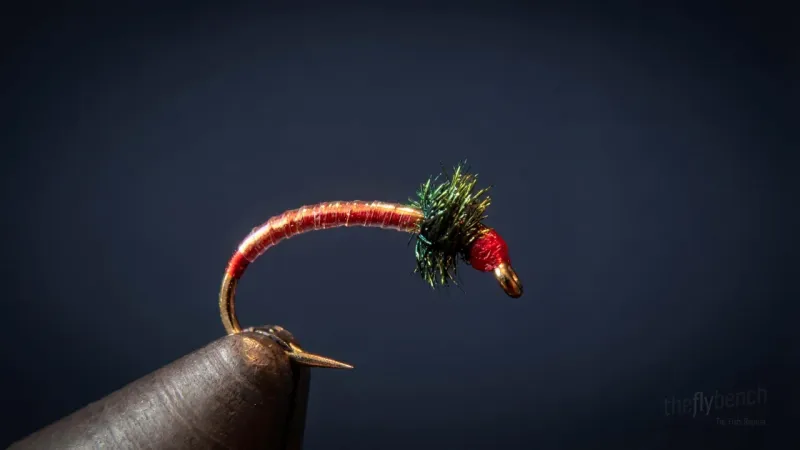
Midge / EmergersRed and Black Midge
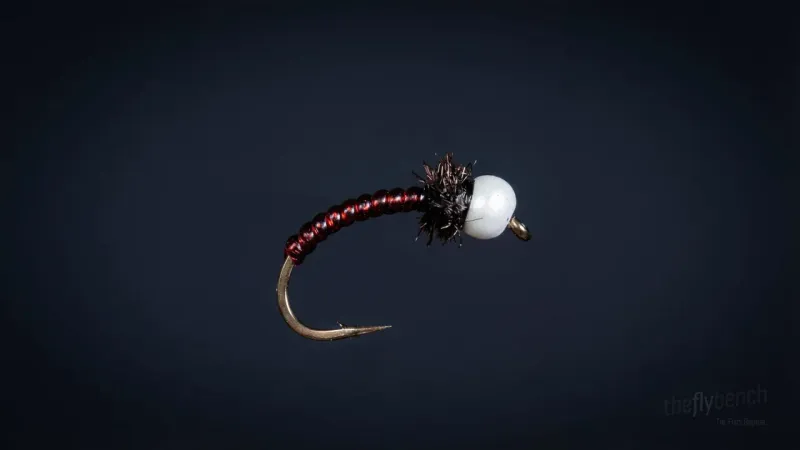
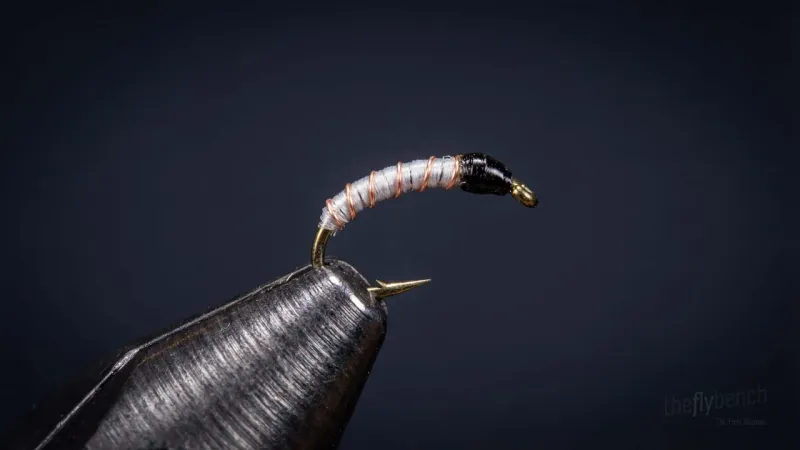
A classic two-tone midge pattern that combines a slim red body with a contrasting black thorax to imitate natural midge pupae. Effective in tailwaters and spring creeks, this pattern is a go-to for picky trout in cold, clear water.
Year Round
Beginner
Trout
Apr 2025
Overview
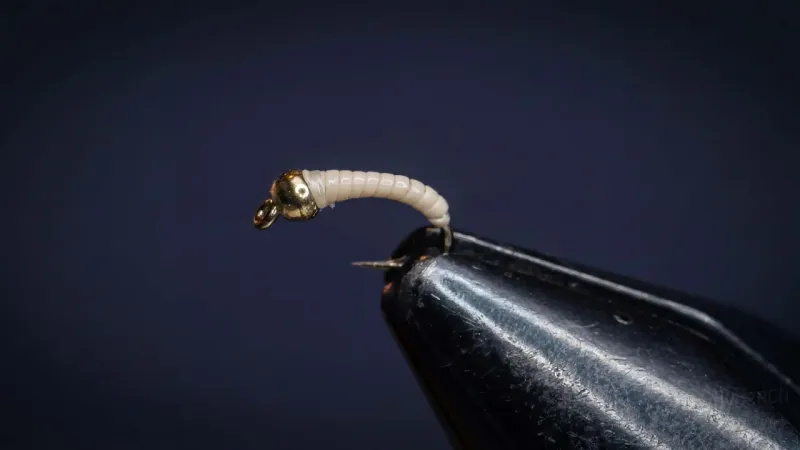
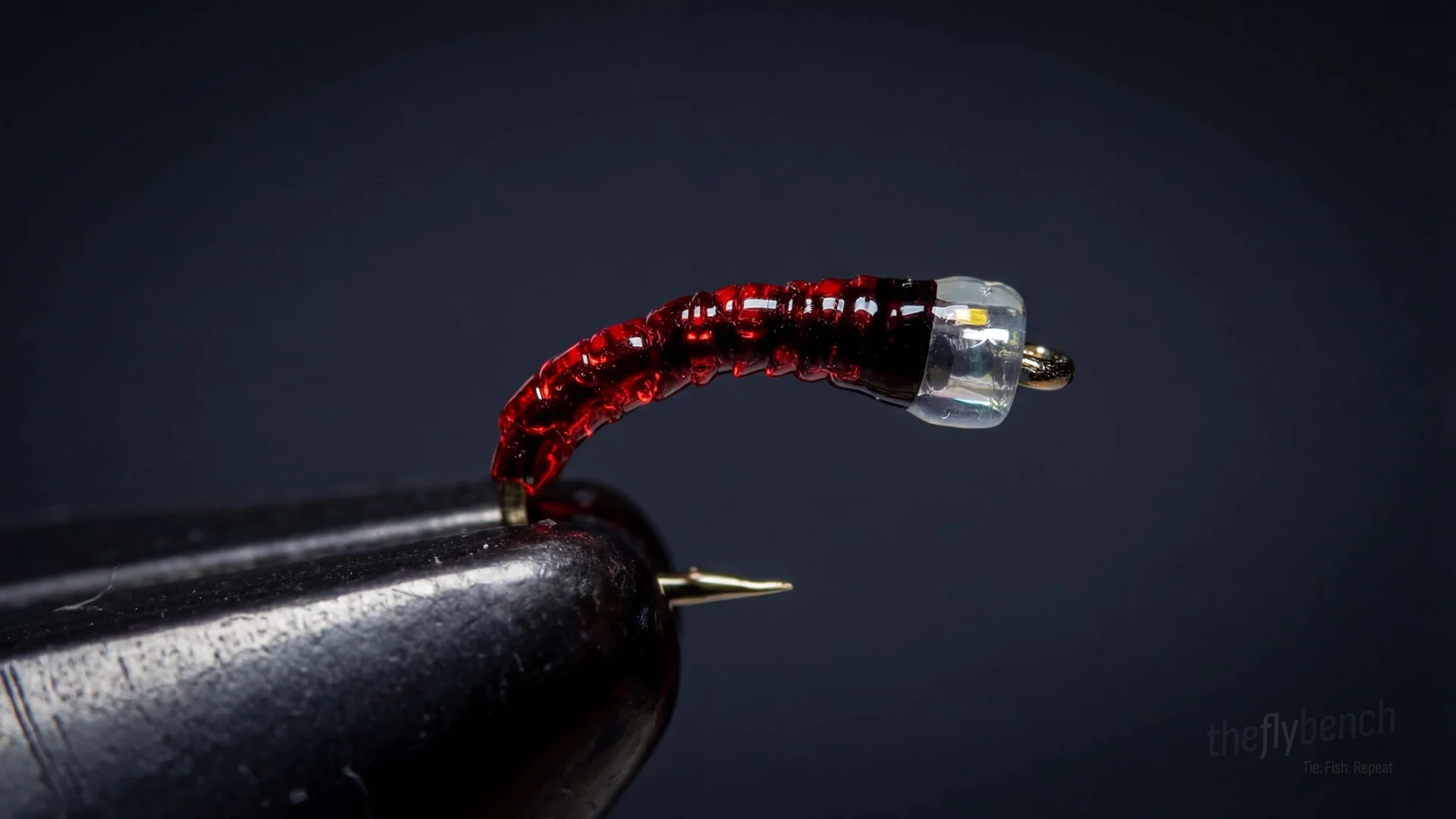
A classic color combo for midge pupae, usually tied stretch tubing or red thread body, black ribbing or thorax, and a silver or glass bead. The contrast and flash make it effective in winter or when midges are hatching in clear water.
Where to Buy This Fly
We only link to fly shops we trust. Some links are referral links, which may earn us a commission at no extra cost to you.
Materials
- Hook:
- 3X-long Natural Bend hook (here a Dai-Riki 270), sizes 20-24
- Bead:
- Crystal pearl glass bead, midge size
- Thread:
- 8/0 or 70 Denier, black
- Body:
- Stretch tubing, micro size, red
- Collar:
- Black thread
Behavior & Presentation
Natural Behavior: These tiny aquatic insects release into currents with characteristic wiggling as they relocate or prepare for emergence, their small size belying their importance as protein-rich forage. Trout consume them in enormous quantities during winter and early spring when other insects are scarce.
Where Trout Eat It: Fish feed near bottom and in the surface film in flat pools, back eddies, and soft water along seams at depths of 1-4 feet.
How to Fish It: Dead drift near bottom using tight-line Euro nymphing or in surface film under small dry fly, maintaining drag-free drift through smooth glides.
Best Water: Focus on flat pools, back eddies, transition zones, and soft water along current seams in tailwaters and spring creeks.
Strike Type: Subtle tightening on line or indicator barely dips. Watch for hesitation in drift or slight resistance.
Fishing Strategy
Rigging Suggestions: 6X-7X fluorocarbon with 10-15ft leaders. Fish as dropper 12-18 inches below small dry fly or in tandem with another midge. Slim profile requires minimal weight.
Seasonal Timing: Peak productivity late fall through early spring (November-March) when midges dominate. Winter months particularly productive. Midday warming (11am-3pm) triggers hatches at 35-50°F because temperature stability maintains midge activity.
Pro Tips: Red body creates excellent contrast against dark substrates. Resin head adds durability and subtle flash. Sizes 18-24 match most midge larvae and pupae. Wire ribbing segments body realistically.
Entomology
Midge larvae wriggle through bottom sediments and detritus in a serpentine fashion, occasionally releasing into the drift to relocate to new feeding areas or begin their emergence cycle. Trout consume these small but protein-rich insects in enormous quantities, often feeding selectively on specific color phases depending on the dominant local midge species.
- Order
- Diptera
- Family
- Chironomidae
- Common Name
- Midge
- Organism Type
- insect
- Life Stage
- general