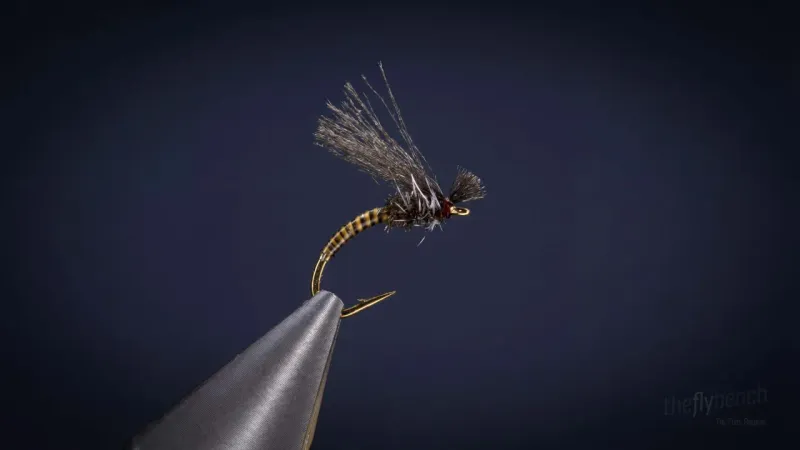
Midge / EmergersDisco Midge
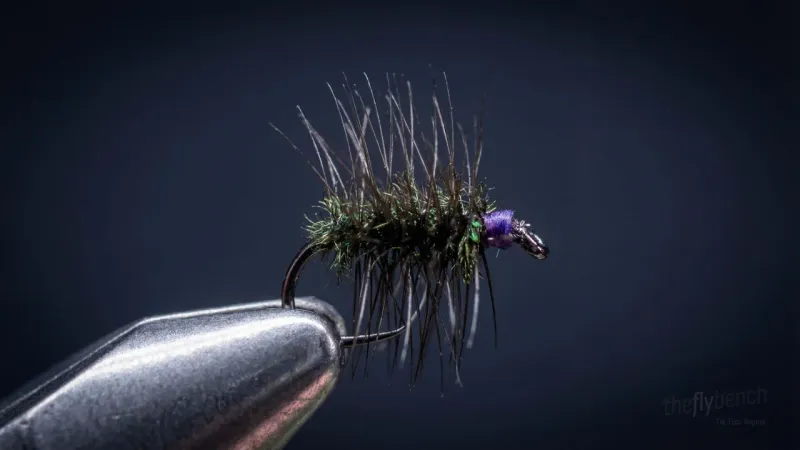
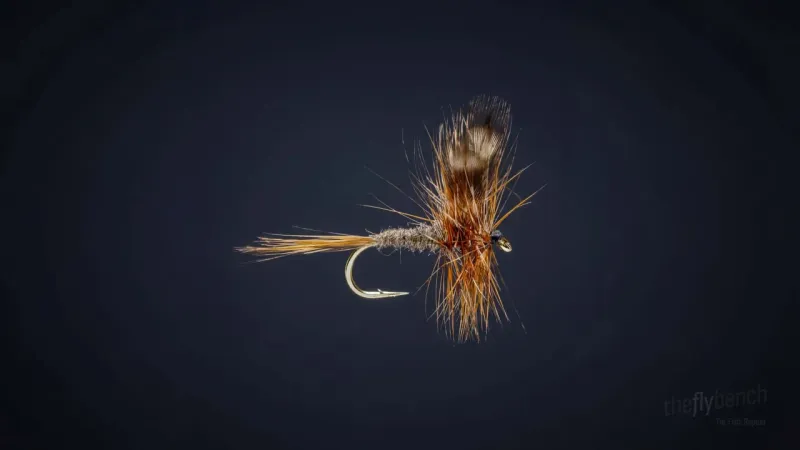
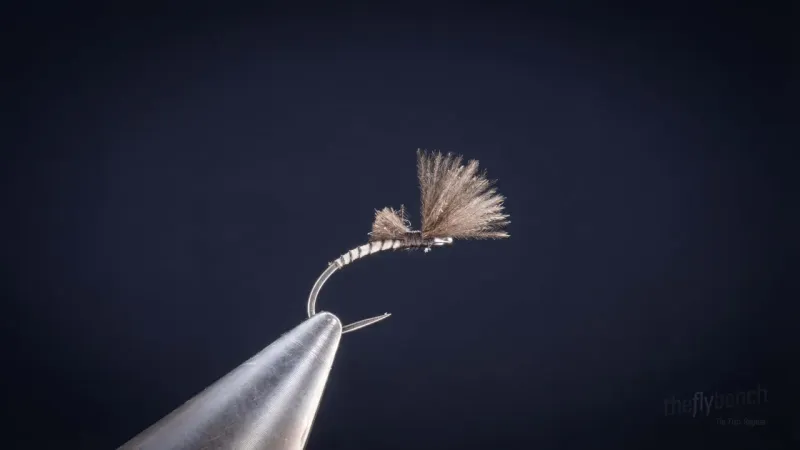
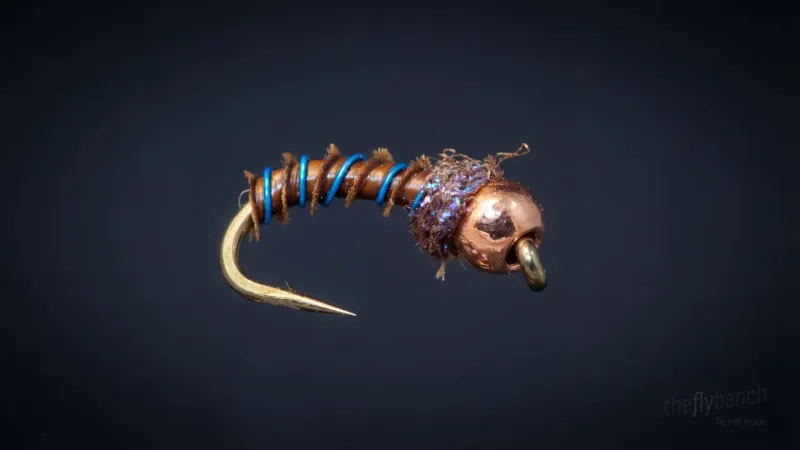
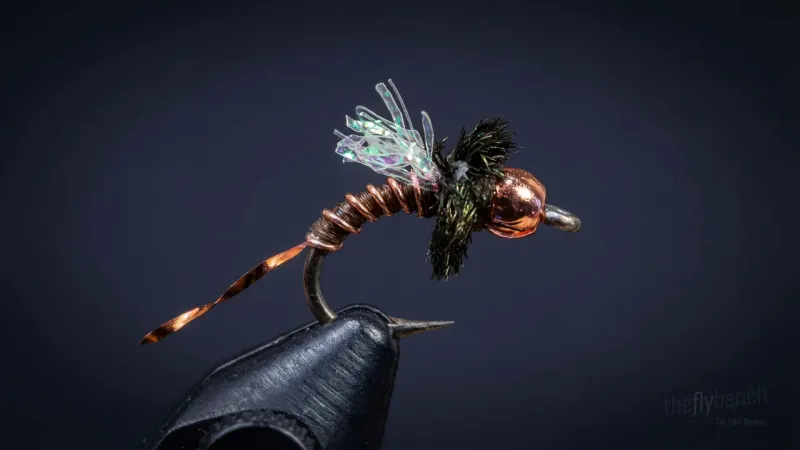
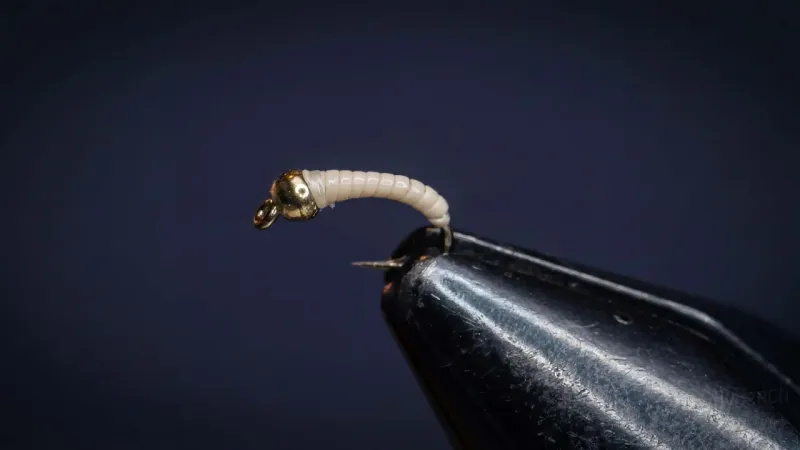
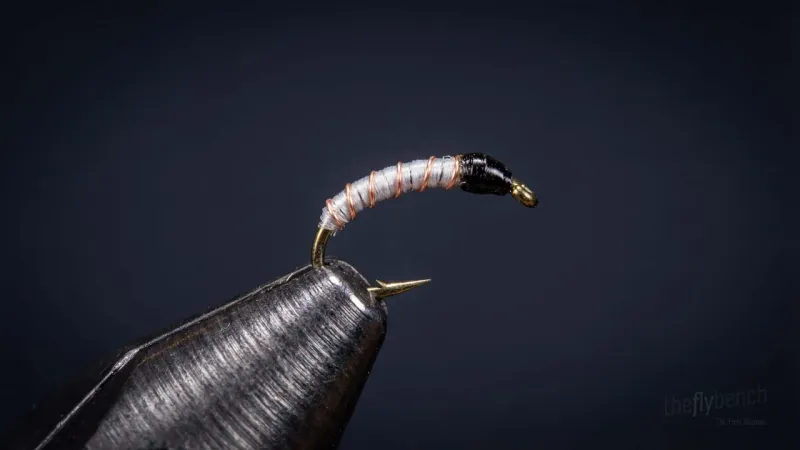
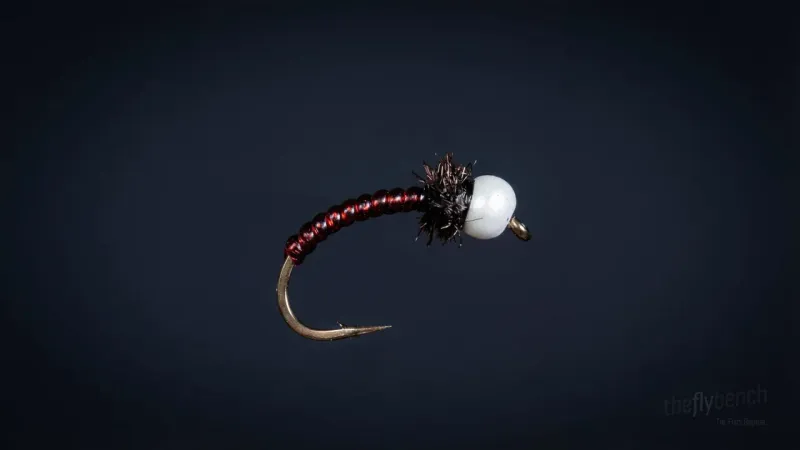
The Disco Midge is a flashy, high-visibility pattern that works great in tailwaters and spring creeks. It's an effective attractor pattern that can pull fish from the depths, even in heavily pressured waters. Its bright body and slim profile mimic the natural midges that trout love.
Year Round
Beginner
Trout
Apr 2025
Overview
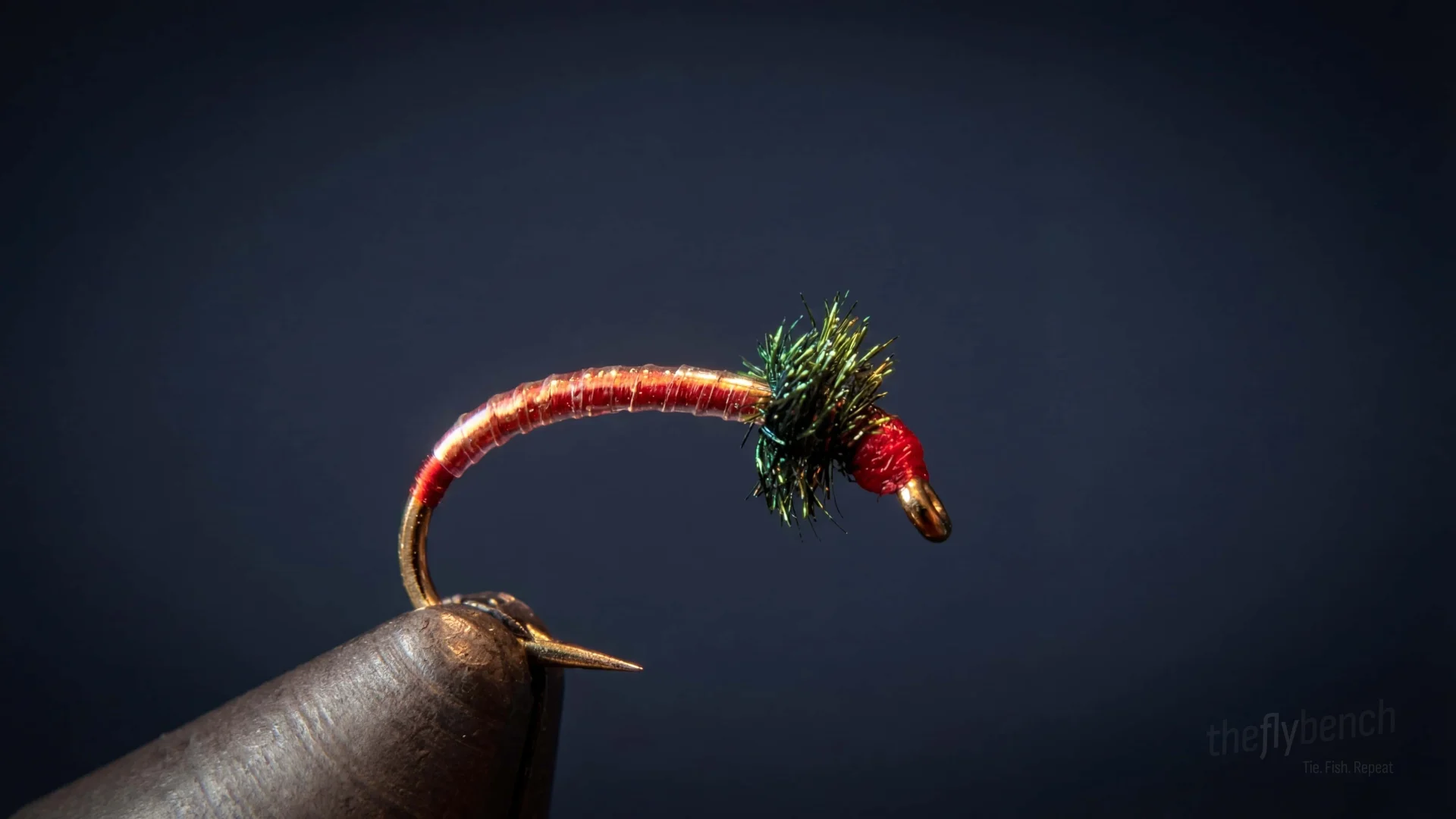
An ultra-simple attractor midge with a flashy body made from Krystal Flash or similar tinsel material, a small thread head, and sometimes a tiny bead. Often tied in silver, red, or pearl, this is a must-have for winter midge hatches and tight-lipped trout.
Where to Buy This Fly
We only link to fly shops we trust. Some links are referral links, which may earn us a commission at no extra cost to you.
Materials
- Hook:
- Tiemco 2487, size #16–#20, 2X short curved shank for midges
- Thread:
- Red Ultra thread, 70 denier
- Body:
- Pearl Krystal Flash
- Ribbing:
- Fine silver wire
- Shell:
- Solarez Bone Dry UV resin
Behavior & Presentation
Natural Behavior: Midge pupae ascend through mid-column depths in dense concentrations, their bodies oriented vertically as they struggle toward the surface film where emergence will occur. Fish establish feeding rhythms during these mass ascents, capitalizing on the predictable upward movement.
Where Trout Eat It: Suspended in mid-column depths and near-surface zones in tail-outs, slow pools, and spring creek runs where midge emergences concentrate.
How to Fish It: Dead drift at depth with indicator control, allowing the pattern to suspend naturally in the feeding zone where ascending pupae cluster.
Best Water: Target tail-outs, seams, and foam lines in tailwaters where midge pupae concentrate during emergence periods.
Strike Type: Watch for subtle indicator hesitation or barely perceptible line movement as trout sip pupae subsurface.
Fishing Strategy
Rigging Suggestions: Use a 9-foot leader with 5X or 6X tippet. Add small split shot 6-12 inches above fly if needed for depth. Works well as middle fly in three-fly euro rig.
Seasonal Timing: True year-round pattern with exceptional performance during months from November through March when midges are the primary food source on tailwaters and creeks.
Pro Tips: The bright, flashy body is highly visible to fish in low light and stained water. The slim profile and UV resin shell make it durable and help it sink quickly through the water column.
Entomology
Midge pupae cluster densely near the surface during mass emergences, creating visible clouds of insects in the surface layer as hundreds ascend simultaneously from lake or river bottoms. The concentrated availability and predictable vertical movement pattern allow fish to feed efficiently with minimal effort, often establishing consistent cruising patterns. This reliable food source during winter and early spring, when other insects are scarce, makes midge pupae critical to sustaining trout populations in tailwaters and spring creeks.
- Order
- Diptera
- Family
- Chironomidae
- Common Name
- Midge
- Organism Type
- insect
- Life Stage
- general