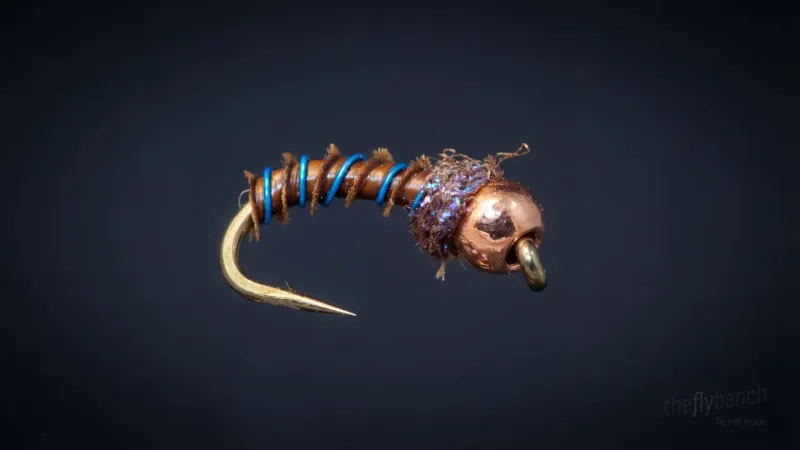
Midge / EmergersPeg's Midge
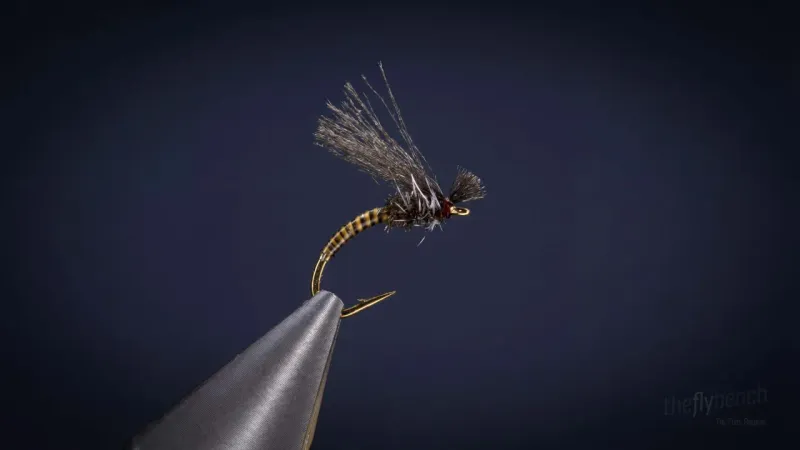
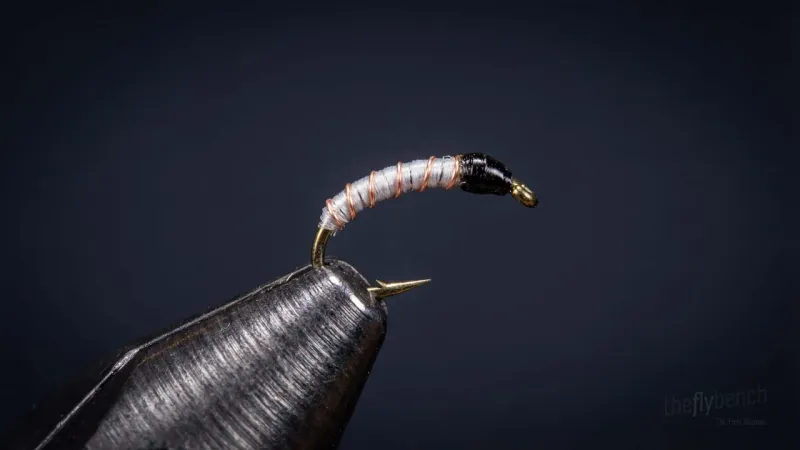
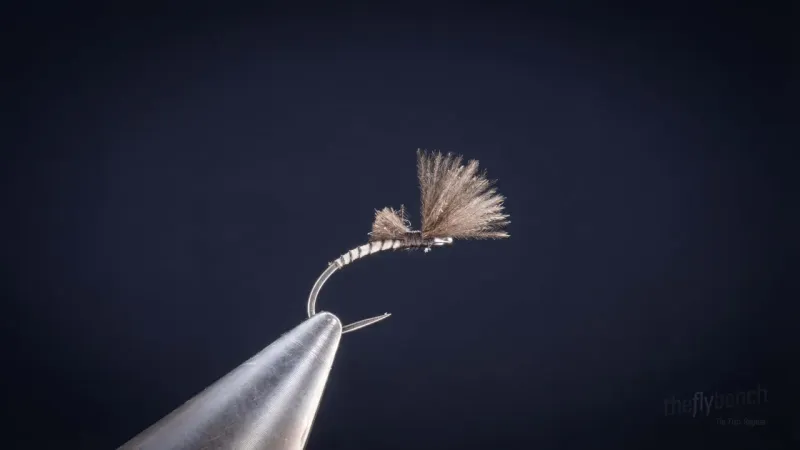
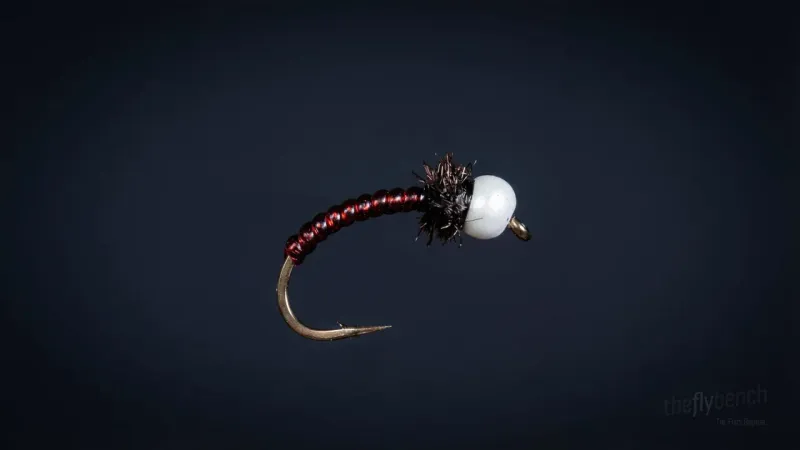
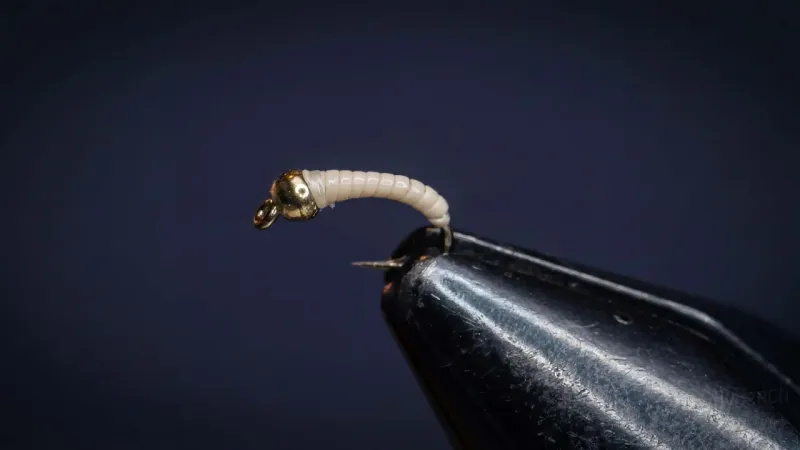
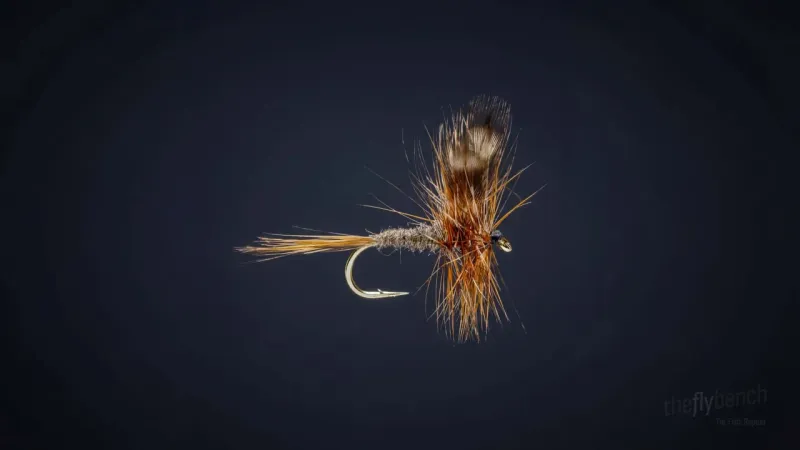
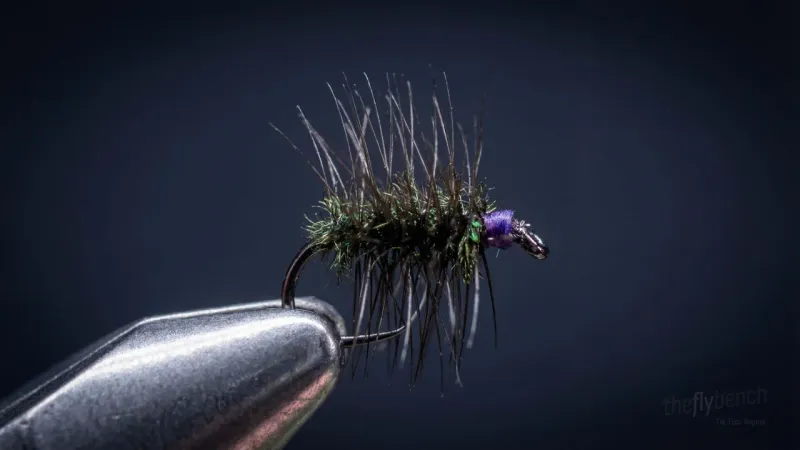
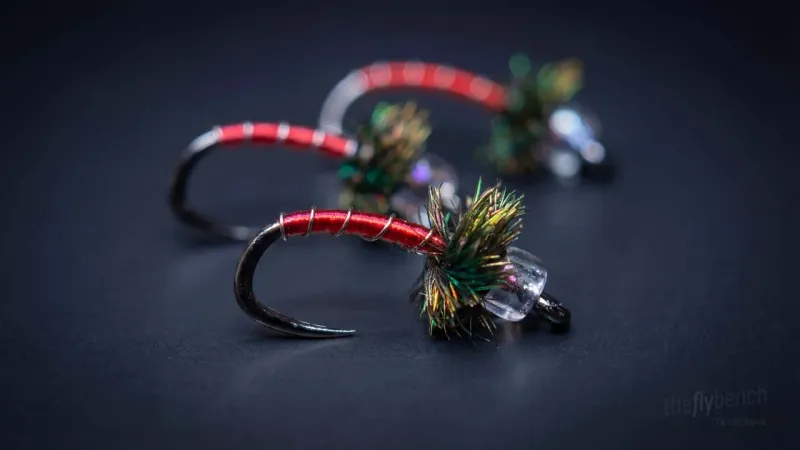
Peg's Midge is a simple yet highly effective pattern designed to mimic midge pupae during their emergence stage. Its slim profile, combined with a flash of color, makes it irresistible to trout.
Winter, Spring
Beginner
Trout
Apr 2025
Overview
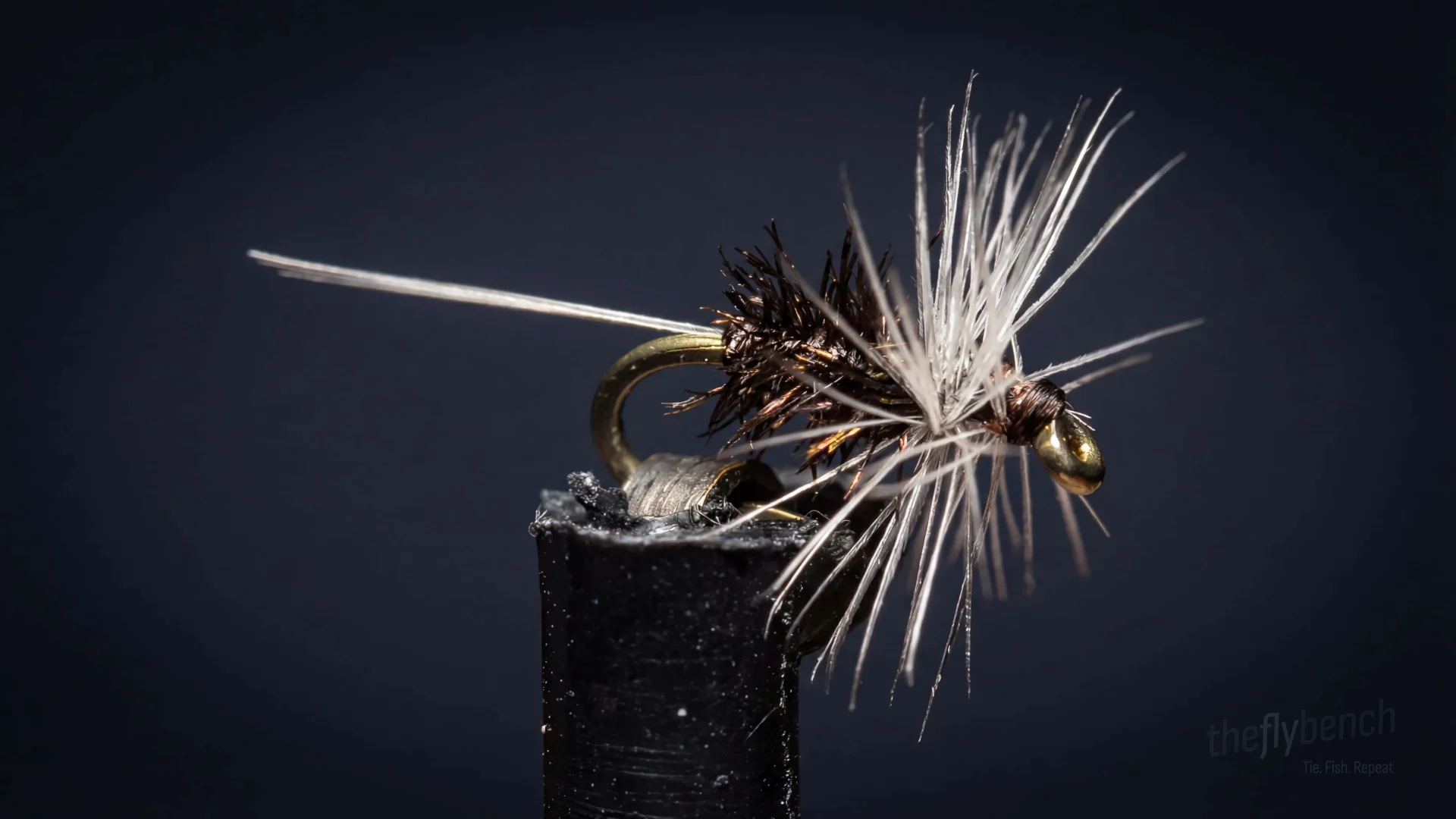
A minimalist pattern using a small curved hook, thread body, and fine wire ribbing. It sometimes features a sparse thorax of dubbing and a tiny wing tuft of Antron or CDC. Perfect for technical tailwater midge hatches.
Where to Buy This Fly
We only link to fly shops we trust. Some links are referral links, which may earn us a commission at no extra cost to you.
Materials
- Hook:
- Tiemco TMC 100, size #20-#26
- Thread:
- Veevus 16/0, dark brown
- Tail:
- Dry-fly hackle, cream or white
- Body:
- Peacock herl
- Hackle:
- Dry-fly hackle, cream or white
Behavior & Presentation
Natural Behavior: Midge pupae ascend slowly through the water column using gas trapped beneath their pupal shucks, suspended in mid-column or hanging in the film. They remain vulnerable during this slow rise.
Where Trout Eat It: Fish intercept ascending pupae throughout the water column, focusing on the film and upper inches where insects hang during emergence.
How to Fish It: Fish with dead-drift presentations in the film or suspended at specific depths matching feeding activity.
Best Water: Target tail-outs with glassy surfaces, seams along current breaks, and foam lines where pupae concentrate.
Strike Type: Watch for subtle sips or barely perceptible indicator movements.
Fishing Strategy
Rigging Suggestions: Peg's Midge works well on a light tippet, either on its own or as part of a multi-fly rig.
Seasonal Timing: Most effective March through November with peak activity during cooler months. Fish morning and evening when hatches are most concentrated.
Pro Tips: This fly sinks and is best fished just below the surface. The Solarez Bone Dry UV resin adds shine and durability, making the fly more visible to trout.
Entomology
Transitioning midges cluster in the surface film during mass emergences, their pupal shucks clinging to adult bodies as they attempt to break free and fly away. Trout become preoccupied with these specific emergence patterns during heavy midge activity, often refusing other offerings while systematically consuming the vulnerable transitioning insects.
- Order
- Diptera
- Family
- Chironomidae
- Common Name
- Midge
- Organism Type
- insect
- Life Stage
- general