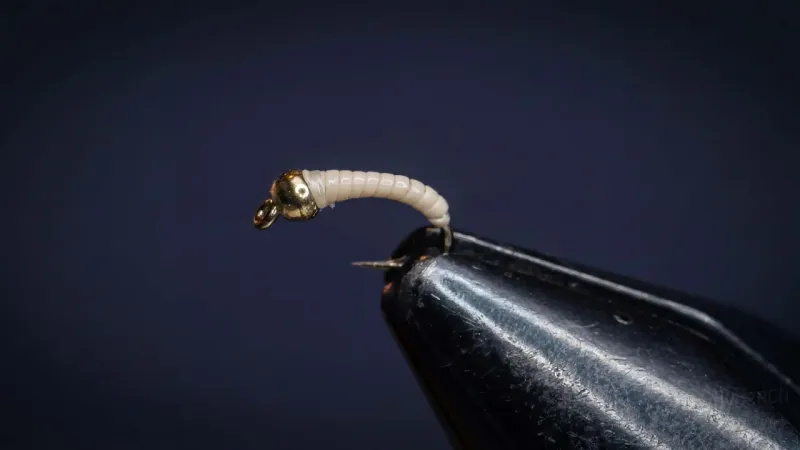
Midge / EmergersBlack Beauty
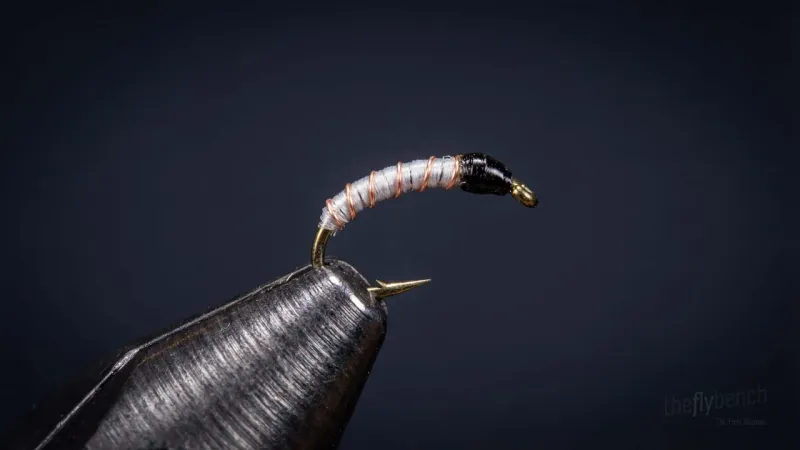
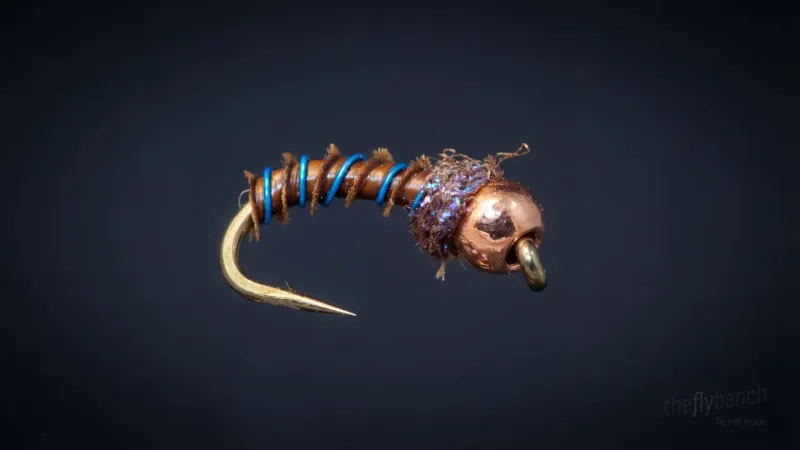
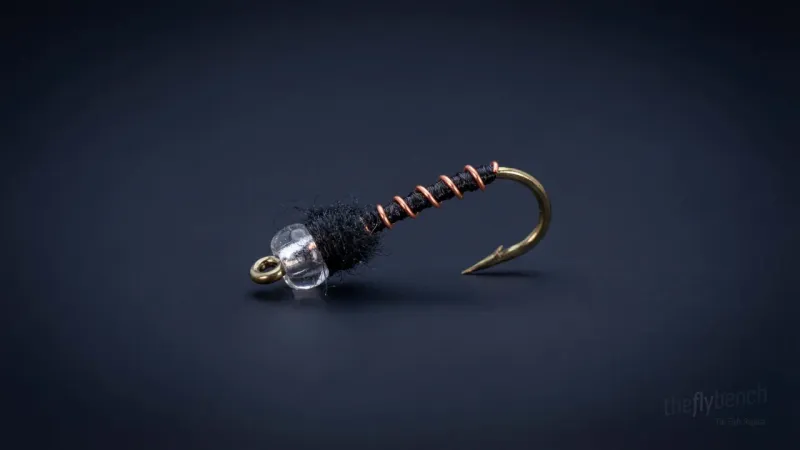
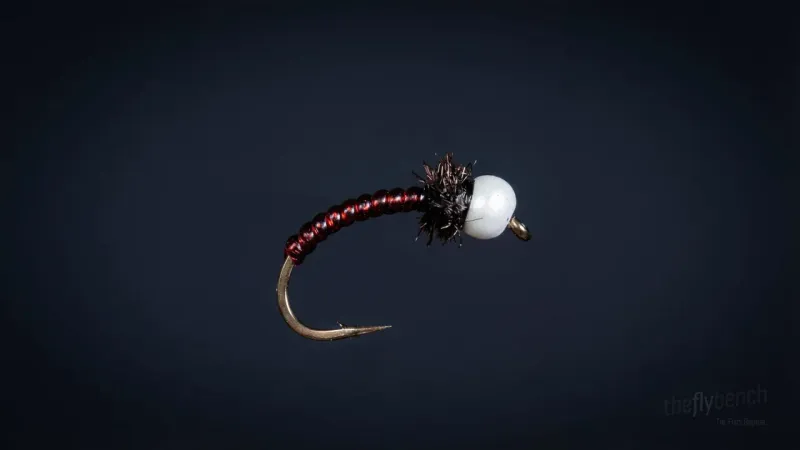
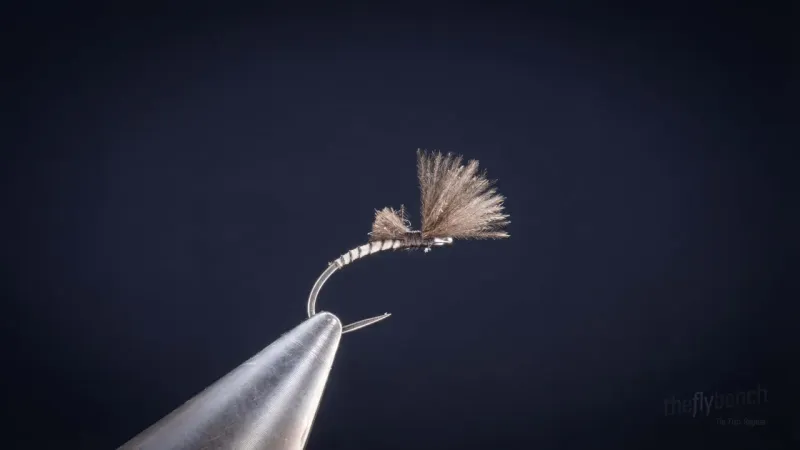
The Black Beauty is a simple yet effective midge pattern that imitates the pupa stage of a midge's life cycle. Its slim profile and black color make it a go-to fly in many fly fishing situations.
Winter, Spring
Beginner
Trout
Apr 2025
Overview
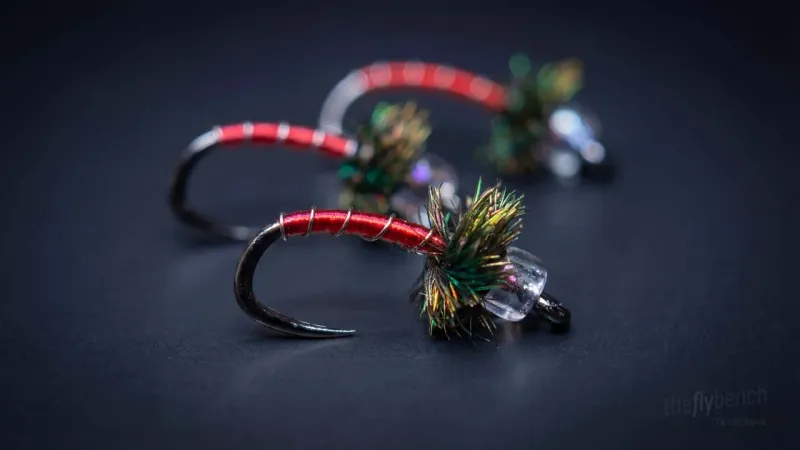
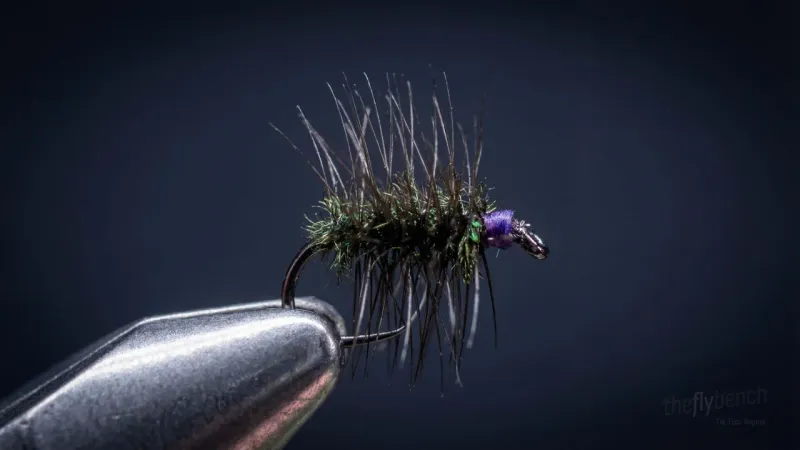
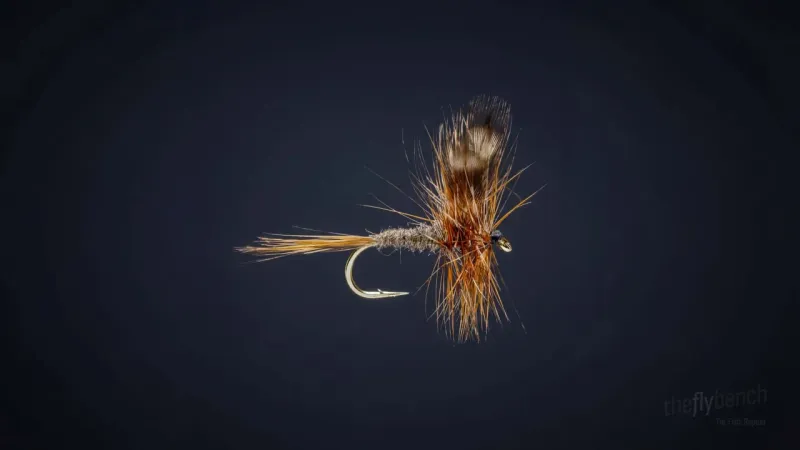
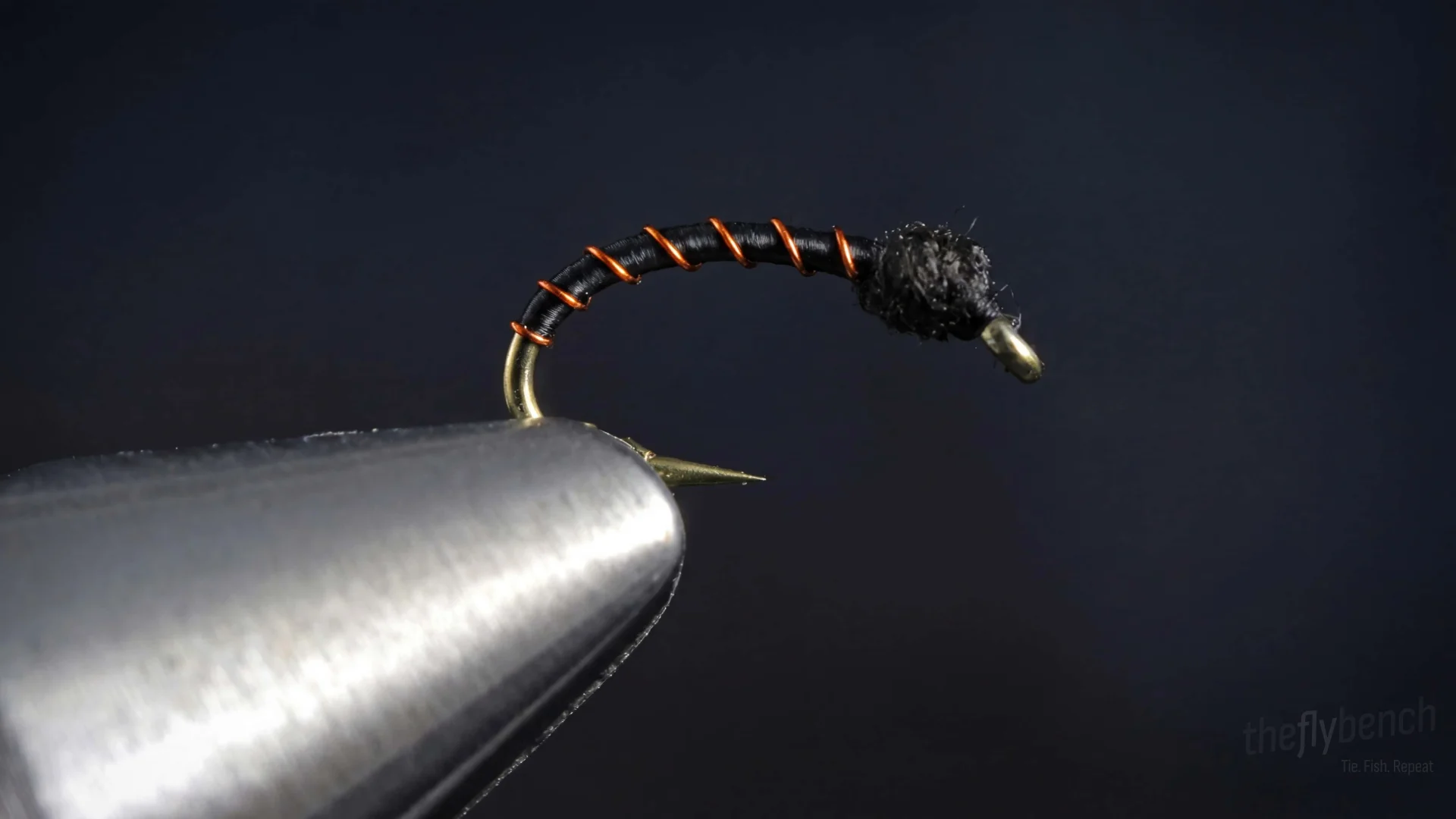
A minimalist midge pupa pattern, tied with black thread for the body, fine silver wire ribbing, and a peacock herl thorax. Use a curved hook and keep the profile thin and tapered. This pattern excels in clear water and pressured fisheries. Its simplicity and slim build are what make it effective.
Where to Buy This Fly
We only link to fly shops we trust. Some links are referral links, which may earn us a commission at no extra cost to you.
Materials
- Hook:
- Tiemco 2487, size #16–#20, 2X short curved shank for midges
- Thread:
- Black Veevus 14/0
- Body:
- Black thread
- Ribbing:
- Fine silver wire
Behavior & Presentation
Natural Behavior: Throughout their lifecycle stages, midges provide year-round feeding opportunities from bottom-dwelling larvae to ascending pupae to surface-trapped adults. Their incredible abundance during cold months makes them a critical food source when other insects are absent, and trout feed on them with metronomic consistency in both flowing and still waters.
Where Trout Eat It: Fish sip just below the surface in runs, pools, and current seams during midge activity.
How to Fish It: Sub-surface dead drift through feeding lanes matches the vulnerable drift of ascending pupae.
Best Water: Focus on runs, pools, current seams, tail-outs, and slicks where midges concentrate.
Strike Type: Sub-surface dead drift through feeding lanes in runs, pools, and current seams produces subtle takes. Fish sip just below the surface with quiet interceptions — watch for gentle indicator twitches or micro-hesitations in the drift.
Fishing Strategy
Rigging Suggestions: The Black Beauty can be used as a dropper off a dry fly or in a tandem nymph rig.
Seasonal Timing: This fly is most effective in and early when midges are most active. Use the Black Beauty when you see fish feeding just below the surface and suspect they are feeding on midges.
Pro Tips: The Black Beauty is meant to sink and imitate a midge pupa. Its slim profile and dark color can make it difficult to see in certain light conditions.
Entomology
Midges are available to trout throughout their aquatic life cycle, from bottom-dwelling larvae to pupae ascending through the water column to surface-trapped adults. Their year-round presence and incredible abundance in both flowing and still waters make them a dietary staple, especially during cold months when other insects are absent. Trout feed selectively on midges because consistent availability and sheer numbers make them a reliable, energy-efficient food source regardless of season.
- Order
- Diptera
- Family
- Chironomidae
- Common Name
- Midge
- Organism Type
- insect
- Life Stage
- general