


Overview
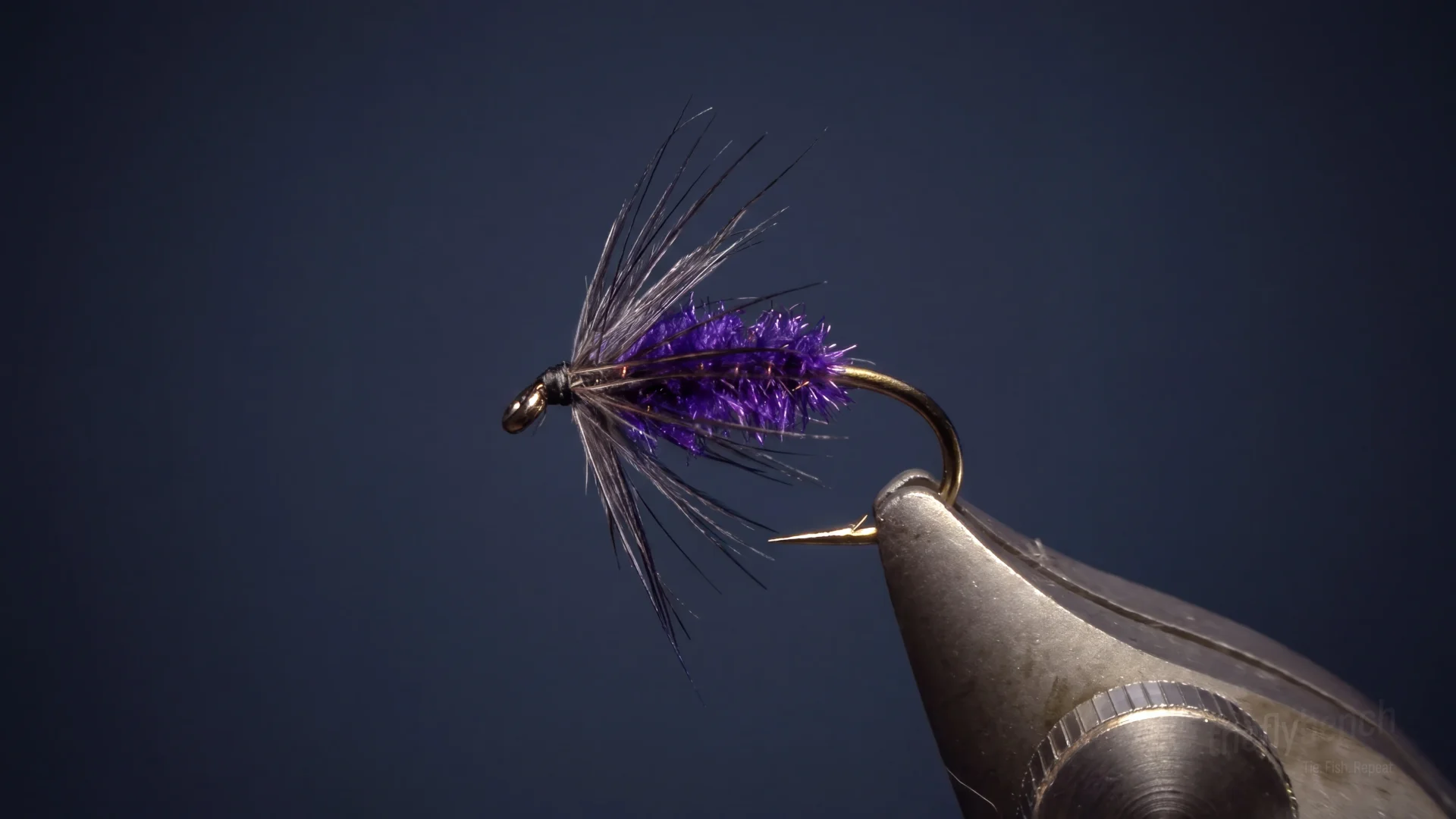
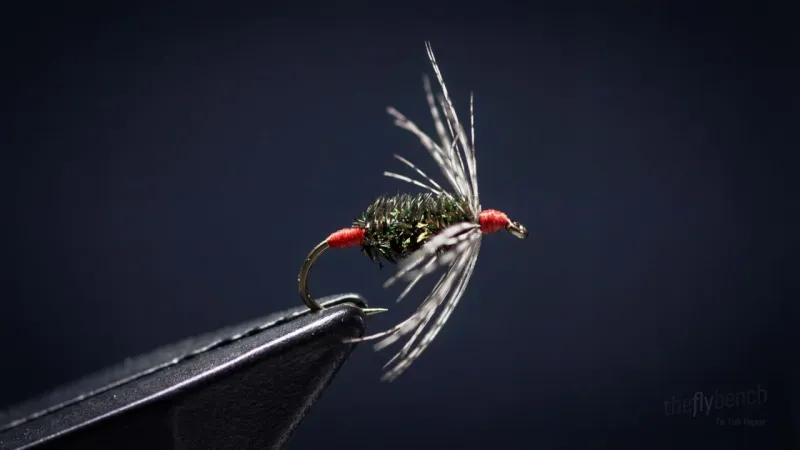
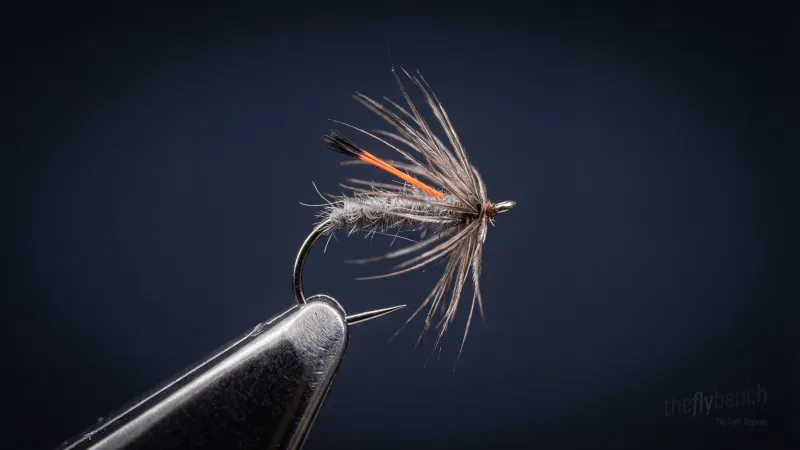
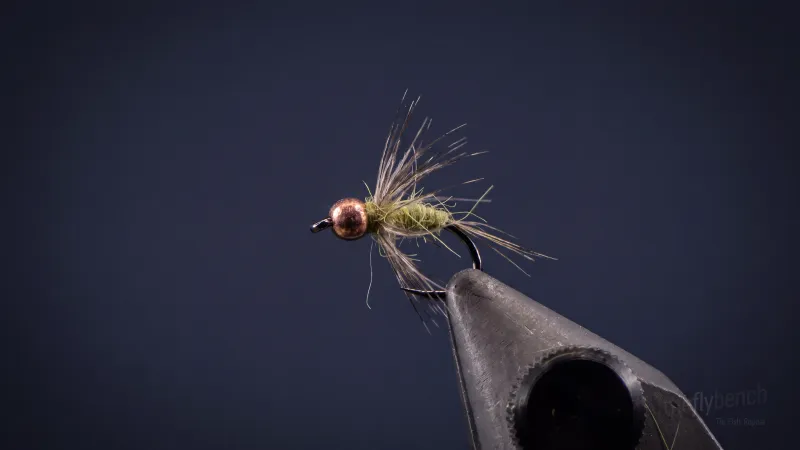
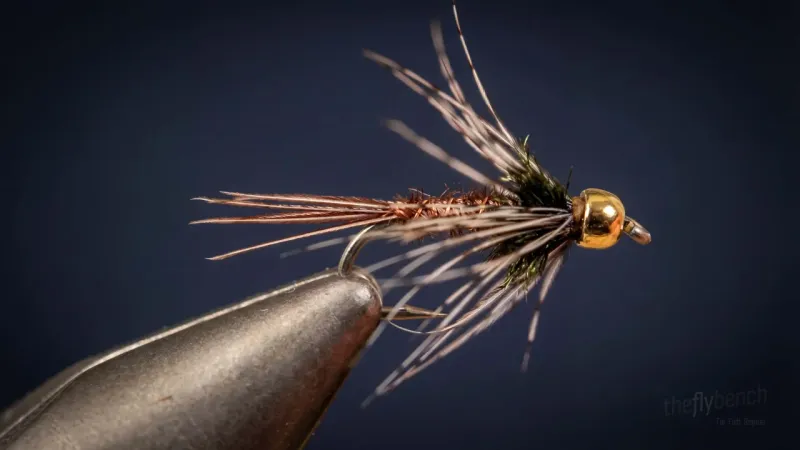
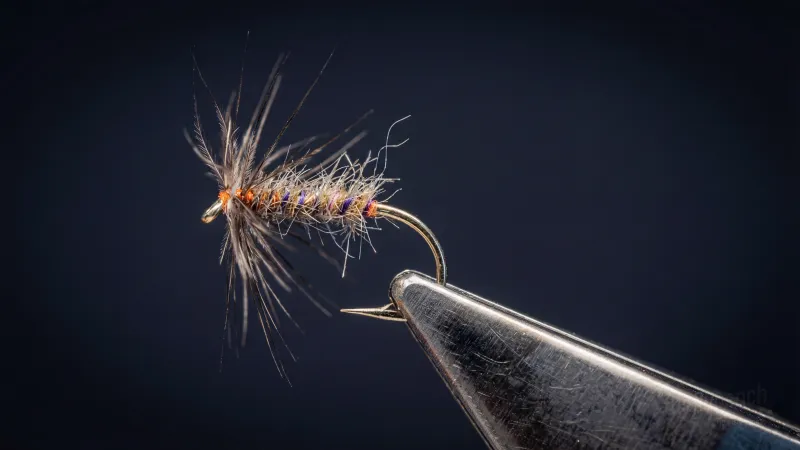
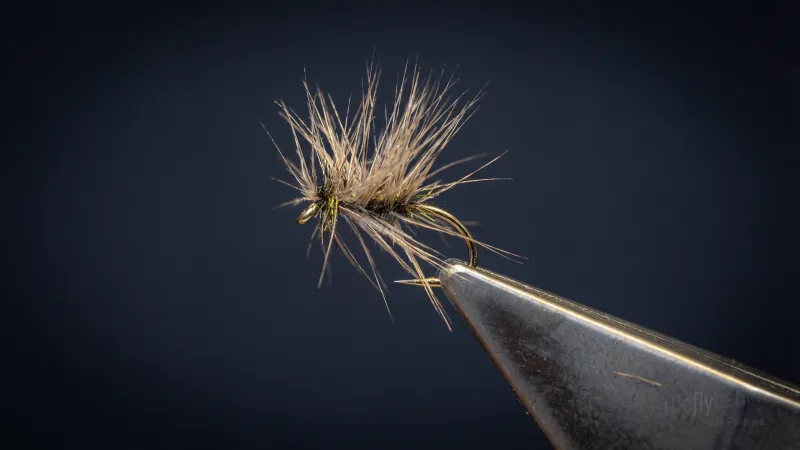
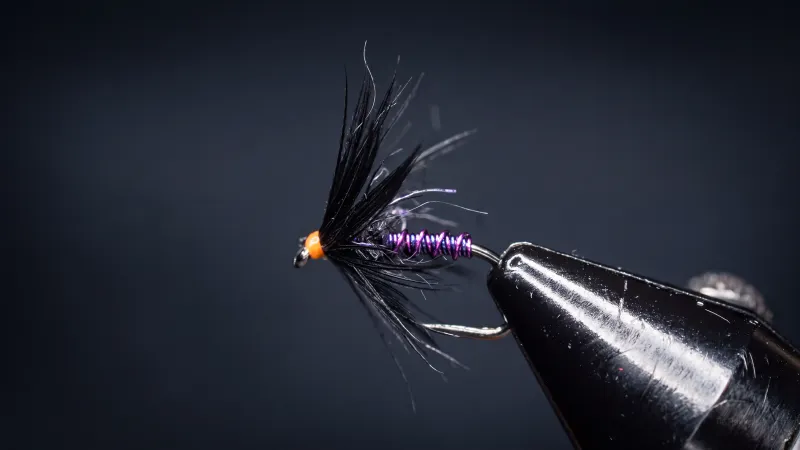
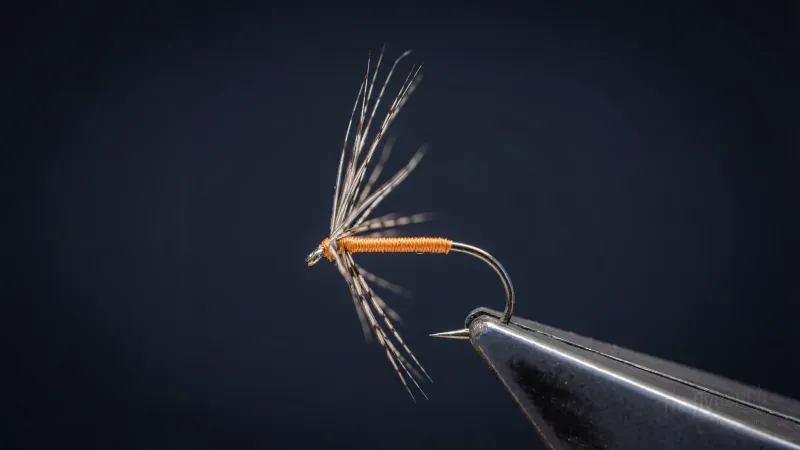
Peacock bodies with starling collars go back to old North Country flies such as the Brown Clock, and Sylvester Nemes later popularized a Starling and Herl. This version swaps natural herl for Nature's Spirit dyed peacock, so the body can be tied in purple or any other shade. Two turns of starling are plenty; keep the collar sparse so it breathes in current.
Related patterns
Behavior & presentation
- Natural Behavior
- Mayflies and caddis that fail to break through the film, or get swept under after hatching, drift limp just below the surface with legs and wings trailing, offering trout an easy meal.
- Where Trout Eat It
- Trout pick these cripples in the top foot of the water column, often holding just below the surface where hatching insects funnel together.
- How to Fish It
- Swing it down and across on a tight line, let it sink and drift as a drowned bug, or hang it 18 inches under a dry fly. A few short strips also work in lakes.
- Best Water
- Riffle drop-offs, current seams, the soft water behind boulders, and pool tail-outs where emerging insects collect at the end of a hatch.
- Strike Type
- On the swing, takes come as a firm pull as the fly rises at the end of the drift; under a dry, the dry simply ticks under or twitches sideways.
Fishing strategy
- Rigging Suggestions
- Fish on a 9-foot 5X leader, alone on the swing or as the dropper behind a buoyant dry. On a two-fly wet rig, run it as the top fly with a heavier nymph on the point to help it down.
- Seasonal Timing
- Best from April through October during caddis and mayfly emergences, especially in the afternoon and evening when insects are leaving the bottom and struggling in the film.
- Pro Tips
- Carry the body in several dyed colors and change shades before changing patterns. Sizes 14-18 match most emerging insects. Let the fly hang below you for a few seconds at the end of each swing before recasting.
Entomology
Aquatic insects rising to hatch are slowed by the surface film, and many drown or cripple before they can fly off. Trout feed steadily on these helpless insects because they drift near the surface and cannot escape.
- Common name
- Emerging Insects
- Organism
- insect
- Life stage
- emerger
Pattern details
- Moving Water
- Stillwater
- Worldwide
- soft-hackle-family
- swing
- dead-drift
- dry-dropper
- beginner-friendly
- searching-pattern