

Overview
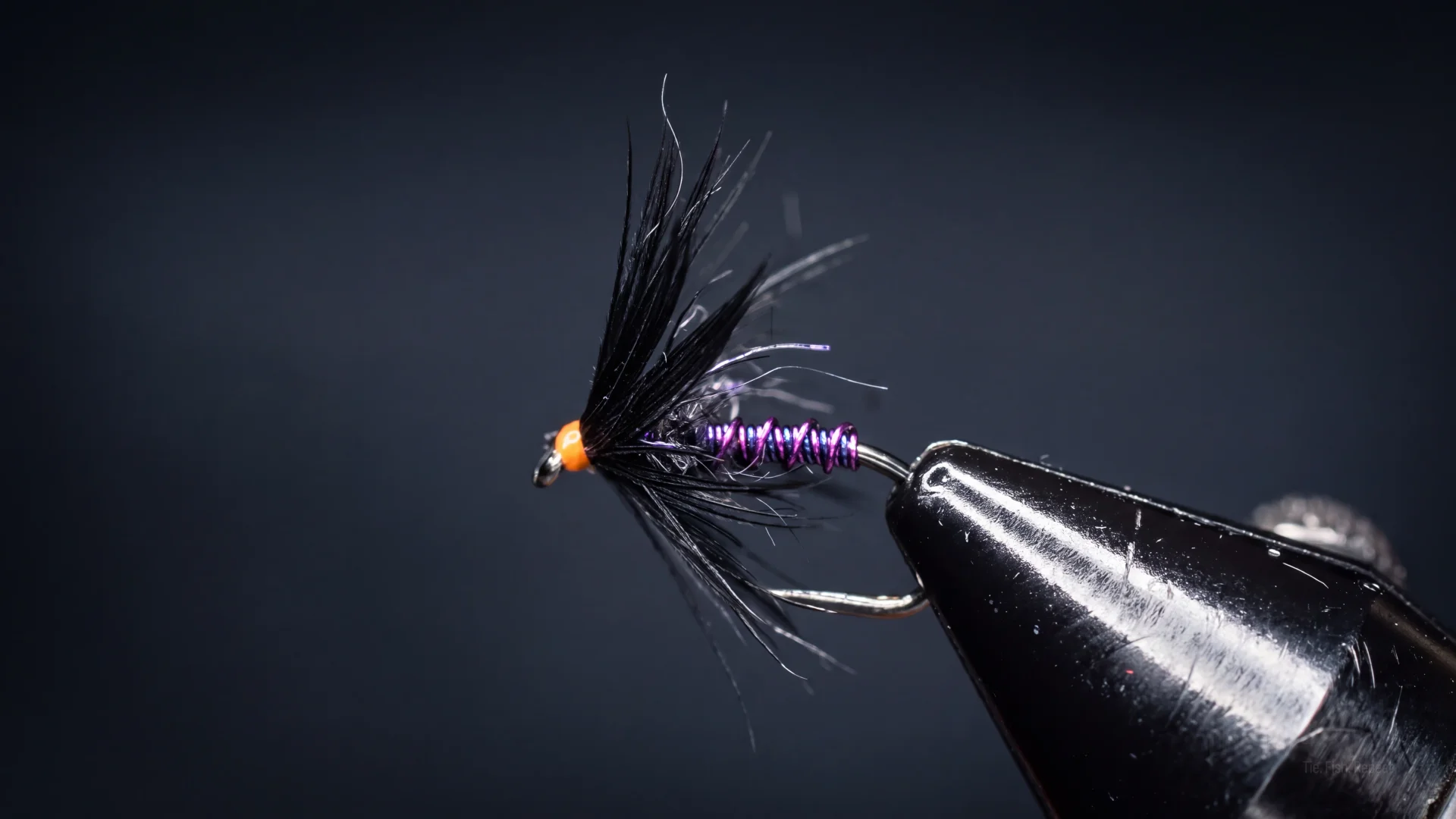
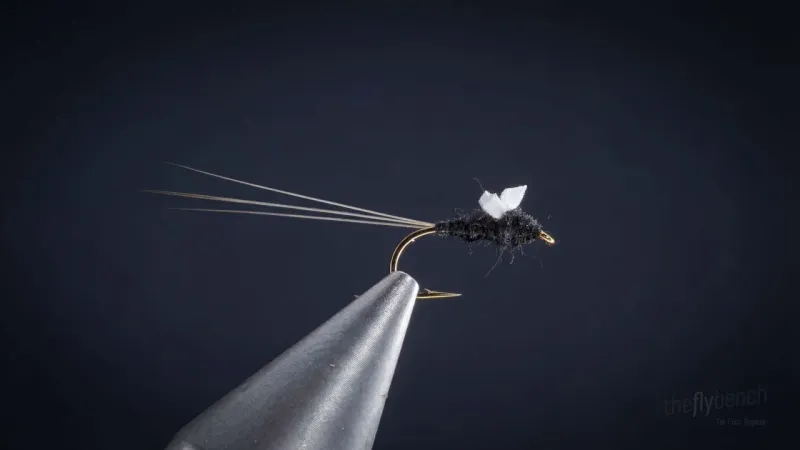
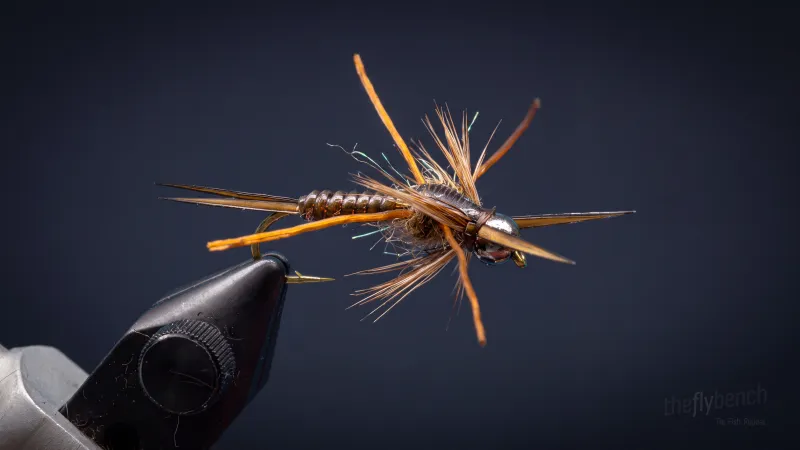
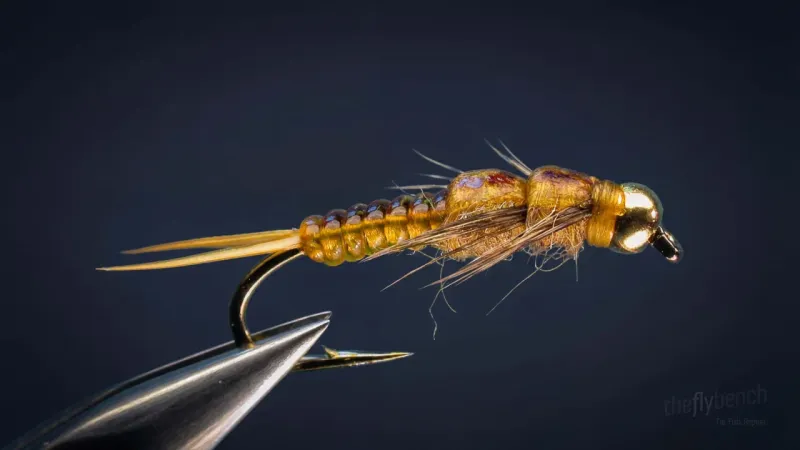
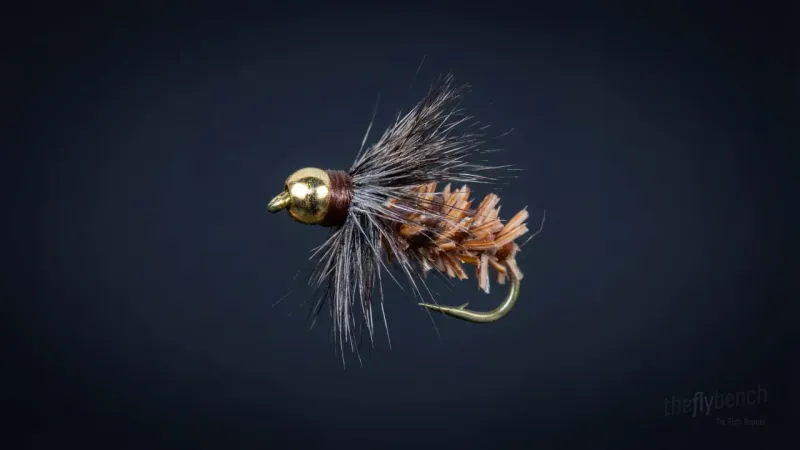
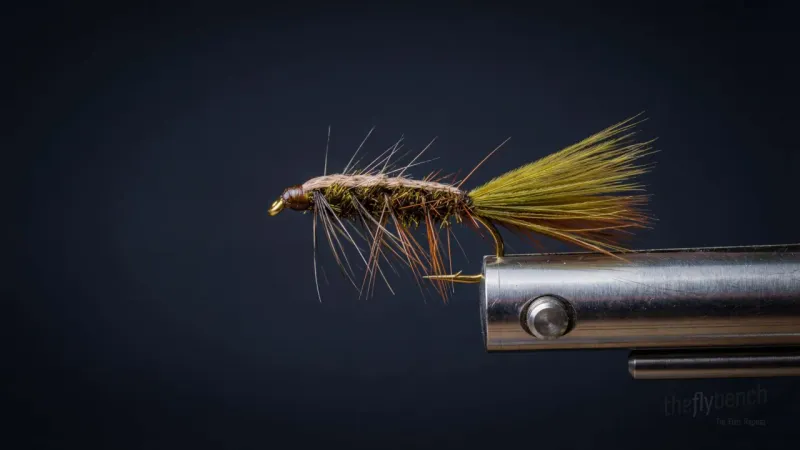
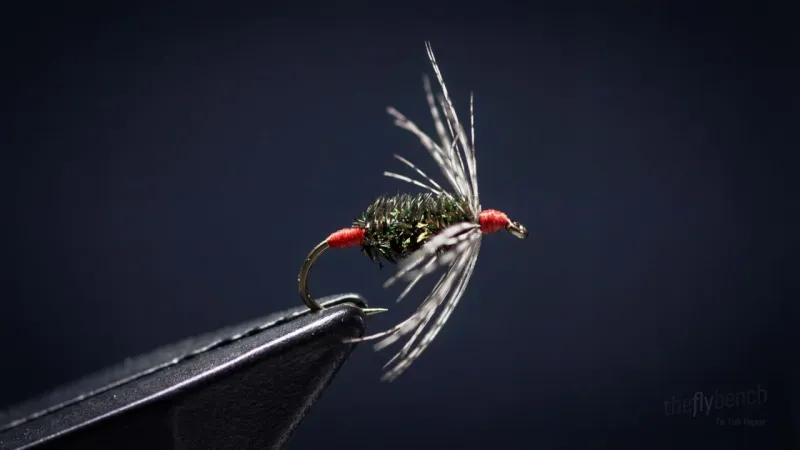
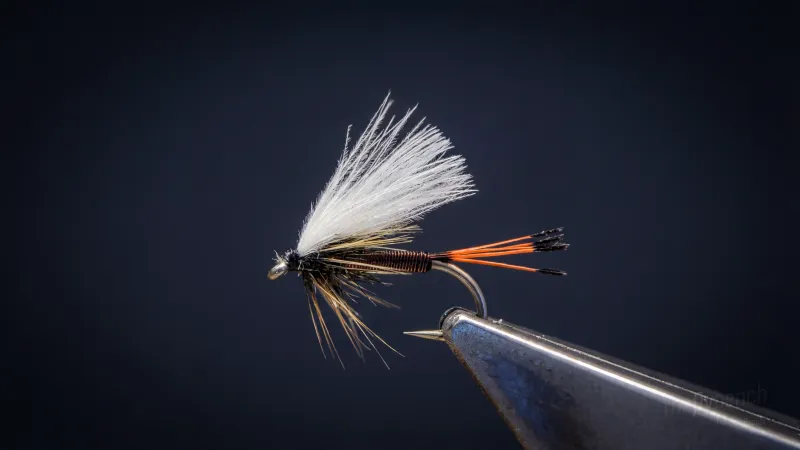
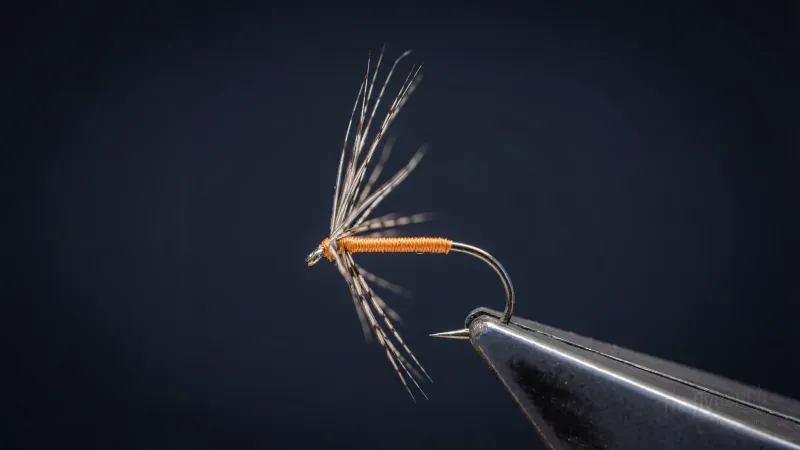
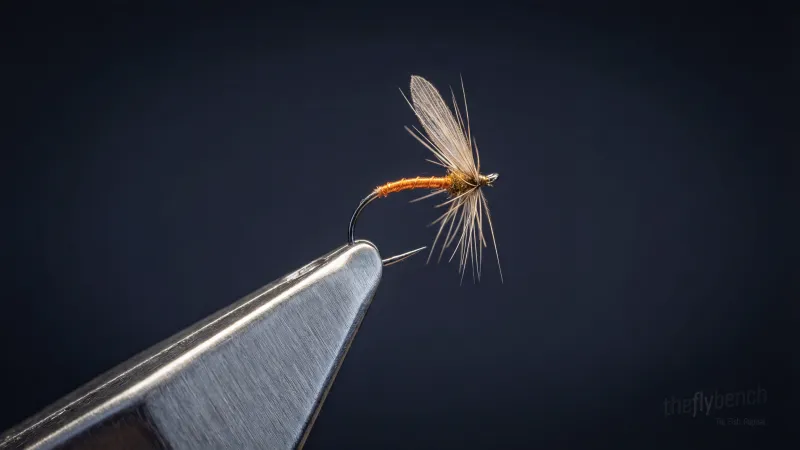
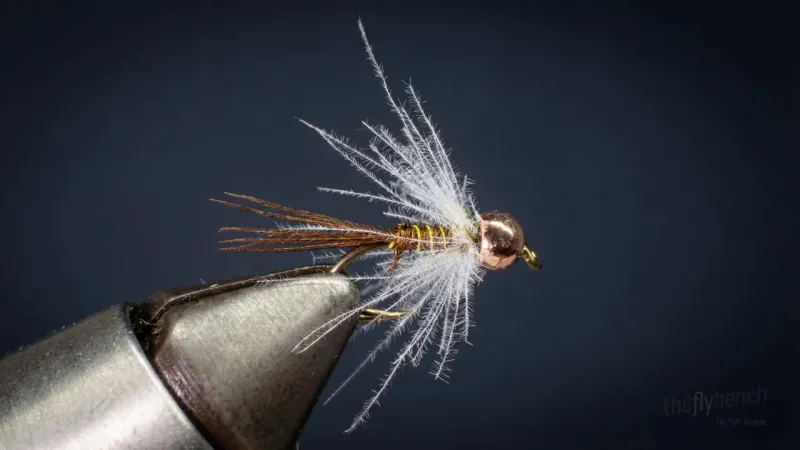
Brent Auger tied this version for Leland Fly Fishing in 2021. He wraps the fine wire so the body stays thin and even, without the lump wire usually leaves at the tie-in point. An orange thread head gives it a small hot spot. Hans Stephenson of Fly Fish SD ties a similar wire-bodied soft hackle as a dropper and suggests changing the colors and size to match local bugs.
Related patterns
Behavior & presentation
- Natural Behavior
- Mayfly nymphs and caddis pupae let go of the bottom shortly before a hatch and swim or float up through the water. Their legs and trailing shucks move with the current as they rise.
- Where Trout Eat It
- Trout hold near the bottom of a run and pick off insects as they lift. Late in the drift they move up and chase anything that starts climbing toward the surface.
- How to Fish It
- Cast down and across and let the current swing the fly. At the end of the drift, let it hang and rise so the hen hackle opens and closes. It also works dead-drifted below a dry fly, then lifted at the end.
- Best Water
- Riffle tail-outs, the soft seam along a current tongue, the inside edge of a bend, and in lakes, the drop-off off a weedy shelf.
- Strike Type
- On the swing, the line tightens hard as a trout turns away with the fly. Under a dry, the dry fly dips or slides sideways.
Fishing strategy
- Rigging Suggestions
- Use a 9-foot 4X-5X leader. Swing it alone or as the point fly on a two-fly wet team, or hang it 18-24 inches below a buoyant dry. The wire body sinks it without added shot in moderate current.
- Seasonal Timing
- Best from April through October around caddis and mayfly emergences, especially in the hour before a hatch starts and in the evening.
- Pro Tips
- Carry it in sizes 12-16 and a few color combinations. Purple and black show up well in low light and stained water. Mend once after the cast so the fly sinks before the swing starts.
Entomology
- Order
- Ephemeroptera
- Common name
- Mayfly
- Organism
- insect
- Life stage
- emerger
Pattern details
- Moving Water
- Stillwater
- Rocky Mountain
- soft-hackle-family
- swing
- dead-drift
- dry-dropper
- searching-pattern
- modern