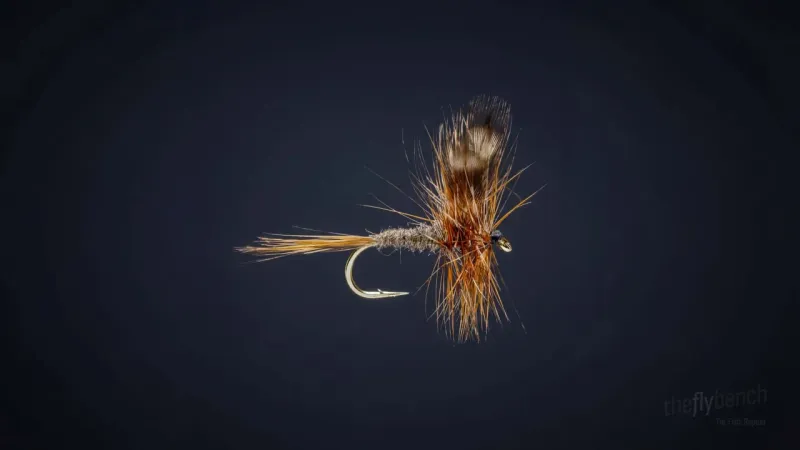
Midge / EmergersPartridge Pupa
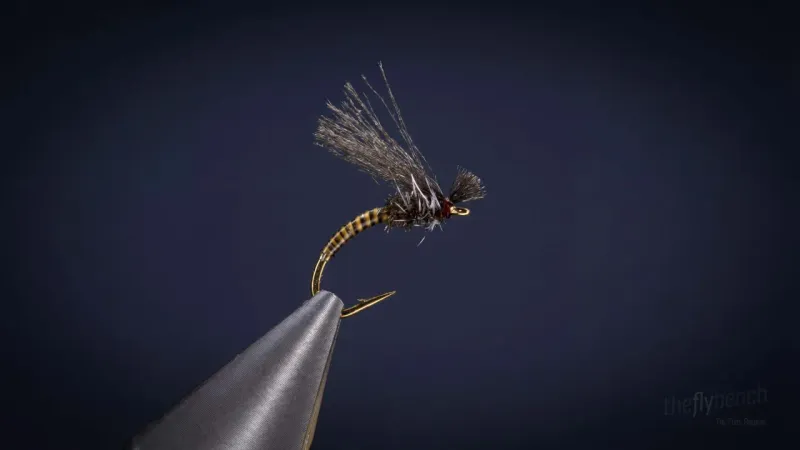
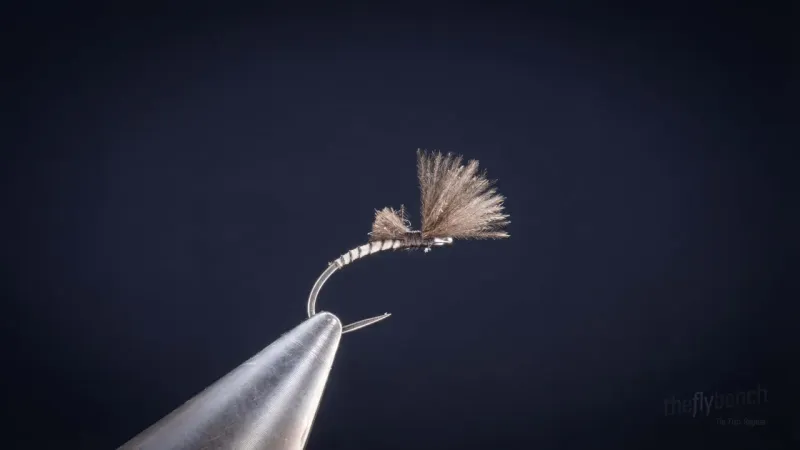
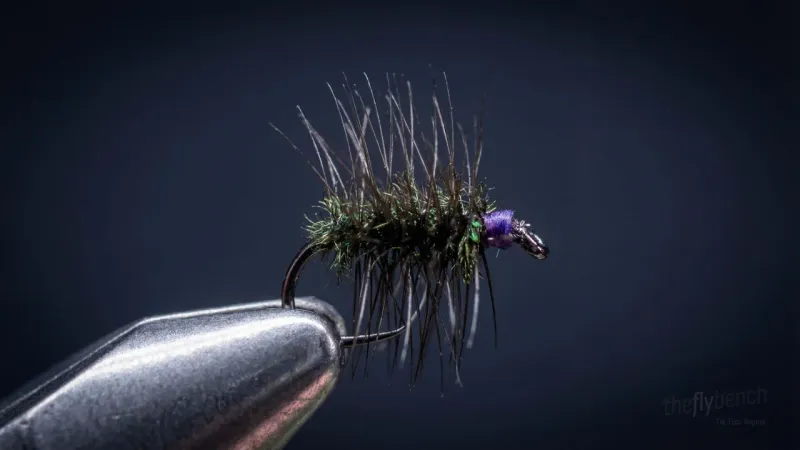
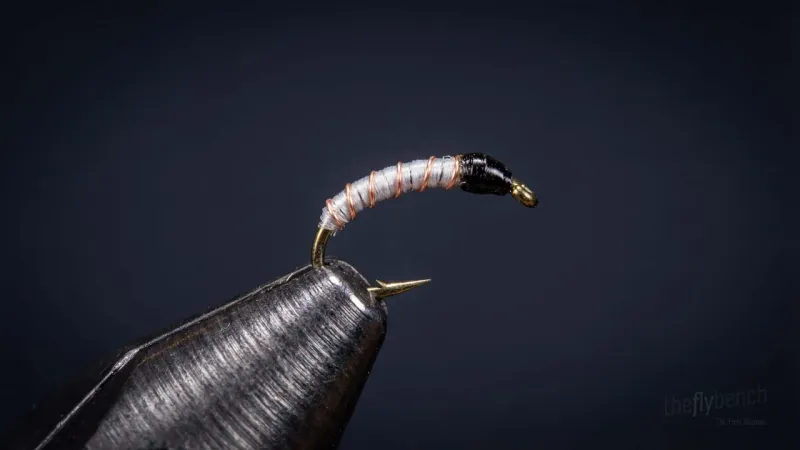
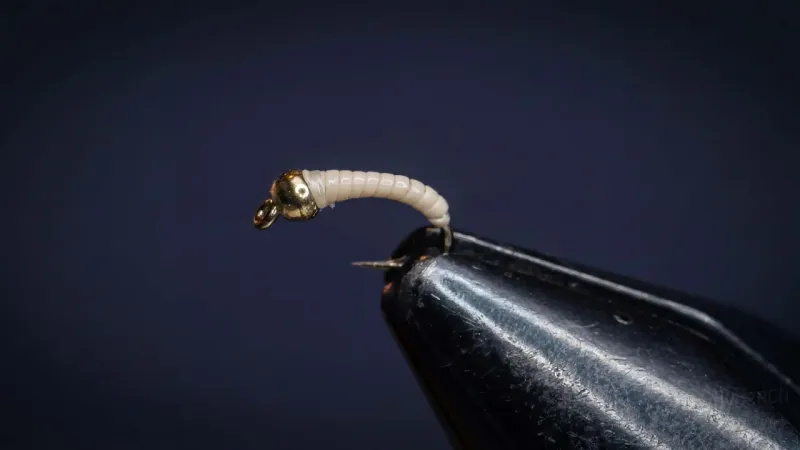
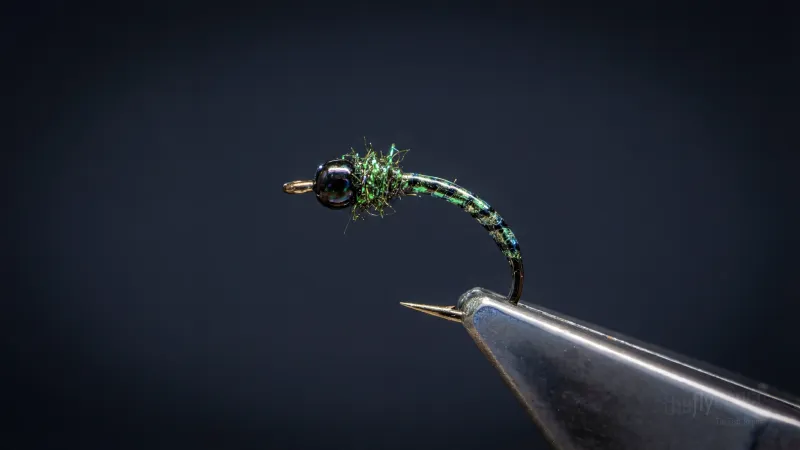
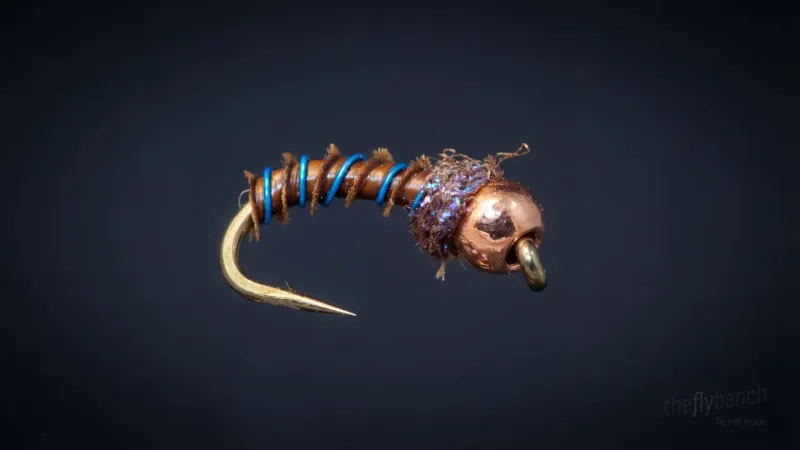
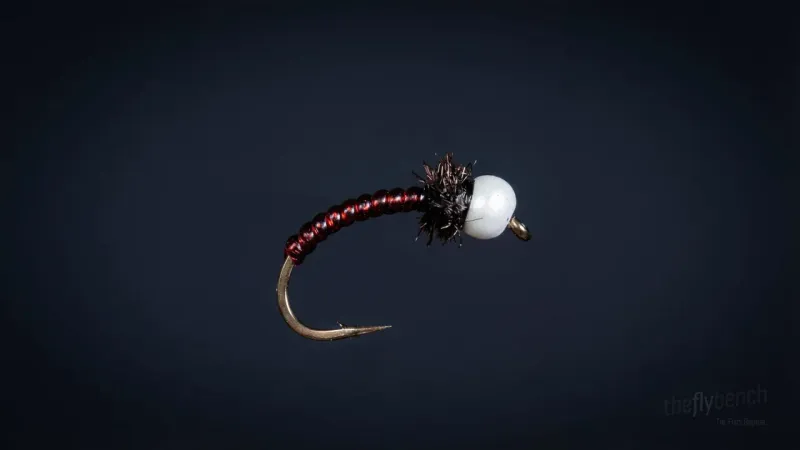
The Partridge Pupa is a midge emerger pattern designed by Sven Ostermann. This effective pattern works well in a variety of water conditions and is tied with traditional materials for a proven presentation.
Spring, Summer, Fall
Intermediate
Trout
Feb 2026
Overview
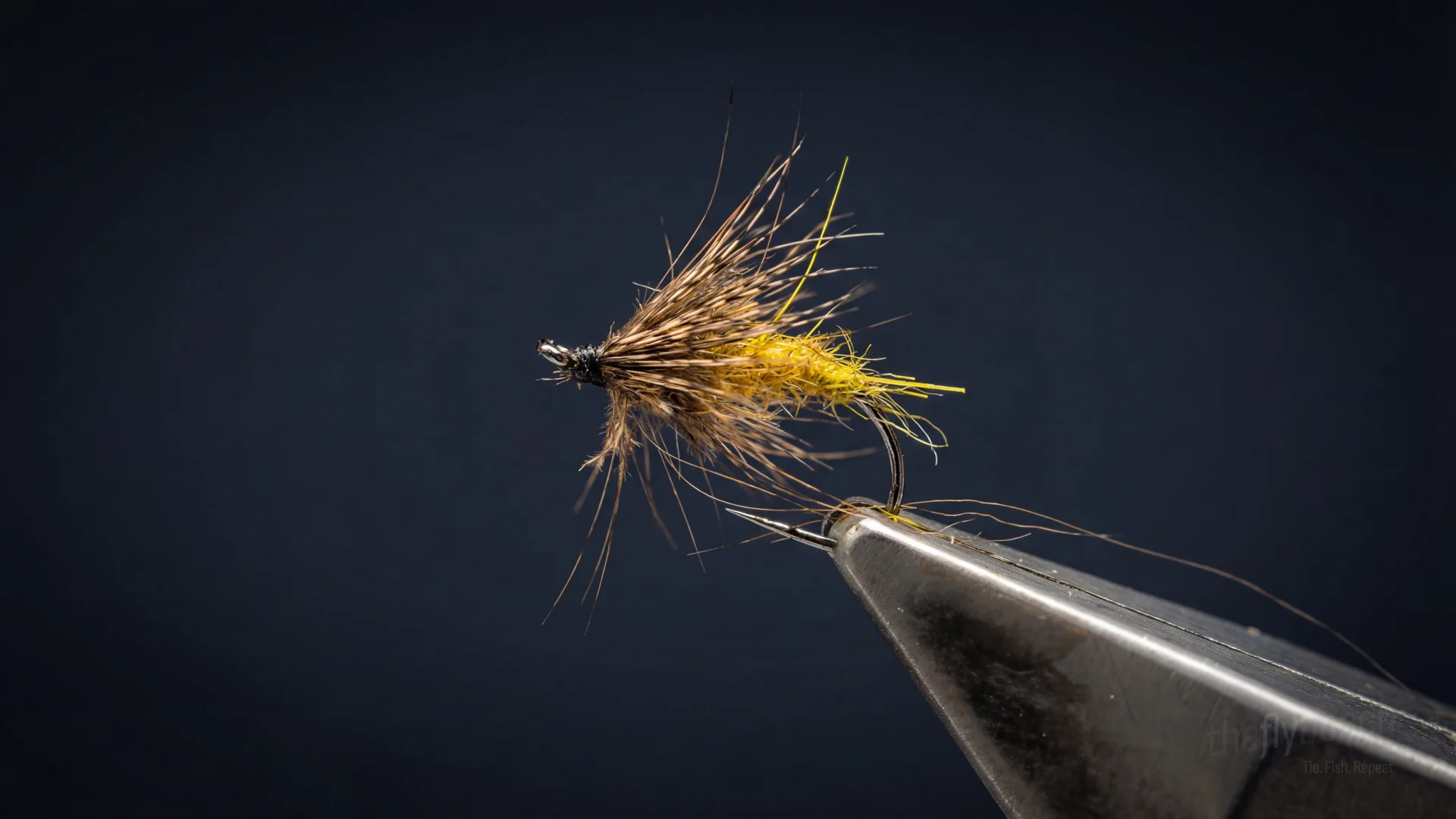
Sven Ostermann's Partridge Pupa uses soft partridge hackle and a slender dubbed body to imitate emerging midges. The sparse hackle provides subtle movement while allowing the pattern to hang in the surface film where emergers are most vulnerable. The natural fibers breathe and pulse with current changes, creating the illusion of a struggling insect. This pattern excels in tailwaters and spring creeks where midges hatch year-round and trout become highly selective to specific emergence stages.
Where to Buy This Fly
We only link to fly shops we trust. Some links are referral links, which may earn us a commission at no extra cost to you.
Materials
- Hook:
- Grip 14723BL #14
- Thread:
- Benecchi 12/0, black
- Collar:
- Brown partridge barbs
- Abdomen:
- Argentinian hare, olive
Behavior & Presentation
Natural Behavior: Midge pupae ascend slowly through the water column in a vulnerable vertical drift toward the surface film. Their gradual rise and inability to change direction make them easy targets for cruising fish who systematically work through these concentrations.
Where Trout Eat It: Trout sip this pattern in the surface film during morning and evening emergence periods in tailwaters and spring creeks. Fish target the suspended pupa in back eddies, soft seams, and glassy runs where midges collect and hang vertically in the film.
How to Fish It: Fish in the film with drag-free drifts, greasing your leader to within 6 inches of the fly so the sparse partridge hackle breathes in the current. Use as a dropper 18-24 inches behind a dry fly or fish alone with ultra-light 6X-7X tippet for selective trout.
Best Water: Most effective in tail-outs, back eddies, and slow seams of tailwaters and spring creeks where midges hatch year-round. Target foam lines and slicks in slow runs where emergers suspend and concentrate in European waters.
Strike Type: The indicator will hesitate or drift slightly upstream as trout gently mouth the suspended pupa. Set on any unnatural pause in the drift.
Fishing Strategy
Rigging Suggestions: Use a 12-15 foot leader with 6X-7X tippet. Fish alone or as a dropper beneath a small dry fly.
Seasonal Timing: Most effective during peak feeding periods at dawn and dusk. Water temperatures between 45-65°F typically produce best results.
Pro Tips: Sinks at a moderate rate depending on hook weight. The natural materials blend well with the aquatic environment.
Entomology
Midge pupae ascend slowly through the water column in a vulnerable vertical drift toward the surface film. Their gradual rise and inability to change direction make them easy targets for cruising fish who systematically work through these concentrations.
- Order
- Diptera
- Family
- Chironomidae
- Common Name
- Midge
- Organism Type
- insect
- Life Stage
- general