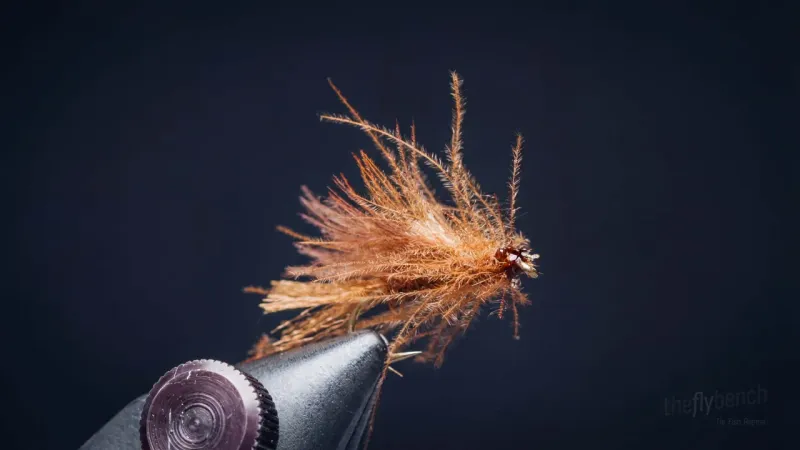
Dry FliesPara Weld Caddis
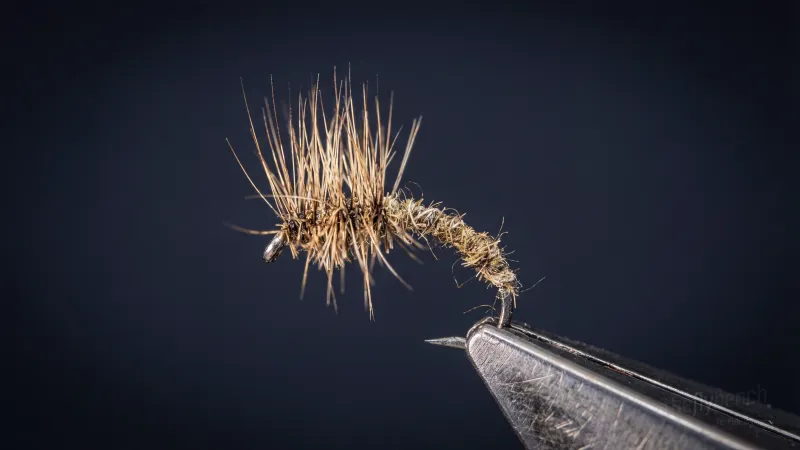
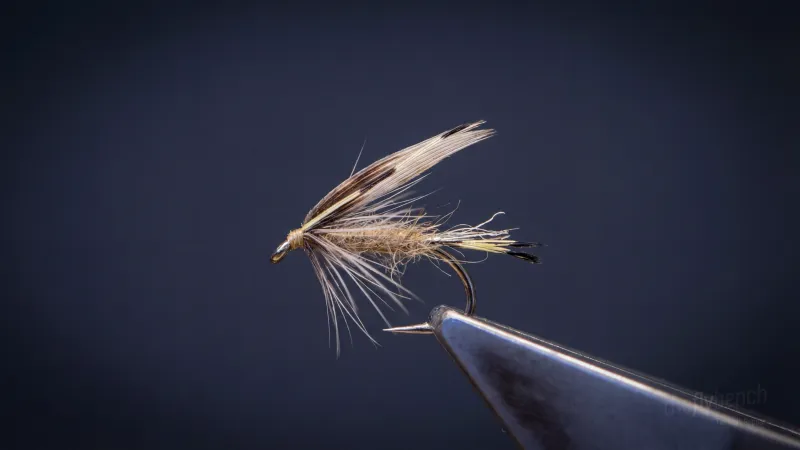
The Para Weld Caddis is a unique caddis pattern featuring a special CDC parachute hackle technique that provides exceptional buoyancy. The pattern lies very low in the surface film, creating an extremely attractive footprint. Versatile enough that in larger sizes it doubles as a stonefly imitation, and with added legs makes an exceptional hopper.
Spring, Summer, Fall
Intermediate
Trout
Dec 2025
Overview
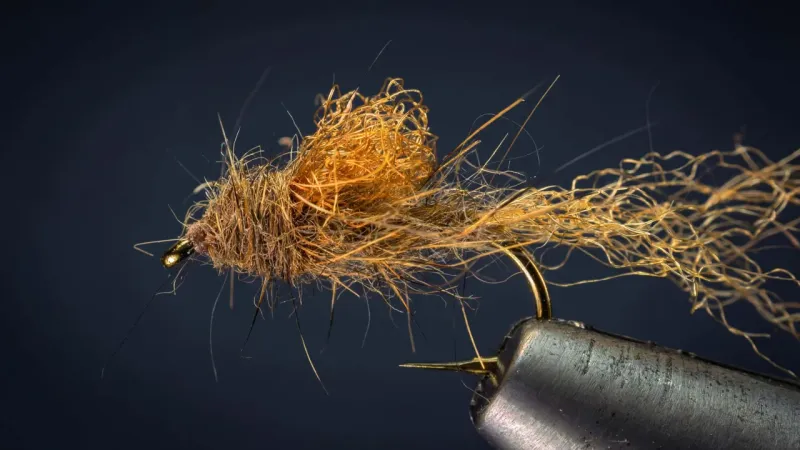
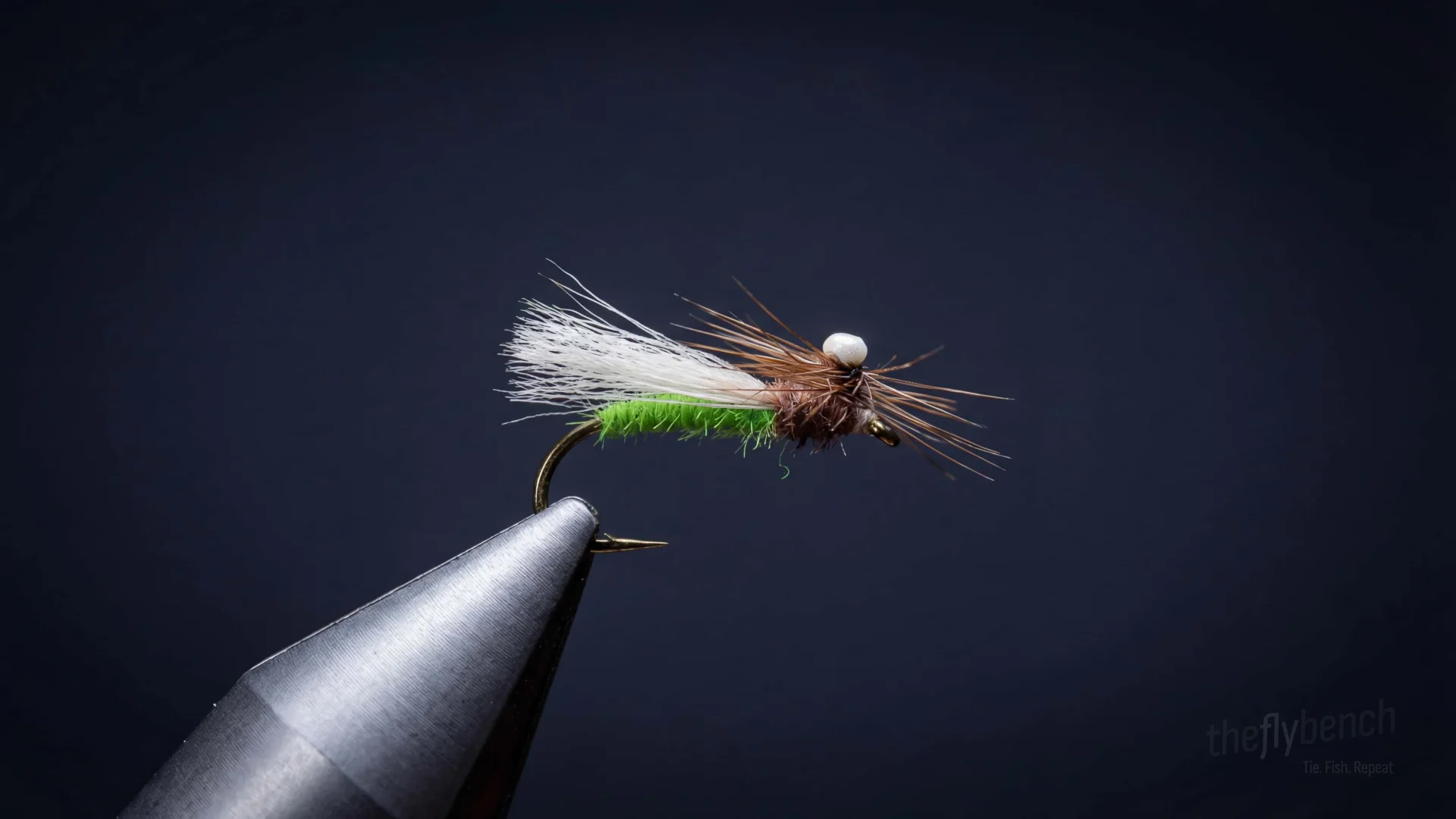
Barry Ord Clarke developed the para-weld hackle technique as a contemporary twist on the traditional paraloop hackle. The goal was to create the perfect CDC parachute hackle that doesn't interfere with the underside of the thorax. The CDC parachute provides exceptional floatation while the hare's ear dubbing gives the body a natural, buggy appearance. The combination of traditional hackle and CDC creates a dual-purpose fly that rides perfectly in the film.
Materials
Hook: Mustad R43, size #10–#14
Thread: Sheer 14/0, grey
Rib: Fine gold oval tinsel
Body: Hare's ear dubbing
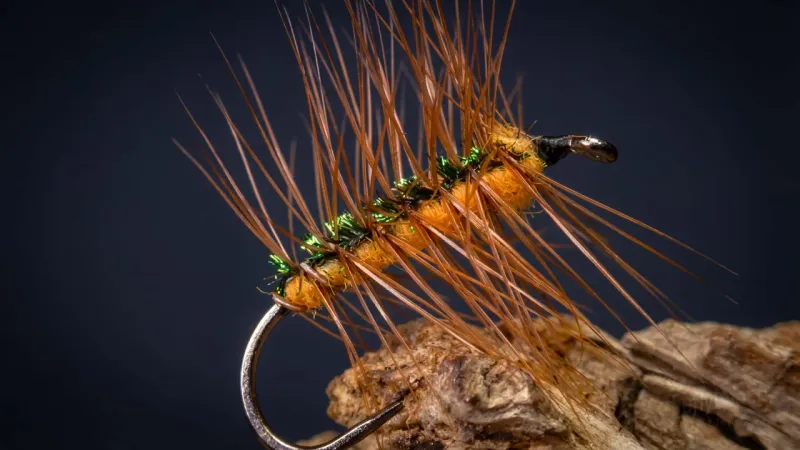
Hackle: Grizzle dyed brown
Post: Polypropylene yarn
Thorax: Hare's ear dubbing
Parachute Hackle: Natural CDC
Behavior & Presentation
Natural Behavior: Adult caddis flutter and skate across riffles during ovipositing runs, diving to attach egg masses before exhausted females struggle back to the surface. Fish target these depleted adults during the vulnerable transition from underwater to airborne.
Where Trout Eat It: Trout intercept caddis in riffle edges, runs, and along foam lines where spent females drift after egg-laying efforts.
How to Fish It: Dead drift through feeding lanes or add subtle twitches to mimic struggling insects attempting to regain flight.
Best Water: Focus on runs transitioning to tail-outs, riffle edges, and foam lines that collect exhausted egg-layers.
Strike Type: Visible rises with splashy takes indicate fish attacking caddis with aggressive, confident strikes.
Fishing Strategy
Rigging Suggestions: Use 9-foot leaders tapered to 4X or 5X tippet. The buoyant design supports small nymph droppers effectively.
Seasonal Timing: , summer, and fall caddis hatches. Particularly productive during evening emergences from May through September when caddis activity peaks.
Pro Tips: The gold rib adds subtle flash that attracts attention.
Entomology
Adult caddisflies skate and flutter across riffles during evening ovipositing runs, diving underwater to attach egg masses before struggling back to the surface. Fish ambush these exhausted, egg-depleted females as they struggle to regain flight, exploiting the brief window when adults transition from airborne to waterborne.
- Order
- Trichoptera
- Common Name
- Caddisfly
- Organism Type
- insect
- Life Stage
- adult