Dry FliesFoam and Cone Caddis
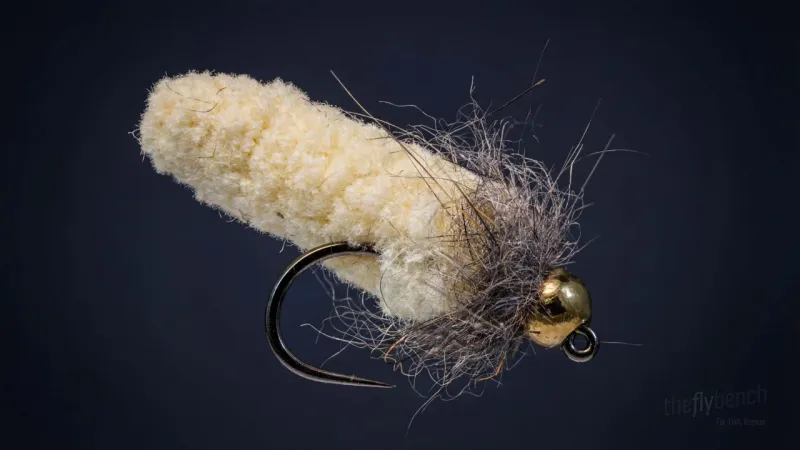
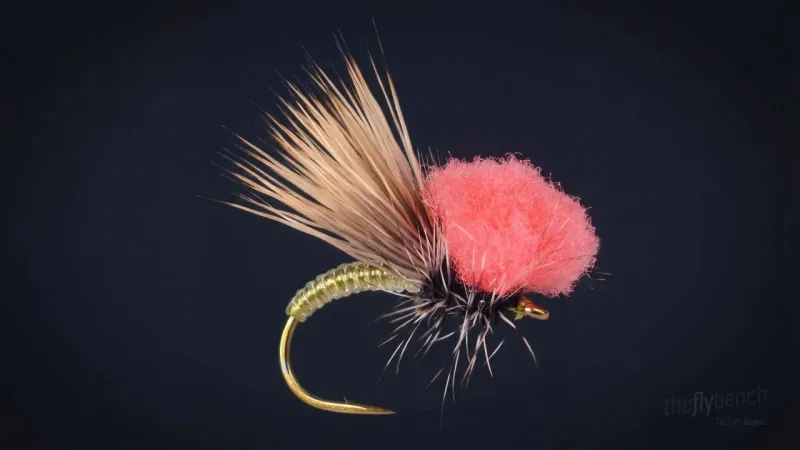
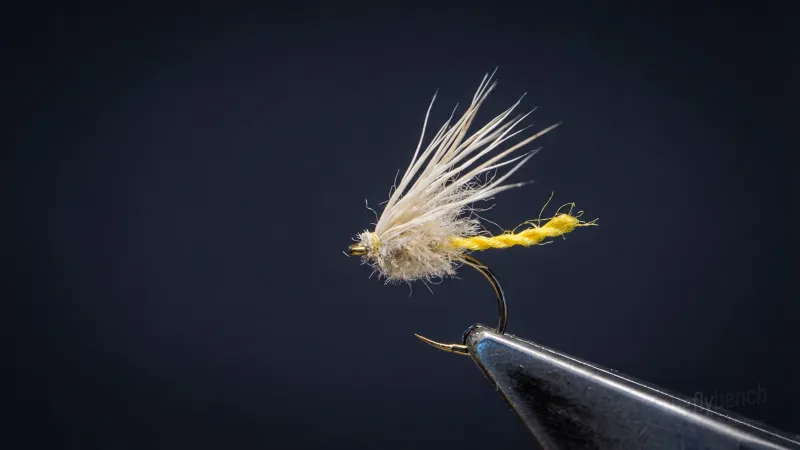
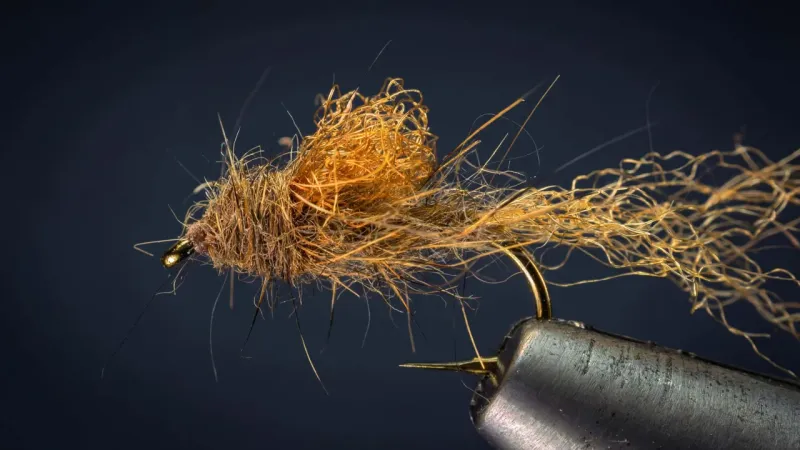
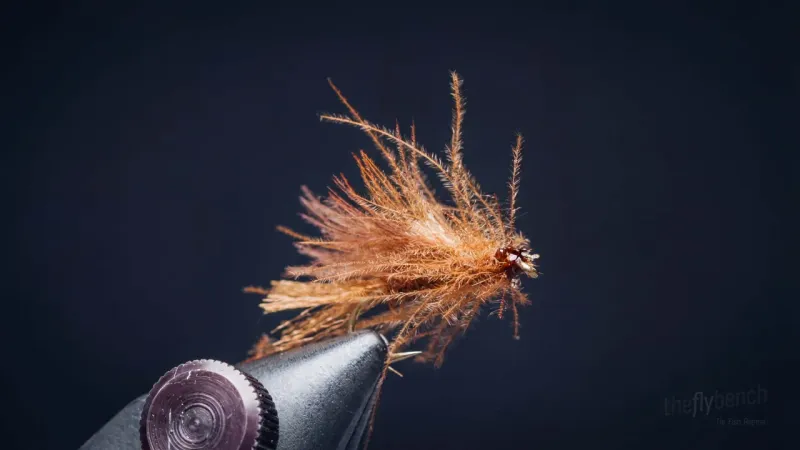
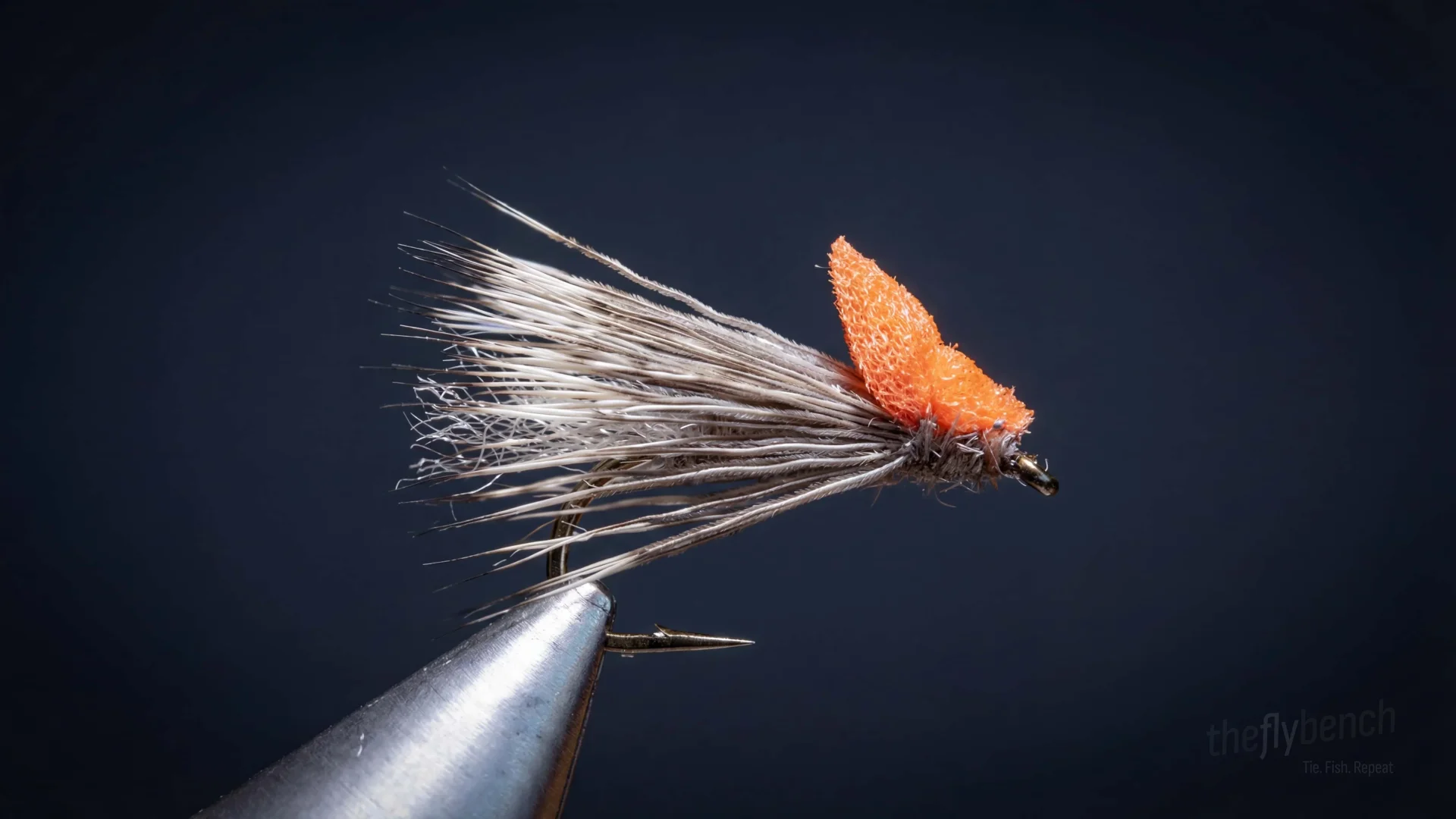
The Foam and Cone Caddis is a reliable dry fly pattern that earns a permanent place in any trout fly box. The flat deer hair wing combined with a foam cone head creates an exceptionally realistic silhouette that fishes effectively even when presented static. The foam head provides unsinkable buoyancy while the deer hair wing delivers the classic caddis profile.
Spring, Summer, Fall
Intermediate
Trout
Dec 2025
Overview
This pattern from Barry Ord Clarke solves the common problem of deer hair rolling around the hook shank. The key is ensuring a tight thread foundation, waxing your thread, and maintaining tension while tying in the hair. The foam cone head adds both buoyancy and a realistic head profile that triggers strikes. Can be tied in various colors to match local caddis hatches from tan to olive to orange for October caddis.
Materials
Hook: Mustad R43 or similar dry fly hook, size #12–#16
Thread: 8/0 or 70 denier, tan or brown
Body: Dubbed hare's ear or synthetic dubbing, tan or olive
Wing: Flat deer hair, natural or bleached
Head: Foam cone, tan or cream
Hackle: Brown or grizzle dry fly hackle (optional)
Behavior & Presentation
Natural Behavior: Adults rest momentarily on the surface between egg-laying dives, their tent-shaped wing profile creating characteristic silhouettes. Fish time their takes to these brief pauses when caddis are most vulnerable, recognizing the repetitive behavioral pattern that concentrates insects predictably.
Where Trout Eat It: Fish intercept at the surface in feeding lanes and seams during May through October hatch activity on freestone streams and tailwaters.
How to Fish It: Dead drift or impart subtle twitches to imitate skittering adults, fishing the pattern realistically even when static.
Best Water: Target runs, pocket water, and riffle edges where caddis concentrate in fast choppy water and fish hold in feeding positions.
Strike Type: Watch for visible surface takes, expanding rings, or aggressive strikes as fish intercept drifting or egg-laying adults.
Fishing Strategy
Rigging Suggestions: Use 9-foot leaders tapered to 4X or 5X tippet. The buoyant design supports small nymph droppers excellently.
Seasonal Timing: , summer, and fall caddis hatches. Particularly productive from May through October when caddis activity peaks on most trout waters.
Pro Tips: Rides naturally in the surface film with realistic wing profile.
Entomology
Adult caddisflies rest momentarily on the surface between egg-laying dives, their tent-shaped wing profile creating characteristic silhouettes in low-angle light. Fish time their takes to these brief pauses when caddis are most vulnerable, recognizing the repetitive behavioral pattern that concentrates insects in predictable locations.
- Order
- Trichoptera
- Common Name
- Caddisfly
- Organism Type
- insect
- Life Stage
- adult