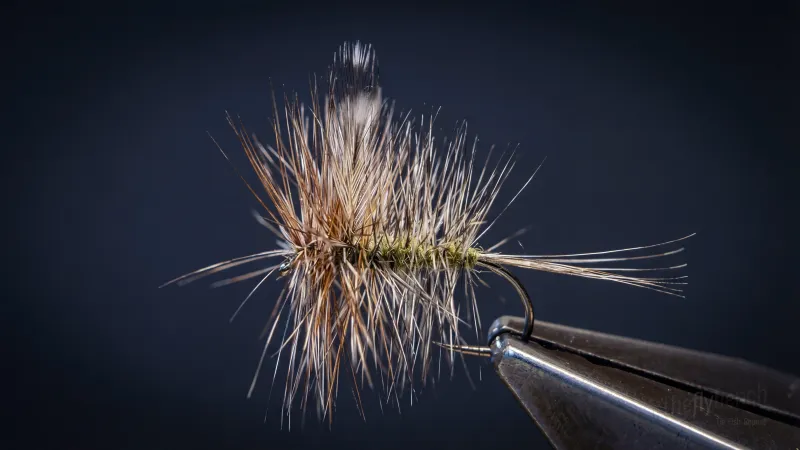
Dry FliesCDC Elk Hair Caddis
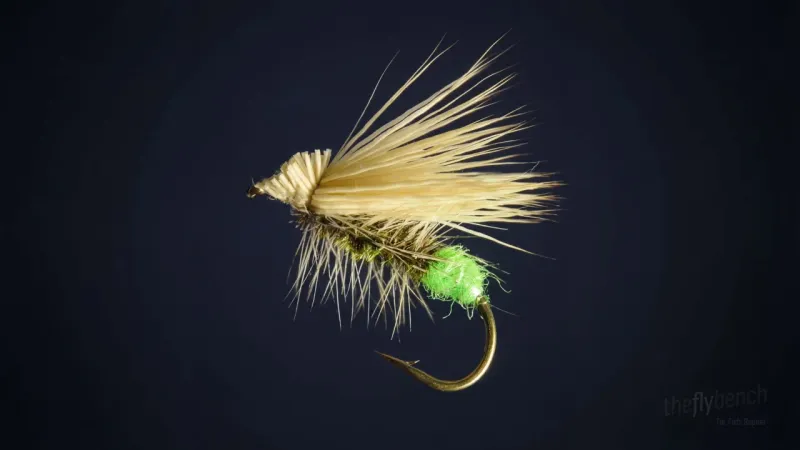
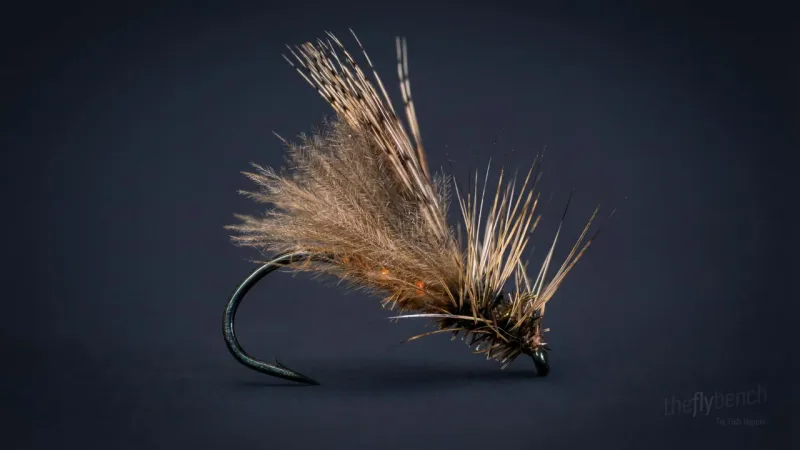
A highly buoyant and visible dry fly pattern that's effective in a variety of conditions. The CDC enhances floatation while the elk hair provides visibility and mimics the fluttering wings of a caddis.
Spring, Summer, Fall
Intermediate
Trout
Apr 2025
Overview
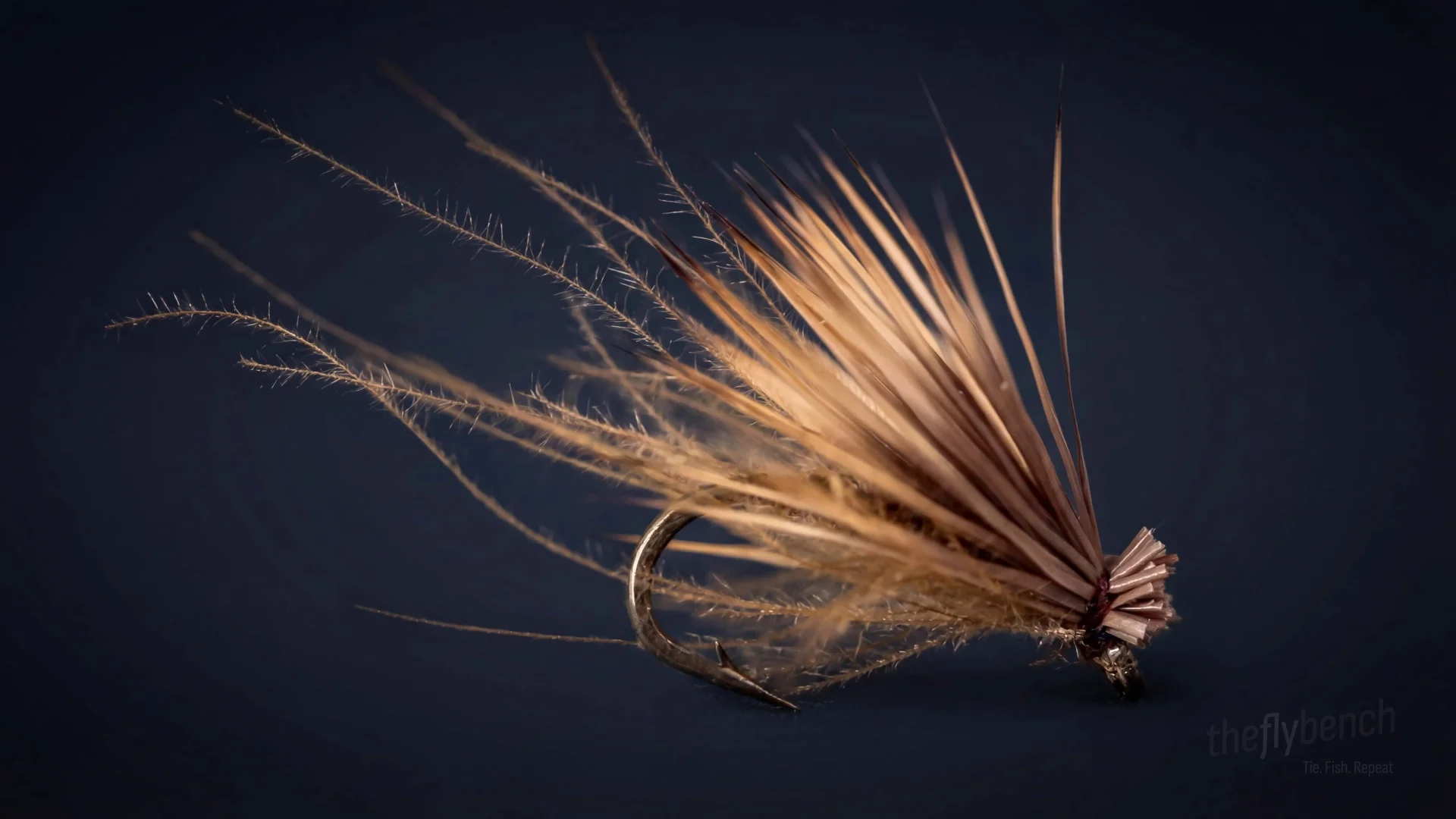
The CDC Elk Hair Caddis adds buoyancy and movement to the classic Elk Hair Caddis by incorporating CDC fibers into the wing or underwing. The CDC adds subtle motion and improved floatation, especially in slower water. This pattern blends visibility, realism, and buoyancy, making it effective during caddis hatches or as a general attractor.
Where to Buy This Fly
We only link to fly shops we trust. Some links are referral links, which may earn us a commission at no extra cost to you.
Materials
- Hook:
- Dai-Riki 305, size 16.
- Thread:
- UTC 70 Denier, brown.
- Abdomen:
- CDC feather, brown.
- Wing:
- Natural colored elk or deer hair.
- Legs:
- CDC feather, brown.
Behavior & Presentation
Natural Behavior: Females dive beneath the surface to deposit eggs, then swim back up trailing silver air bubbles, struggling and fluttering to regain flight capability while waterlogged wings shed moisture.
Where Trout Eat It: Fish key on these spent, compromised adults drifting during their extended surface time after egg-laying dives.
How to Fish It: Dead drift with occasional twitches to imitate struggling, waterlogged adults unable to achieve immediate flight.
Best Water: Most productive in tail-outs, current seams, foam lines, and slicks where spent adults accumulate after egg-laying runs.
Strike Type: Confident takes as fish capitalize on compromised adults, often sipping or slashing at struggling surface targets.
Fishing Strategy
Rigging Suggestions: Fish on a 9-12 foot leader with 4X-5X tippet for natural presentation.
Seasonal Timing: Peak effectiveness during optimal water temperature and insect activity windows.
Pro Tips: Adjust depth and presentation based on fish behavior and feeding patterns.
Entomology
During egg-laying runs, female caddisflies dive beneath the surface to deposit eggs on submerged vegetation or rocks, then swim back to the surface trailing silver air bubbles. Upon surfacing, the wet adults flutter and struggle to regain flight capability, often drifting considerable distances while their wings shed water. Trout key on these spent, waterlogged adults because their compromised condition and extended surface time makes them far more vulnerable than freshly emerged, dry-winged caddis.
- Order
- Trichoptera
- Common Name
- Caddisfly
- Organism Type
- insect
- Life Stage
- adult