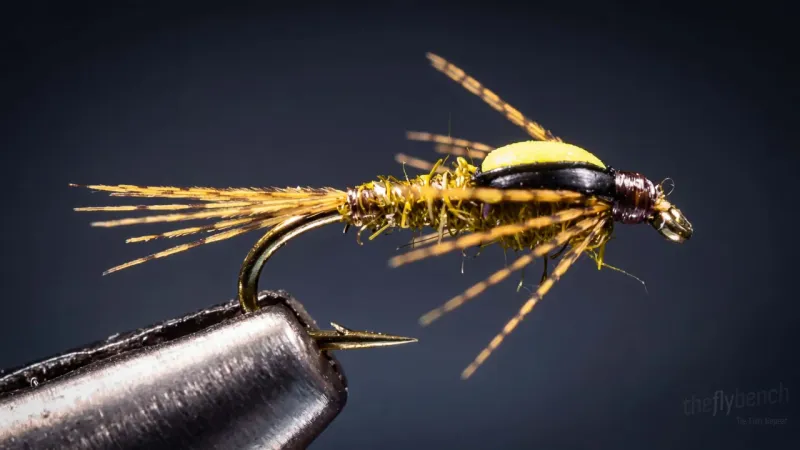
Dry FliesAjax
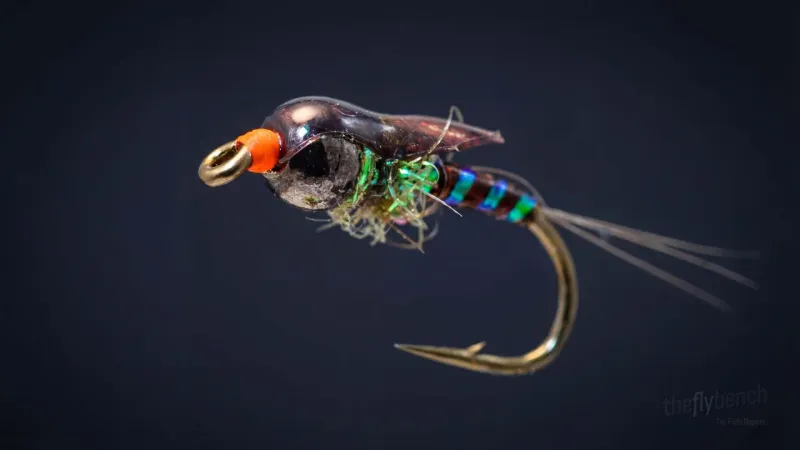
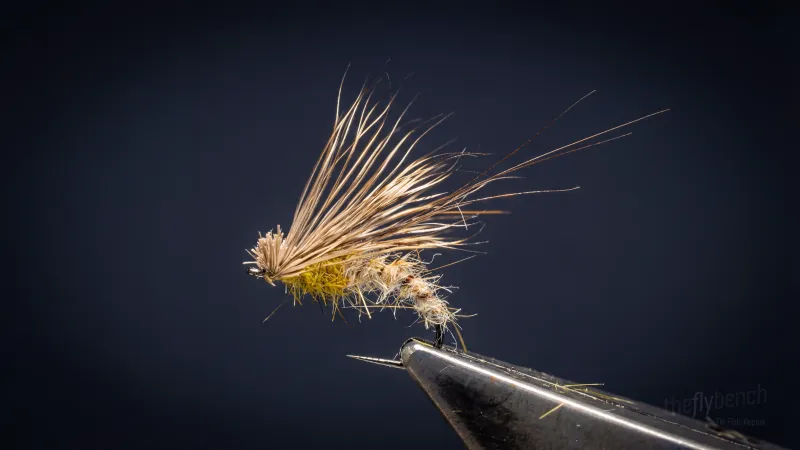
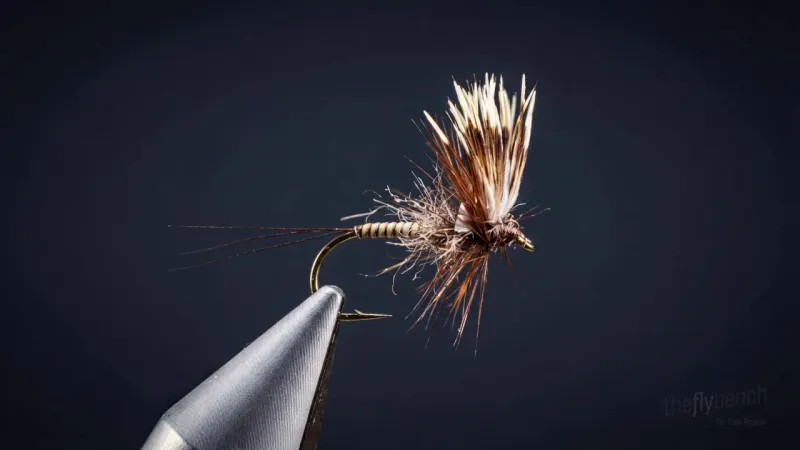
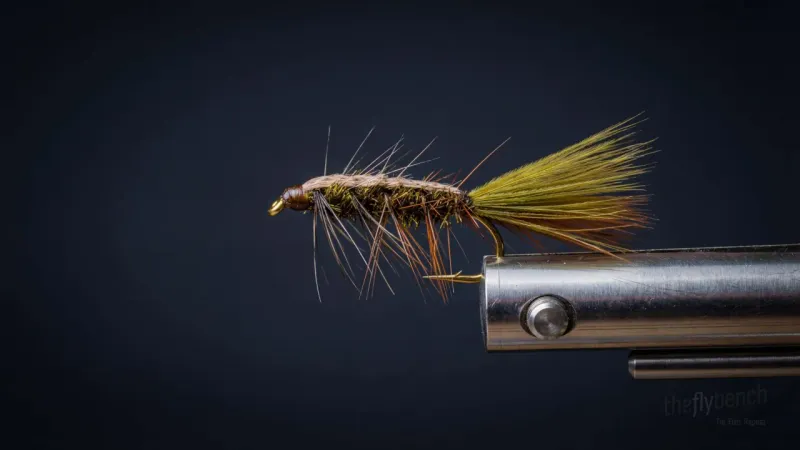
Romain Gueniat's versatile dry fly combines CDC wing and sparse hackle for exceptional floatation with delicate profile. Sits naturally in the surface film, imitating both mayflies and small caddis during selective feeding periods in freestone streams and spring creeks.
Spring, Summer, Fall
Intermediate
Trout
Feb 2026
Overview
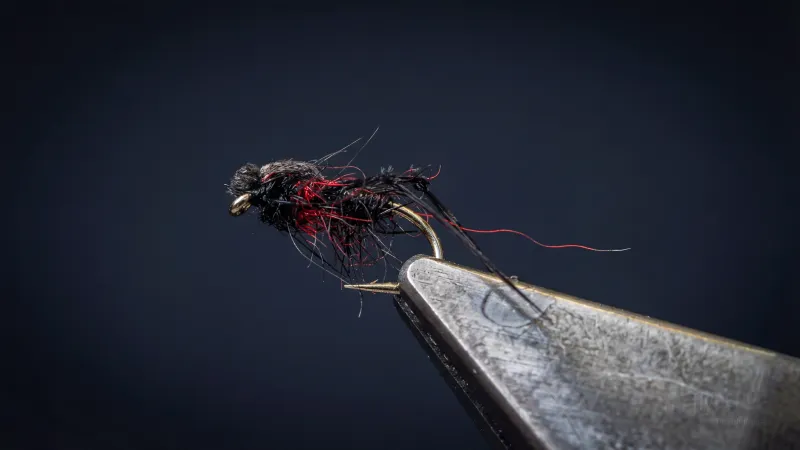
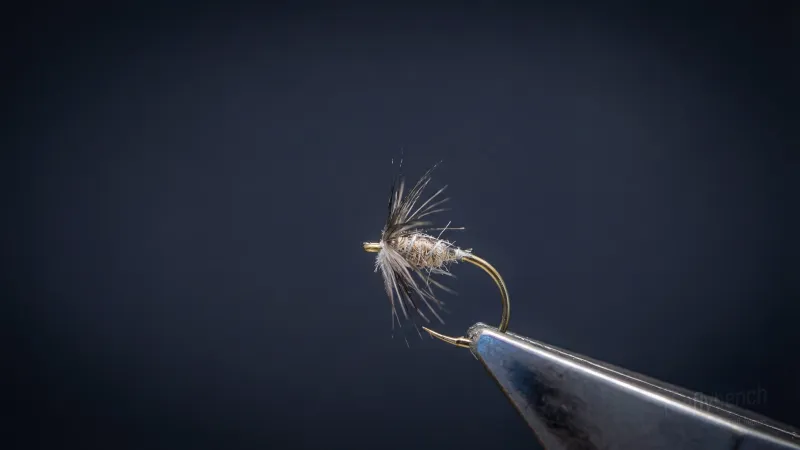
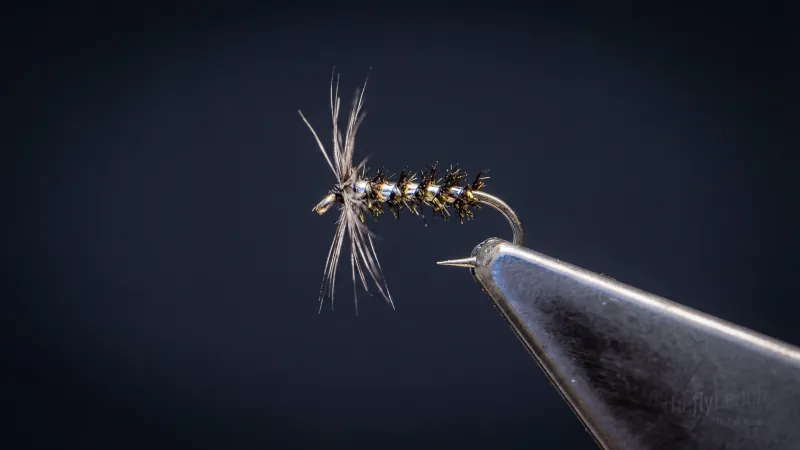
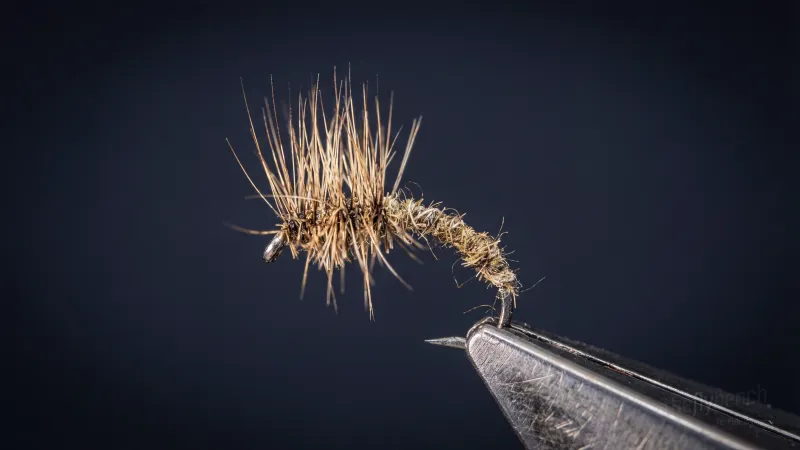
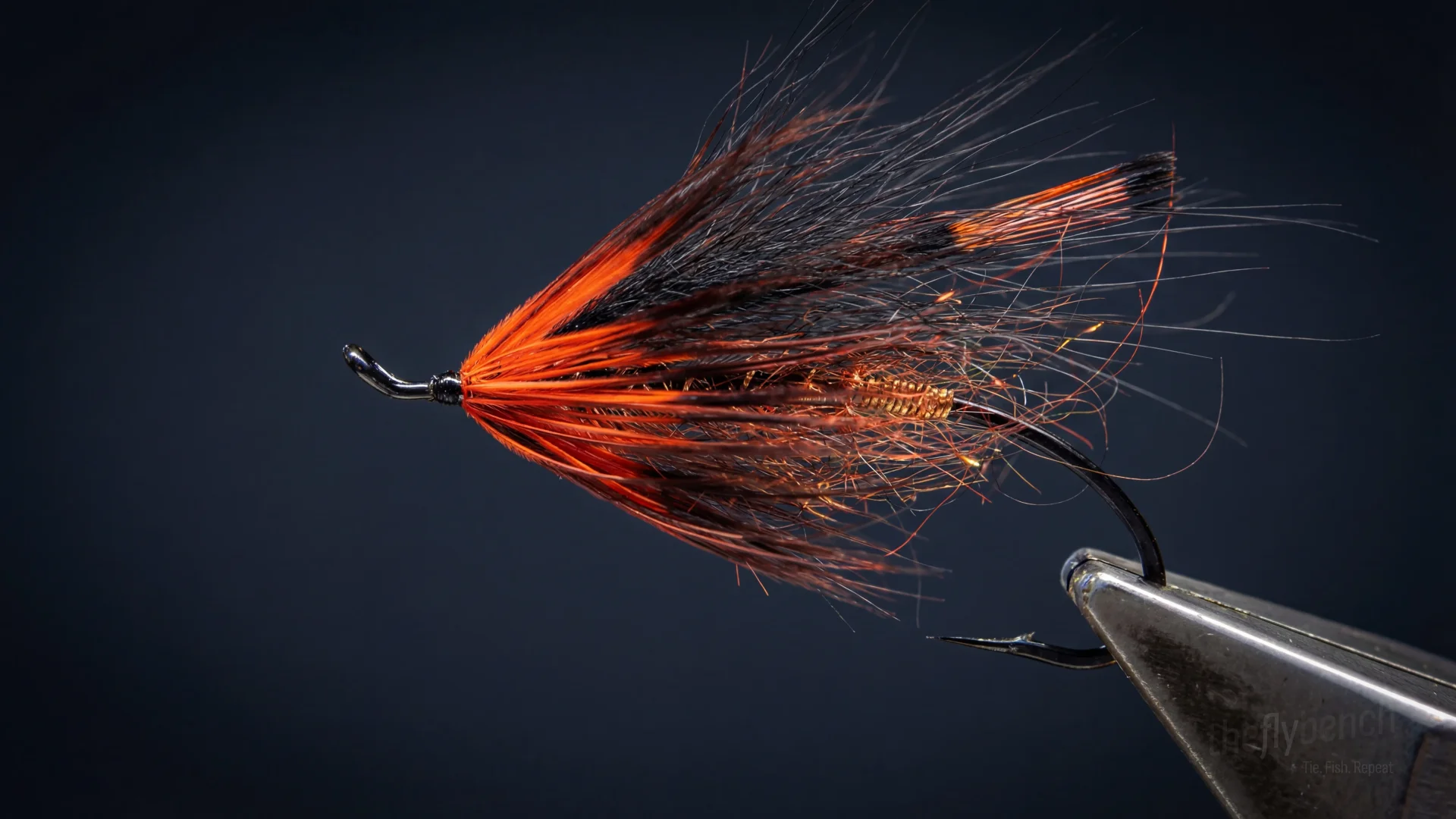
Designed by French tier Romain Gueniat, this pattern features a CDC wing and sparse hackle for exceptional floatation with a delicate profile. The combination of natural CDC fibers and carefully selected body materials creates a realistic silhouette that works well during selective feeding periods. The low-profile design sits naturally in the surface film, mimicking both mayflies and small caddis.
Where to Buy This Fly
We only link to fly shops we trust. Some links are referral links, which may earn us a commission at no extra cost to you.
Materials
- Hook:
- Tiemco 202SP #6
- Thread:
- Benecchi 12/0, black
- Body:
- Wapsi Crawdub, brick
- Underwing:
- Lady Amherst tippet barbs, dyed dark claret
- Wing:
- Arctic fox, dyed black
- Collar:
- Whiting Popper Pack, dyed scarlet (these are also advertised as Whiting Craft Feathers - in a range of colors)
Behavior & Presentation
Natural Behavior: Diving caddis swim beneath the surface to deposit eggs on rocks, then struggle back up trailing air bubbles. This underwater activity is conspicuous.
Where Trout Eat It: Fish intercept diving caddis in runs, beneath riffles, and along seams where egg-laying females concentrate during afternoon hours.
How to Fish It: Dead drift through prime water with occasional twitches during caddis activity. Fish the film for emergers or just below for diving adults.
Best Water: Target seams along current breaks, riffle edges below emergence zones, runs with moderate depth, and pool heads.
Strike Type: Expect confident rises or subtle takes as fish intercept surface or film-level insects.
Fishing Strategy
Rigging Suggestions: Fish on 9-12 foot leader with 4X-5X tippet. Can serve as lead fly in dry-dropper rig paired with small emerger or nymph dropper.
Seasonal Timing: Most effective during hatches from April through June and again September through October when water temperatures range 50-60°F. Prime periods occur during morning and evening rise activity.
Pro Tips: Natural CDC fibers float well with minimal floatant application. The sparse profile avoids spooking wary fish while maintaining visibility for the angler in varied light conditions.
Entomology
Caddisflies perform diving egg-laying behaviors where females swim actively beneath the surface to deposit eggs on submerged rocks, then struggle back to the surface trailing air bubbles. This underwater swimming phase followed by vulnerable surface emergence makes them conspicuous targets during the egg-laying cycle when trout patrol prime reproduction zones.
- Order
- Trichoptera
- Common Name
- Caddisfly
- Organism Type
- insect
- Life Stage
- adult