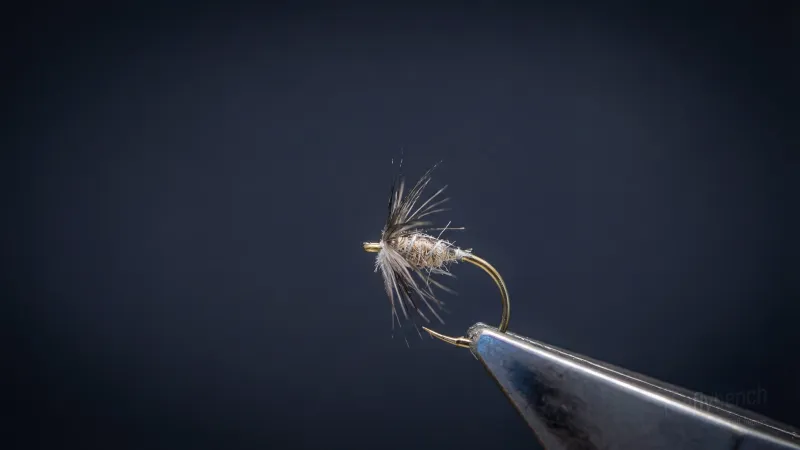
Dry FliesBee Sting
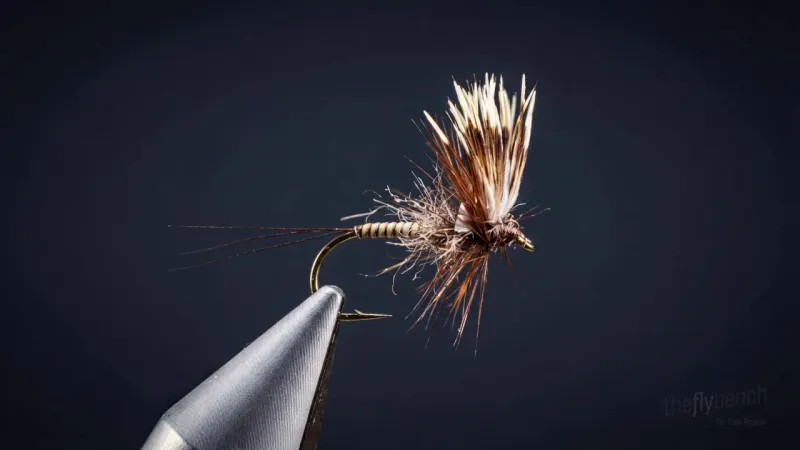
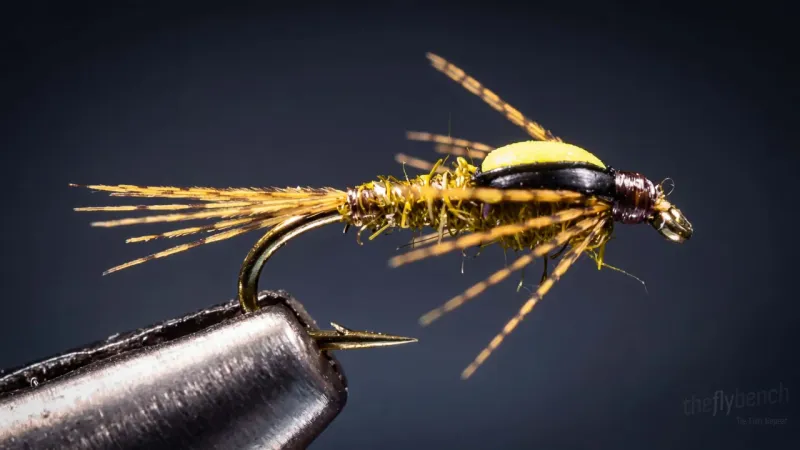
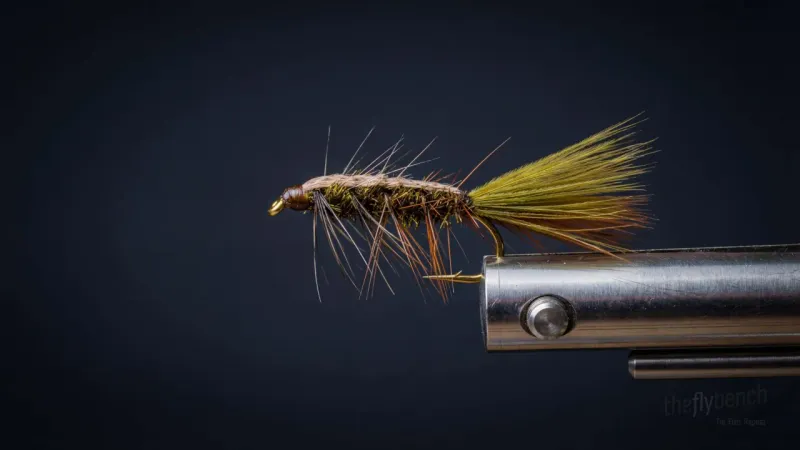
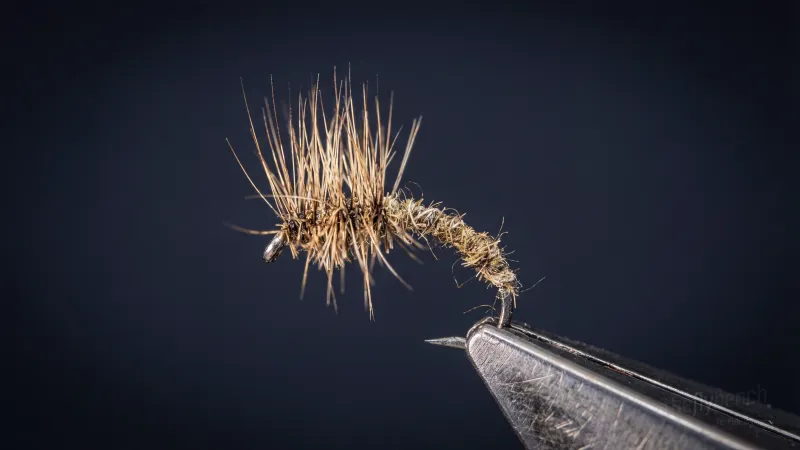
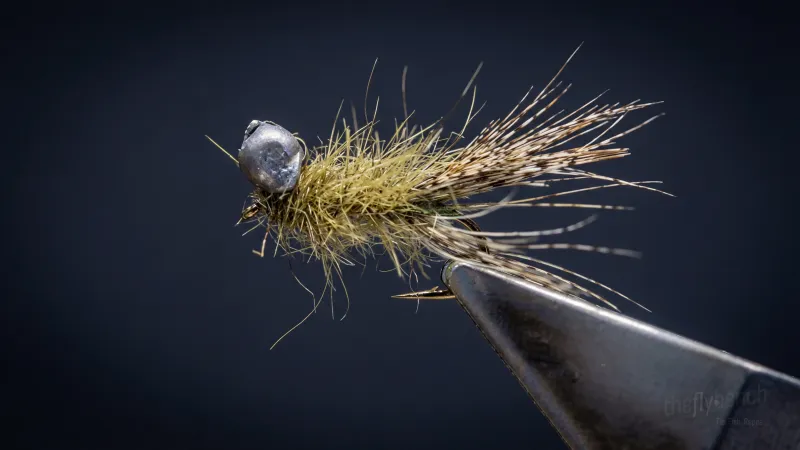
The Bee Sting is a dry fly pattern designed by Jose Manuel Cenador Cela. This effective pattern works well in a variety of water conditions and is tied with traditional materials for a proven presentation.
Spring, Summer, Fall
Intermediate
Trout
Feb 2026
Overview
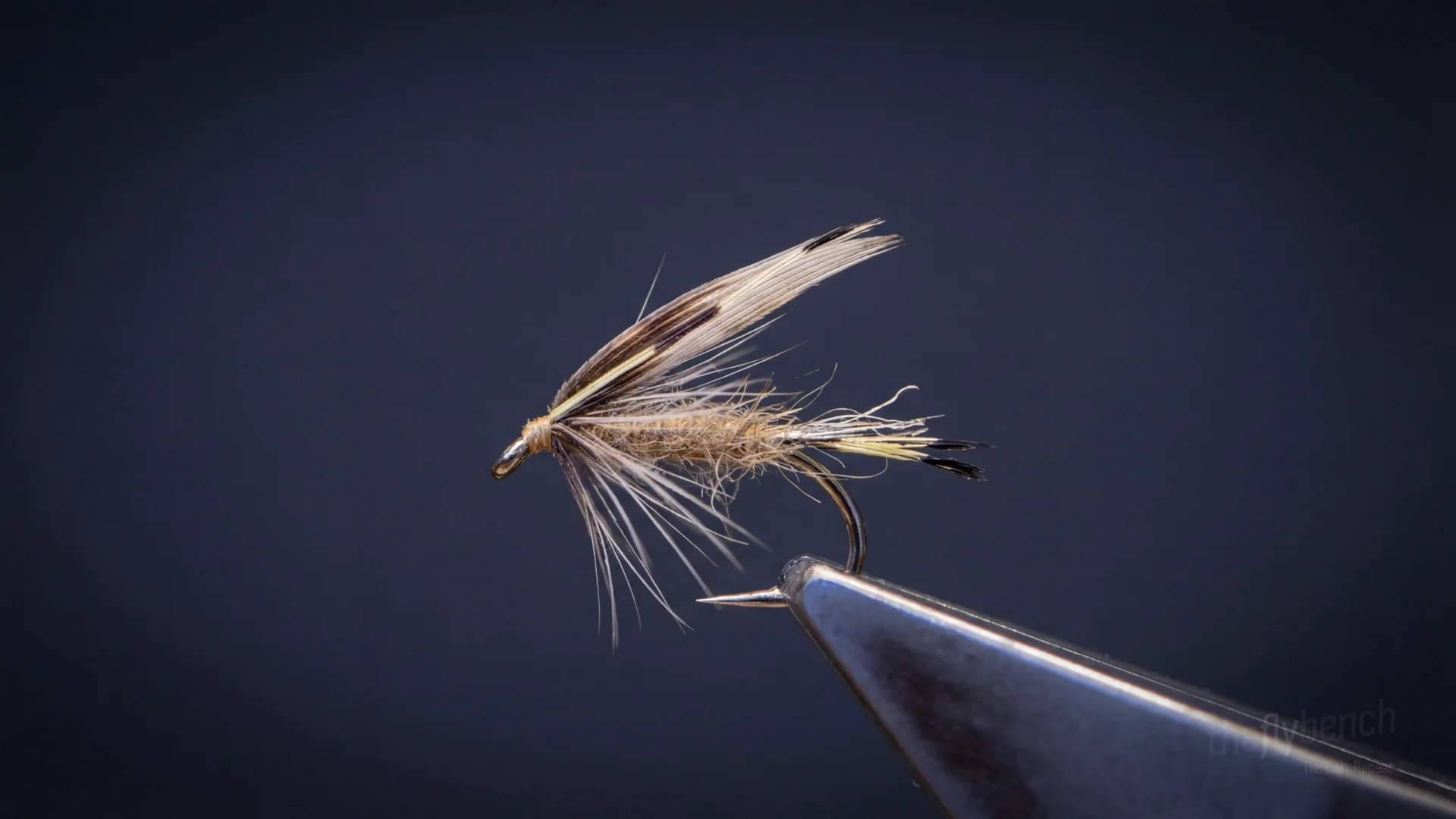
Created by Spanish tier Jose Manuel Cenador Cela, this pattern uses contrasting black and yellow bands to create a highly visible attractor profile. The segmented body and stiff hackle keep it floating high, making it easy for anglers to track in broken water. While the name suggests a bee imitation, it effectively triggers strikes when trout are feeding on various terrestrials and caddis during summer months.
Where to Buy This Fly
We only link to fly shops we trust. Some links are referral links, which may earn us a commission at no extra cost to you.
Materials
- Hook:
- Kamasan B175 #12
- Thread:
- Benecchi 12/0, tan
- Tail:
- Lady Amherst tippets, dyed fluor. yellow; Z-Lon, silver
- Body:
- SLF Finesse, pale olive
- Hackle:
- Whiting Coq de Leon hen
- Wing:
- Pheasant hen slip, doubled
Behavior & Presentation
Natural Behavior: Caddis periodically touch down during mating swarms, creating brief contact points that ripple the surface. Dense swarms produce sustained surface activity.
Where Trout Eat It: Fish key on caddis touching down in riffles, over runs, and along seams where swarms concentrate during warm afternoons.
How to Fish It: Dead drift with occasional subtle movements to imitate landing and takeoff behavior. Focus on areas with visible swarm activity.
Best Water: Target riffle edges beneath swarms, seams where caddis concentrate, current breaks, and tail-outs.
Strike Type: Watch for confident rises or splashy takes as fish react to surface disturbances.
Fishing Strategy
Rigging Suggestions: Use a 9-12 foot leader tapering to 5X tippet for delicate presentations. Apply floatant to the body and hackle.
Seasonal Timing: Most effective during peak feeding periods at dawn and dusk. Water temperatures between 45-65°F typically produce best results.
Pro Tips: Floats well with proper floatant application. The natural materials provide good visibility without spooking wary fish.
Entomology
Caddisflies hover over riffles during mating swarms and periodically touch down on the surface, creating brief contact points that send ripples across the current. These fleeting surface touches accumulate into feeding opportunities when swarms are dense, conditioning trout to watch for the subtle disturbances of egg-laying or resting adults.
- Order
- Trichoptera
- Common Name
- Caddisfly
- Organism Type
- insect
- Life Stage
- adult