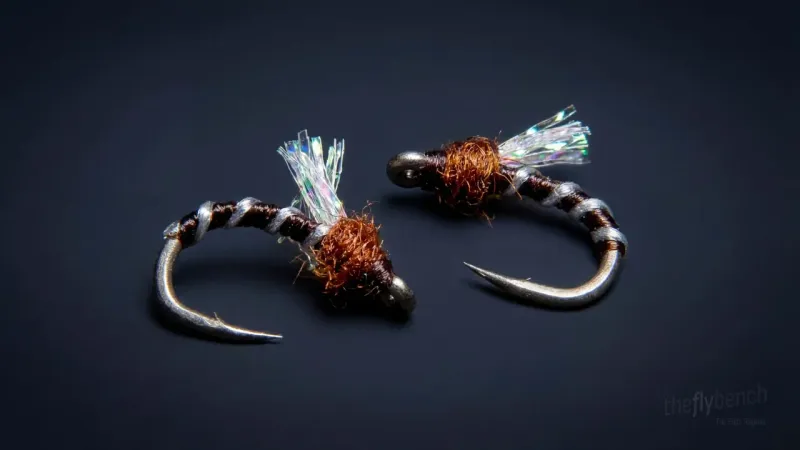
Dry FliesPalomino Partridge Parachute
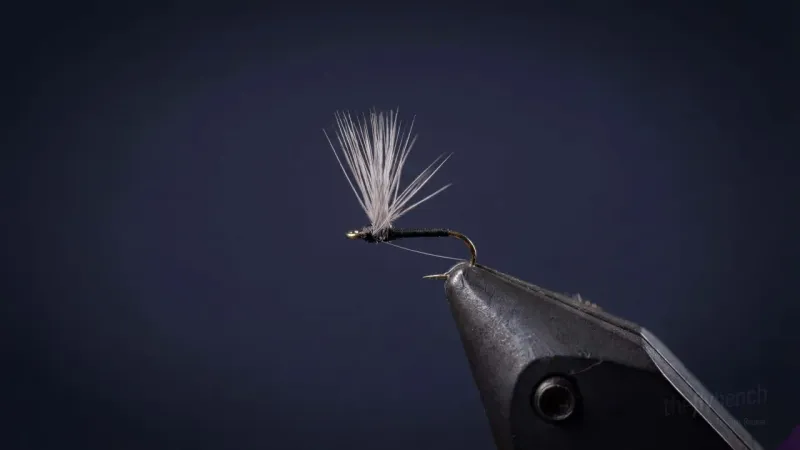
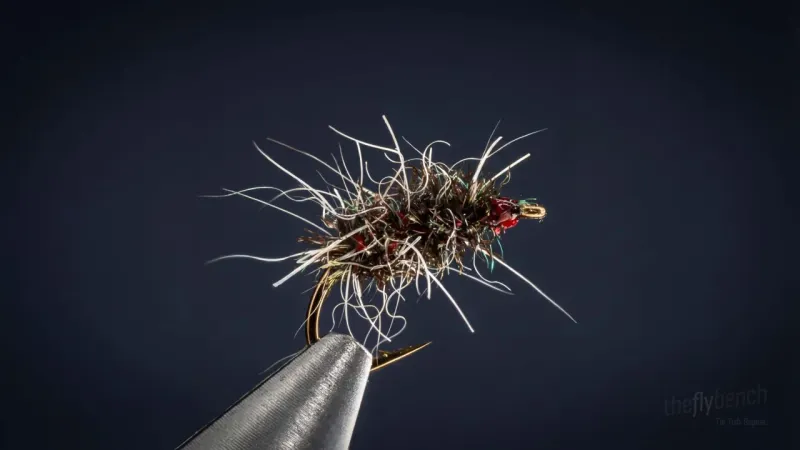
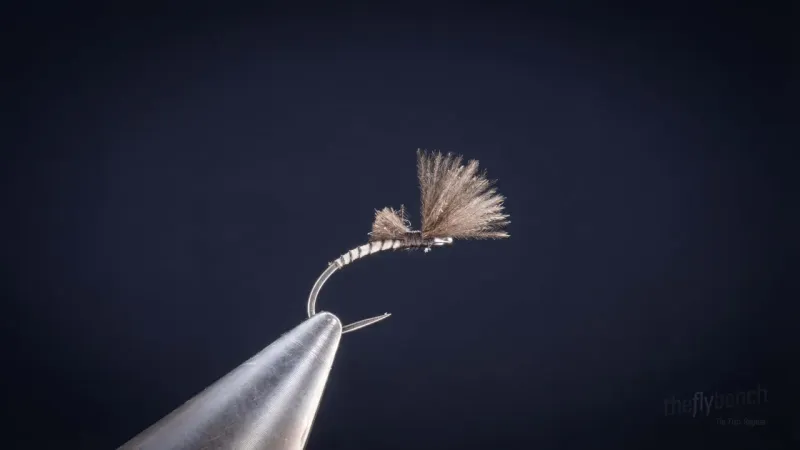
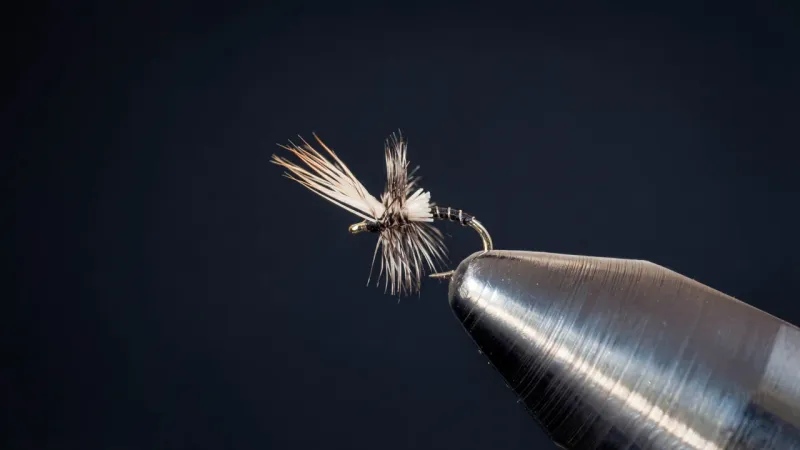
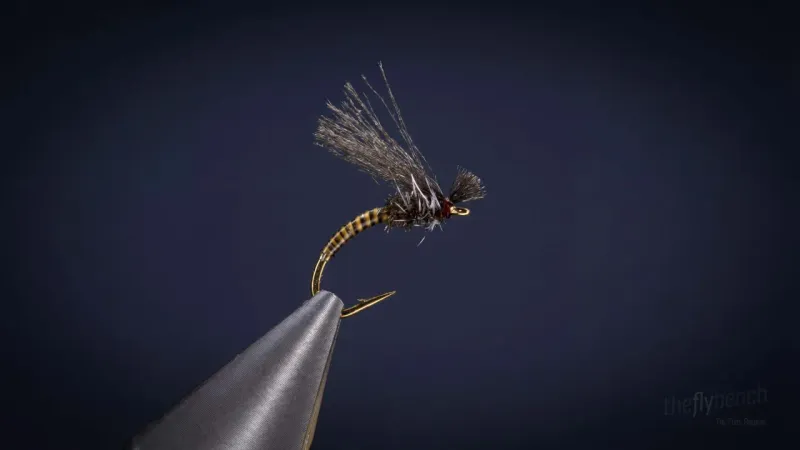
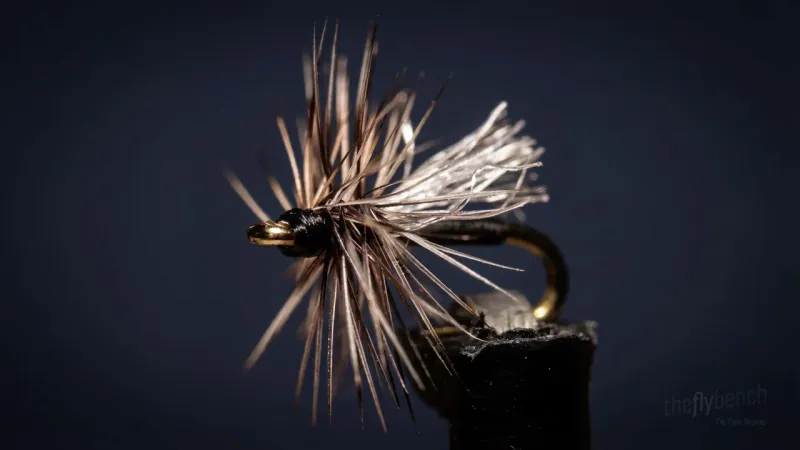
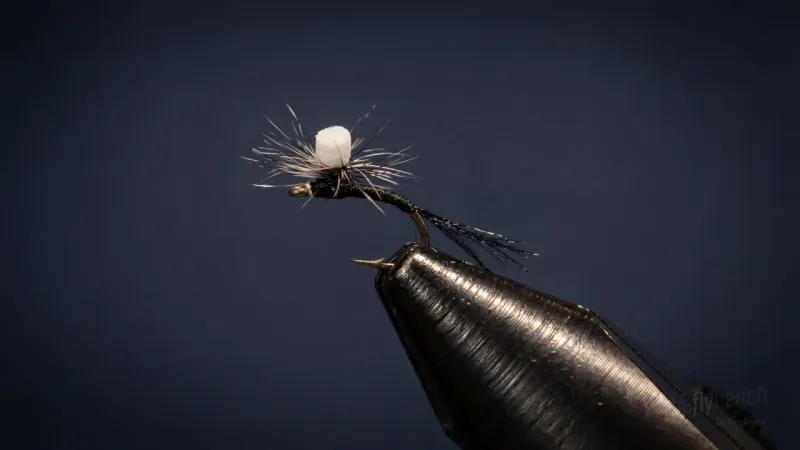
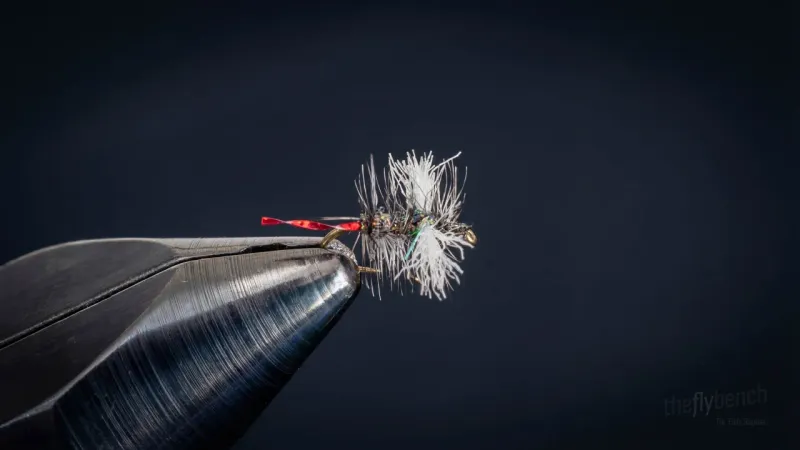
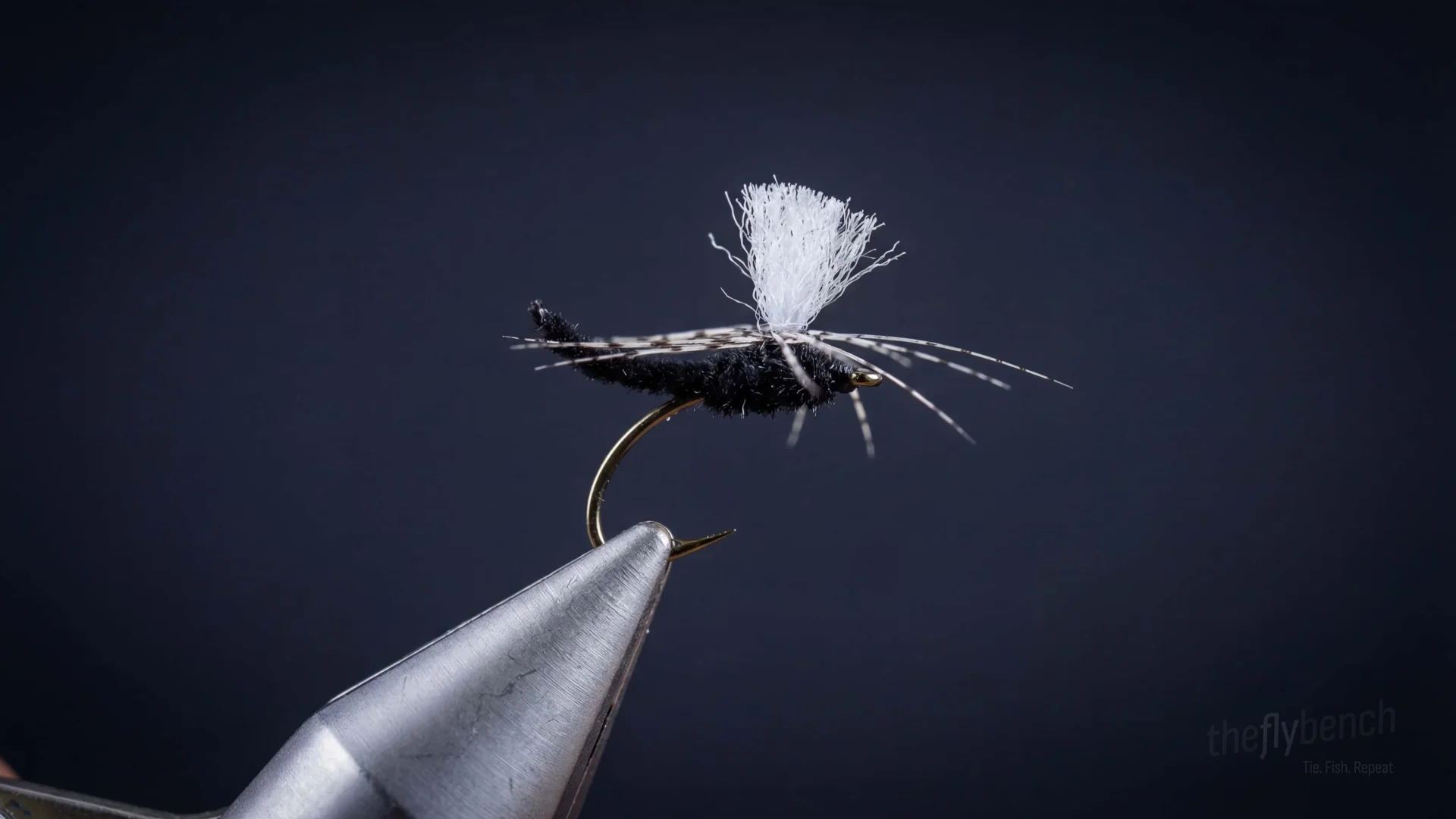
The Palomino Partridge Parachute is a midge pattern with a twist—featuring a buggy partridge parachute hackle that gives it a spider-like quality. The soft partridge fibers create lifelike movement in the water while the parachute style keeps the fly riding perfectly in the surface film. A great little river pattern for selective trout.
Year Round
Intermediate
Trout
Dec 2025
Overview
Barry Ord Clarke designed this pattern to combine the delicate presentation of a midge with the buggy appeal of soft hackle flies. The partridge hackle wound parachute-style creates a unique profile that sits flush in the film while the soft fibers twitch and move with the slightest current. "Palomino" refers to the cream/tan coloration that matches many midge species. The spider quality from the partridge hackle often triggers strikes when standard midge patterns fail.
Where to Buy This Fly
We only link to fly shops we trust. Some links are referral links, which may earn us a commission at no extra cost to you.
Materials
- Hook:
- Mustad C49S or light wire dry fly hook, size #16–#20
- Thread:
- 8/0 or 14/0, cream or tan
- Body:
- Palomino (cream/tan) dubbing or thread, slim
- Post:
- White or cream poly yarn or para post
- Hackle:
- Hungarian partridge, wound parachute style
- Thorax:
- Cream or tan dubbing (optional)
Behavior & Presentation
Natural Behavior: Adult midges cluster in surface aggregations during mating, hovering just above the water before settling to deposit eggs. The soft partridge hackle mimics the delicate leg and wing movement of these surface-dwelling adults.
Where Trout Eat It: Fish feed in the surface film of pools, eddies, and slicks where mating swarms concentrate and adults become trapped.
How to Fish It: Dead drift with minimal movement through feeding lanes, allowing the soft hackle to pulse naturally and attract selective feeders.
Best Water: Target eddies behind structure, pool tail-outs, and calm pockets where midges collect in visible concentrations.
Strike Type: Subtle dimpling rises signal fish sipping adults from the film with precise, unhurried takes.
Fishing Strategy
Rigging Suggestions: Use 12-foot or longer leaders tapered to 6X–7X tippet for wary fish. Fish as a single dry or trail behind a larger dry fly as an emerger.
Seasonal Timing: as midges hatch in all seasons. Particularly productive during winter and early spring when midges dominate the menu, and during summer evenings when midge clusters form.
Pro Tips: Rides flush in the surface film with excellent profile. Apply floatant sparingly to post only.
Entomology
Adult midges cluster on the water surface during mating swarms, hovering inches above the film before depositing eggs in dense aggregations. Trout target these surface-dwelling adults during blanket hatches when sheer abundance makes selective feeding profitable, despite the minimal caloric return per individual insect.
- Order
- Diptera
- Family
- Chironomidae
- Common Name
- Midge
- Organism Type
- insect
- Life Stage
- adult