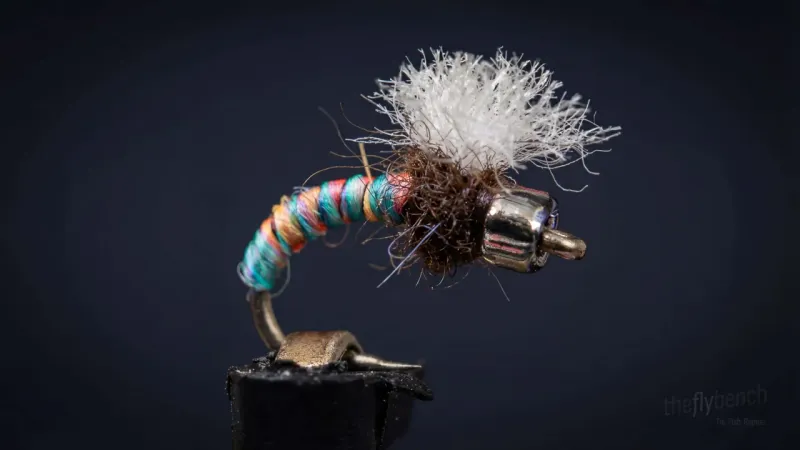
Dry FliesMatt's Gnat
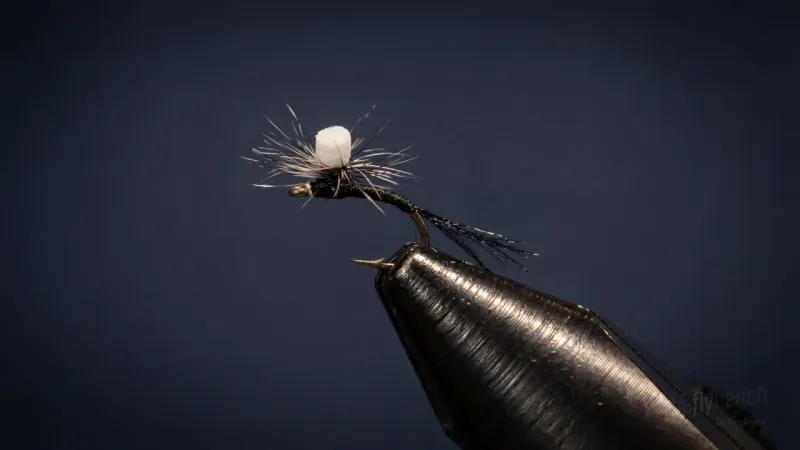
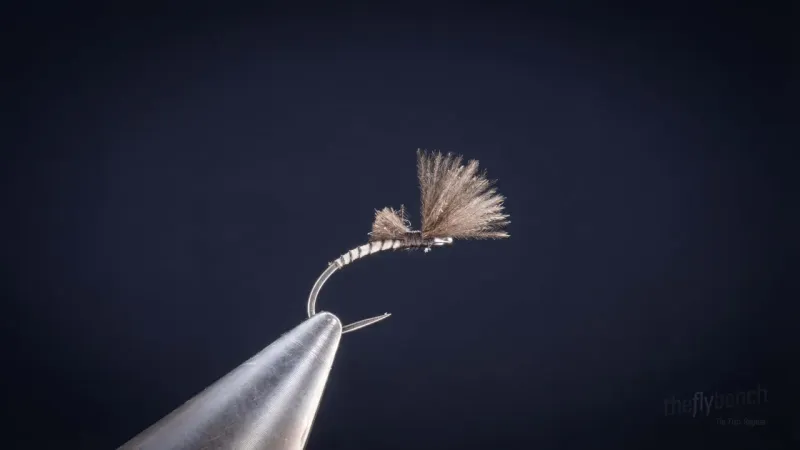
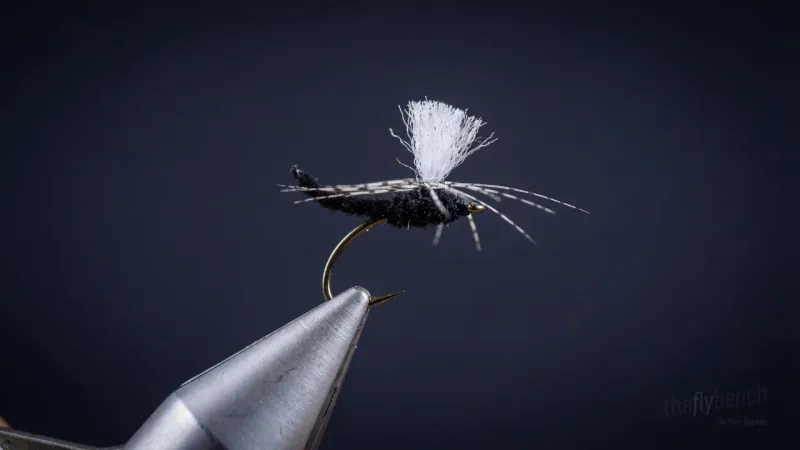
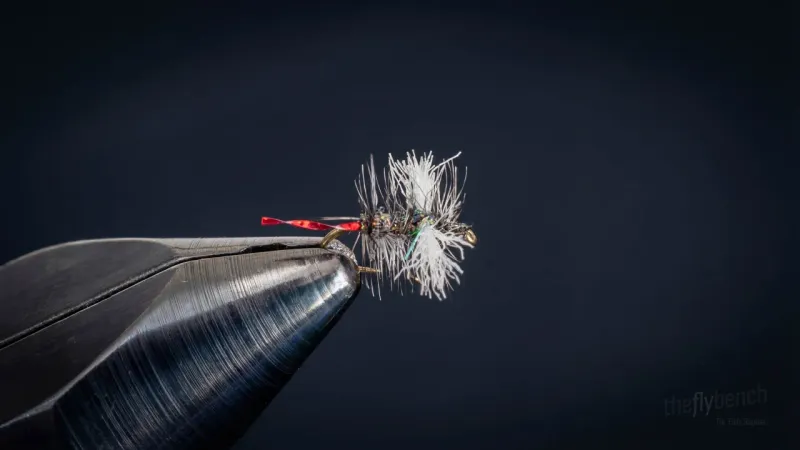
Matt's Gnat is a classic dry fly pattern that has proven to be incredibly effective for trout, particularly during heavy midge hatches. It's a versatile fly that can be tied in various sizes to match the hatch.
Spring, Summer, Fall
Intermediate
Trout
Apr 2025
Overview
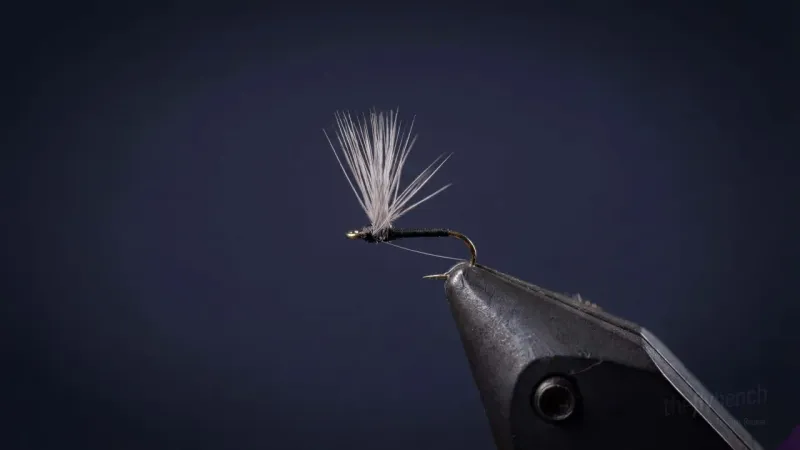
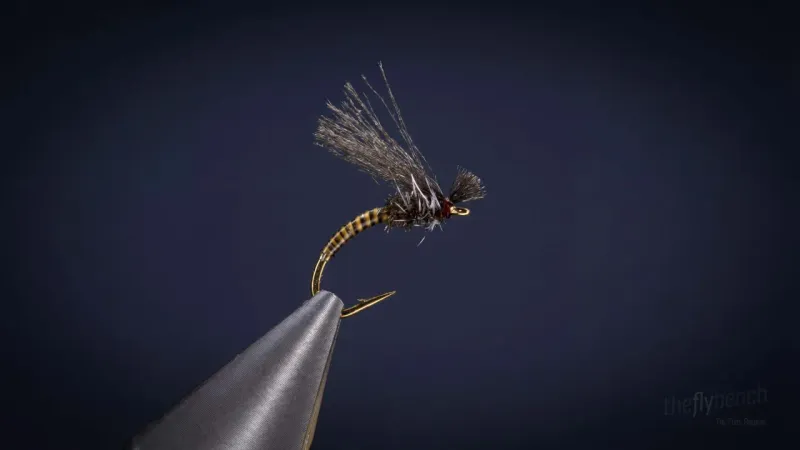
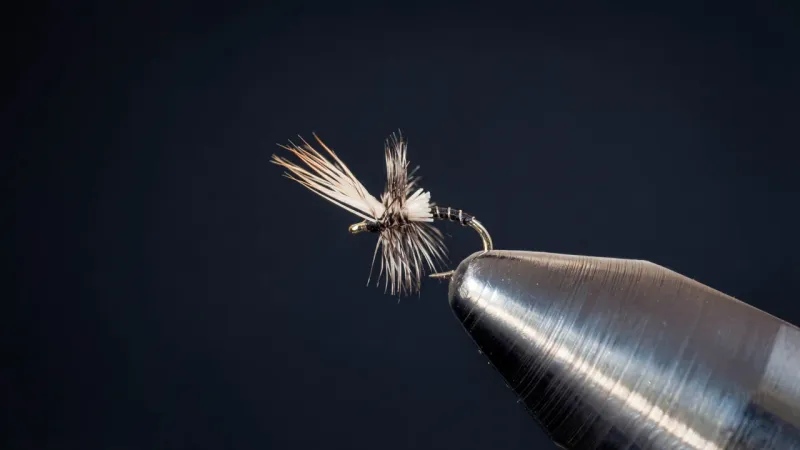
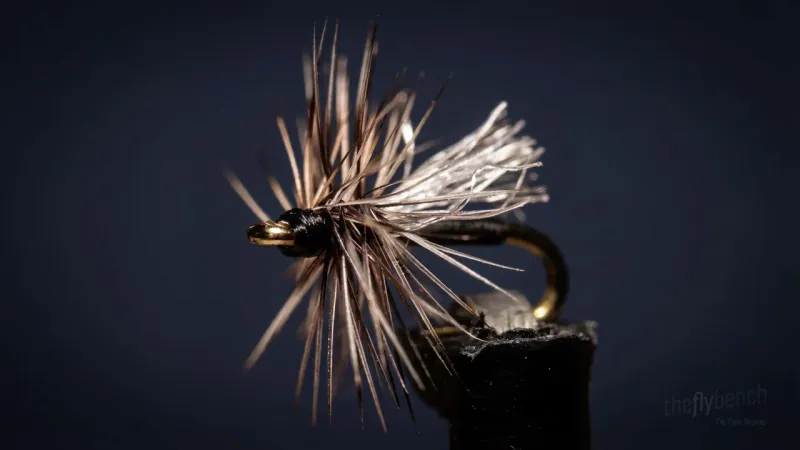
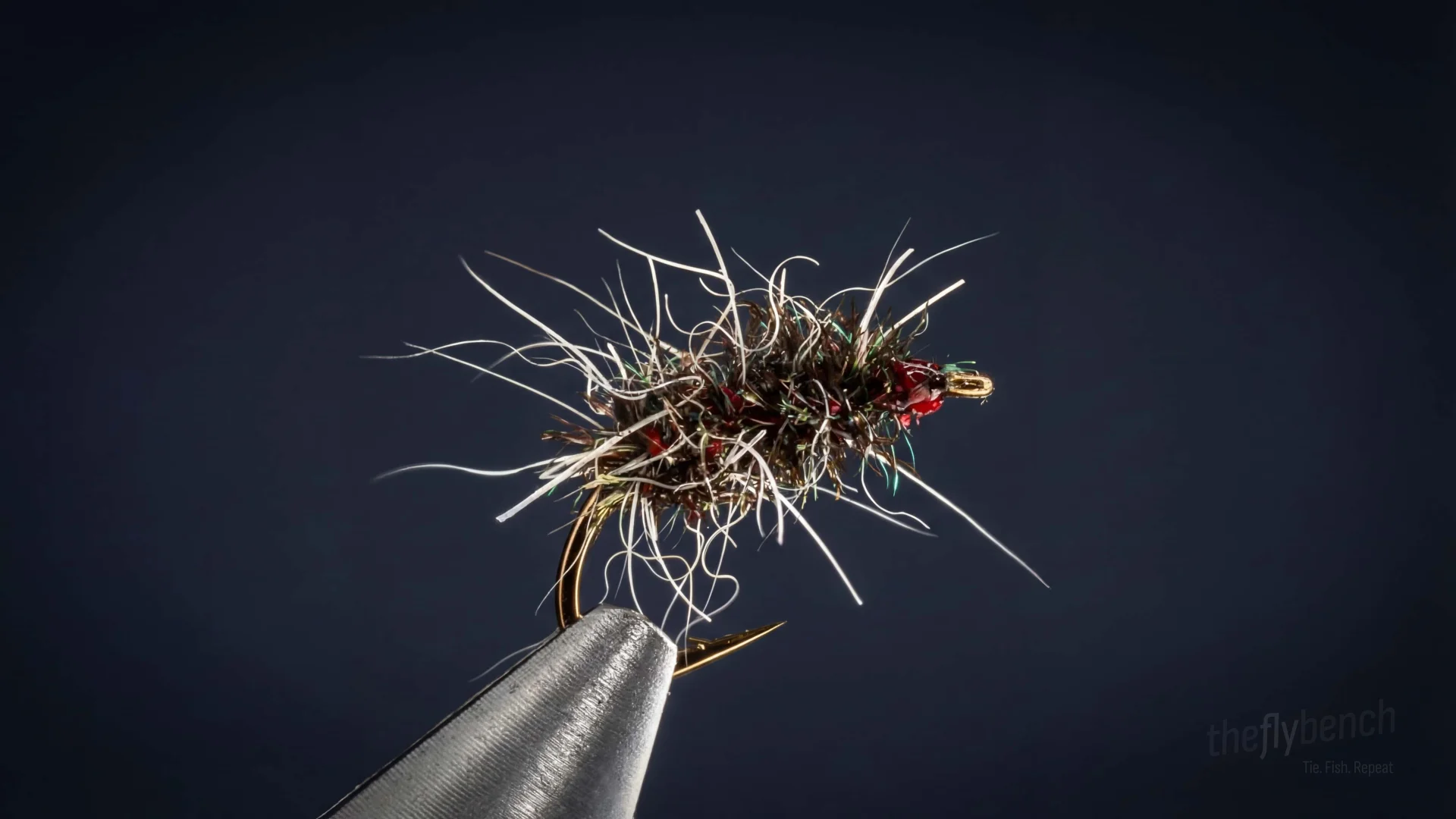
A minimalist dry fly built with black thread or dubbing, sparse hackle, and sometimes CDC for buoyancy. Tied on very small hooks (#20-#26), it imitates adult midges and gnats during heavy hatches. The simple construction allows for accurate small-size proportions that spooky trout demand. Particularly effective on spring creeks and tailwaters where fish see heavy angling pressure and refuse larger, less natural presentations. Keep a range of sizes to match specific midge species.
Where to Buy This Fly
We only link to fly shops we trust. Some links are referral links, which may earn us a commission at no extra cost to you.
Materials
- Hook:
- Tiemco 2488, sizes #18-#22
- Thread:
- 6/0, burgundy or claret
- Body:
- Peacock herl
- Dubbing:
- Natural snowshoe rabbit's foot, in a waxed dubbing loop
Behavior & Presentation
Natural Behavior: Adult midges ride high on the surface film, their wings upright and bodies floating as they drift helplessly in currents.
Where Trout Eat It: Fish cruise just below the film in feeding lanes, sipping drifting adults in smooth water where inspection is easy.
How to Fish It: Drag-free drift through feeding lanes, mending line to extend natural float without dragging the fly.
Best Water: Focus on slicks, tail-outs, and foam lines where surface midges accumulate. Back eddies concentrate adults.
Strike Type: Watch for subtle surface rings or sips as fish intercept the floating adult.
Fishing Strategy
Rigging Suggestions: Fish on 9-12 foot leaders tapered to 6X-7X tippet for delicate presentations. Can be used alone for rising fish or as an indicator fly with a midge pupa dropper 18-24 inches below.
Seasonal Timing: Most productive from April through October, with peak effectiveness during (April-May) and (September-October) midge emergences. Fish it whenever water temperatures reach 45-65°F and adult midges are visible on the water.
Pro Tips: The white CDC wing provides excellent visibility in low light without spooking fish—perfect for morning and evening sessions. Apply CDC floatant sparingly to maintain natural appearance while keeping the fly riding high. Re-dress the CDC between fish to maintain buoyancy.
Entomology
Adult midges rest on the water surface after emergence, their wings outstretched as they dry before taking flight. These spent adults accumulate in surface lanes and backeddies, creating easy feeding opportunities. Matt's Gnat's minimalist design sits flush in the film, imitating exhausted adults too weak to escape, triggering confident rises from selective trout.
- Order
- Diptera
- Family
- Chironomidae
- Common Name
- Midge
- Organism Type
- insect
- Life Stage
- adult