Dry FliesMadison Buzzer
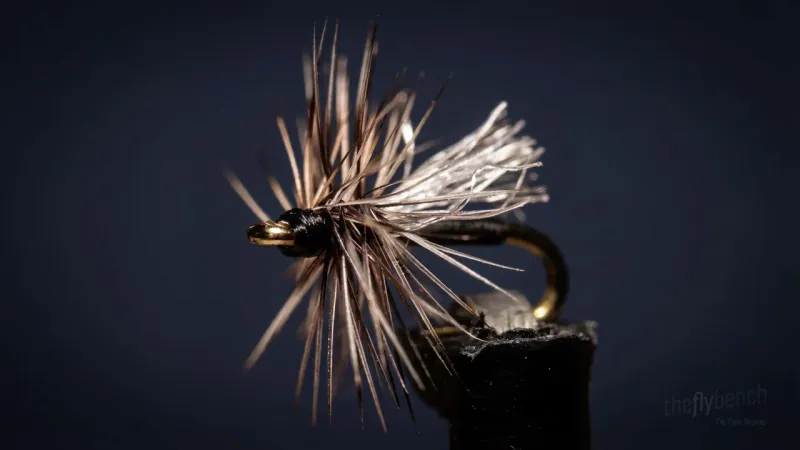
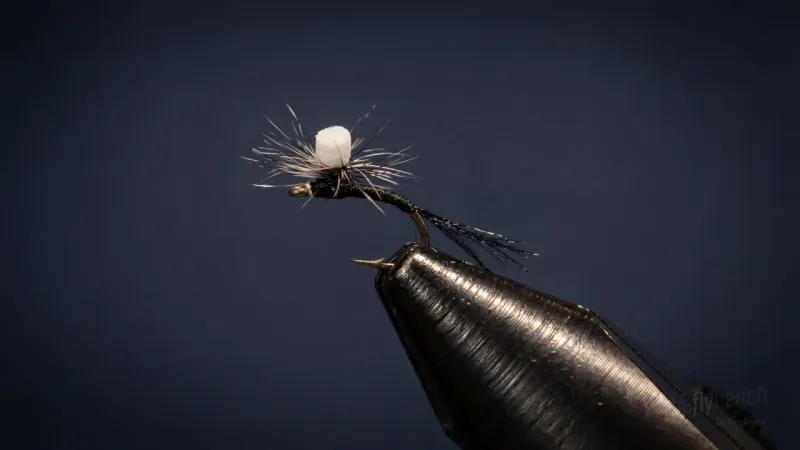
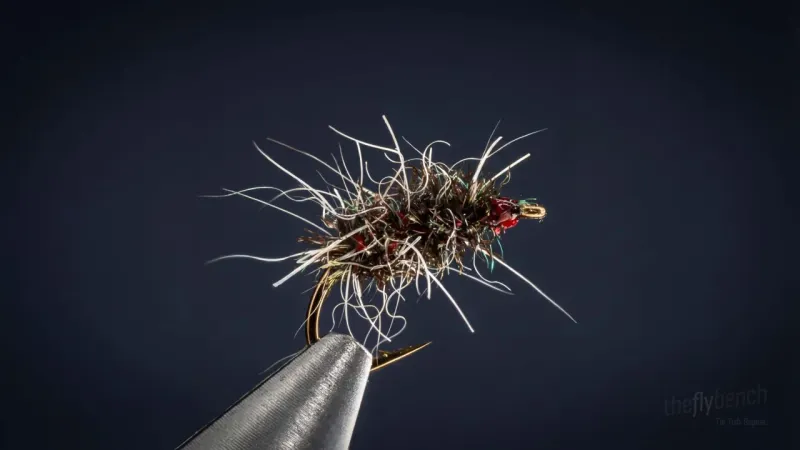
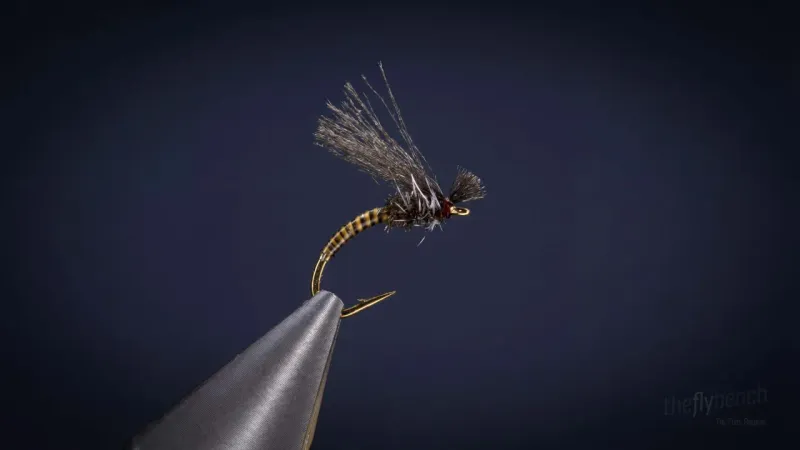
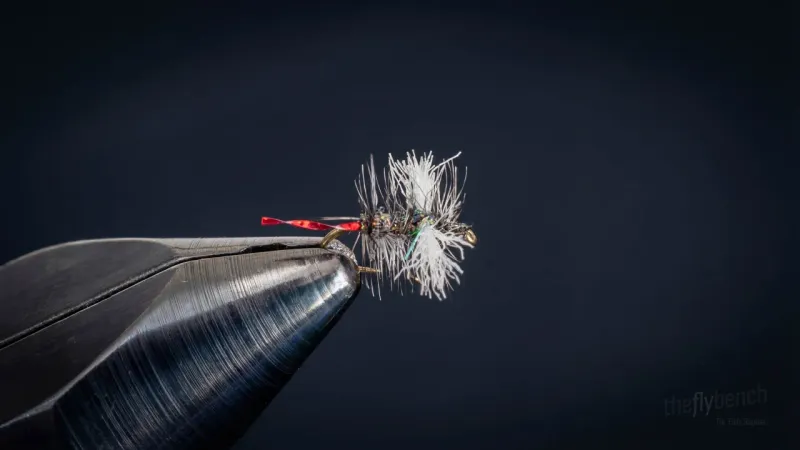
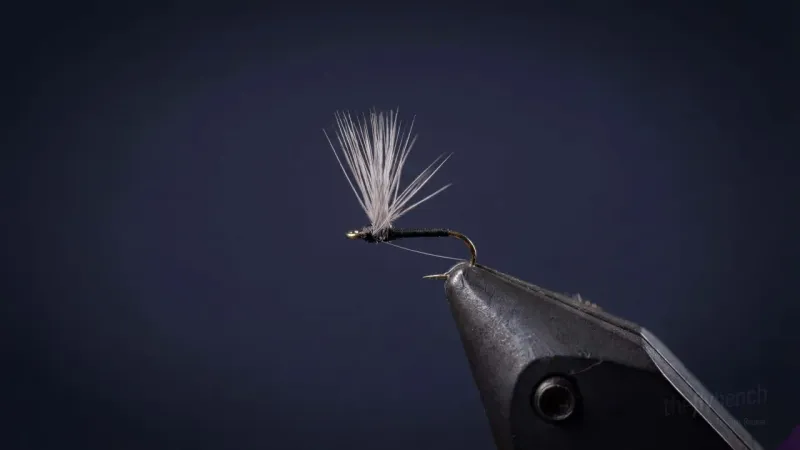
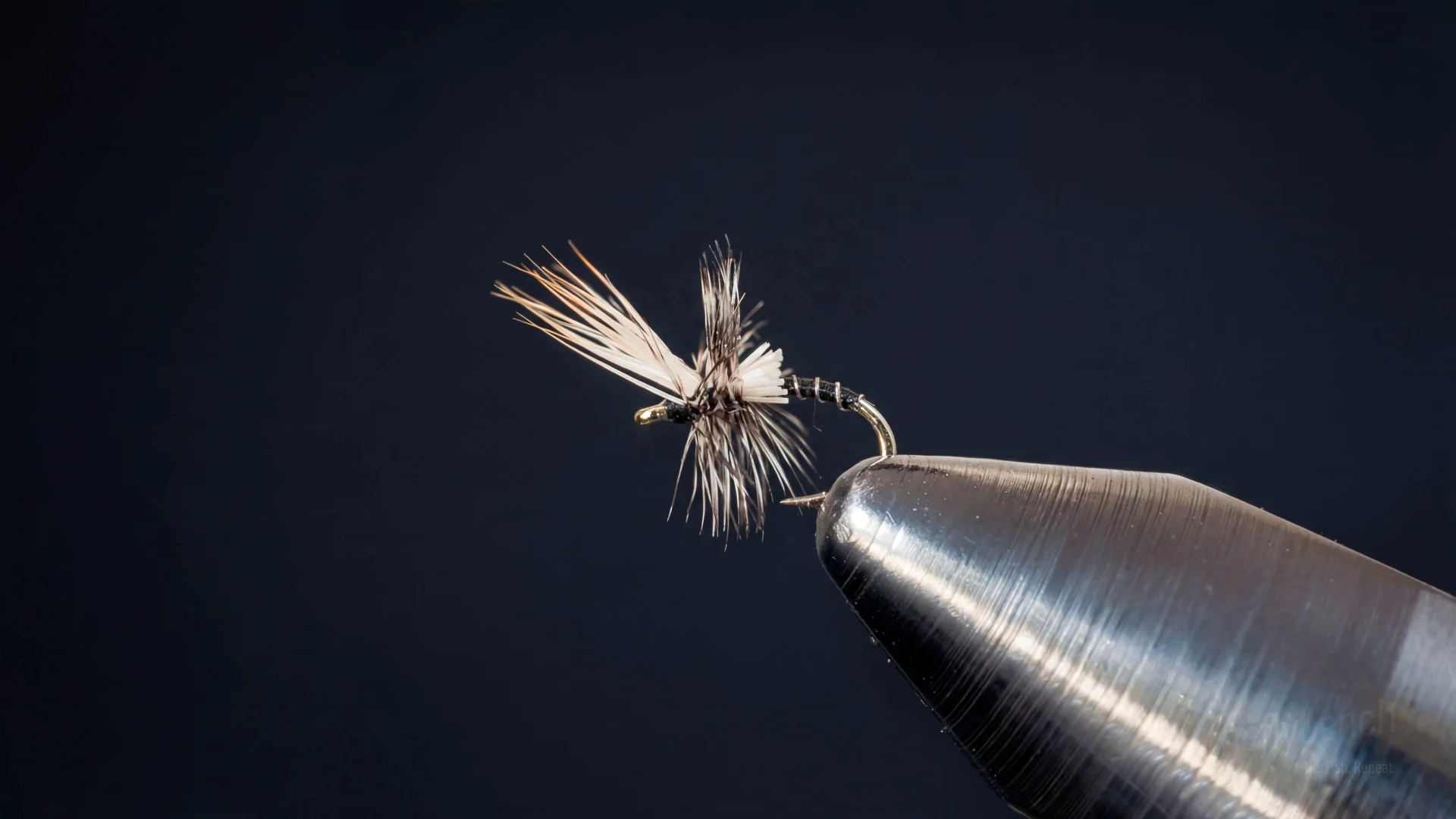
The Madison Buzzer is a high-visibility midge cluster pattern designed for the challenging midge fishing on the Madison River and similar waters. The bleached sparkle dun deer hair wing provides exceptional visibility while the silver wire ribbing adds subtle flash. The grizzly hackle and sparse body create a realistic midge cluster profile.
Year Round
Intermediate
Trout
Dec 2025
Overview
The Madison Buzzer was developed at Blue Ribbon Flies specifically for the technical midge fishing common on the Madison River. The bleached deer hair wing provides visibility that most midge patterns lack, while maintaining a realistic cluster profile. The 14/0 thread allows minimal bulk on small hooks.
Materials
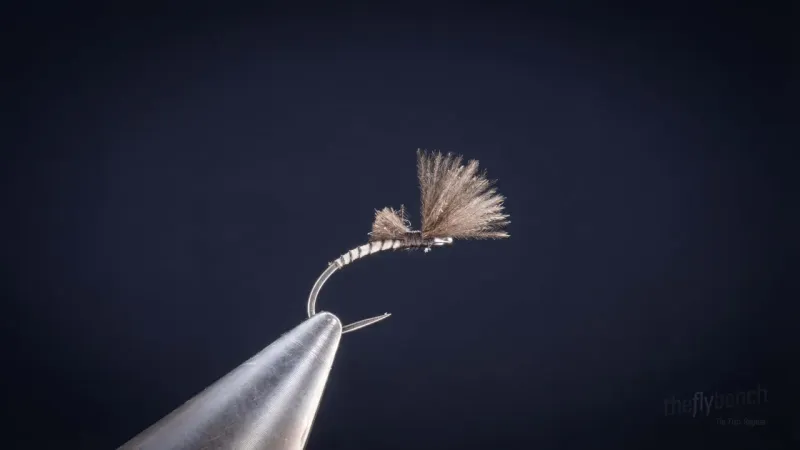
Hook: Tiemco 2488 or Umpqua U201, #18-20
Thread: Gordon Griffiths, 14/0, black
Rib: Ultra Wire, extra small, silver
Wing: Sparkle Dun Deer Hair, bleached
Hackle: Grizzly dry fly hackle
Behavior & Presentation
Natural Behavior: Adult midges cluster on the surface film after emergence or during egg-laying, sitting with wings held tent-like while unable to escape quickly. Despite tiny individual size, their massive numbers during peak hatches create exclusive feeding opportunities.
Where Trout Eat It: Fish sip clusters floating in the surface film along feeding lanes and seams where current concentrates emerging adults. Slow currents allow selective feeding on specific cluster sizes.
How to Fish It: Drag-free drift through feeding lanes positions the high-riding pattern where clusters naturally collect. The visible wing helps anglers track tiny presentations in challenging light.
Best Water: Focus on seams where midge clusters accumulate, tail-outs with gentle currents for sipping rises, and slicks that allow surface inspection.
Strike Type: Subtle sips or barely visible disturbances in the film require patient observation before gentle sets.
Fishing Strategy
Rigging Suggestions: Fish on 12-15 foot leader with 6X-7X tippet. The pattern can serve as an indicator for smaller midge droppers. Keep the wing dressed with floatant.
Seasonal Timing: Effective year-round during midge activity. Particularly productive during when midges are the primary food source on many tailwaters and creeks.
Pro Tips: Excellent visibility from the bleached deer hair wing. The combination of hackle and deer hair provides reliable floatation.
Entomology
Adult midges rest on the water surface after emergence or during egg-laying, sitting low in the film with their tiny wings held in a tent-like position. Despite their minute size, midges emerge in such massive numbers that fish feed on them exclusively during peak hatches.
- Order
- Diptera
- Family
- Chironomidae
- Common Name
- Midge
- Organism Type
- insect
- Life Stage
- adult