Dry FliesSprout Midge
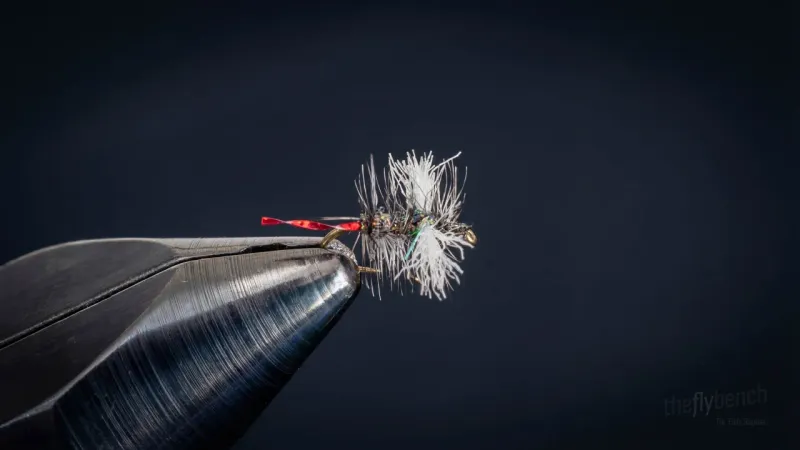
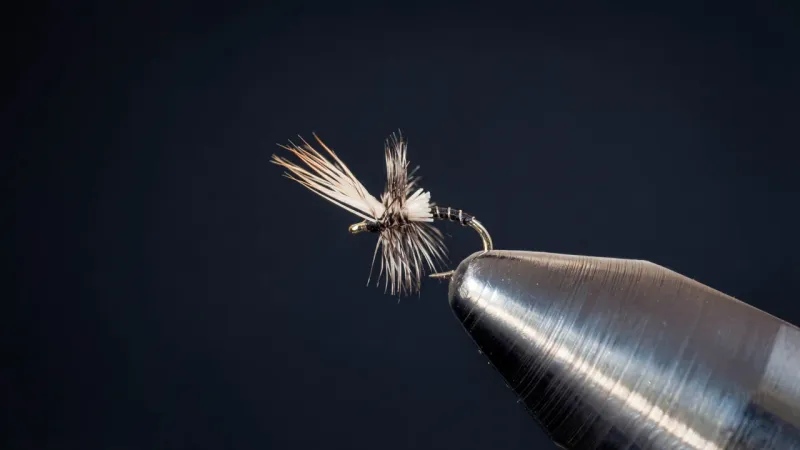
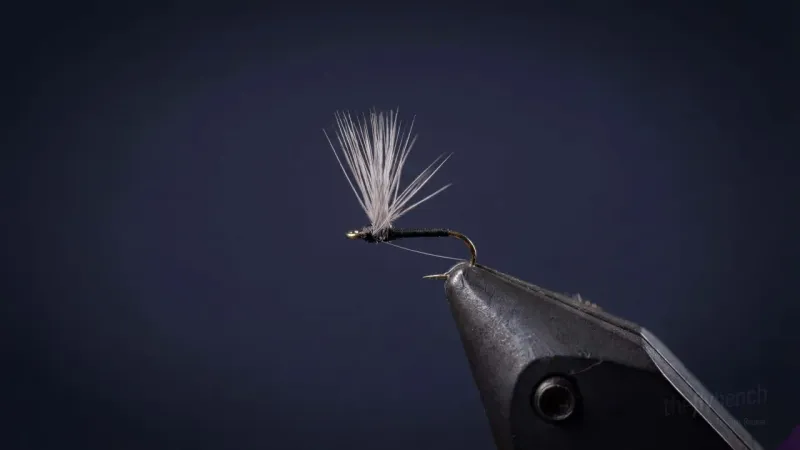
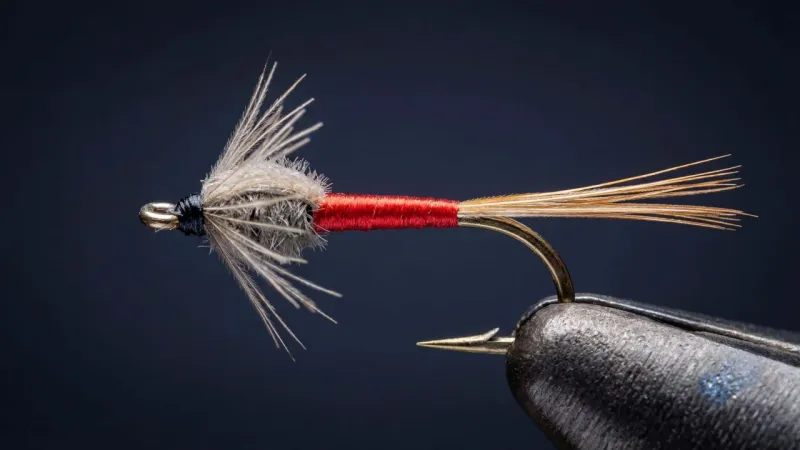
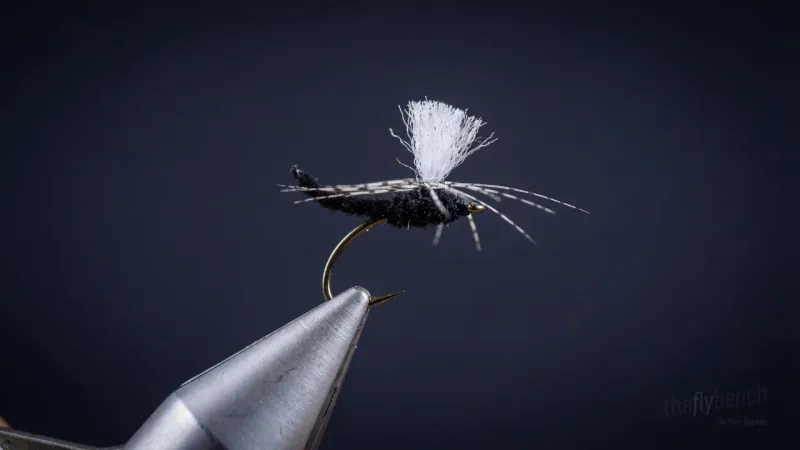
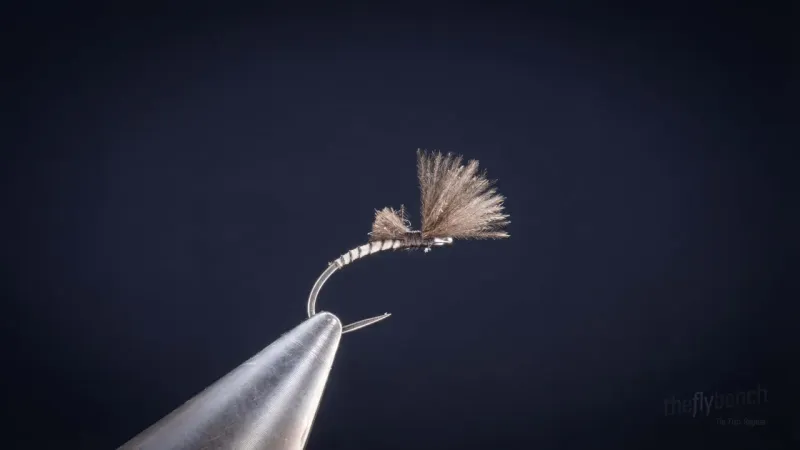
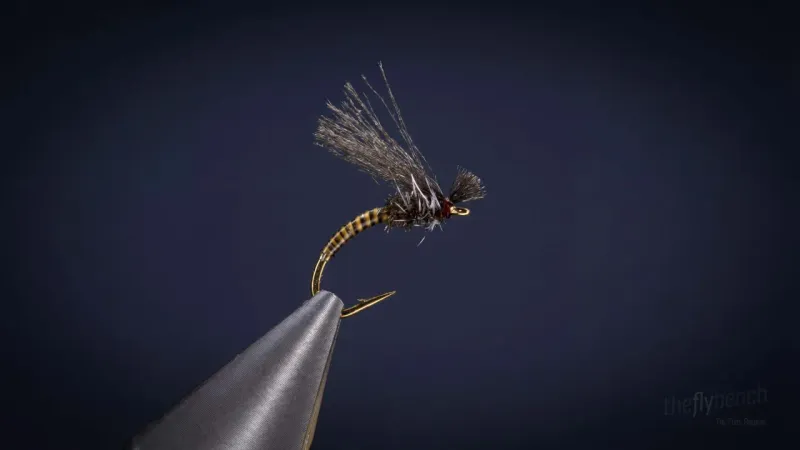
The Sprout Midge is an emerger pattern designed to imitate midges in their pupal stage, just as they're about to hatch. Its trailing shuck and upright wing give it a realistic profile, making it an effective pattern when fish are keying in on emerging midges.
Spring, Summer, Fall, Winter
Intermediate
Trout
Apr 2025
Overview
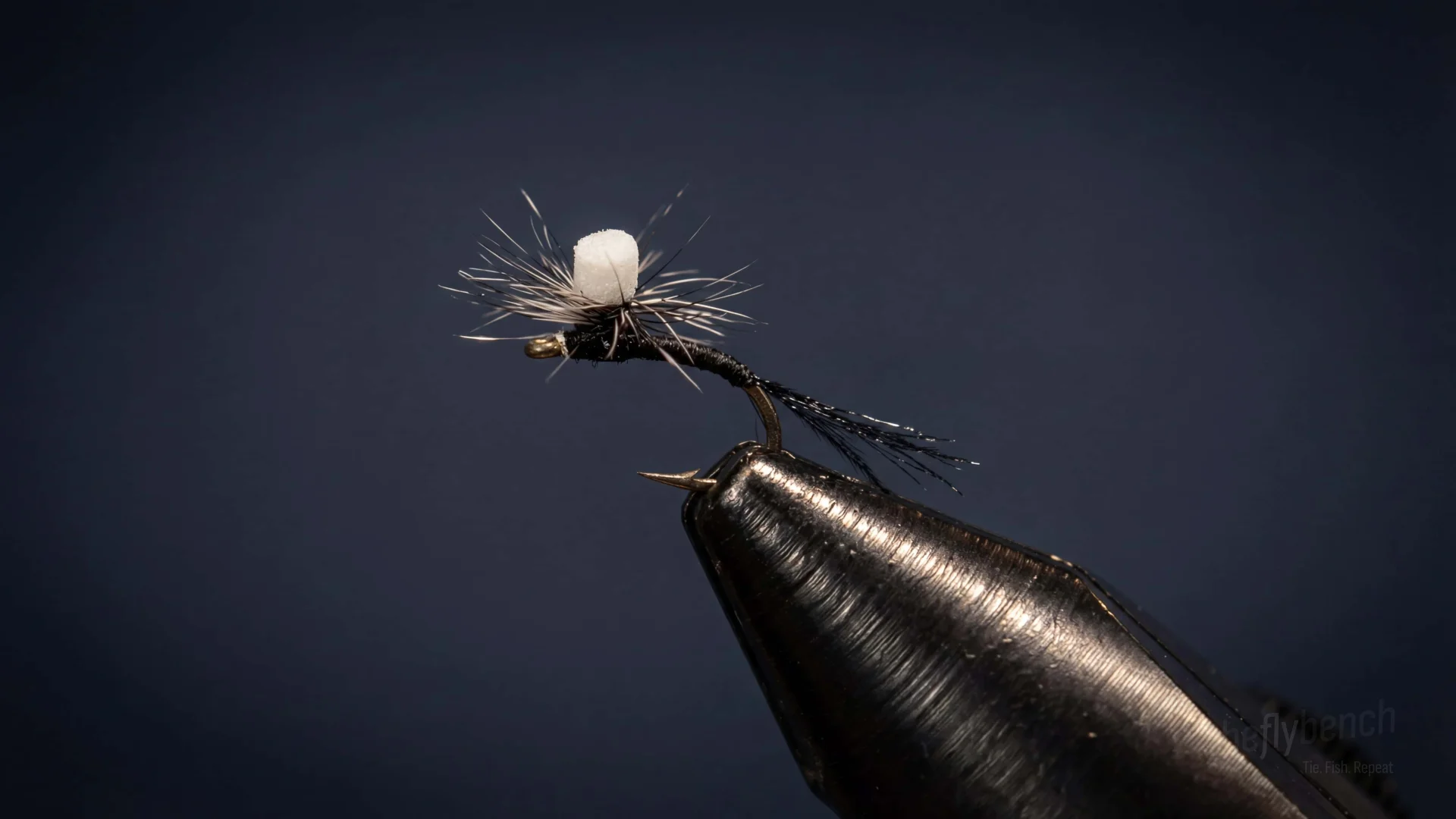
A midge emerger pattern with a simple dubbed body, Z-lon or Antron trailing shuck, and an upright CDC or poly yarn wing. Designed to sit flush in the surface film, it's a favorite on technical waters where trout are feeding delicately on midges.
Where to Buy This Fly
We only link to fly shops we trust. Some links are referral links, which may earn us a commission at no extra cost to you.
Materials
- Hook:
- Umpqua U201
- Thread:
- Veevus 16/0 Black
- Trailing Shuck:
- Spooled Antron Yarn Black
- Post:
- Foam Parachute Post Small
- Hackle:
- Grizzly Dry Cape
Behavior & Presentation
Natural Behavior: Midge pupae ascend through the water column in a slow, controlled rise toward the surface. Many pause mid-column or hang suspended beneath the film as their wings develop, creating prolonged feeding opportunities for selective trout.
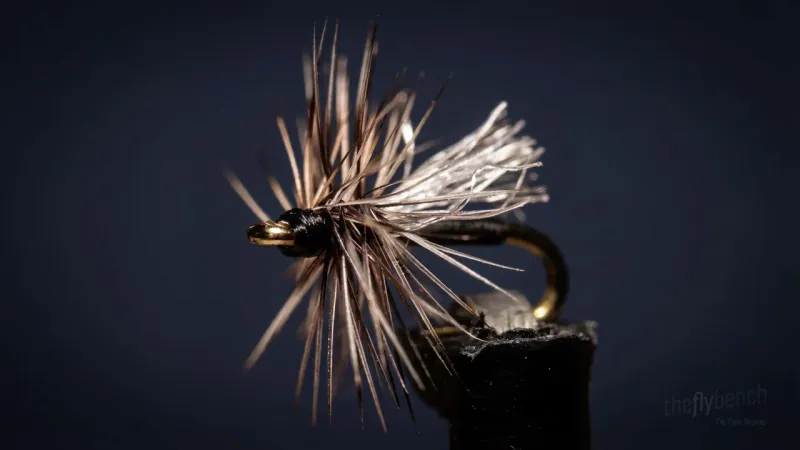
Where Trout Eat It: Trout sip adult midges resting on the surface in glassy tail-outs and shallow seams on Hot Creek. The foam post and parachute hackle position this as a true surface fly. Fish target it during final emergence stages when insects rest on water after breaking through film.
How to Fish It: Fish solo on 6X-7X tippet with dead drift, or below a small dry fly like Parachute Adams. For an added trigger, try lifting rod tip gently at the end of drift to simulate rising midge. Floats just below or in surface film, requiring delicate presentations in technical water.
Best Water: Work Hot Creek-style spring creeks with glassy water. Target shallow seams in tail-outs and technical slicks where trout inspect surface food closely. Avoid deep pocket water—this excels in calm, shallow feeding lanes under 2 feet deep.
Strike Type: Trout dimple the surface or create tiny concentric rings around the foam post as they take the parachute hackle; subtle wrist-lift sets the hook without overtaxing 6X-7X leader material.
Fishing Strategy
Rigging Suggestions: Due to its small size, consider using a 6X or 7X tippet. It can be fished alone or as part of a multi-fly setup.
Seasonal Timing: The Sprout Midge is effective year round, but particularly so during midge hatches.
Pro Tips: The Sprout Midge floats just below the surface of the water. Its white CDC wing makes it visible to both the angler and the fish.
Entomology
Adult midges rest on the water surface after emergence, often with their bodies tilted at slight angles and legs dimpling the meniscus as they prepare to mate or simply drift with the current. Trout sip adult midges delicately because these tiny insects appear in staggering numbers year-round, particularly during winter and early spring when they constitute the primary surface food source in cold-water fisheries.
- Order
- Diptera
- Family
- Chironomidae
- Common Name
- Midge
- Organism Type
- insect
- Life Stage
- adult