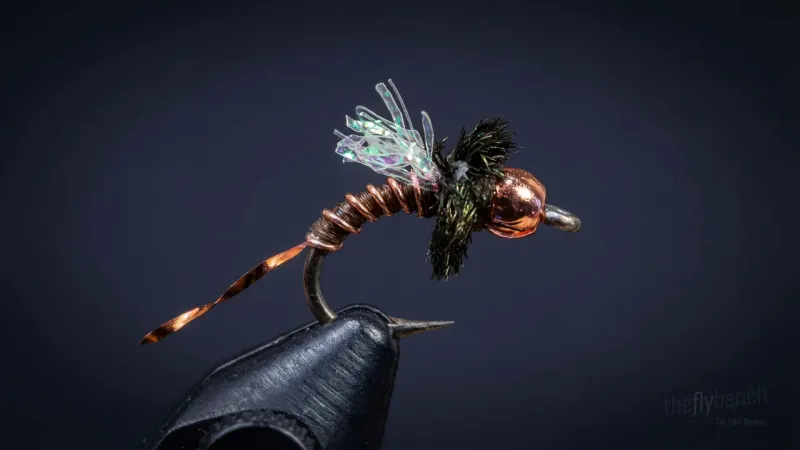
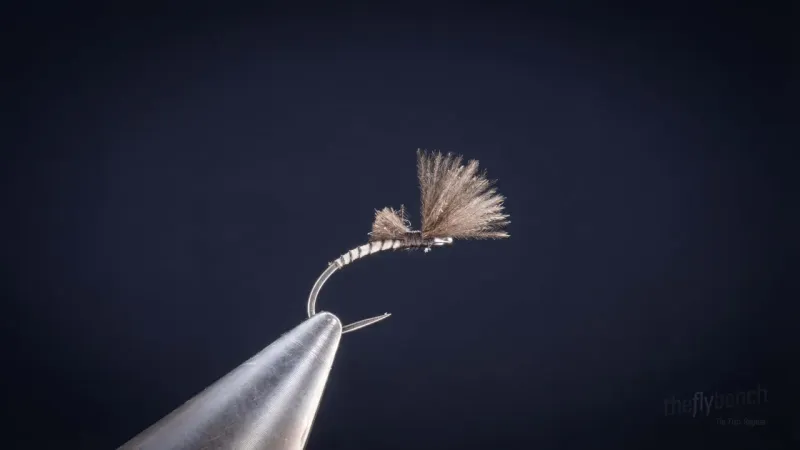
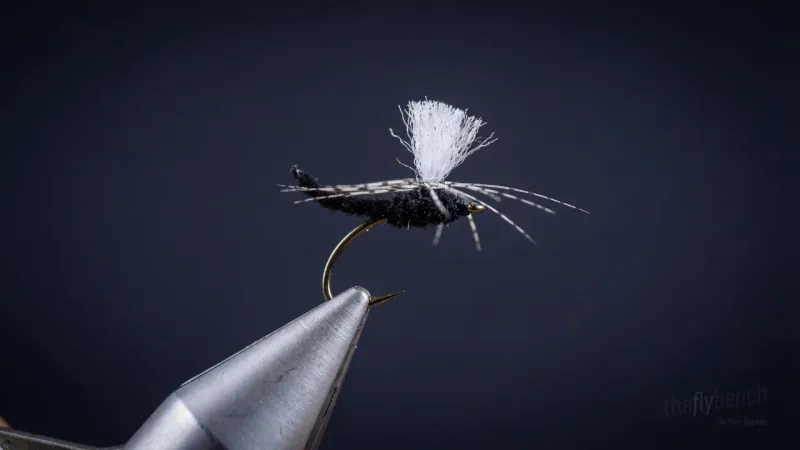
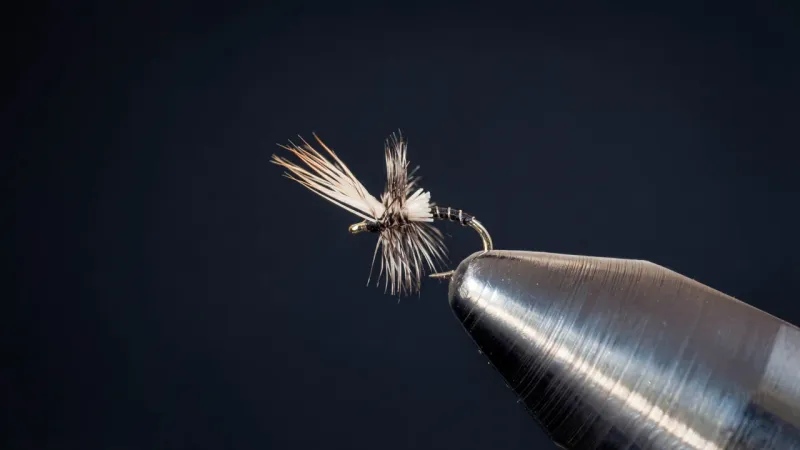
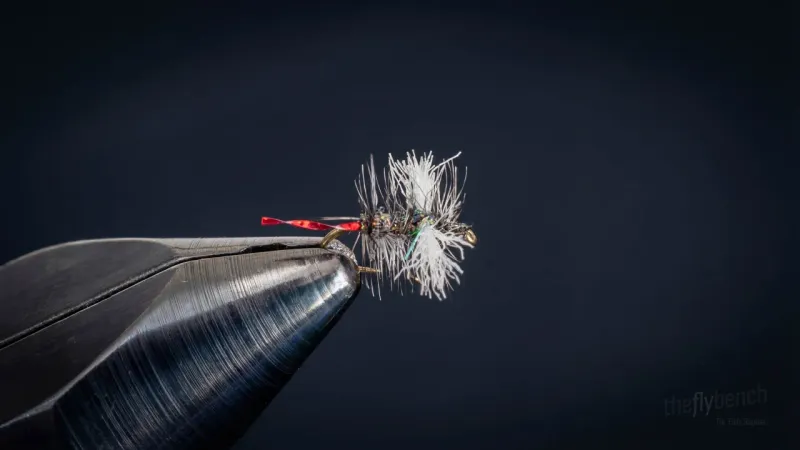
Dry FliesMatt's Midge
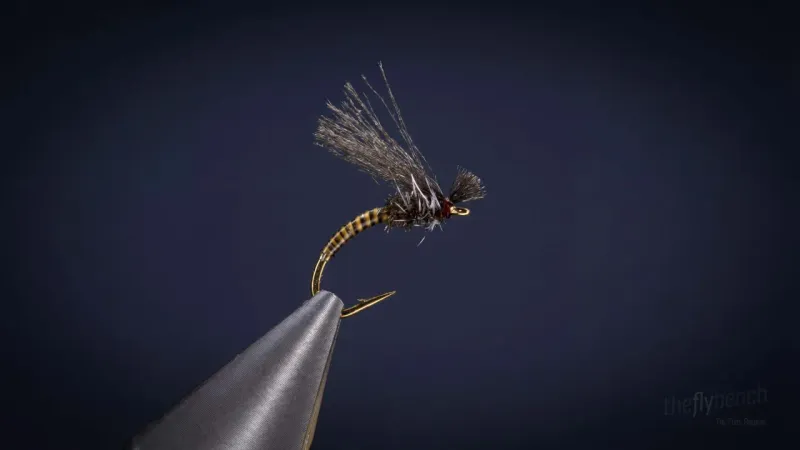
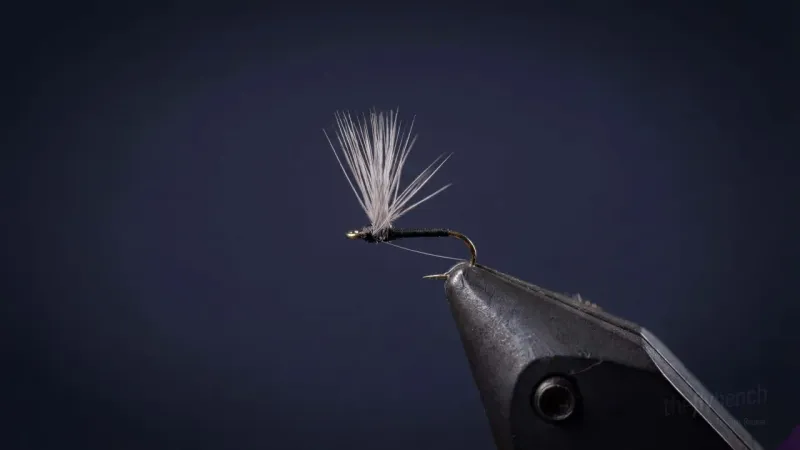
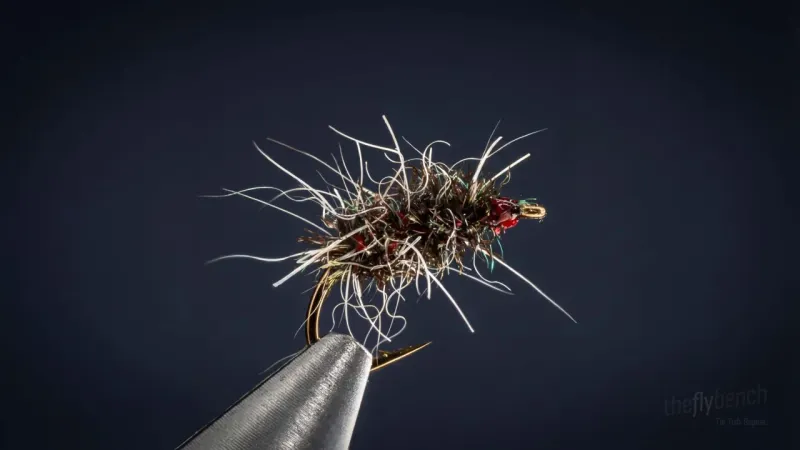
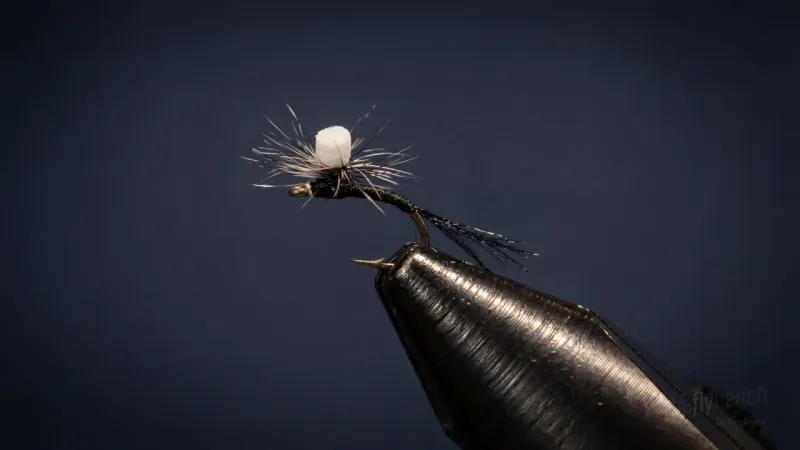
Simple and effective pattern imitates tiny midges in their adult stage. The pattern features a minimalist design with just a thread body and grizzly hackle, making it a great pattern for beginners to tie while still being effective on trout waters across the country. The slim profile and small size make it versatile.
Year Round
Beginner
Trout
Apr 2025
Overview
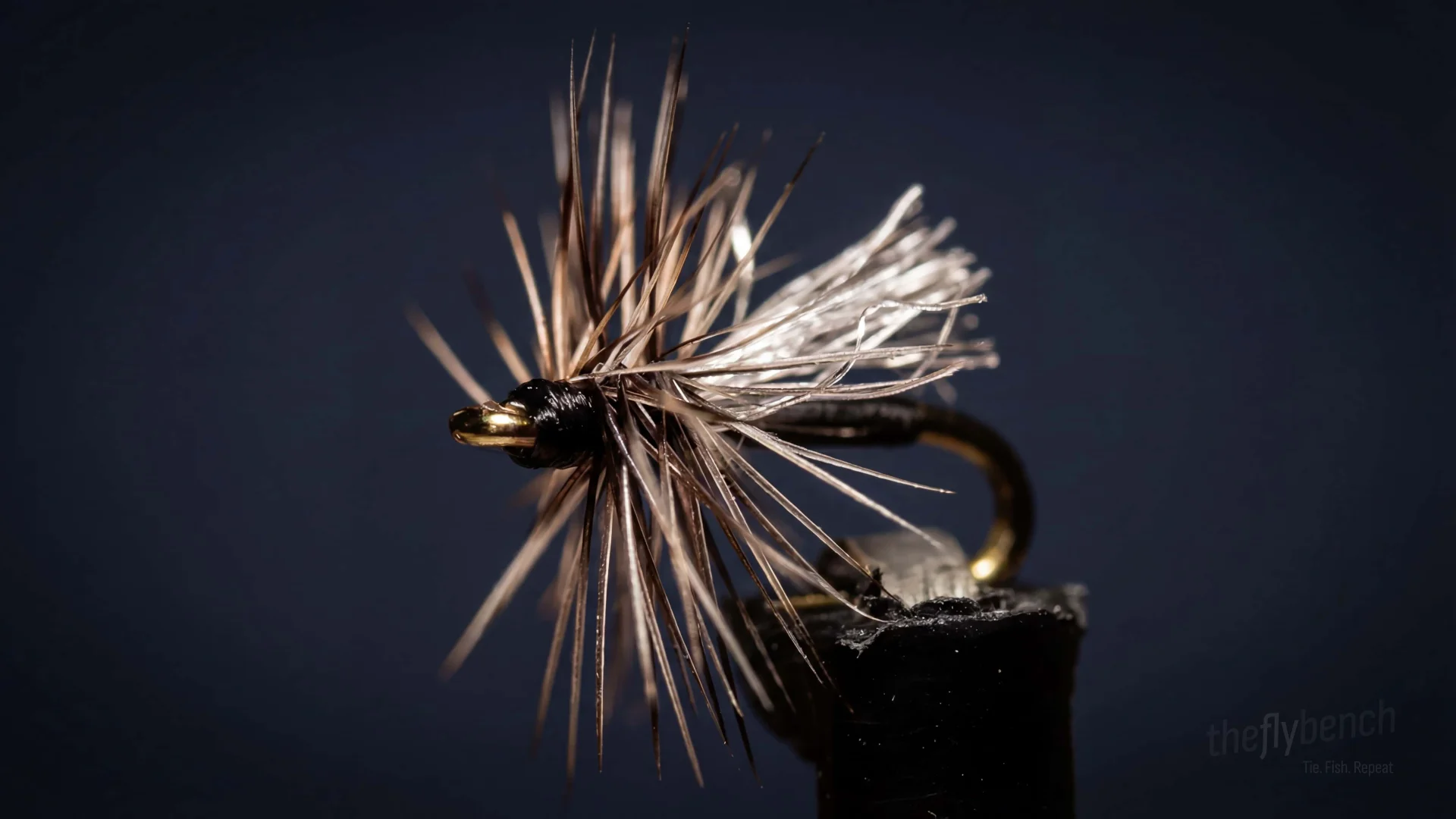
This minimalist pattern developed in the 1990s features just a thread or fine dubbing body with a delicate rib and sparse grizzly hackle, making it an excellent beginner tie that remains effective on pressured waters. Can be tied with a small bead for weight or unweighted for film presentations. The simple profile and small size (#18-#24) make it versatile for both surface and subsurface fishing. Particularly effective on tailwaters during winter months when midges are the primary food source.
Where to Buy This Fly
We only link to fly shops we trust. Some links are referral links, which may earn us a commission at no extra cost to you.
Materials
- Hook:
- Straight-eye dry-fly hook (Dai-Riki 310), sizes #18-#22
- Thread/Body:
- 6/0, black
- Wing:
- White Zelon or Antron
- Hackle:
- Grizzly rooster saddle
Behavior & Presentation
Natural Behavior: Midge larvae drift through slow currents with minimal swimming ability, their segmented bodies tumbling helplessly mid-column.
Where Trout Eat It: Fish hold in slow pools and back eddies, intercepting drifting larvae at tailwater runs and spring creek margins.
How to Fish It: Dead drift with natural current speed, allowing the slim profile to tumble naturally through feeding lanes.
Best Water: Focus on back eddies, slicks, and slow runs where drifting larvae concentrate. Tailwater pools produce consistently.
Strike Type: Watch for subtle indicator movements or hesitations as fish gently inhale the drifting pattern.
Fishing Strategy
Rigging Suggestions: Can be fished alone or in tandem with a midge pupa or larva pattern. When using a tandem rig, place the dry fly on the point and the pupa or larva on the dropper 18-24 inches below.
Seasonal Timing: Year Round. Midges hatch throughout the year, making this a versatile pattern. Most productive November-March during months and April-May when water temperatures are between 38-55°F.
Pro Tips: The grizzly hackle helps the fly float and adds visibility, making it easier to spot on the water. The slim body ensures the fly sits properly on the water surface, mimicking a natural midge. Apply gel floatant sparingly.
Entomology
Newly emerged midge adults cluster on the surface during mass hatches, their tiny bodies creating dense carpets of food in protected waters. Trout rhythmically sip these adults with precision, often ignoring larger insects entirely. The pattern's simple construction and perfect size matching make it essential during winter and early spring midge emergences on technical spring creeks.
- Order
- Diptera
- Family
- Chironomidae
- Common Name
- Midge
- Organism Type
- insect
- Life Stage
- adult