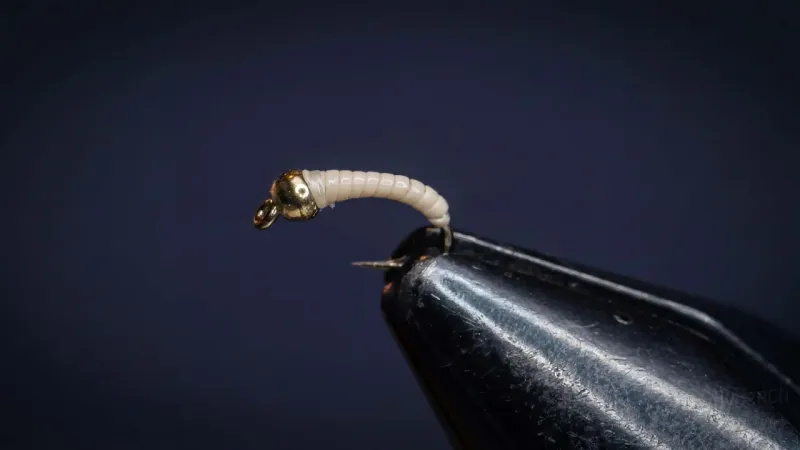
Euro NymphsPerdigonomid
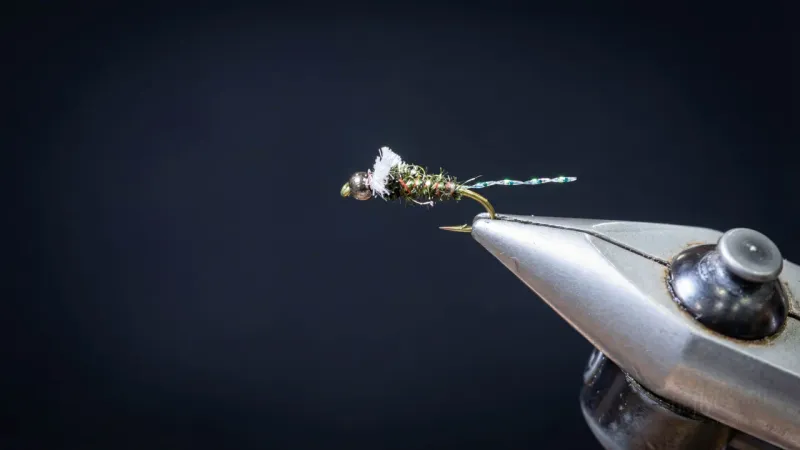
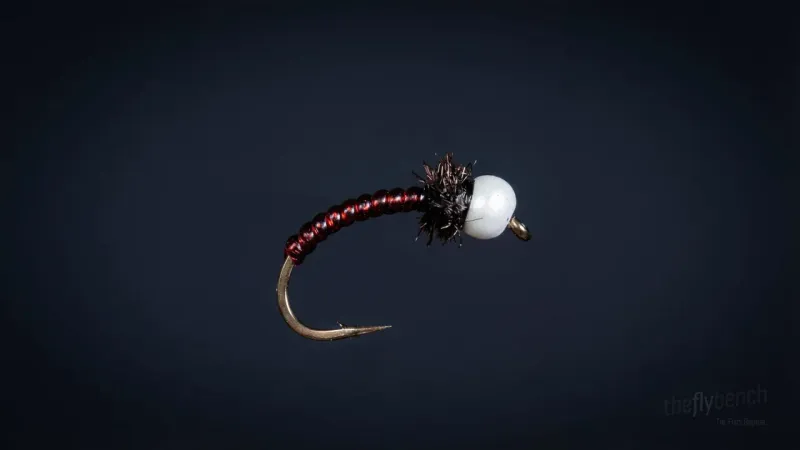
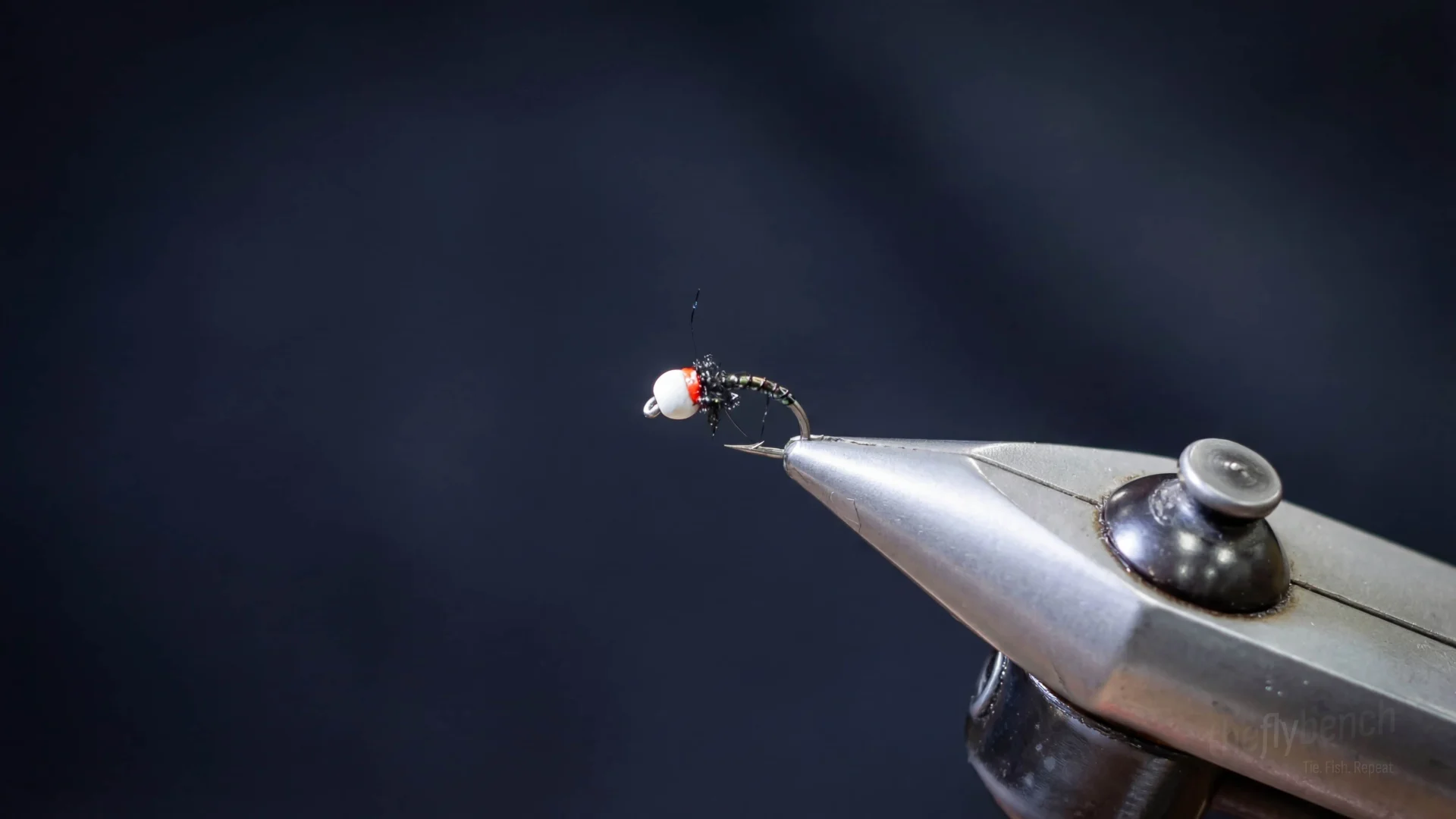
The Perdigonomid fuses Spanish perdigon construction with chironomid imitation, creating a fast-sinking midge pattern for euro nymphing. The fluorescent white tungsten bead, black perdigones tinsel body, and UV Ice Dub thorax combine perdigon durability with midge-specific features. The hot orange thread adds a trigger point visible through the tinsel body.
Year Round
Intermediate
Trout
Dec 2025
Overview
The Perdigonomid represents the evolution of competition-style nymphs, combining the proven sink rate and durability of perdigon construction with chironomid imitation. The fluorescent white bead provides visibility for the angler while triggering strikes from fish. The pattern works in both rivers and stillwater, adapting euro techniques for midge fishing.
Materials
Hook: Tiemco 2457 or Umpqua U202, #14-18
Thread: Danville, 6/0, fluorescent fire orange
Bead: Plummeting Tungsten Bead, fluorescent white (size to hook)
Abdomen: Perdigones Tinsel, medium, black
Thorax: Ice Dub, UV black
Behavior & Presentation
Natural Behavior: Chironomid larvae writhe and twist near the bottom, their thin black bodies curling and straightening rhythmically in the current. The perdigones tinsel and tungsten bead combination creates a dense, fast-sinking profile that reaches midge-feeding zones quickly in both rivers and lakes.
Where Trout Eat It: Trout eat this near bottom in deep runs where midge larvae concentrate. The fluorescent bead provides visibility to angler while the fly drifts in lower 6 inches of water column where chironomids hang in high concentrations.
How to Fish It: Euro nymph with tight-line contact as point fly, or fish solo in lakes near bottom. The heavy tungsten bead and slim perdigon body cut through current faster than traditional patterns—fish with high-stick technique in rivers, suspended under indicator in lakes.
Best Water: Excels in deep runs and pools where fast-sinking weight is critical to reach bottom quickly. Target seams where depth transitions occur, and lake shelves within 6 inches of bottom where chironomids concentrate during emergence periods.
Strike Type: Watch the sighter for micro-movements—subtle ticks, brief stops, or color shifts—and lift the rod tip sharply the moment you detect any change.
Fishing Strategy
Rigging Suggestions: Fish as point fly in euro rigs or as a single fly in lake. The bead weight anchors tandem setups effectively.
Seasonal Timing: Effective year-round, particularly during heavy midge activity when larger chironomid species are present.
Pro Tips: Extremely fast-sinking with the tungsten bead. The fluorescent white bead aids angler visibility.
Entomology
Midge larvae drift helplessly in currents near the stream bottom, tumbling and rolling with the flow in high concentrations. Trout feed selectively on these tiny organisms during winter and early spring when midges constitute the primary available food source in cold water.
- Order
- Diptera
- Family
- Chironomidae
- Common Name
- Midge
- Organism Type
- insect
- Life Stage
- general