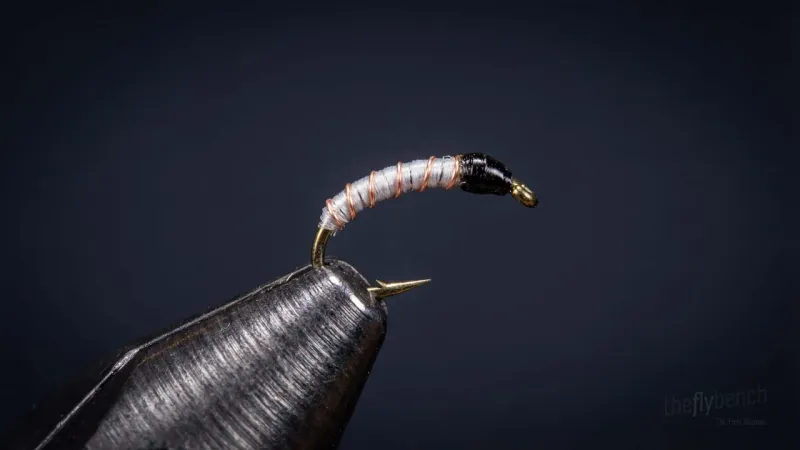
Midge / EmergersMuskrat Midge
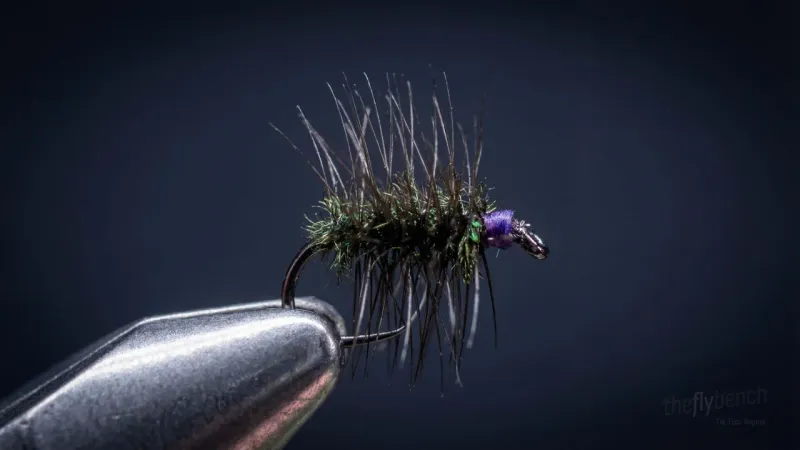
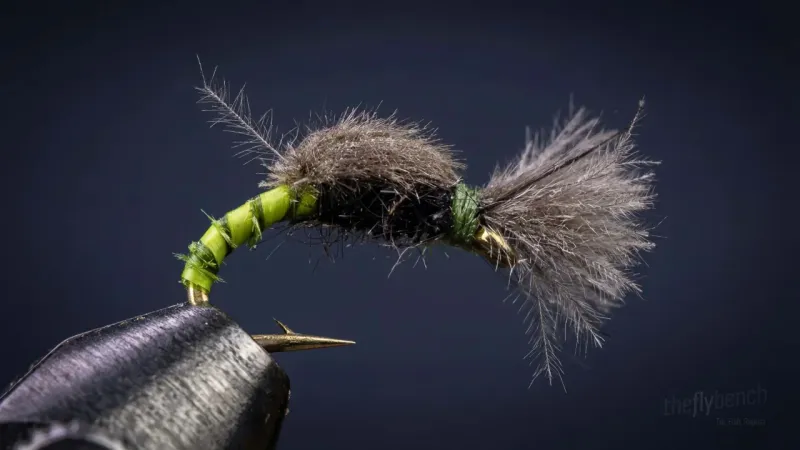
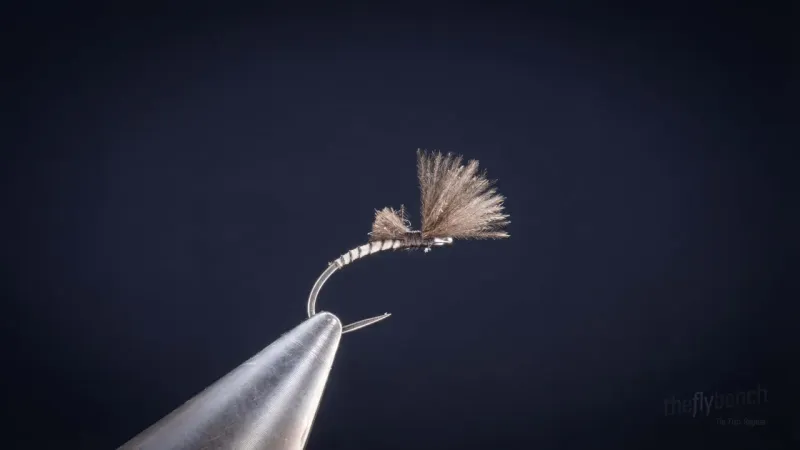
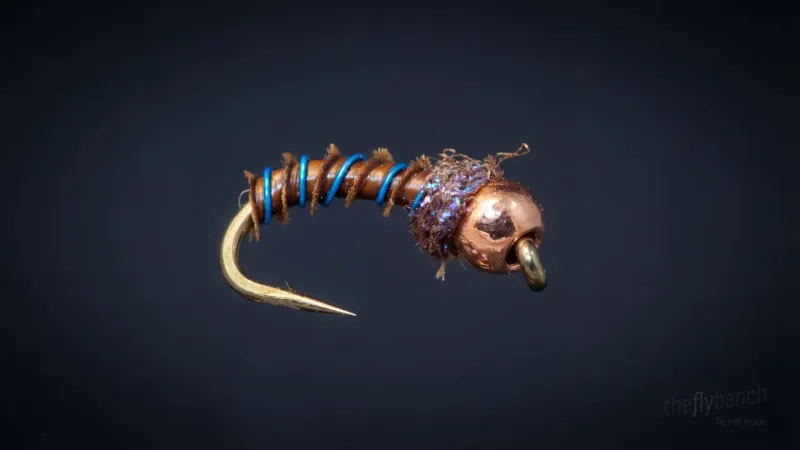
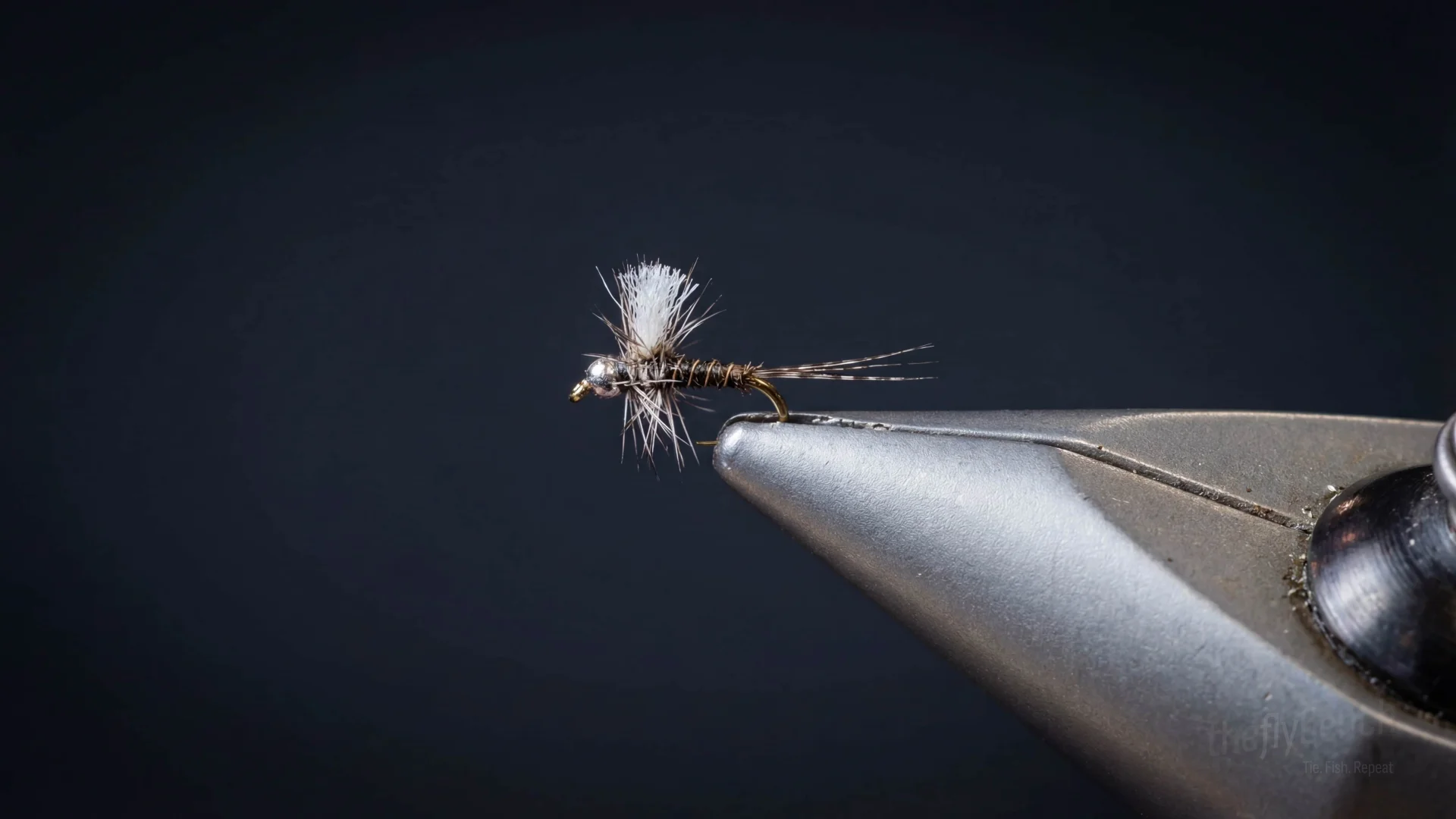
The Muskrat Midge is a natural-toned midge pattern featuring muskrat dubbing and a distinctive light purple tungsten bead. The natural grey-brown coloration of muskrat fur closely matches many chironomid species, while the white Zelon wings add visibility and suggest emerging wing pads. A subtle but effective pattern for selective fish.
Year Round
Intermediate
Trout
Dec 2025
Overview
The Muskrat Midge uses the proven fish-catching properties of natural muskrat fur in a compact midge pattern. The light purple bead adds an unusual but effective color accent that triggers strikes from curious trout. The white Zelon wings create a visible profile that suggests the emerging wing pads of natural chironomid pupae.
Materials
Hook: Tiemco 3769 or Umpqua U105, #20
Thread: Uni-Thread, 8/0, iron gray
Bead: Lucent Tungsten Bead, 1/16", light purple
Tail: Midge Flash, pearl
Rib: Danville Fine Wire, silver
Body/Thorax: Muskrat Dubbing, natural
Wings: Zelon, straight, white
Behavior & Presentation
Natural Behavior: Midge larvae and pupae inhabit the bottom substrate and water column, drifting passively when dislodged by current or during daily vertical migrations. The year-round availability and sheer biomass of midges in most aquatic systems makes them an essential protein source for all life stages of fish.
Where Trout Eat It: Effective in both rivers and lake where chironomids occur. Excellent for tailwaters and spring creeks.
How to Fish It: Dead drift in the water column where fish are actively feeding on midges. Maintain light contact for strike detection. Drag-free drift matches natural nymph movement in the current.
Best Water: Focus on seams, tail-outs, riffle edges, and current breaks where trout hold and feed.
Strike Type: The indicator will pause or slide sideways slightly as trout intercept the drifting midge. Strikes often manifest as line tightening rather than visible surface disturbance.
Fishing Strategy
Rigging Suggestions: Fish in midge tandem rigs or as a dropper below a larger nymph. The small size requires fine tippet (6X-7X).
Seasonal Timing: Effective year-round during midge activity. The natural coloration works particularly well in clear water conditions.
Pro Tips: Sinks readily with the tungsten bead. The white wings provide visibility in the water column.
Entomology
Midge larvae and pupae inhabit the bottom substrate and water column, drifting passively when dislodged by current or during daily vertical migrations. The year-round availability and sheer biomass of midges in most aquatic systems makes them an essential protein source for all life stages of fish.
- Order
- Diptera
- Family
- Chironomidae
- Common Name
- Midge
- Organism Type
- insect
- Life Stage
- general