Midge / EmergersCDC Midge Pupa
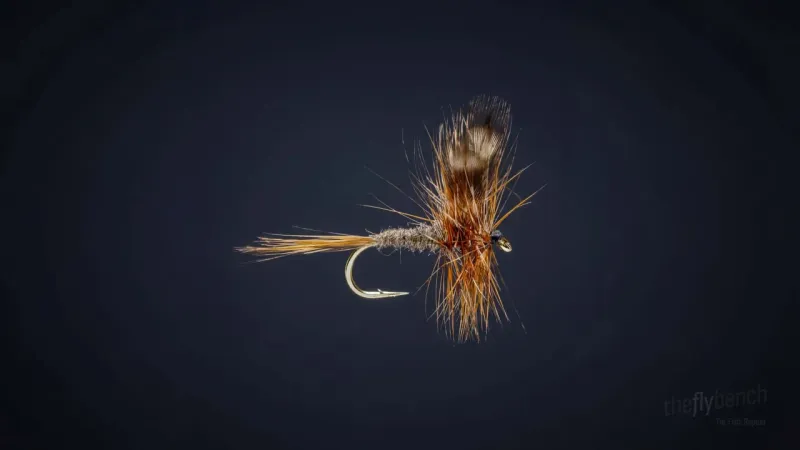
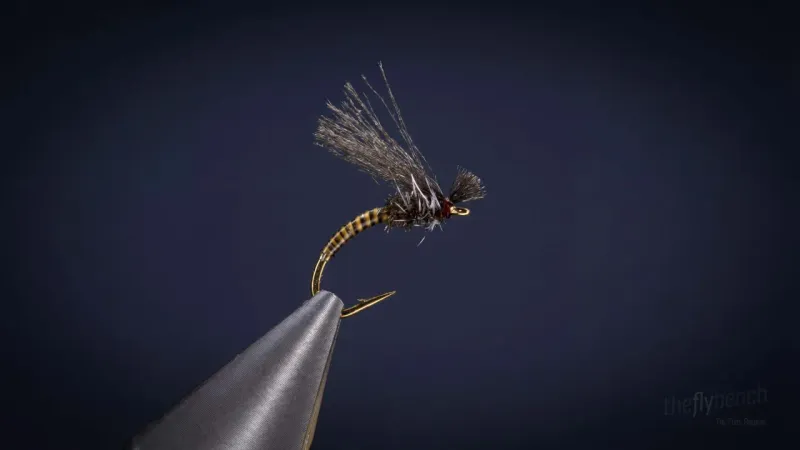
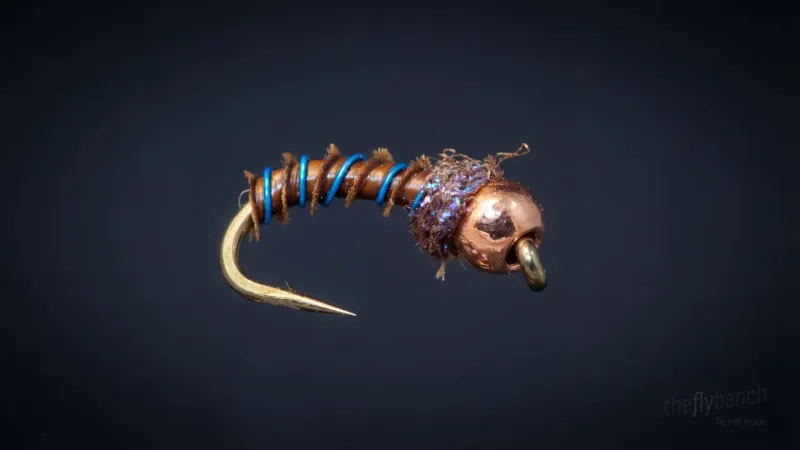
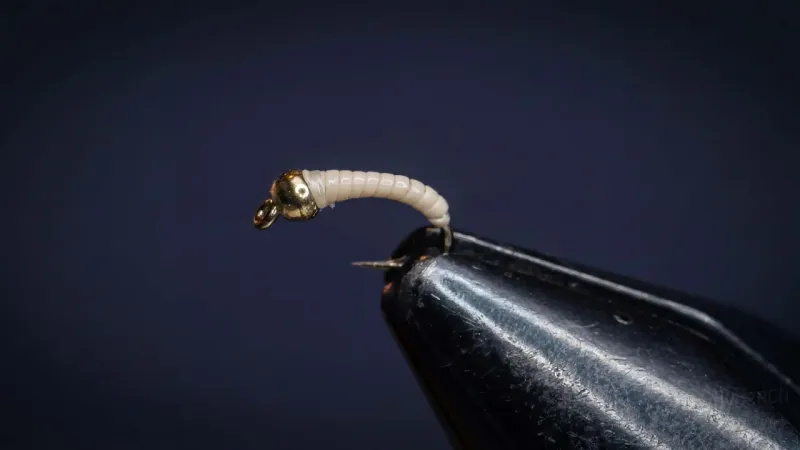
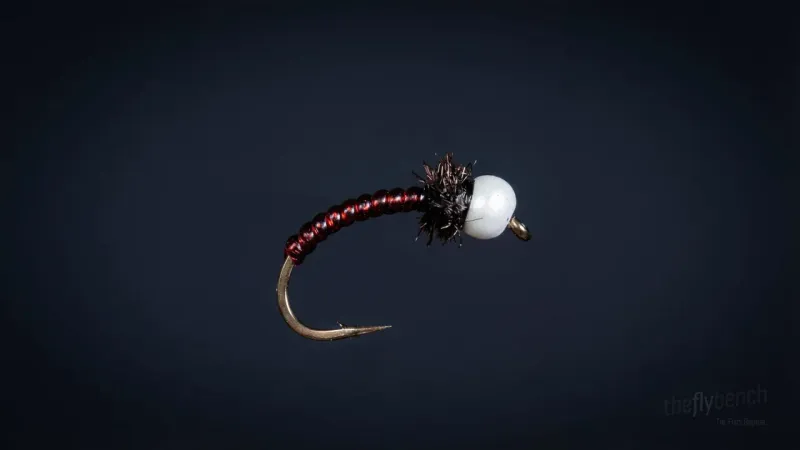
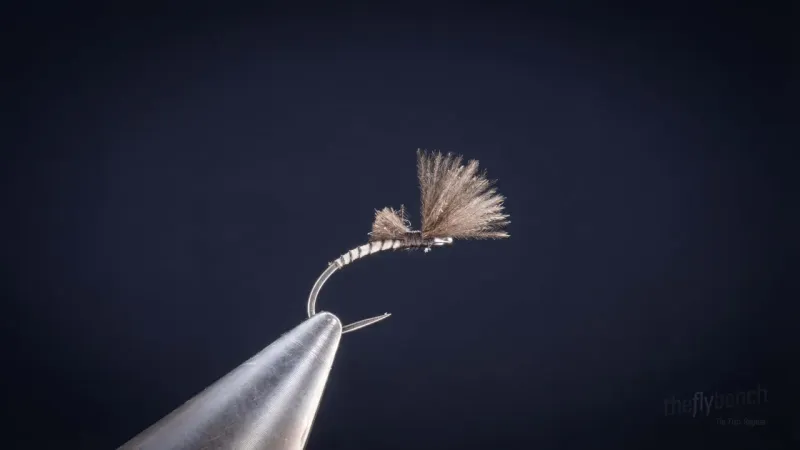
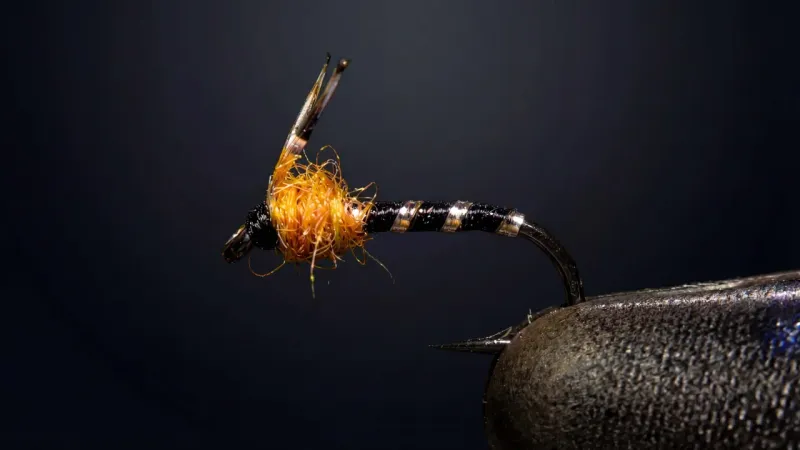
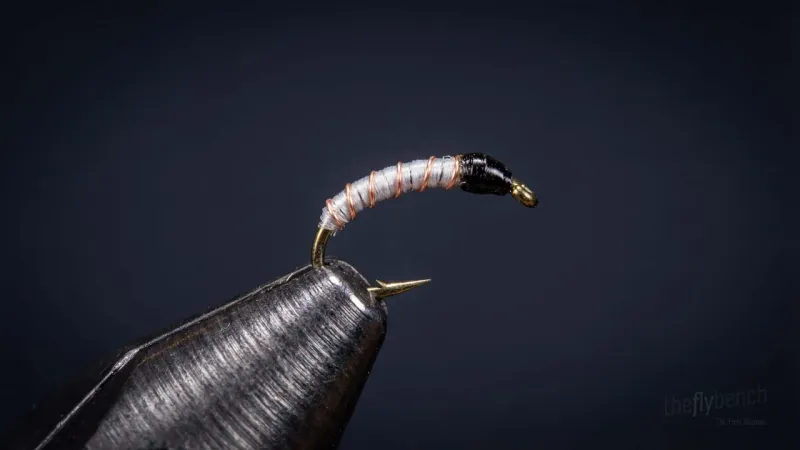
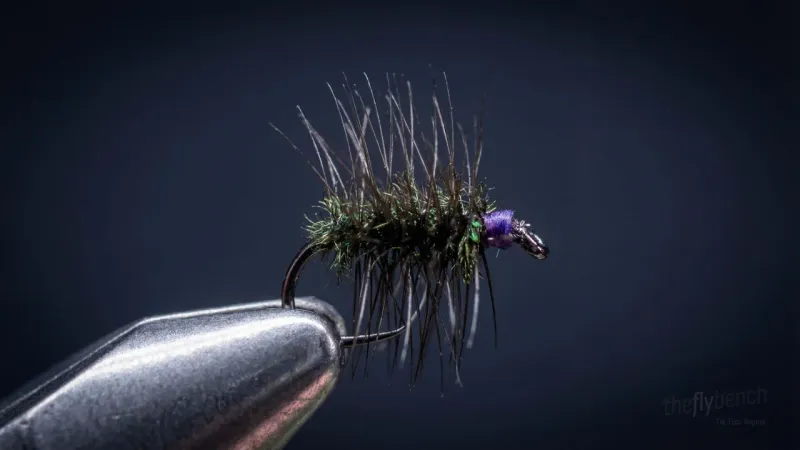
The CDC Midge Pupa is a highly realistic fly pattern that mimics the emergent stage of a midge, where the insect is most vulnerable. With its CDC (Cul de Canard) feather, it offers excellent buoyancy and movement, making it very effective at attracting fish.
Spring, Summer, Fall
Intermediate
Trout
Apr 2025
Overview
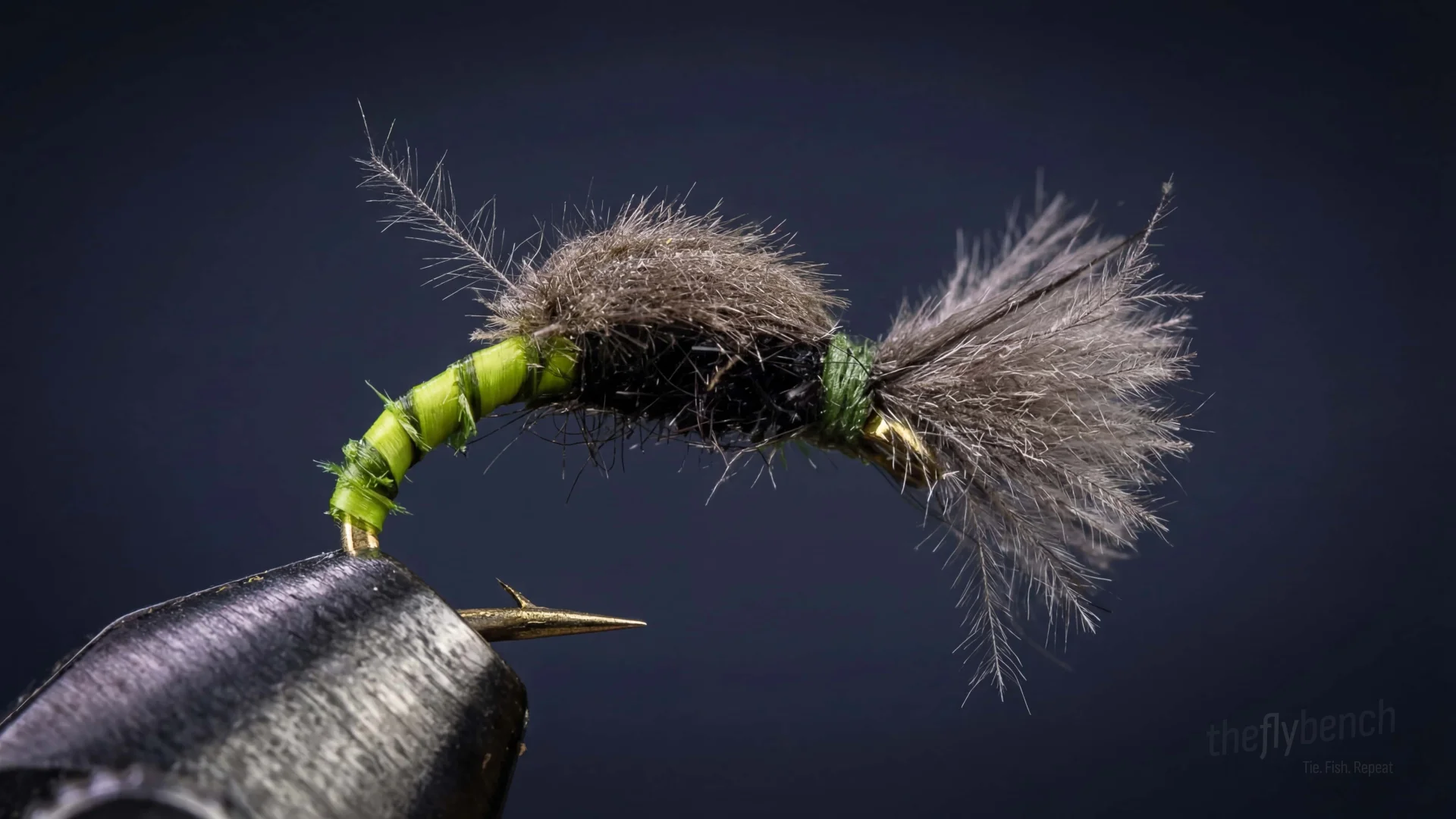
A minimalist midge imitation tied with a slim thread body, a sparse rib, and CDC near the head or collar to suggest emerging gills or trapped gas. Often fished in the surface film or just below, it's ideal for technical tailwaters where midge hatches dominate.
Where to Buy This Fly
We only link to fly shops we trust. Some links are referral links, which may earn us a commission at no extra cost to you.
Materials
- Hook:
- Tiemco 2487, size #16–#20, 2X short curved shank for midges
- Thread:
- Black Veevus 14/0
- Body:
- Superfine dubbing in olive
- Wing:
- CDC feather, natural grey
- Ribbing:
- Fine gold wire
Behavior & Presentation
Natural Behavior: The emerging pupa hangs suspended in the film, trapped gases creating a vertical profile as it struggles to penetrate the surface tension. This helpless positioning makes cruising fish lock onto the silhouette against ambient light.
Where Trout Eat It: Fish cruise just beneath the surface in slick water, targeting the film where pupae cluster during emergence windows.
How to Fish It: Dead drift in the surface film, allowing the CDC to suspend the fly at the precise depth where fish are sipping. Minimal movement matches the pupa's vulnerable hang.
Best Water: Focus on current seams where surface lanes concentrate emergers, tail-outs with gentle film, and foam lines collecting insects.
Strike Type: Expect subtle sips or barely visible dimples as fish tip up to intercept the suspended pupa.
Fishing Strategy
Rigging Suggestions: Use a 5X or 6X tippet and keep your leader long and light.
Seasonal Timing: The CDC Midge Pupa is best used in when midges are most active. Use the CDC Midge Pupa when you observe fish feeding on midges near the water's surface.
Pro Tips: The CDC feather provides excellent floatation and movement. Its natural color also makes it highly visible to fish.
Entomology
Midge pupae ascend slowly through the water column, suspended by trapped gases in their pupal shuck, often hanging vertically just beneath the surface film. This vulnerable transition makes them easy targets as fish cruise just subsurface, selectively feeding on the abundant, protein-rich pupae. Their abundance during hatches and helpless positioning creates intense feeding opportunities where trout key on this specific life stage.
- Order
- Diptera
- Family
- Chironomidae
- Common Name
- Midge
- Organism Type
- insect
- Life Stage
- general