NymphD-Rib Wally Wing Caddis Pupa
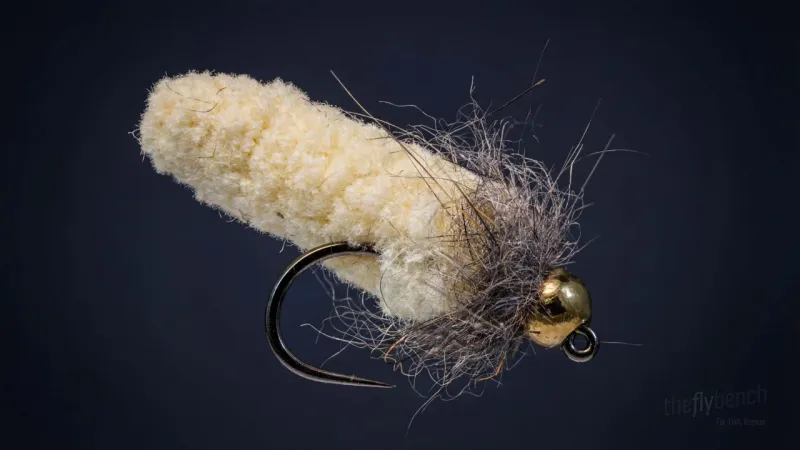
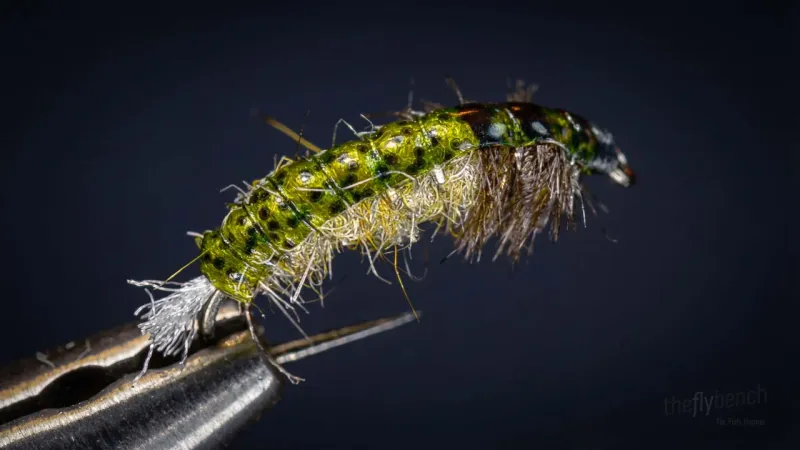
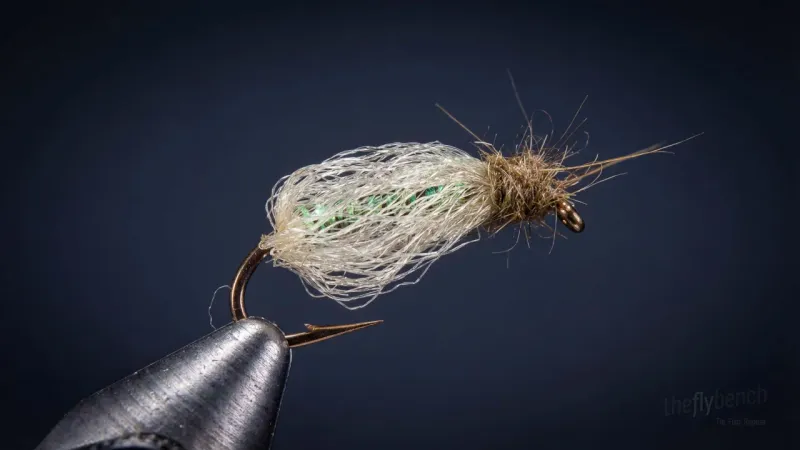
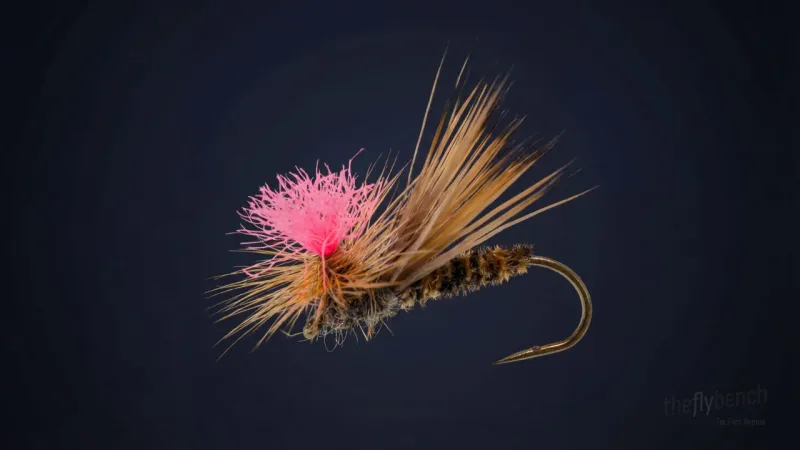
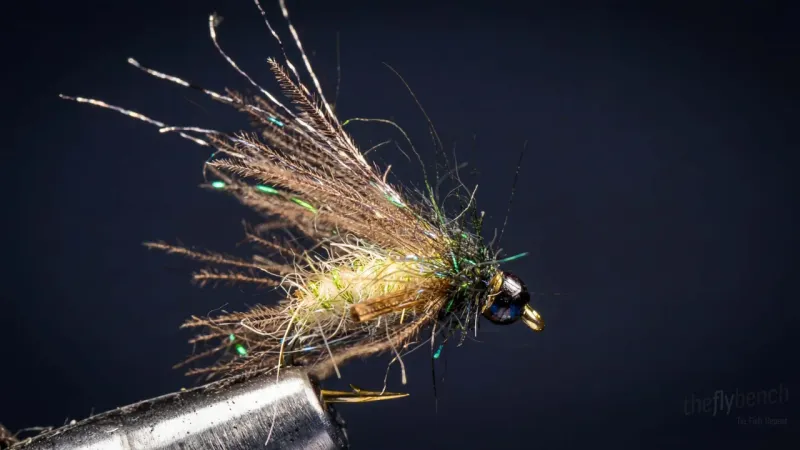
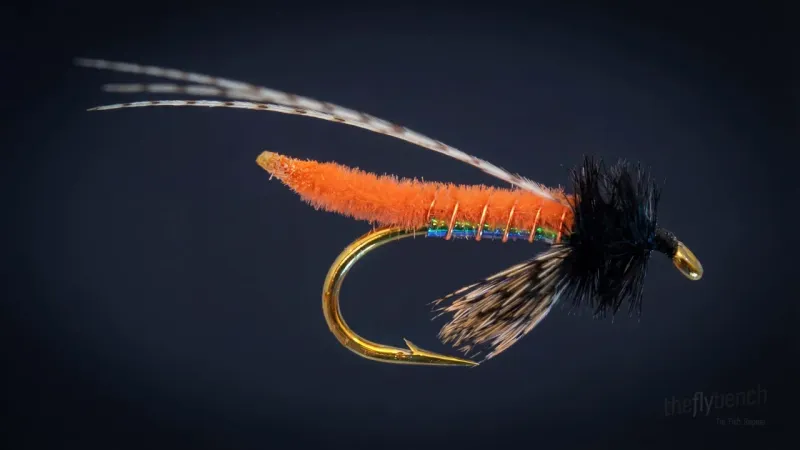
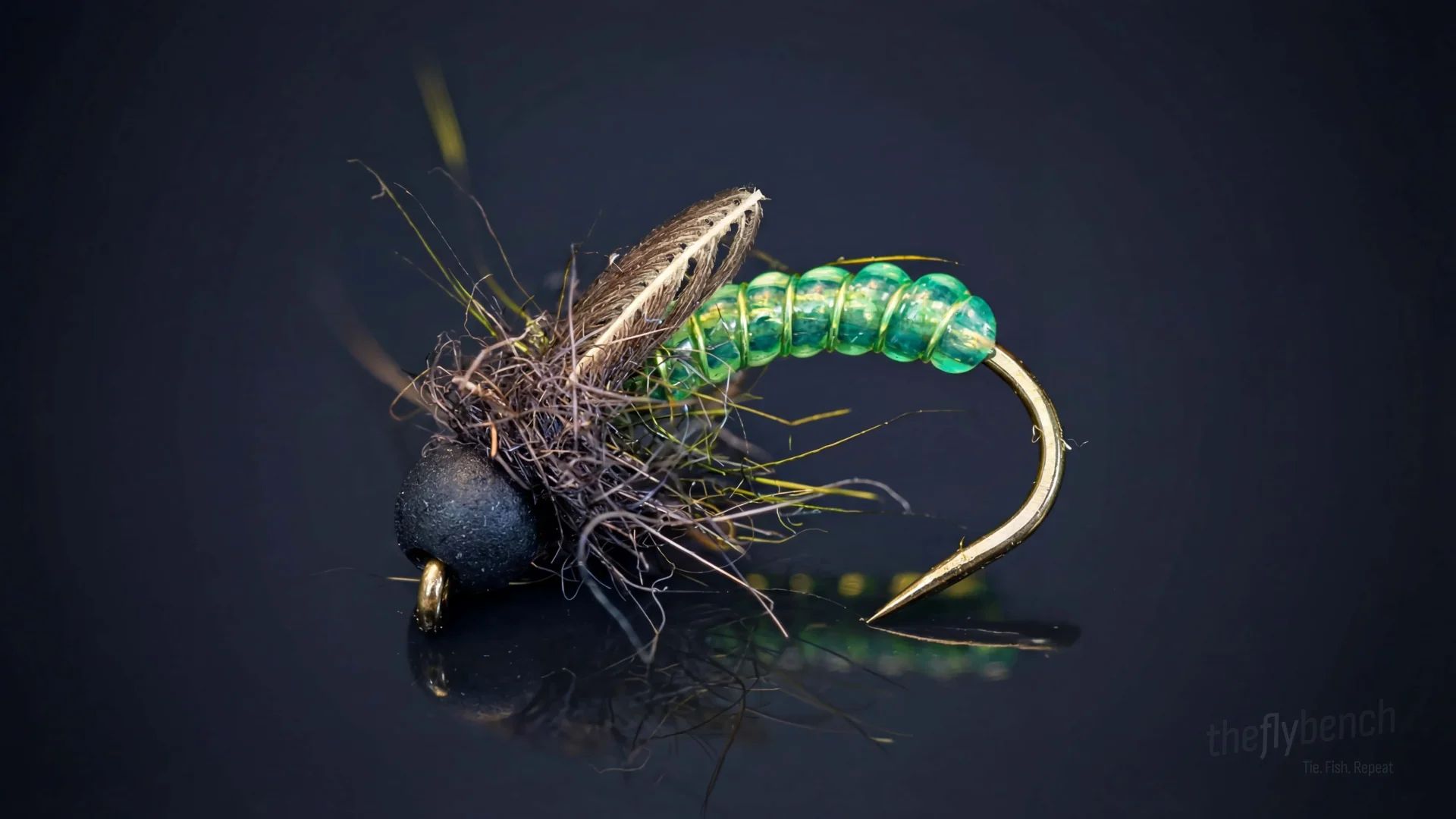
This caddis pupa pattern combines D-Rib segmentation with Wally Wing material to create realistic emerging wing buds. The ribbed body mimics the natural segmentation of ascending pupae, making it highly effective during caddis hatches in both rivers and lakes when fished just below the surface.
Spring, Fall
Intermediate
Trout
Apr 2025
Overview
This caddis pupa pattern uses translucent D-Rib for a segmented abdomen over a dubbed underbody, creating a realistic, glossy look. The hallmark Wally Wings—formed from hen saddle or CDC—give the fly a prominent emerging-wing profile. A tungsten bead and soft hackle collar help it sink and pulse naturally in the current.
Where to Buy This Fly
We only link to fly shops we trust. Some links are referral links, which may earn us a commission at no extra cost to you.
Materials
- Hook:
- Daiichi 1130 - Light Wire Scud Hook - 12
- Thread:
- Veevus GSP - White - 30 Denier
- Bead:
- Plummeting Tungsten Beads - Matte Black - 7/64\ (2.8mm)
- Weight:
- Lead Wire Spool - .015
- Ribbing:
- UTC Ultra Wire - Chartreuse - Small
- Under-Body:
- Veevus Holographic Tinsel - Green - Medium
- Body:
- Half Round D Rib - Chartreuse - Small
- Thorax:
- SLF Spikey Squirrel Dubbing - Dark Olive
- Legs & Wings:
- Whiting 4B Hen Cape - Black
- Thorax 2:
- SLF Spikey Squirrel Dubbing - Black"
Behavior & Presentation
Natural Behavior: Pupae swim upward with active leg-paddling motions, trailing gas bubbles that sparkle and reflect light as they ascend. This vulnerable ascent creates predictable feeding opportunities at multiple depth zones from bottom to film.
Where Trout Eat It: Runs, riffles, and pool tail-outs where pupae drift naturally during emergence phases.
How to Fish It: Dead drift through likely water with occasional subtle twitches to mimic struggling pupae swimming upward.
Best Water: Target tail-outs, runs, and seams during active caddis hatches when emergence is strongest.
Strike Type: Fish take this ascending pupa with a solid grab mid-column, transmitted as a decisive weight-shift or sharp indicator pull during the drift.
Fishing Strategy
Rigging Suggestions: Use a 9-foot leader with 5X or 6X tippet. Fish as a single nymph with split shot or as a dropper behind a buoyant dry fly.
Seasonal Timing: Prime during caddis hatches, typically from April through June and again in September through October.
Pro Tips: The D-Rib segmentation creates a realistic segmented body, while the Wally Wings add visibility for both angler and fish. Fish this pattern in the film during heavy hatches or deeper during pre-hatch periods.
Entomology
Emerging caddis pupae swim upward through the water column with active leg-paddling motions, trailing gas bubbles that sparkle and reflect light as they ascend toward the surface. The pupae's vulnerable ascent phase creates a predictable feeding opportunity as they swim through different depth zones, allowing fish to intercept them anywhere from the bottom to just below the surface film. Their movement triggers aggressive strikes, particularly when multiple pupae rise simultaneously during peak hatch periods.
- Order
- Trichoptera
- Common Name
- Caddisfly
- Organism Type
- insect
- Life Stage
- pupa