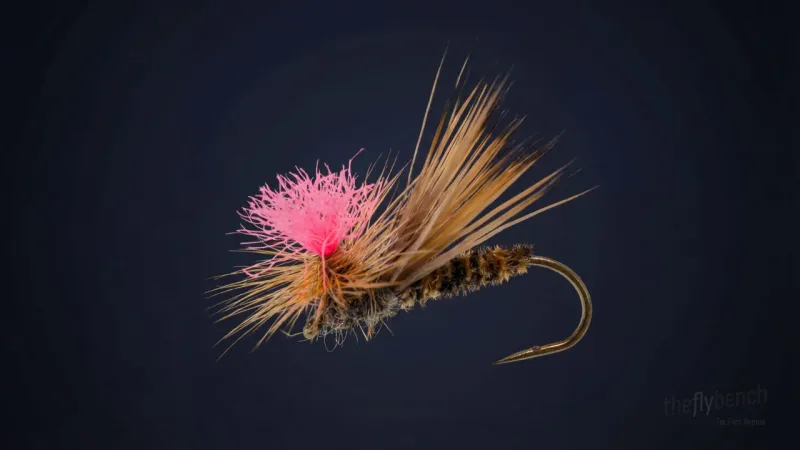
NymphBead Head Breadcrust
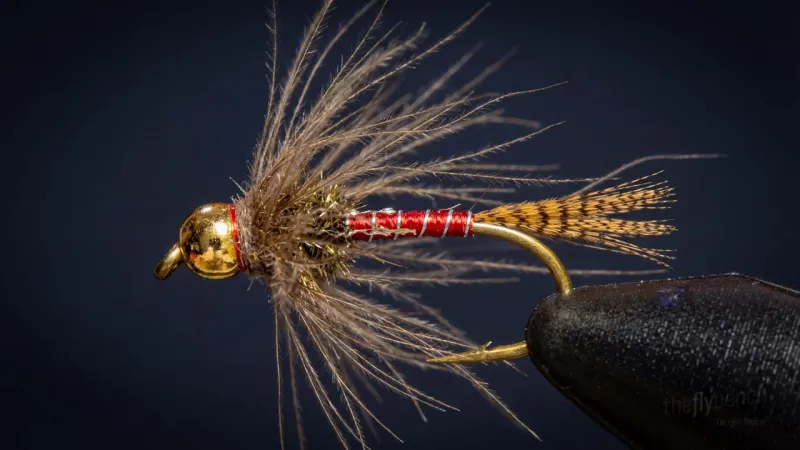
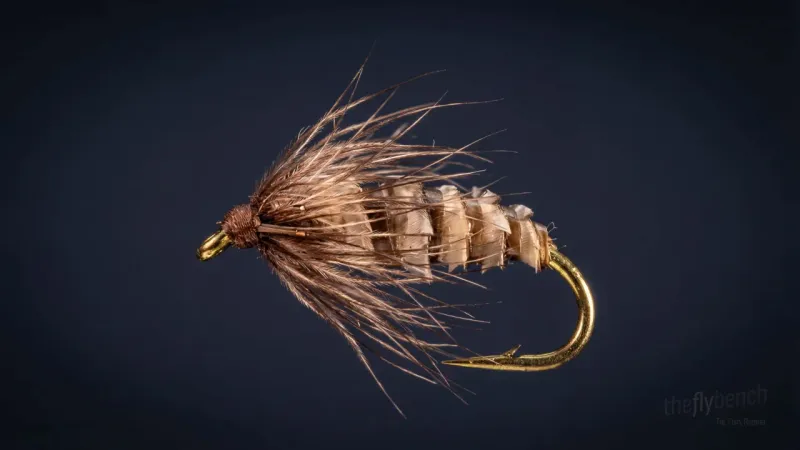
A modern twist on a classic nymph, the Bead Head Breadcrust incorporates a bead head for added weight and flash. Its crisp profile mimics emerging aquatic insects, enticing trout in both still and moving waters.
Year Round
Beginner
Trout
Apr 2025
Overview
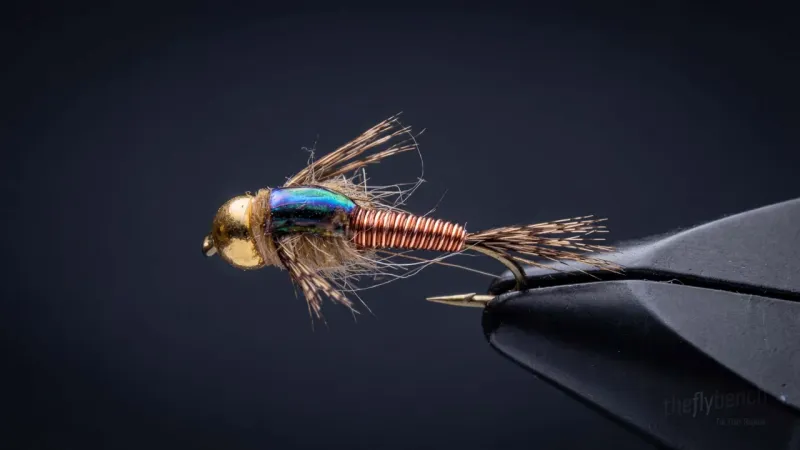
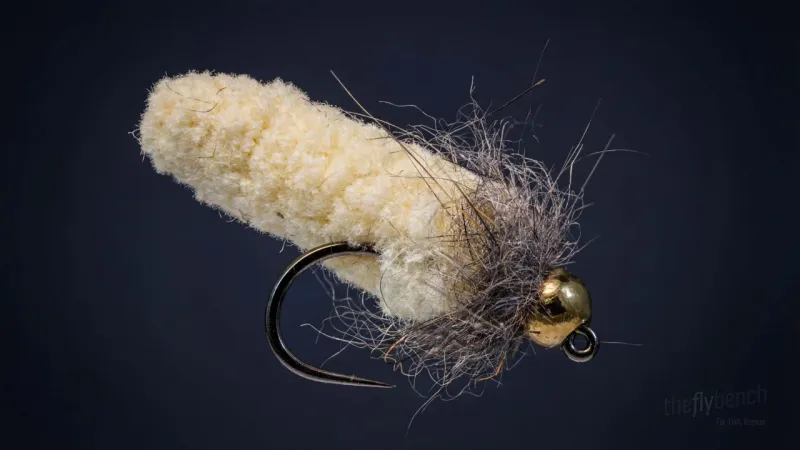
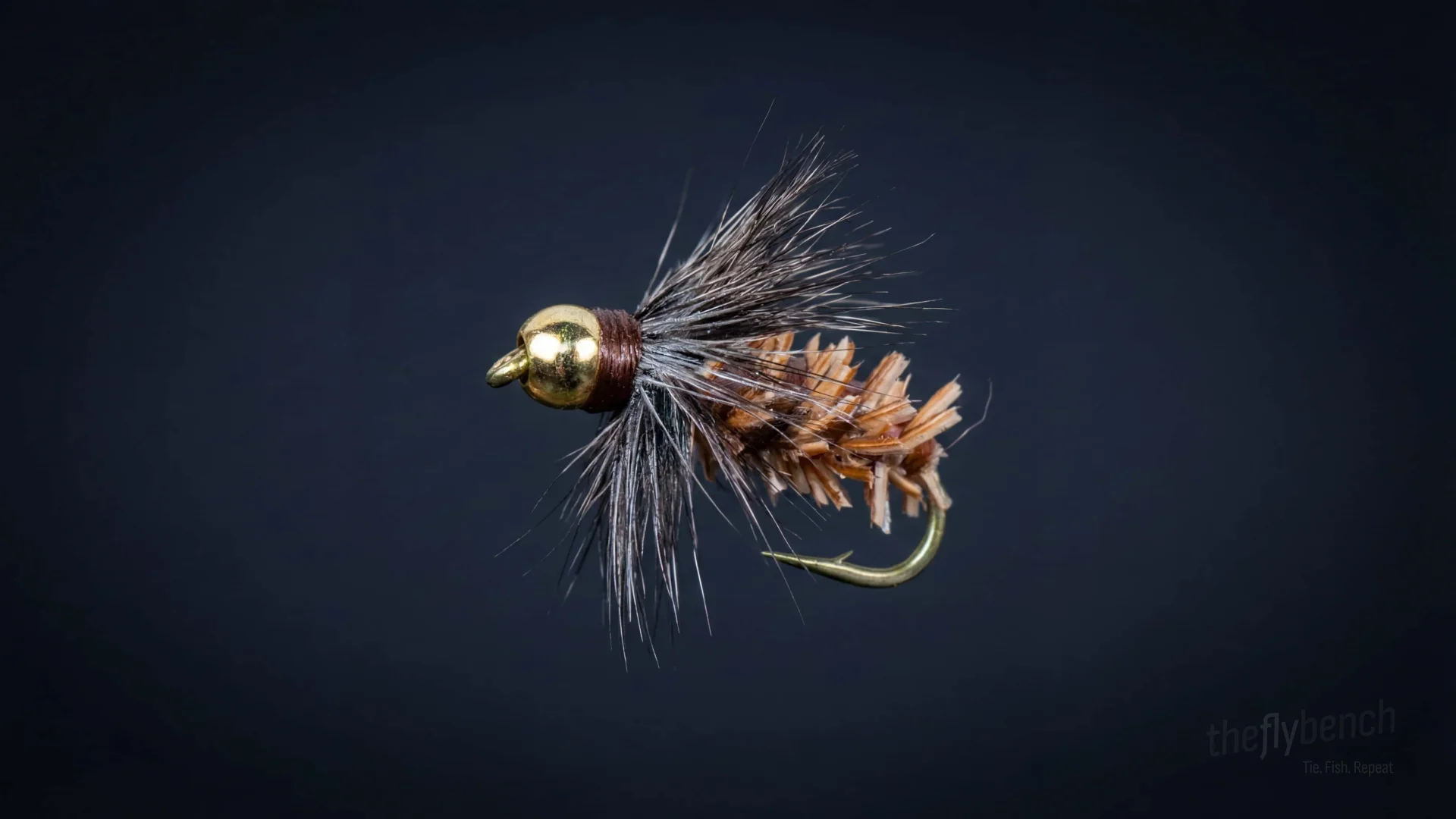
Same as the traditional Breadcrust but with a gold or copper bead added at the head for sink rate. This modern twist keeps the same realistic profile while helping it reach the strike zone faster. Reinforce the feather body for durability, and consider adding a bit of UV resin to the shellback.
Materials
Hook:# 12-18 Tiemco 5262
Bead: Brass, Gold
Thread: Brown UTC 70 Denier
Abdomen: Red-phase ruffed-grouse quill
Underbody: Black or brown yarn
Collar: Grizzly Hen
Behavior & Presentation
Natural Behavior: Emerging pupae sever their cases and pulse toward daylight, their undulating bodies creating reflective surfaces that fish track from downstream positions. These defenseless forms drift helplessly once airborne orientation begins, becoming concentrated targets during hatch windows.
Where Trout Eat It: Effective near drop-offs, weed bed margins, and gravel runs where cased larvae tumble and pupae emerge.
How to Fish It: Dead drift near bottom with natural float, adding gentle lifts at drift's end to trigger strikes.
Best Water: Target pocket water, runs, riffle edges, and drop-offs in depths of 2-8 feet where caddis larvae thrive.
Strike Type: Detect indicator dips, subtle line tightening, or hesitation in the drift.
Fishing Strategy
Rigging Suggestions: Use 5X-6X tippet with a strike indicator or tight-line Euro rig. The tungsten bead provides adequate weight for most conditions. Fish 18-24 inches below a larger nymph or solo on a weighted leader.
Seasonal Timing: Year-round effectiveness with peak success from April through October when caddis activity is highest. months remain productive in tailwaters and creeks with consistent temperatures.
Pro Tips: The bead head enhances visibility in low light and adds weight for proper depth. The neutral tan/brown coloration matches a wide range of caddis species across different watersheds.
Entomology
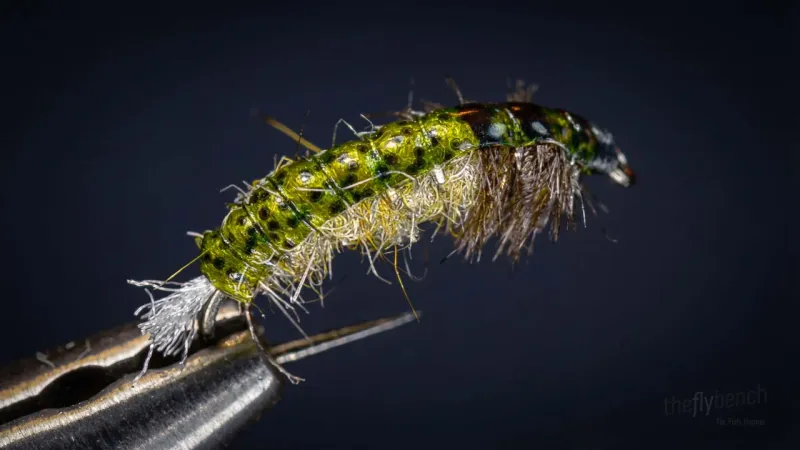
Caddis pupae cut free from their larval cases and swim actively toward the surface with undulating body movements and visible legs that paddle through the water column. During this emergence phase, gas bubbles form beneath the pupal skin, creating reflective surfaces that catch light and attract fish from a distance. The pupae are completely defenseless during ascent, making them a preferred target during caddis hatches when dozens or hundreds rise simultaneously.
- Order
- Trichoptera
- Common Name
- Caddisfly
- Organism Type
- insect
- Life Stage
- pupa